
10 min read
How to choose Korean sunscreen comes down to 4 checks: filter type, SPF, PA grade and texture. Get those right for your skin type and you’ll have a sunscreen you actually want to wear every morning, which matters more than any single ingredient on the label.
This guide explains what the Korean label is telling you, how chemical, mineral and hybrid formulas differ, and which textures suit oily, dry and sensitive skin.
Key takeaways
- SPF measures protection against UVB (the main cause of sunburn); the PA grade, from PA+ to PA++++, measures protection against UVA, the rays linked to tanning and skin aging.
- For daily city wear, SPF30 or higher with PA+++ or PA++++ covers most people; Korean labels top out at SPF50+.
- Koreans sort sunscreens into 3 groups: mujacha (mineral), yugijacha (chemical) and honhap jacha (hybrid).
- Reapply roughly every 2 hours outdoors and after swimming, sweating or towel drying, whatever the SPF number says.
What SPF50+ and PA++++ mean on a Korean sunscreen label
Flip over almost any sunscreen at Olive Young and you’ll see two ratings side by side, such as SPF50+ PA++++. They measure different things, so you need both.
SPF: protection from burning
SPF (sun protection factor) rates how well a product shields you from UVB rays, which cause sunburn. In Korea, sunscreen is regulated as a functional cosmetic by the Ministry of Food and Drug Safety, and anything that tests above 50 is simply labeled SPF50+. The jump from SPF30 to SPF50 is smaller than the numbers suggest, so don’t treat SPF50+ as permission to skip reapplying.
PA: protection from UVA
The PA system (Protection Grade of UVA) comes from Japan and is used across Korea. More plus signs mean stronger UVA protection, from PA+ up to PA++++. UVA passes through clouds and window glass, which is why Koreans wear sunscreen on overcast days and in the office. If you care about dark spots or long-term skin aging, PA is the rating to watch.
Western labels often say “broad spectrum” instead of using PA. A Korean product with PA+++ or PA++++ is giving you a clearer grade of the same idea.
Chemical vs mineral vs hybrid Korean sunscreen: the real differences
Korean shoppers use shorthand you’ll see in reviews and on shop signage. Jacha is short for jaoeseon chadanje (sunscreen). Yugijacha means organic (chemical) filters, mujacha means inorganic (mineral) filters, and honhap jacha is a hybrid of both.
Chemical (yugijacha)
Chemical filters are organic compounds that absorb UV rays. They let brands make thin, clear, lotion-like formulas that disappear on all skin tones. Korea permits several newer filters, such as bis-ethylhexyloxyphenol methoxyphenyl triazine (often sold as Tinosorb S), that the US FDA has not approved for sunscreen. That’s a big reason Korean chemical sunscreens feel so light. Beauty of Joseon Relief Sun: Rice + Probiotics and Isntree Hyaluronic Acid Watery Sun Gel are well-known examples of this style.
Mineral (mujacha)
Mineral sunscreens use zinc oxide and/or titanium dioxide. They’re usually the first suggestion for reactive skin because they skip the organic filters some people react to. The trade-off is a heavier feel and a white cast, especially on medium and deep skin tones. Many Korean mineral formulas add a slight tint or a “tone-up” effect to hide this. Dr.G Green Mild Up Sun+ and Etude Sunprise Mild Airy Finish are common picks in this group.
Hybrid (honhap jacha)
Hybrids mix mineral and chemical filters to reduce white cast while keeping some of the mineral feel. They suit people who find pure mineral formulas too chalky but want fewer chemical filters.
| Type | Korean term | Typical feel | White cast | Best for |
|---|---|---|---|---|
| Chemical | Yugijacha | Thin, clear, often watery or gel | Little to none | Oily, combination, deeper skin tones, wearing under makeup |
| Mineral | Mujacha | Thicker, creamier, can feel dry or matte | Often visible unless tinted | Sensitive, easily irritated eyes, lighter skin tones |
| Hybrid | Honhap jacha | Between the two | Light | People who react to some chemical filters but hate chalky finishes |
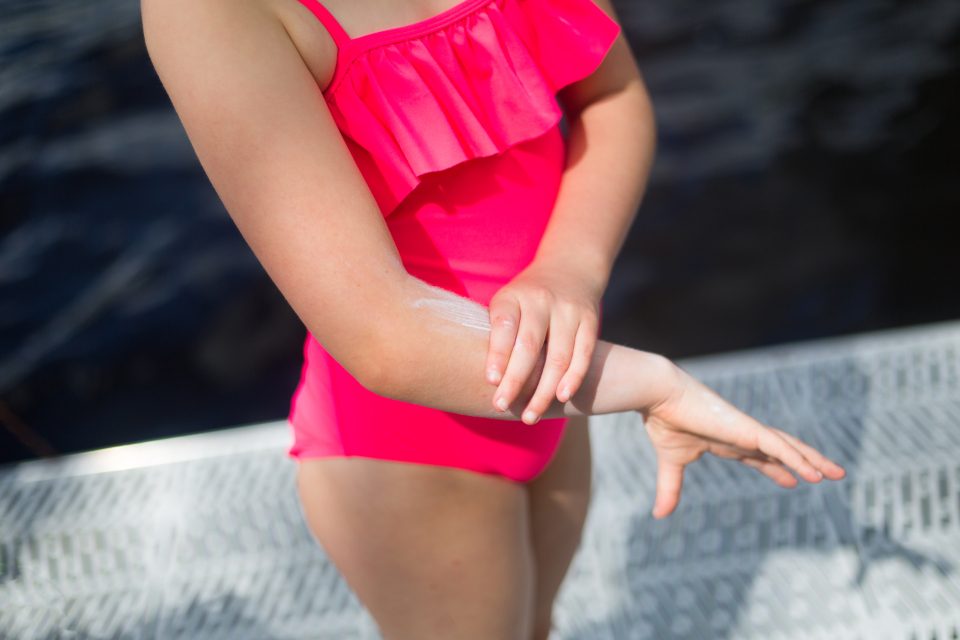
How to choose Korean sunscreen for oily skin
Oily skin needs a formula that won’t slide off by lunchtime or add shine. Look for words like sun gel, sun serum, sun fluid, “matte” or “sebum control” on the box.
- Pick a chemical gel or serum. Watery textures like Skin1004 Madagascar Centella Hyalu-Cica Water-Fit Sun Serum absorb quickly and layer well under foundation.
- Skip rich sun creams. Products labeled “moisturizing” or “rich” usually carry more oils and emollients than you need.
- Watch for heavy silicone finishes if you break out. Some people find them comfortable, others find they pill or feel occlusive. A patch on the jawline for a few days tells you more than any review.
If you’re oily and acne-prone, the sunscreen can often replace your moisturizer in the morning. Fewer layers mean less slipping and less congestion.
Best Korean sunscreen textures for dry skin
Dry skin is the easy case for Korean sunscreen, because so many formulas are built around hydration. Look for sun cream or “moisture” in the name, plus humectants like hyaluronic acid, glycerin or panthenol in the ingredient list.
Round Lab Birch Juice Moisturizing Sun Cream and Torriden Dive-In Watery Moisture Sun Cream are popular examples aimed at dehydrated skin. Beauty of Joseon Relief Sun is also often recommended for normal to dry skin because of its creamy, dewy finish.
Avoid sun gels with a lot of alcohol (it will be listed as ethanol or alcohol denat. near the top of the ingredients). It gives a fast, cool finish but can leave dry skin tight. Mineral formulas can also look patchy on flaky areas, so apply them over a moisturizer and let it sink in first.
Korean sunscreen for sensitive and acne-prone skin
With sensitive skin, the goal is fewer variables. A short ingredient list, no added fragrance and, for many people, mineral or hybrid filters are a sensible starting point.
- Check for fragrance. Look for “fragrance” or “parfum” and essential oils on the label. Many Korean sunscreens marketed for sensitive skin leave them out, but not all.
- Look at the eye area. Some chemical sunscreens sting when they migrate into the eyes, especially when you sweat. Mineral sticks around the eyes are a common workaround.
- Calming ingredients are a bonus, not a treatment. Centella asiatica (cica), panthenol and madecassoside show up in a lot of Korean sun products. They can make a formula feel gentler, but they don’t fix underlying skin conditions.
Always patch test a new sunscreen on a small area, such as behind the ear or along the jaw, for a few days before putting it on your whole face. If you have rosacea, eczema or acne that keeps flaring, talk to a dermatologist before switching products, especially if you also use prescription retinoids or acids that make skin more sun-sensitive.
Sun cream, serum, stick or cushion: which Korean sunscreen format to pick
Korea sells sunscreen in more formats than most markets. Each one has a job, and most Koreans own more than one: a cream or serum for the morning and a stick or cushion in their bag.
| Format | What it feels like | Best skin type | Best moment to use it |
|---|---|---|---|
| Sun cream | Lotion-like, moisturizing | Normal to dry | Morning, as the last skincare step |
| Sun gel / sun serum | Watery, fast-absorbing | Oily, combination | Morning, under makeup |
| Tone-up cream | Slightly white or tinted, brightening | Normal, lighter skin tones | No-makeup days |
| Sun stick | Solid balm, glides on | Most types | Reapplying over makeup, ears, neck |
| Sun cushion | Pressed with a puff, often tinted | Normal to oily | Touch-ups during the day |
| Sun spray / mist | Fine spray | Most types | Body, scalp parting, quick top-ups |
Sticks and cushions are convenient, but it’s hard to apply enough product with them. Use your cream or serum as the main layer and treat sticks and sprays as top-ups.
How much Korean sunscreen to use and when to reapply
The SPF on the box is measured at 2 mg per square centimeter of skin, which is more than most people use. For the face, the common rule of thumb is about a quarter of a teaspoon, or two finger-lengths of product squeezed along your index and middle fingers. Use less and your real protection drops well below the label.
- Apply as the last skincare step. After moisturizer, before makeup.
- Wait a few minutes. Let it set before foundation so it doesn’t pill or shift.
- Don’t forget the edges. Ears, neck, hairline and the back of the hands are commonly missed.
- Reapply about every 2 hours outdoors. Also reapply after swimming, heavy sweating or towel drying, even with a water-resistant formula.
- Remove it properly at night. Water-resistant and mineral sunscreens usually need an oil or balm cleanser first, which is why the Korean double cleanse exists.
Common mistakes when buying Korean sunscreen
Choosing on hype, not skin type
A viral sunscreen that suits dry skin may feel greasy on oily skin. Read the texture words on the box and the ingredient list, then decide. Reviews are most useful when the reviewer’s skin type matches yours.
Assuming every version is the same formula
Some Korean brands sell different versions for different countries to meet local rules, especially in the US, where many Korean filters aren’t approved. Formulas also get updated. Compare the ingredient list on the product you’re holding with the brand’s official page for your region.
Using an old tube
Check the manufacturing or expiry date printed on the crimp of the tube or the bottom of the box. Sunscreen that’s been left in a hot car or opened for a long time may not perform as labeled.
Saving it for sunny days
Koreans treat sunscreen as a year-round daily step, partly because UVA is present in winter and through windows. If you only care about beach days, you’re missing the protection that counts most for dark spots and long-term skin aging.
Where to buy Korean sunscreen and avoid fakes
In Korea, Olive Young is the default stop, with sunscreen sections that usually sort products by format. Brand flagship stores and department store counters are also reliable. Outside Korea, buy from the brand’s official online store, its official storefront on large marketplaces, or authorized retailers listed on the brand’s website.
Access is getting easier abroad. WWD reports that Olive Young is planning 5 new California stores by the first half of 2027, and BeautyMatter noted that K-beauty and skincare led Amazon’s Prime Big Deal Days 2026. Big sales are a good time to stock up, as long as you buy from the brand’s official store or an authorized seller.
Red flags for fakes include prices far below other sellers, missing Korean-language labeling, blurry printing and sellers with no clear link to the brand. For current prices and stock, check the brand’s official site or Olive Young’s own app.
FAQ
Is SPF50+ PA++++ always better than SPF30 PA+++?
It offers more protection on paper, but the difference is smaller than the numbers suggest. A sunscreen you apply generously and reapply will protect you better than a higher-rated one you skimp on. Choose the highest rating you’re happy to wear every day.
Are Korean chemical sunscreens safe?
Sunscreens sold in Korea are regulated as functional cosmetics by the Ministry of Food and Drug Safety, which approves the filters allowed. No sunscreen suits everyone, so patch test new products and stop using anything that stings or causes redness. If you’re pregnant or have a skin condition, ask your doctor or dermatologist which filters they recommend.
Which Korean sunscreen has no white cast?
Chemical formulas, especially sun gels and sun serums, are the most reliable choice if you want no white cast. Mineral sunscreens can still work on deeper skin tones if they’re tinted, so look for “tinted” or a beige shade rather than “tone-up”, which is designed to brighten.
Can I use Korean sunscreen instead of moisturizer?
Many people with oily or combination skin do, because Korean sun creams and serums are often hydrating. Dry skin usually still needs a moisturizer underneath. Either way, use the full amount of sunscreen.
Do I need sunscreen indoors or in winter?
If you sit near windows or go outside at any point, yes. UVA passes through glass and clouds and is present all year, which is why daily sunscreen is a normal habit in Korea.
How do I reapply sunscreen over makeup?
Use a sun stick, sun cushion or fine sun spray. Press or pat the product on rather than rubbing so your base doesn’t move. Reapply about every 2 hours when you’re outdoors.
What to try next: building your Korean sunscreen routine
Start with one main sunscreen that matches your skin type: a gel or serum if you’re oily, a sun cream if you’re dry, a fragrance-free mineral or hybrid if you’re sensitive. Wear it daily for 2 weeks before judging it, and patch test first.
Once that’s settled, add a stick or cushion for reapplying. When you shop, compare the ingredient list against the brand’s official page for your country, since formulas can differ between markets.
Related reading
Sources news.google.com · k-korea.blog
Prices, opening hours and availability change. Check the official page before you buy or travel.