10 min read
How to use cushion foundation in 5 steps: prep skin, load the puff once, tap outward, build thin, then set. A cushion compact holds liquid foundation inside a soaked sponge, so every press picks up a light, even layer that you bounce onto your face instead of rubbing in. Get the press, the shade and the puff hygiene right and it reads as skin. Get any of them wrong and it reads as a mask.
Key takeaways
- Press the puff into the sponge once, then tap it on. Swiping drags product and leaves streaks.
- Korean shade numbers such as 13, 21 and 23 run from lighter to deeper; a letter after the number, where a brand uses one, usually signals undertone.
- The SPF on a cushion does not replace sunscreen, because a few pats put far less product on your face than sun protection ratings assume.
- Wash the puff often and keep a spare: it goes back into a closed, moist case after touching your skin.
What is a cushion foundation, and why did Korea invent it?
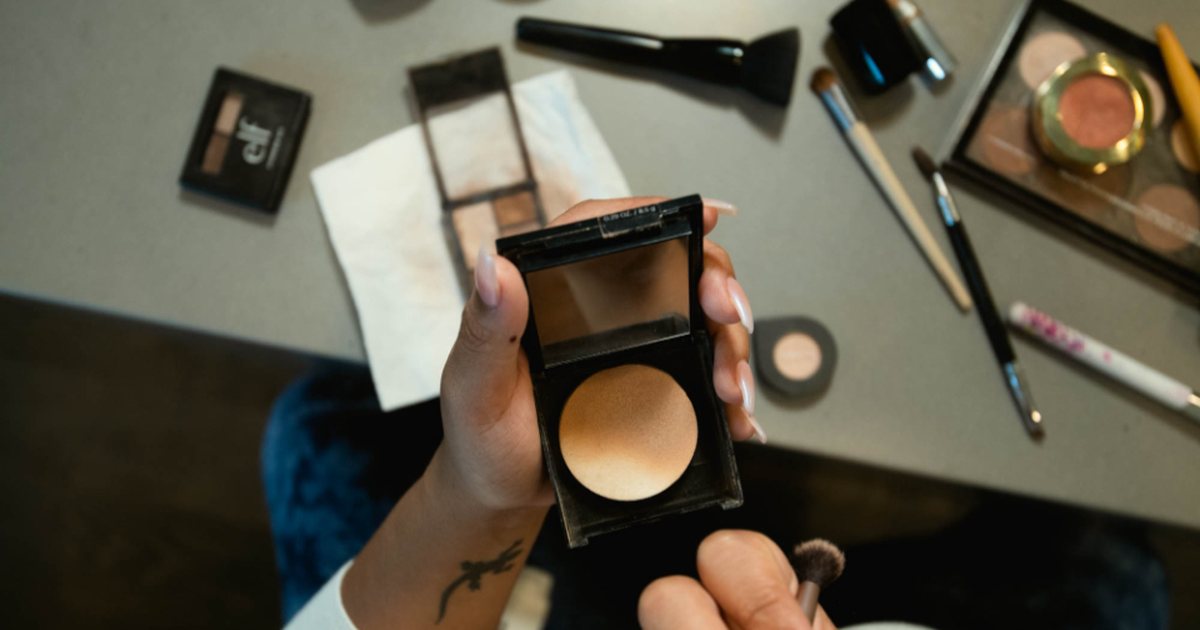
A cushion foundation is a compact with three layers: a mesh or sponge saturated with liquid foundation, a sealing inner lid, and a soft puff on top. You press the puff into the sponge, and it picks up a controlled amount of product. The format arrived in 2008, when Amorepacific (the Korean beauty group behind Laneige, Sulwhasoo and Hera) launched IOPE Air Cushion. Almost every Korean makeup brand now sells its own version, and many Western brands have followed.
The appeal is control. A pump bottle lets you dispense too much in one go; a soaked sponge physically limits how much the puff can carry. That makes it hard to overdo, easy to layer, and quick to fix on the go.
Why Koreans carry a cushion instead of a bottle
Walk into any office restroom in Seoul around lunchtime and you’ll see cushions coming out of bags. The compact has a mirror built in, it doesn’t spill, and a midday touch-up takes seconds. Most brands sell refill pans, so you keep the case and swap the sponge when it runs dry. For travellers, it’s one less liquid bottle to worry about.
How to use cushion foundation: the 5-step method
The whole technique comes down to one motion: press and lift. Think of stamping, not painting. Here is the order that works on most skin types.
- Prep your skin. Finish your skincare and sunscreen first, then give it a minute or two to settle. Cushion over wet moisturizer slides around and goes patchy. If you need a refresher on the base layers, our Korean skincare routine for beginners covers the 4 steps that go underneath.
- Load the puff once. Press the puff gently into the sponge one time. Don’t grind it in circles; that floods the puff and you’ll end up wiping excess off your face.
- Start at the center and tap outward. Dab first on the cheeks beside the nose, where most redness sits, then bounce outward toward the hairline and jaw. Light, quick taps. The edges of your face need the least product, and working outward fades it naturally.
- Build only where you need it. Go back for a second thin press on spots that still show through: around the nostrils, the chin, a blemish. Fold the puff in half and use the edge for the corners of the nose and under the eyes.
- Set the oily zones. If your forehead and nose shine by noon, press a little translucent powder there only. Leave the cheeks alone if you want the glow to stay.
A worked example: oily T-zone, dry cheeks, 8 a.m.
Say your forehead gets shiny but your cheeks feel tight by afternoon. Use a richer moisturizer on the cheeks and a light gel on the T-zone, then sunscreen. Pick a satin cushion rather than a full dewy or full matte one.
One press covers both cheeks; a second, half-strength press covers forehead, nose and chin. Powder goes on the nose and forehead only. At 2 p.m., blot the shine with a tissue first, then tap a single thin layer of cushion on top. Skip the blotting and you’re layering foundation over oil, which is how it slides and separates.
How much product is enough?
Less than you think. If you can see a solid film of product on the puff, it’s too much for one area. A good test: after the first layer, your freckles or skin texture should still be faintly visible. Cushions are made to be built up, so it’s easier to add a second layer than to remove a heavy first one.
Dewy, satin or matte: which cushion finish suits your skin?
Finish matters more than brand. Korean labels are fairly consistent about the words they use, so read the product name and description for these cues before you think about shade.
| Finish | How it looks | Best for | Skip it if | Words to look for on the label |
|---|---|---|---|---|
| Dewy / glow | Luminous, light-reflecting, fresh | Dry and normal skin, cold or dry climates | Your T-zone shines within hours or you want to blur large pores | Glow, moist, dewy, radiance, essence |
| Satin / semi-matte | Soft, skin-like, a little sheen | Combination skin, most first-time buyers | Your skin is very dry and flaky | Satin, natural, semi-matte, fit |
| Matte | Flat, shine-controlled, more blurring | Oily skin, hot and humid weather | You have dry patches; matte formulas cling to them | Matte, velvet, sebum control, long-wear |
| High cover | Opaque, hides redness and marks | Events, photos, uneven tone | You want a no-makeup look day to day | Cover, full cover, kill cover, mask fit |
Many lines come in two versions: Laneige’s Neo Cushion, for example, is sold in Matte and Glow. If you’re unsure, satin is the safest first buy. It sits in the middle, so you can push it dewier with a hydrating mist or flatter with powder.
How to match a Korean cushion shade from abroad
Shade matching is where most overseas buyers go wrong, because Korean brands use a numbering system that doesn’t line up neatly with Western shade names.
What the Korean shade numbers mean
Most Korean lines use two-digit numbers. Lower numbers are lighter: 13 is usually a fair shade, 21 a light shade, and 23 a light-to-medium shade, with 25 and above going deeper. The middle shades are where most ranges are densest. Some brands have widened their ranges in recent years, but many still stop sooner on the deep end than Western foundation lines do. If you have medium-deep or deep skin, check the brand’s official shade page before ordering, since the full range is often only listed there.
What the letters (N, C, W) mean
Where a brand adds a letter, it usually refers to undertone: N for neutral, C for cool (pink), W for warm (yellow or golden). The system isn’t standardized, so a 21N from one brand won’t match a 21N from another. Treat the letters as a hint, then compare swatches on the brand’s own site.
How to test a shade properly
Swatch on your jawline, not the back of your hand, and look in daylight. The right shade disappears where your face meets your neck. Many Korean cushions are designed to look a touch brighter on skin, and some deepen slightly after a few minutes as they react with oil. So wait five minutes before judging, and if you’re between two numbers, the deeper one is usually the safer bet.
Common cushion mistakes that make it look cakey or patchy
- Swiping like a sponge blender. The puff is built for pressing. Rubbing lifts the layer underneath and creates streaks.
- Applying straight over wet skincare. Wait for it to absorb, or the cushion pills and separates.
- Loading the puff in circles. One press in the sponge is enough for a whole area.
- Going matte on dry patches. Matte formulas grab flaky spots. Moisturize those areas first or switch to satin.
- Touching up over oil. Blot, then tap. Fresh product on top of shine slides off by evening.
- Counting on the SPF. You’d need far more cushion than anyone wears to get the stated protection. Wear real sunscreen underneath; our guide on how to choose Korean sunscreen explains the PA rating (Korea’s measure of UVA protection) and which type sits best under makeup.
How to keep your cushion puff and sponge clean
This is the part most guides skip, and it matters. The puff touches your face, picks up oil and dead skin, then goes back into a dark, damp case sitting on a sponge of product. If you reuse a dirty puff, you’re pressing yesterday’s grime back onto your skin every morning.
The routine is simple. Wash the puff with a gentle cleanser or mild soap and lukewarm water, squeeze until the water runs clear, press it in a towel and let it air-dry completely before it goes back in the case. Keep a second puff in rotation so you never put a damp one in. Many brands sell spare puffs, and some refill packs include one.
When to replace the puff
Replace it when washing no longer gets it clean, when the surface starts to pill or flake, or when it goes stiff. A tired puff leaves texture on the skin, so a fresh one often fixes a “cakey” problem you blamed on the formula.
Cushion vs liquid foundation: when each one wins
A cushion wins when you want speed, a light finish and easy touch-ups. It’s the better choice for daily wear, travel and anyone who tends to over-apply foundation. Because the sponge rations the product, it’s also forgiving for beginners.
Liquid foundation from a bottle wins when you need precise control over quantity, very full coverage, a brush or sponge finish, or a deeper shade that a cushion line doesn’t offer. Some people use both: liquid in the morning for a full base, a cushion in the bag for the afternoon. If that’s you, pick a cushion in the same shade family and a similar finish so the touch-up doesn’t show.
Can you use a damp makeup sponge with a cushion?
Yes. A damp teardrop sponge gives a sheerer, more blended result than the flat puff, and it’s handy around the nose. Press it into the cushion lightly, because a damp sponge absorbs more product than the puff.
Where to buy cushion foundation outside Korea
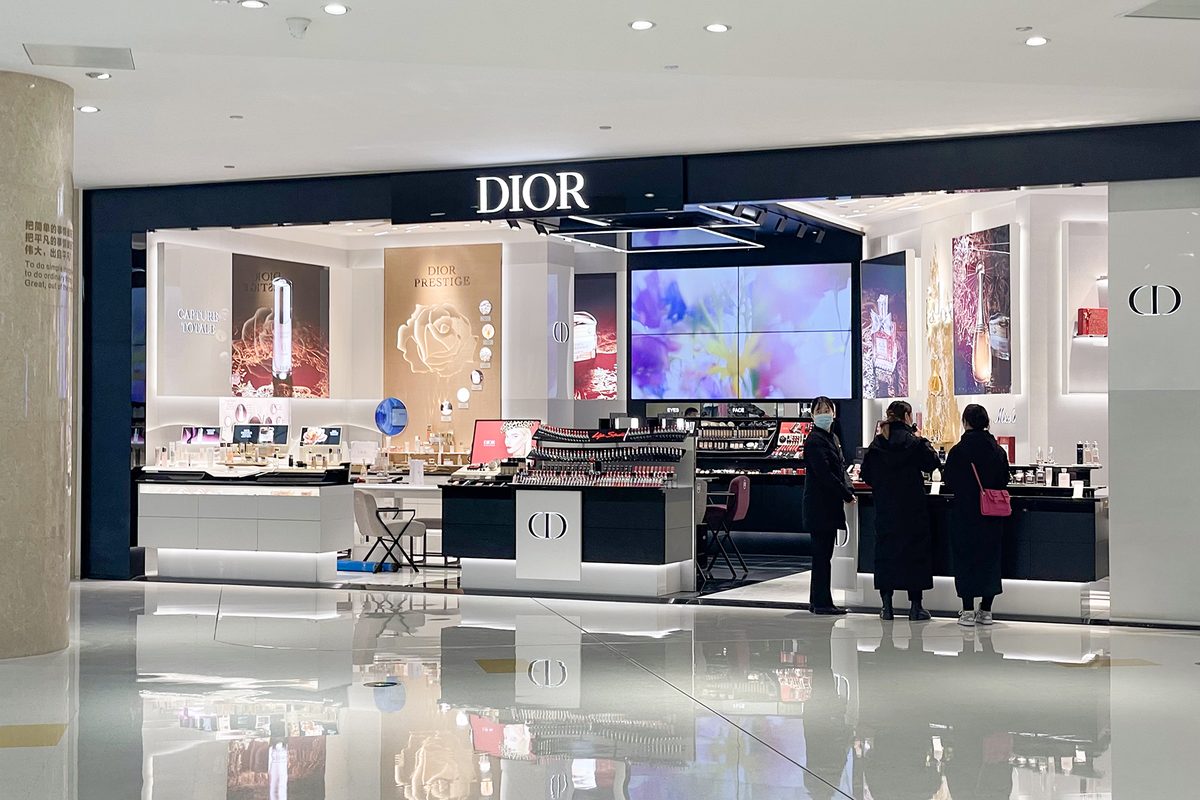
Start with the brand’s official store for your country, since that is where you’ll find the full shade range, current refill packs and real expiry dates. Olive Young, Korea’s biggest health-and-beauty chain, ships many Korean makeup brands internationally through its global online store, and according to CoStar, the chain is planning a US retail expansion as K-beauty reaches more shoppers. Check Olive Young’s official site for what is available in your country and current prices.
Be careful with unknown marketplace sellers. Counterfeit Korean cosmetics do circulate, and a cushion is something you press onto your face daily. If a listing has no batch code, a blurry box or a price that looks wrong, skip it. Visiting Seoul? Olive Young stores have testers out, so you can swatch on your jawline before buying; our guide to what to buy at Olive Young covers tax refunds for tourists too.
FAQ
Do you apply cushion foundation before or after sunscreen?
After. Sunscreen is the last step of skincare, and cushion is the first step of makeup. Give the sunscreen a minute or two to set so the cushion doesn’t slide.
Can you apply cushion foundation with your fingers?
You can, and fingers warm the product so it melts in nicely on dry skin. The trade-off is hygiene: dipping fingers into the sponge transfers oil and bacteria into the case. If you prefer fingers, wash your hands first or press the puff and transfer from the puff.
How often should you wash a cushion puff?
If you use it daily, wash it at least once a week, and more often if you’re prone to breakouts. Having two puffs makes this easy: one in use, one drying. Always let it dry fully before closing the compact.
Is cushion foundation good for oily skin?
Yes, if you choose a matte or semi-matte version and set the T-zone with a little powder. Blot before touch-ups instead of adding layers over shine. Dewy versions tend to look greasy on very oily skin by midday.
How long does a cushion compact last once opened?
Check the period-after-opening symbol on the box, which shows the number of months the brand recommends. How fast you finish it depends on how often you use it and how much you load. When it runs dry, buy a refill rather than a new case.
Why does my cushion look cakey?
The usual causes are too much product per press, applying over damp skincare, swiping instead of tapping, or a dirty, stiff puff. Try one thin layer with a clean puff on fully absorbed skin before you give up on the formula.
What to try next with your cushion
If you’re buying your first one, go satin, check the brand’s official shade page, and order a refill and a spare puff at the same time. If you already own a cushion that looks heavy, change the technique before the product: one press, tap outward, thin second layer. The base matters as much as the makeup, so if the finish still isn’t right, fix your moisturizer and sunscreen first, then come back to the cushion.
Related reading
Sources k-korea.blog · news.google.com
Prices, opening hours and availability change. Check the official page before you buy or travel.