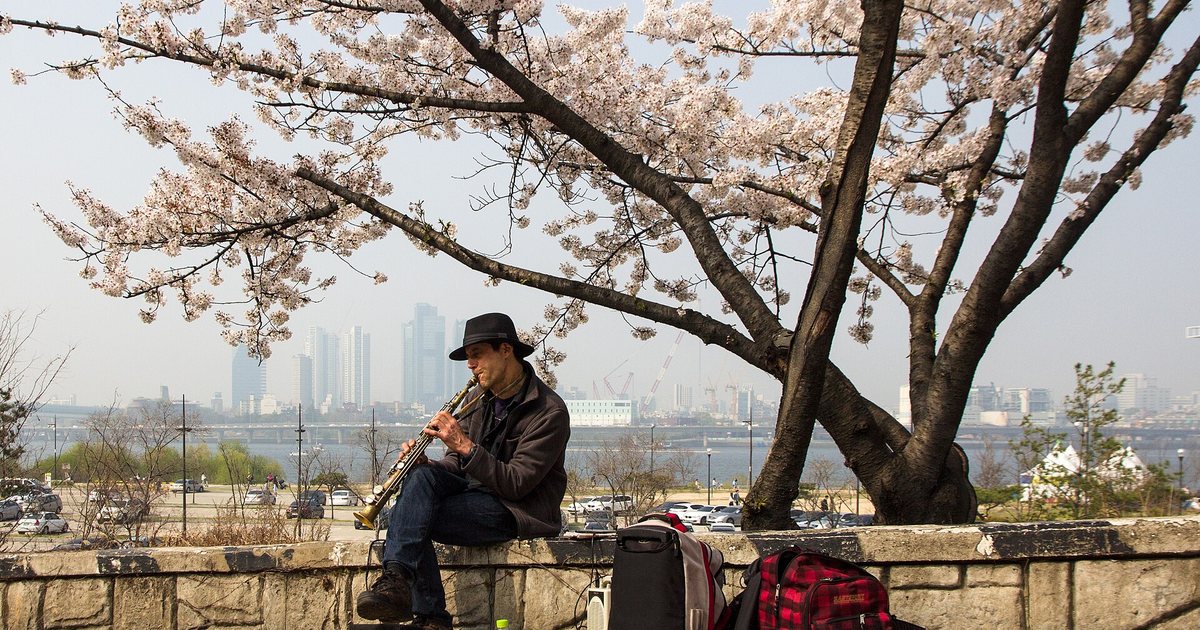
11 min read
The best time to visit Korea comes in 2 windows: early April to mid-May, and late September to early November. Both give you mild, mostly dry days, clear skies for walking and the two big color shows: cherry blossoms in spring, red and gold maples in autumn. If you can only pick one, pick autumn. The weather holds steadier and the air is usually cleaner.
Summer and winter work too, as long as you know what you’re signing up for. Summer brings a month of monsoon rain and sticky heat. Winter brings dry, biting cold and good skiing. Two national holidays, Seollal and Chuseok, can quietly wreck a trip in any season, so check the lunar calendar before you book anything.
Key takeaways
- Autumn (roughly late September to early November) is the most reliable season: dry, mild and in full foliage color.
- Cherry blossoms move north. Jeju and the southern coast bloom first in late March, and Seoul usually follows in early April.
- The rainy season, called jangma, usually runs from late June through July. Typhoons are most likely from August into September.
- Seollal (Lunar New Year) and Chuseok (the autumn harvest holiday) sell out KTX trains and close many small shops for about 3 days.
When is the best time to visit Korea? The short answer by season
Korea has four distinct seasons, which is what most first-timers come for. Each one changes what you can do, what you wear and how crowded things get. Here’s the honest scorecard.
| Season | Months | What it feels like | Best for | Main drawback |
|---|---|---|---|---|
| Spring | Late March to May | Cool mornings, warm afternoons | Cherry blossoms, palaces, city walking | Fine dust and yellow dust days |
| Summer | June to August | Hot, humid, heavy rain spells | Beaches, festivals, night markets | Monsoon, heat, typhoon risk |
| Autumn | September to November | Crisp, dry, clear skies | Foliage, hiking, temples, food | Crowds on peak leaf weekends, Chuseok |
| Winter | December to February | Dry, very cold, wind chill | Skiing, hot food, fewer tourists | Short days, real cold, Seollal closures |
The pattern behind this table is simple. Korea sits between a huge continent and the Pacific. In winter, dry Siberian air pushes south and makes it cold. In summer, warm, wet air from the ocean brings humidity and rain. Spring and autumn are the changeover months, and that is why they’re so pleasant.
What Korea weather feels like month by month
Forecast averages only go so far. This is what each part of the year actually means on the ground, mostly for Seoul. The south (Busan, Jeju) runs a little warmer in winter, and the mountains of Gangwon Province run colder.
March to May
March still feels like late winter, so pack a proper coat. April is the turning point: blossoms, light jackets and long days outdoors. May is often the nicest month of spring, with green trees, warm afternoons and evenings that suit rooftop dinners.
June to August
June starts warm and gets humid fast. July is the wet month. In August the rain usually eases, but the heat and humidity peak, and Seoul afternoons commonly reach the 30°C range. Air conditioning is everywhere, so the subway, malls and cafés become your refuge.
September to November
Early September can still feel like summer. By October the air turns dry and clear, and Koreans call this stretch the best weather of the year. November cools quickly, and by the end of the month you’ll want a padded coat.
December to February
Seoul spends much of winter below freezing, and cold snaps can push it far lower, especially with wind off the Han River. It’s usually dry and sunny, though, so the cold looks better than it feels. January tends to be the hardest month.
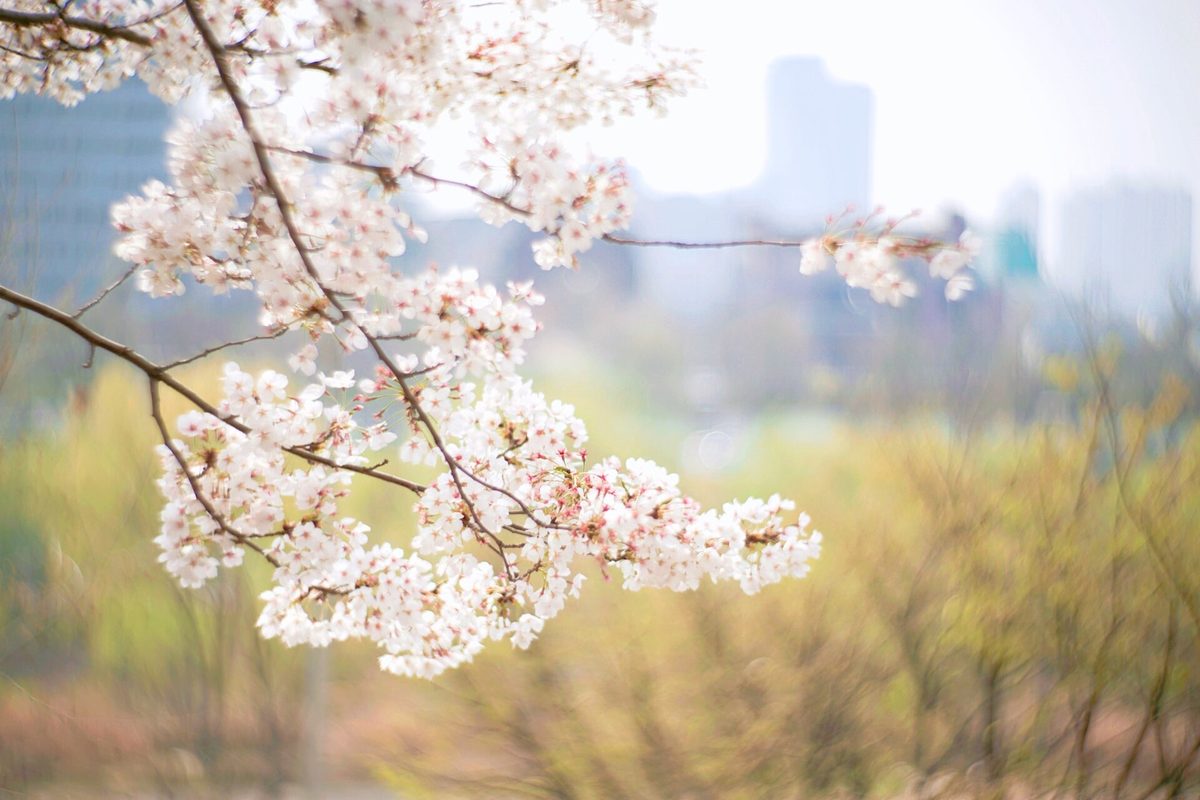
Cherry blossom season in Korea: when and where to go
Cherry blossoms, called beotkkot in Korean, are the reason many people choose spring. The trees bloom for only about a week in any one place. The good news is that the bloom travels, so you can follow it.
Where blossoms open first
The front starts in the south. Jeju Island and the southern coast, including Busan and Jinhae (home to Korea’s best-known blossom festival, Jinhae Gunhangje), usually bloom in late March. Seoul typically follows in early April, and the mountainous northeast comes later. In Seoul, the classic spots are the Yeouido riverside roads, Seokchon Lake in Songpa and the grounds of the palaces.
How to time it without guessing
Bloom dates move every year with the weather, so don’t book around last year’s photos. Korean forecasters publish blossom forecasts by city in late winter, and the Korea Tourism Organization’s official VisitKorea site shares festival dates once they’re set. If your dates are fixed, start in the south and work north. That gives you two chances at peak bloom instead of one.
The spring catch: fine dust
Spring is also the season for misemeonji (fine dust) and hwangsa (yellow dust blown in from inland deserts). On bad days the sky goes hazy and locals wear masks. Check an air-quality app each morning. KF94 masks, a Korean filtration grade similar to N95, sell at pharmacies and in every Korean convenience store. On a hazy day, switch to museums and markets and save the hikes and viewpoints for clearer skies.
Is summer a bad time to visit Korea? Monsoon, heat and typhoons
Summer isn’t bad. It’s demanding. If you’re flexible and don’t mind sweating, it has things the other seasons don’t. If you hate humidity, choose another time.
How jangma, the rainy season, works
Jangma usually reaches Jeju first, around mid to late June, then moves up the peninsula. For roughly a month, bands of heavy rain come and go. It isn’t nonstop: you’ll get dry hours and even dry days, then sudden downpours that flood streets for an afternoon. Carry a compact umbrella and shoes that can get wet, and plan indoor backups (museums, COEX Mall, a jjimjilbang, the Korean bathhouse-and-sauna complex).
Heat and typhoons in August
Once the rain front moves on, the heat takes over. August is the peak month for Korean school and work holidays, so beaches like Haeundae in Busan get packed. Typhoons can reach the peninsula from late summer into early autumn. They’re forecast days ahead, but they can cancel ferries to Jeju and outlying islands, so keep a flex day if your plan depends on boats.
What summer does well
Summer is festival season, including the Boryeong Mud Festival on the west coast, usually held in July. It’s also when Koreans eat naengmyeon (cold buckwheat noodles) and bingsu (shaved-ice dessert), and when night markets and Han River parks fill up after dark. Do your sightseeing early in the morning and in the evening, and rest through the midday heat.
Autumn foliage in Korea: the strongest season to go
If someone asks us for one month, we say October. Skies are clear, humidity drops and the hills turn red and orange. Danpung, the Korean word for autumn leaves, is a national obsession: weekend trains and highways to the mountains fill up for it.
Where the color peaks, and in what order
Foliage moves the opposite way to blossoms, from north and high ground down to the south and the cities. Seoraksan National Park on the east coast turns first, from the summit downward, usually starting in early October. Seoul’s palaces, Namsan and Bukhansan tend to peak around late October to early November. Naejangsan in the southwest, one of Korea’s most famous maple valleys, usually comes later still. National park authorities and VisitKorea post foliage updates each autumn.
Hiking is the local way to see it
Korea is a hiking country, and Seoul is ringed by mountains you can reach by subway. The South China Morning Post reports that foreign tourists are increasingly heading for Seoul’s urban mountain trails. Bugaksan along the old city wall and Inwangsan above the palaces are short, rewarding climbs. Go on a weekday if you can, because weekend trails get busy.
Palaces in autumn
Gyeongbokgung and Changdeokgung look their best framed by gingko and maple. Many visitors rent a hanbok, the traditional Korean dress, for photos. Our hanbok rental guide for Seoul covers which palaces let hanbok wearers in for free and the rules to know.
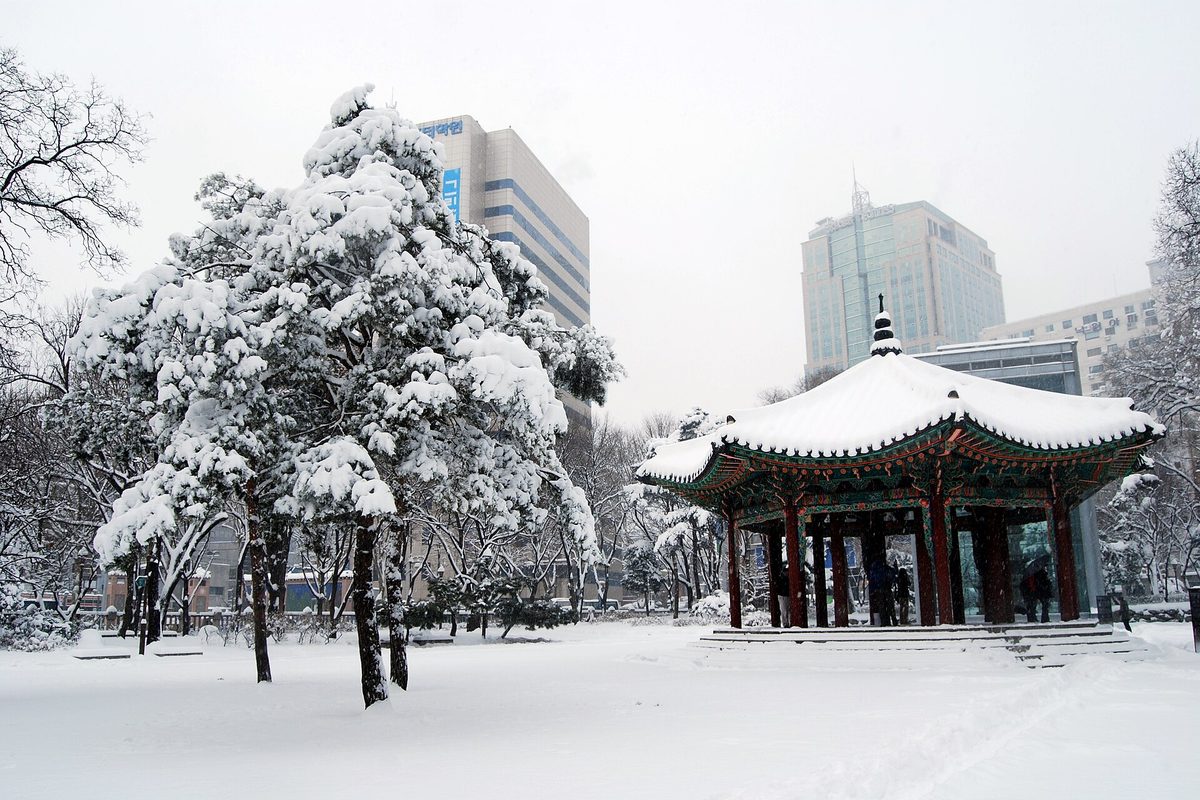
Visiting Korea in winter: snow, skiing and real cold
Winter is the season people underrate. Crowds thin out, the skies are often bright blue, and Korean food comes into its own: bubbling jjigae (stews), street-cart hotteok (syrup-filled pancakes) and fish-shaped bungeoppang.
Does it snow in Seoul?
Sometimes, but not reliably. Seoul’s winter is mostly dry, so snow comes in a few light falls rather than a lasting white cover. For dependable snow, go east to Gangwon Province, where the Pyeongchang area hosted the 2018 Winter Olympics and ski resorts usually run from about December into March.
How to dress for it
Dress for wind chill, not the thermometer. Koreans live in long padded coats, thermal base layers and heat packs, which you can buy cheaply at any convenience store. Buildings and subway cars are well heated, so wear layers you can take off. If you plan to hike, ice can linger on shaded trails, and many locals carry slip-on crampons.
Winter festivals
Gangwon towns hold ice-fishing festivals in January on frozen rivers, and Seoul’s downtown streets light up for the holidays in December. Christmas is a public holiday in Korea and feels more like a couples’ date night than a family day, so expect busy restaurants.
Korean holidays that affect travel: Seollal, Chuseok and more
Holidays matter more than weather for many trips. The two big ones follow the lunar calendar, so their dates shift each year.
| Holiday | When | What happens | Travel impact |
|---|---|---|---|
| Seollal (Lunar New Year) | Late January or February, about 3 days | Families gather in hometowns | Trains and buses sell out, small restaurants and markets close |
| Children’s Day | May 5 | Family outings | Parks, zoos and theme parks crowded |
| Buddha’s Birthday | Lunar date, usually May | Lantern displays at temples, Seoul’s Lotus Lantern Festival | Busy temples, worth seeing |
| Summer holiday peak | Late July to mid-August | Korean vacation season | Beaches and resorts packed |
| Chuseok (harvest festival) | September or early October, about 3 days | Hometown visits, ancestral rites | Same as Seollal: transport sells out, many shops shut |
Other public holidays, including Liberation Day (August 15), National Foundation Day (October 3) and Hangeul Day (October 9), create long weekends that fill domestic hotels, especially when the government adds substitute holidays. That matters most in October, the peak travel month. Check Korea’s official public holiday calendar before you fix your dates.
How to pick your month: a worked example
Say you’re flying in from Europe or North America with 10 days and you want city life plus fall color. Here’s how we’d plan it.
- Choose the window. Late October gives you the best chance of foliage in both Seoul and the south.
- Check the calendar. Make sure Chuseok has passed and no long weekend lands on your train days.
- Start high, then move south. Spend 2 days near Seoraksan or another Gangwon park while the upper slopes are still colored. Then take 4 days in Seoul as its palaces peak, and finish with Gyeongju and Busan, where the leaves turn later.
- Book the anchors early. Reserve KTX seats and hotels near Seoraksan first, because those sell out on foliage weekends.
- Keep one flex day. Use it for a rainy day or a sudden peak somewhere on your route.
For a spring trip, flip it: start in Busan or Jinhae at the end of March and travel north to Seoul as the blossoms open. Moving with the season beats sitting in one city and hoping your week lines up.
You won’t have Korea to yourself in either season. Seoul’s city government reported that international visitors spent KRW 8.84 trillion in Seoul in the first nine months of this year, already more than in all of last year. Popular seasons will keep getting busier, so book early.
FAQ
What is the cheapest time to visit Korea?
Demand is usually lowest in the cold months of January and February, outside the Seollal holiday, and during the rainy weeks of early summer. Fares and room rates change constantly, so compare them on airline and hotel sites for your exact dates. Avoid Chuseok, Seollal and peak foliage weekends if cost is your priority.
When is cherry blossom season in Korea?
Blossoms usually open in late March on Jeju and the southern coast and in early April in Seoul. Each spot peaks for only about a week, and the dates shift each year with the weather. Check the official blossom forecasts that come out in late winter before you book.
When is the rainy season in Korea?
Jangma, the monsoon, usually runs from late June through July, reaching Jeju first and then moving north. Rain comes in heavy bursts rather than all day, every day. August is drier but hotter, and typhoons are possible into September.
Is October a good time to visit Korea?
Yes. October is the best month for most travelers, with dry, clear weather and foliage in the mountains. Watch for Chuseok, which sometimes falls in early October, and for the long weekends around October 3 and October 9.
Does it snow in Korea in winter?
Snow is common in the mountains of Gangwon Province, which is where the ski resorts are. Seoul gets occasional light snow, but its winter is mostly dry and cold. If snow is the point of your trip, base yourself near Pyeongchang or another Gangwon resort.
Should I avoid traveling during Chuseok or Seollal?
Avoid traveling between cities on those days unless your train tickets are already booked. Staying put in Seoul can actually be pleasant, because the city empties and the big sights stay open. Just expect closed family restaurants and markets, and confirm each venue’s opening days in advance.
What to check before you book your Korea trip
Start with the lunar holidays. Find this year’s and next year’s Seollal and Chuseok dates on Korea’s official public holiday calendar, then build your trip around them. Next, look at the VisitKorea site for blossom or foliage forecasts and festival dates, which usually appear a few weeks before each season.
Once your dates are fixed, book KTX seats through Korail and any national park lodging first, because those are the bottlenecks. Then pack for the season you chose: an umbrella and quick-dry shoes for July, a padded coat for January, and an air-quality app and a few KF94 masks for April.
Related reading
Sources k-korea.blog · news.google.com
Prices, opening hours and availability change. Check the official page before you buy or travel.