11 min read
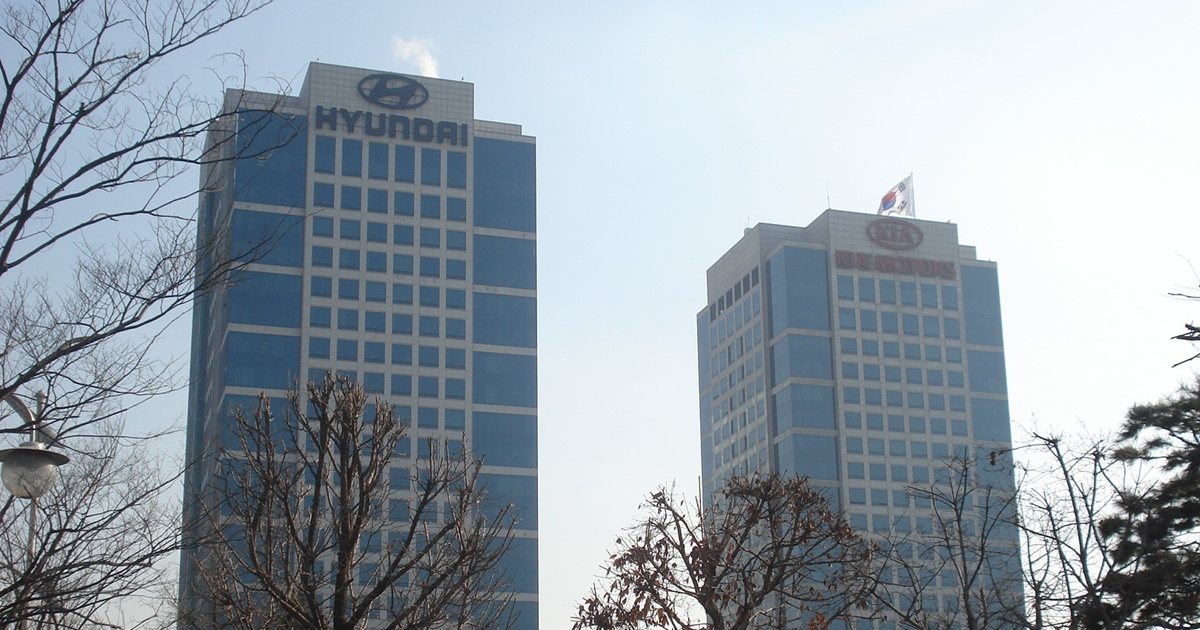
Is Kia owned by Hyundai? Yes. Hyundai Motor bought Kia in 1998 and still owns roughly a third of it. The two are sister companies inside Hyundai Motor Group (현대자동차그룹). They share engines, platforms and parts, but Kia (기아) still runs as its own brand with its own designers, its own dealers and its own stock listing.
For you, that means a Kia Sportage and a Hyundai Tucson have far more in common under the metal than the badges suggest. It also means Genesis, the luxury badge, belongs to Hyundai and not to Kia.
Key takeaways
- Hyundai Motor Company holds roughly one-third of Kia. That is enough for control, but Kia is not a wholly owned subsidiary and trades separately on Korea’s stock exchange.
- The deal goes back to 1998, when Hyundai won the auction for Kia after it collapsed in the 1997 Asian financial crisis.
- Genesis is Hyundai’s luxury brand. It became a standalone marque in 2015, and Kia has no claim to it.
- The Hyundai Ioniq 5, Kia EV6 and Genesis GV60 all sit on the same E-GMP electric platform, which shows how much the group shares.
Is Kia owned by Hyundai? How the one-third stake works
Hyundai Motor Company (현대자동차) is Kia’s largest shareholder, with a stake of roughly a third. That falls short of a majority. In practice it gives Hyundai control, because the remaining shares are spread across pension funds, foreign institutions and retail investors, and none of them comes close to Hyundai’s block. Hyundai sets strategy and shapes who runs Kia.
Kia is still a separate listed company. Its shares trade on the KOSPI (the Korea Composite Stock Price Index, the country’s main stock board) under the code 000270, apart from Hyundai Motor’s 005380. Kia reports its own earnings, its own sales and its own dividends, and it keeps its own board.
The circular shareholding that ties the group together
The ownership runs in a loop, a structure Koreans call circular shareholding. Hyundai Mobis (현대모비스), the group’s parts and modules maker, is a major shareholder of Hyundai Motor. Hyundai Motor owns a large slice of Kia. Kia in turn owns a sizeable stake in Hyundai Mobis. The founding Chung family sits on top of the loop through its own holdings in Mobis, Hyundai Motor and other affiliates.
The loop lets a family with a fairly small direct stake steer the whole group. Investors and regulators have criticized structures like this for years, which is why every group reshuffle plan gets close attention. Exact percentages change with buybacks, share sales and restructuring, so get current figures from the companies’ filings on DART, Korea’s official corporate disclosure system.
Who runs Hyundai Motor Group?
Hyundai Motor Group is a chaebol, a family-controlled Korean conglomerate (our guide to chaebol families explains how they work). Chung Ju-yung founded the original Hyundai Group. His son Chung Mong-koo led the car business after it split from the wider Hyundai Group in 2000, and his grandson Chung Eui-sun became group chairman in 2020.
How did Hyundai buy Kia? The 1998 rescue explained
Kia is the older company, which surprises many people. It was founded in 1944 as Kyungsung Precision Industry, a maker of steel tubing and bicycle parts in Seoul. In 1952 it took the name Kia Industries. It went on to build Korea’s first domestically made bicycle, then motorcycles and trucks under licence from Honda and Mazda. The name is usually read from Chinese characters meaning roughly “rising out of Asia.”
Hyundai Motor arrived in 1967. Its breakthrough was the Pony of 1975, Korea’s first mass-produced car of its own, styled by Italdesign Giugiaro and powered by a Mitsubishi engine. For the next two decades the two companies were straightforward rivals.
Kia’s partners in that era were Ford and Mazda. The Kia Pride, based on the Mazda 121, was sold in the US as the Ford Festiva, and Ford held a minority stake in Kia. Then the 1997 Asian financial crisis hit. Korea’s heavily borrowed conglomerates were exposed, Kia went under with large debts, and its assets were put up for auction. In 1998 Hyundai won, beating rival bidders including Ford.
Hyundai started out with a much bigger share of Kia. That stake was cut to around a third as Kia recovered and its share base changed over the following years.
How Kia went from rescue case to design brand
For years after the takeover, Kia was the budget brand. That changed in 2006, when it hired Peter Schreyer, a designer from Audi. He gave Kia the “tiger nose” grille, a consistent face across the range that made the cars look like a family. Models like the Soul, the Optima (later K5) and the Stinger gave the brand a sportier, younger image than its parent’s. In 2021 Kia Motors dropped “Motors” from its name and became simply Kia, with a new logo, to signal a move beyond conventional cars.
Hyundai vs Kia: same company or competitors?
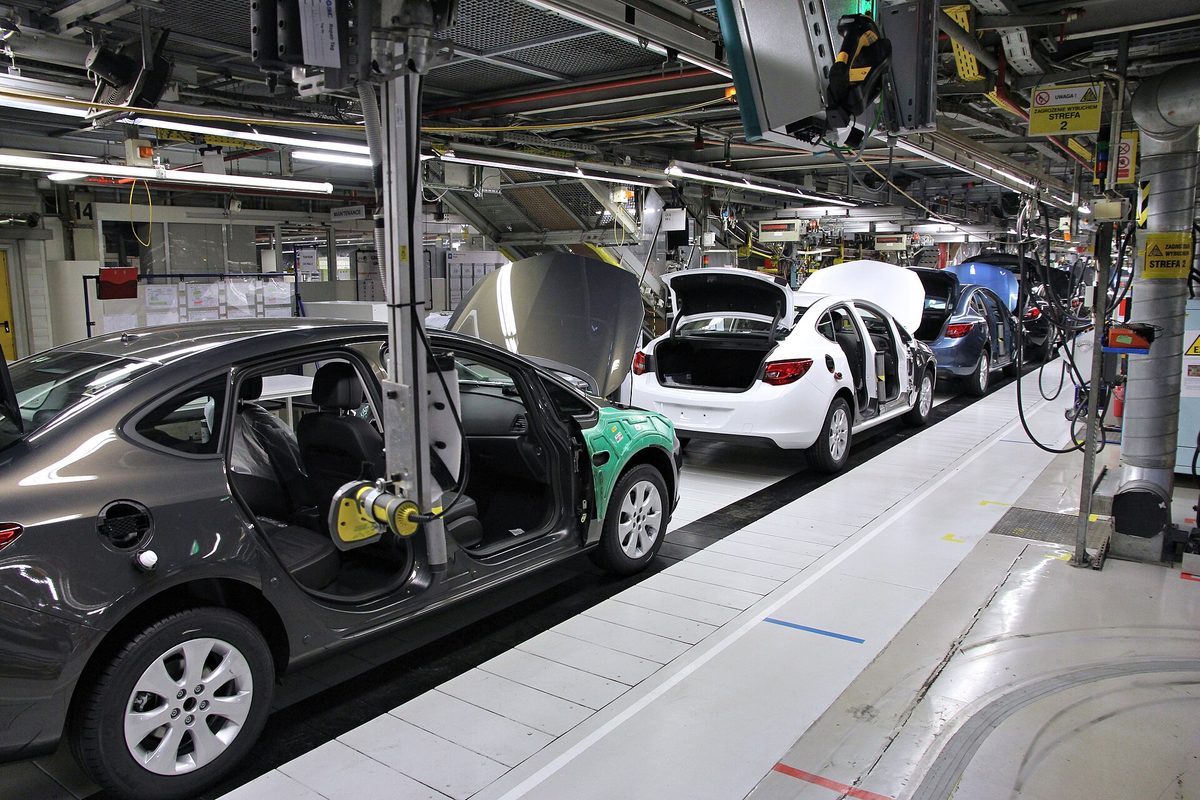
Both, and that is deliberate. Inside the group, Hyundai and Kia share the expensive things: vehicle platforms, engines, transmissions, electronics, parts purchasing and much of their engineering. The group’s main research hub, the Namyang R&D center in Hwaseong south of Seoul, develops technology for both brands.
Customers see a different side. Kia and Hyundai each run their own design studios, marketing, ad campaigns and dealer networks. In most countries a Hyundai dealer won’t do warranty work on a Kia, and the reverse is also true. On the showroom floor they compete hard for the same buyers.
Why keep two brands at all?
Scale is the reason. One platform paying for two cars cuts development cost per vehicle. Two brands also give the group two shots in every segment, twice the dealer space and two personalities to sell. Broadly, Hyundai plays the mainstream role, Kia leans sportier and more design-led, and Genesis covers luxury. Volkswagen does the same thing with Volkswagen, Skoda and Audi, and Toyota with Toyota and Lexus.
| Brand | Who owns it | Role in the group | Known for | Stock listing |
|---|---|---|---|---|
| Hyundai (현대) | Hyundai Motor Company | Core mainstream brand | Ioniq EVs, Tucson, Santa Fe, Elantra | KOSPI 005380 |
| Kia (기아) | Kia Corporation, about one-third owned by Hyundai Motor | Sister brand, sportier and design-led | Tiger-nose grille, EV6, Sportage, Telluride | KOSPI 000270 |
| Genesis (제네시스) | Hyundai Motor Company (a division) | Luxury brand | G80, G90, GV70, GV80 | None of its own (part of Hyundai Motor) |
Which Hyundai and Kia models share platforms?
Most of them have a twin in the other showroom. The pairs below are the best known. Names and line-ups differ by country, and model generations don’t always line up, so check the brand’s official site for your market.
| Segment | Hyundai | Kia | Genesis | What they share |
|---|---|---|---|---|
| Compact sedan | Elantra | Forte (K3 in Korea) | None | Platform, engines, much of the electronics |
| Midsize sedan | Sonata | K5 (formerly Optima) | None | Platform and powertrains |
| Compact SUV | Tucson | Sportage | None | Platform, petrol and hybrid powertrains |
| Midsize SUV | Santa Fe | Sorento | None | Platform and powertrains |
| Three-row SUV | Palisade | Telluride | None | Platform and V6 engine family |
| Electric | Ioniq 5, Ioniq 6 | EV6, EV9 | GV60 | E-GMP dedicated EV platform, battery and motor tech |
What is shared and what isn’t
The hidden parts are shared: floor structure, suspension layout, engines (much of the line-up uses the group’s Smartstream engine family), transmissions, wiring, many switches and a lot of the infotainment software. What you can see and feel is mostly separate. Body panels, interiors, seats, suspension tuning, feature packaging and pricing are set by each brand.
Are Kias just rebadged Hyundais?
No. Badge engineering means putting a new logo on the same car, as Ford did with the Kia Pride. A Sportage and a Tucson have different sheet metal, different cabins and different driving setups. Think of them as siblings from the same parents, not one car wearing two names.
Is Genesis owned by Hyundai or Kia?
Genesis belongs to Hyundai. It began as a model name: the Hyundai Genesis sedan launched in 2008 to test whether buyers would pay luxury money for a Hyundai. In 2015 the company made Genesis a standalone brand, opening with the G90 flagship (sold in Korea at first as the EQ900).
The range has since grown to sedans (G70, G80, G90), SUVs (GV70, GV80) and electric models such as the GV60. It sits on Hyundai and group hardware, with its own design and higher equipment levels. The closest comparison is Lexus, Toyota’s luxury arm.
Kia never got a luxury brand of its own. It tried going upmarket with the K900 sedan and the Stinger sports sedan, but under the Kia badge. In some countries Genesis has its own showrooms and in others it sells through Hyundai dealers, so check the Genesis site for your country.
What else does Hyundai Motor Group own?
Cars are the center of the group, but the affiliates reach well beyond showrooms. Many of them supply Hyundai and Kia, which is a big part of why the group can build two brands so efficiently.
- Hyundai Mobis: modules, parts and after-sales spare parts for both brands, and a key link in the ownership loop.
- Hyundai Steel: steel, including automotive sheet steel.
- Hyundai Glovis: logistics, including the car-carrier ships that move Hyundai and Kia vehicles overseas.
- Hyundai Transys and Hyundai Wia: transmissions, seats and other drivetrain components.
- Hyundai Rotem: trains and defence vehicles, including the K2 tank.
- Hyundai Engineering & Construction: building and infrastructure.
- Hyundai Capital: car loans and leasing.
- Boston Dynamics: the US robotics firm behind the Spot robot dog, in which Hyundai took a controlling stake in 2021.
Not every Hyundai is the car Hyundai
What Hyundai owning Kia means for car buyers
The shared ownership changes how you should shop. A Kia and its Hyundai twin come from the same engineering pool, so judge them on what actually differs: design, cabin, features for the money, ride and the dealer near you.
Reliability and recalls travel together
When an engine or part is shared, a problem can be too. The best-known case is the Theta II engine. In the US its recalls covered models from both brands. Before you buy new or used, run the vehicle identification number through the NHTSA recall lookup in the US, or your national regulator elsewhere. If a fault hits a Hyundai model, check whether the Kia twin uses the same component.
Do Hyundai and Kia have the same warranty?
In the US both brands have long advertised a 10-year/100,000-mile limited powertrain warranty for original owners, with shorter cover for second owners. Other countries get different terms, and the details change, so read the warranty page on the brand’s official site for your country before you compare.
A worked example: Tucson or Sportage?
Say you’re choosing between a Hyundai Tucson and a Kia Sportage from the same generation. Under the skin they share a platform and broadly the same engine and hybrid options, so don’t expect a big difference in mechanical reliability or fuel use from the same powertrain. Do this instead:
- Line up the trims at the same price and list what each one includes.
- Sit in both. Cabin layout, seat comfort and cargo shape are where they really differ.
- Drive both on the same road. Suspension tuning and steering feel are set by each brand.
- Compare the service departments nearest to you, because you’ll see them more than the salesperson.
- Check resale values in your own market, since the two brands hold value differently from country to country.
Parts and repairs
Shared hardware makes life easier for owners. Many mechanical parts come through Hyundai Mobis for both brands, and independent mechanics who know one brand usually know the other. Body panels, trim and interior parts are brand-specific, so a crash repair is no cheaper just because the cars are related.
Can you invest in Hyundai or Kia from abroad?
Yes, though it takes a few extra steps. Hyundai Motor (005380) and Kia (000270) both trade on the KOSPI in Seoul, and Hyundai Motor also has preferred shares listed. Hyundai Mobis (012330) is another listed group company. Buying these directly needs a broker with Korean market access. Some brokers offer depositary receipts instead, and some funds hold Korean carmakers inside wider Korea or Asia portfolios.
Korean shares react to the won-dollar exchange rate, export data and foreign investor flows, much like the chip stocks covered in our SK Hynix stock explainer. Owning Kia gives you some indirect link to Hyundai, but the two companies report separately and their shares don’t move in lockstep. This is not investment advice.
FAQ
Are Hyundai and Kia the same company?
No. They are two separate listed companies in the same group. Hyundai Motor owns roughly a third of Kia and controls it, while Kia keeps its own brand, management, dealers and financial results.
Does Hyundai own 100% of Kia?
No. Hyundai Motor’s stake is roughly one-third, which is enough for control in Korea’s corporate system. The rest of Kia’s shares are held by institutions and individual investors. Current percentages are in the companies’ DART filings.
Is Kia better than Hyundai?
Neither is better across the board, because their twin models share platforms and powertrains. The differences are design, interior, features for the price, ride tuning and dealer service. Compare specific models in your market rather than the brands.
Are Kia and Hyundai parts interchangeable?
Some mechanical parts are shared between twin models, especially engines, transmissions and many components supplied by Hyundai Mobis. Body panels, lights, trim and interior parts are brand-specific. Always match parts by part number and VIN, not by brand family.
Is Kia a Korean brand?
Yes. Kia was founded in Seoul in 1944, is headquartered in Seoul and has been part of South Korea’s Hyundai Motor Group since 1998. It builds cars in Korea and at factories abroad, including in the US state of Georgia.
Is Hyundai Motor related to Hyundai Heavy Industries?
Only historically. Both came from Chung Ju-yung’s original Hyundai Group, which split into separate groups around 2000. Today the shipbuilder belongs to HD Hyundai, a different group from the carmakers.
What to watch next with Hyundai, Kia and Genesis
The most useful thing to follow is the group’s next electric platform. E-GMP showed how one shared base can produce three quite different cars across Hyundai, Kia and Genesis, and whatever replaces it will set the shape of all three brands’ EVs. After that, look at how far Genesis expands into new markets and whether it gets its own showrooms where you live.
For the business side, watch for any move to unwind the Mobis, Hyundai Motor and Kia ownership loop. Changes would show up first in DART filings and company announcements. Robotics is the wildcard, with Boston Dynamics giving the group a foothold well outside cars.
If you’re shopping, start with the twin-model table above and test-drive both siblings. If you’re visiting Korea, Hyundai Motorstudio Goyang, a car exhibition space north-west of Seoul, works as a half-day add-on to a first-time Seoul itinerary. Check opening days and booking rules on its official page before you go.
Related reading


Sources dart.fss.or.kr · k-korea.blog · nhtsa.gov
Prices, opening hours and availability change. Check the official page before you buy or travel.