12 min read
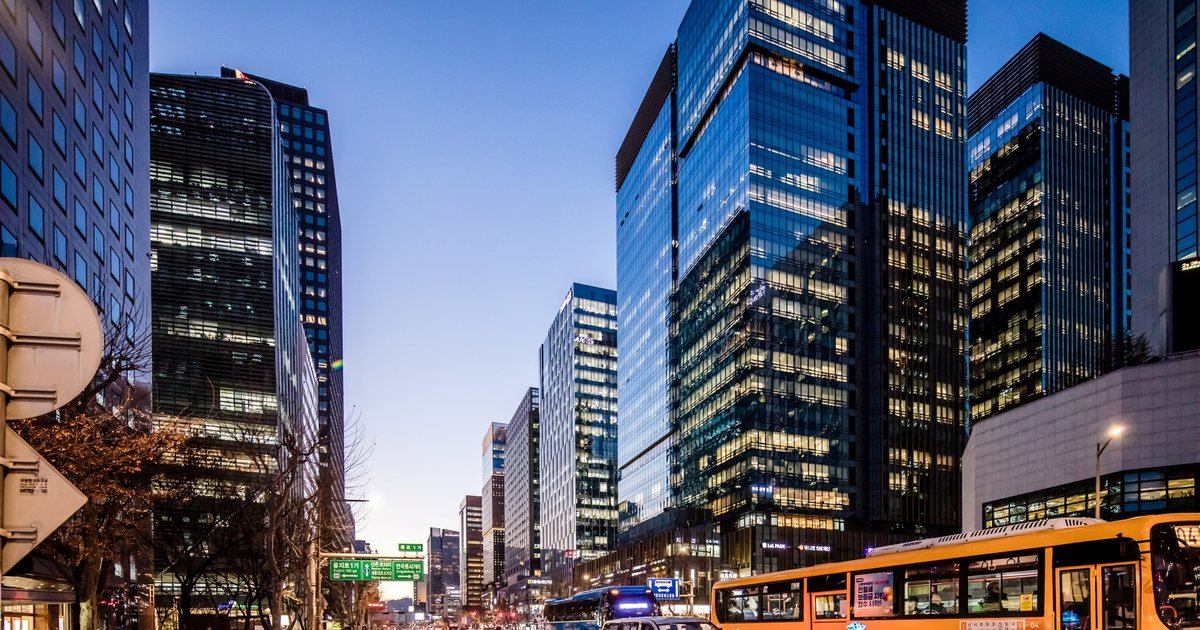
Is Korea safe to travel? Yes. Violent crime is rare, and 3 numbers (112, 119, 1330) cover emergencies. South Korea is one of the easiest countries in Asia to visit alone, at night or for the first time, and the things that actually go wrong for visitors are everyday ones: fast traffic, scooters on sidewalks, spiked drinks in club districts and the odd taxi overcharge.
Below you’ll find what each risk looks like on the ground, how Koreans deal with it, and what to set up on your phone before you land.
Key takeaways
- Dial 112 for police and 119 for fire or an ambulance. Both can bring an interpreter onto the call.
- 1330 is the Korea Travel Hotline, run by the Korea Tourism Organization (the government tourism agency). It answers in English and other languages around the clock.
- Traffic is your biggest physical risk. Delivery motorbikes and e-scooters use sidewalks, and cars turn right across crosswalks.
- North Korea tension rarely changes daily life in Seoul. Check your own government’s travel advisory before you fly, and give it more weight than headlines.
Is Korea safe to travel? What the risk really looks like
A few structural facts keep South Korea safe. Private citizens can barely own guns, so gun crime is almost unheard of. Cameras cover subway stations, bus stops, shopping streets and most residential alleys, and Koreans know it. On top of that, city life runs late, so there are people around at hours when streets in many Western cities empty out.
You see this in small habits. People leave a laptop on a café table while they order, or reserve a seat with their phone. A lost wallet often ends up at a police box or with the station office. None of this is guaranteed (petty theft does happen, mostly in crowded markets and nightlife areas), but the baseline is calm.
Is Seoul safe at night?
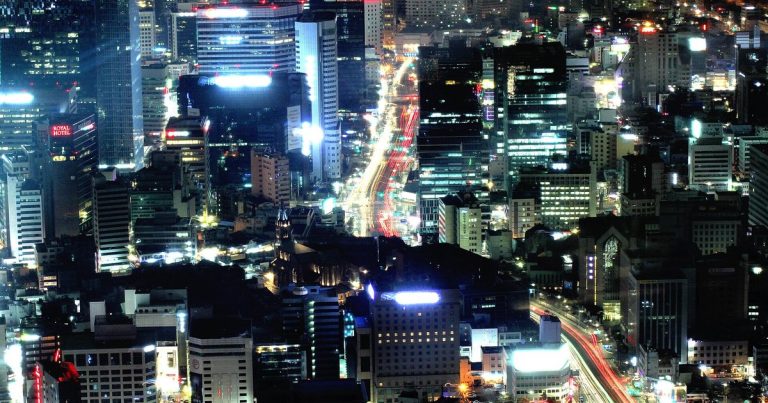
For most visitors, yes. Busy neighborhoods like Hongdae (the university and nightlife district), Myeongdong and Gangnam stay lit and crowded well past midnight. The 24-hour convenience stores (GS25, CU, 7-Eleven) on almost every block work as unofficial safe spots: bright, staffed and open.
Your bigger late-night problem is usually getting home. The subway stops running around midnight, so plan a taxi or a night bus before your last drink, not after.
Are Busan and smaller cities different?
The picture is similar in Busan, Daegu, Jeonju and Gyeongju. There’s less English signage and fewer late-night taxis in quiet areas, so the fix is practical: keep a map app and a ride-hailing app on your phone (more on those below) and you’re in good shape.
Is Korea safe for solo female travelers?
Generally, yes. Plenty of women travel Korea alone, walk home after dinner and take taxis at night without trouble. The specific risks differ a little from other destinations, though, so it helps to know them.
Hidden cameras and illegal filming
Illegal filming, called molka (몰카, short for hidden camera) in Korea, is a recognized problem that Korean authorities have spent years cracking down on. In practice: in public restrooms, changing rooms and cheap motels, glance for odd holes or devices aimed at the toilet or shower. Phones sold in Korea also play a camera shutter sound that users can’t switch off, a long-standing measure against covert photos.
Getting home late
Book taxis through an app rather than flagging cars on a dark street, because the app logs the car, driver and route. Send that trip screen to a friend. If you stay in a guesthouse, choose one with a door code or front desk, and check the reviews for comments about the area at night.
Unwanted attention
Crowded subway cars at rush hour are where groping complaints tend to come from. If it happens, move, say “Hajimaseyo” (하지마세요, “stop it”) loudly, and report it to station staff or 112. Korean bystanders tend to step in when someone makes it clear something is wrong.
The 7 real risks for travelers in Korea
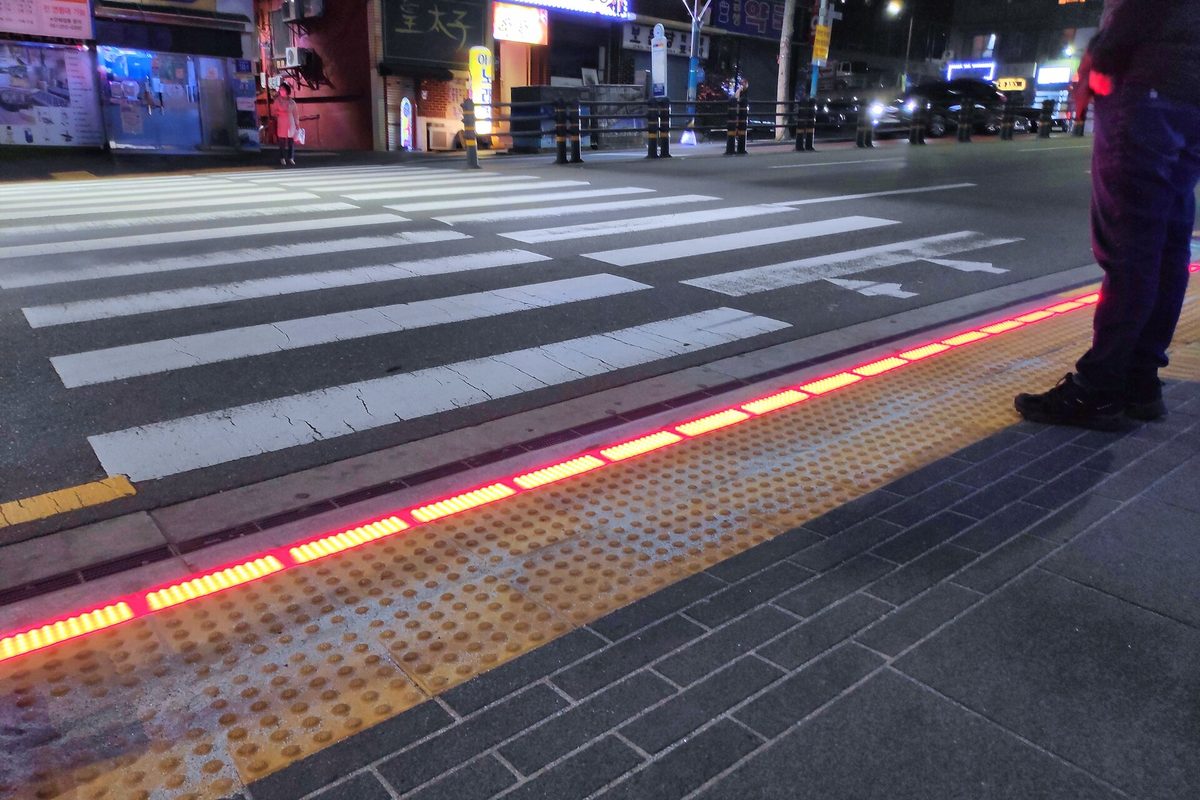
If something goes wrong on a Korea trip, it’s far more likely to be one of these than a crime. Here they are side by side, with the fix for each.
| Risk | Where you’ll meet it | What to do |
|---|---|---|
| 1. Cars turning through crosswalks | Intersections everywhere, especially right turns | Look before you step off, even on a green walk signal |
| 2. Scooters and delivery bikes on sidewalks | Alleys, shopping streets, university areas | Walk predictably and keep earbuds low in narrow streets |
| 3. Crowd crush at big events | Festivals, Halloween, New Year, concerts | Avoid narrow alleys at peak hours and leave early |
| 4. Drink spiking | Clubs and bars in Itaewon, Hongdae, Gangnam | Watch your drink, never accept one you didn’t see poured |
| 5. Taxi overcharging | Airports, tourist areas, late at night | Use an app or official taxi stand and make sure the meter is on |
| 6. Hidden cameras | Public restrooms, cheap motels, changing rooms | Quick visual check, report anything odd to 112 |
| 7. Weather and air quality | Summer heat and typhoons, spring fine dust, winter ice | Check the forecast and air index daily |
Why traffic tops the list
Korea drives on the right, and cars often turn right while pedestrians are crossing. Drivers expect you to wait. Many residential side streets have no sidewalk at all, so cars, people and motorbikes share the same lane. Treat every alley like a road.
Scooters and delivery bikes
Food delivery is enormous in Korea, and riders on motorbikes cut along sidewalks to save time. Shared electric kick scooters (rented by app, then left on corners) add to it. Neither is malicious, but both are fast and quiet. Don’t step sideways suddenly on a busy sidewalk, and if you rent a scooter yourself, check the app’s rules on licenses and helmets first.
Crowds at festivals and holidays
Korea learned this the hard way. In the 2022 Halloween crowd crush in Itaewon, more than 150 people died in a narrow sloping alley. Crowd management at big events has tightened since, but the lesson is yours to apply too. If a street is so packed you can’t move freely, get out early, head for wide streets, and skip the alley shortcut.
Drink spiking and nightlife safety in Itaewon, Hongdae and Gangnam
Korean nightlife is mostly good-natured. People drink soju (a clear, cheap Korean spirit, usually around the strength of strong wine) at a fast pace and go to second and third rounds. Drunk people asleep on benches is a common sight, and most of the time nobody bothers them.
Clubs are the exception to watch. Drink spiking in big club districts has made Korean headlines, and travelers are easy targets because they don’t know the venue or the crowd.
- Order your own drinks and watch the bartender pour them.
- Don’t leave a glass on the table while you dance. Finish it or get a new one.
- Go with someone and agree on a meeting point and a time to leave.
- If you feel suddenly very drunk after very little, tell staff or a friend at once and call 119.
A worked example: leaving Hongdae at 1am
Say you’re three hours into a night out in Hongdae and the subway has stopped. Here’s the safe sequence.
Step outside to a main road, open your ride-hailing app, and book a car to your hotel’s address copied in Korean. Screenshot the car number and send it to your travel partner. If no car is coming because of late-night demand, walk to a lit convenience store and wait inside rather than at a dark corner. The whole thing takes ten minutes and removes most of what can go wrong.
Common scams in Korea and how to avoid them
Korea has fewer tourist scams than many big destinations, but a handful come up again and again.
Taxi overcharging
The classic one is an unlicensed driver at the airport or outside a nightlife area offering a flat fare. Skip them. At Incheon Airport, use the official taxi stands, and in town use Kakao T (Korea’s main taxi app, which has an English mode) so the route and fare are logged. Note that Korean taxis add a legitimate late-night surcharge, so a higher meter after midnight isn’t automatically a scam. A meter that’s switched off is.
Friendly strangers with a “survey”
Around tourist sights and subway exits, you may be approached by polite people who compliment your face, mention your ancestors or good fortune, or ask you to fill in a quick survey. These approaches can end with an invitation to a ceremony or a request for money. A smile and a firm “No thanks” while you keep walking is all it takes.
Fake tickets and online rentals
Concert and fan meeting tickets resold on social media are a common way to lose money. Buy only from the official ticketing site named by the organizer. For short-term rentals, pay through the booking platform, never by a direct bank transfer to a stranger.
Is it safe to visit South Korea with North Korea next door?
This is the question most Americans ask first, and the calm answer is that daily life in South Korea carries on normally through almost every round of tension. The Korean War stopped with an armistice (a ceasefire agreement) in 1953, not a peace treaty, so the two Koreas are technically still at war. Our explainer on why the 1953 truce never became peace covers the history.
North Korean missile tests make international news, but they usually fly into the sea and don’t disrupt life in Seoul. Koreans in Seoul tend to treat them as background noise, and shops, subways and flights keep running.
What you might notice as a visitor
- Civil defense drills. South Korea holds periodic nationwide drills with sirens. If one happens during your trip, locals will barely react, and you can follow them.
- Emergency alert texts. Korean phones and many roaming phones receive government alerts, often in Korean only, for heat waves, heavy rain, earthquakes or security. Paste one into a translator if it lands.
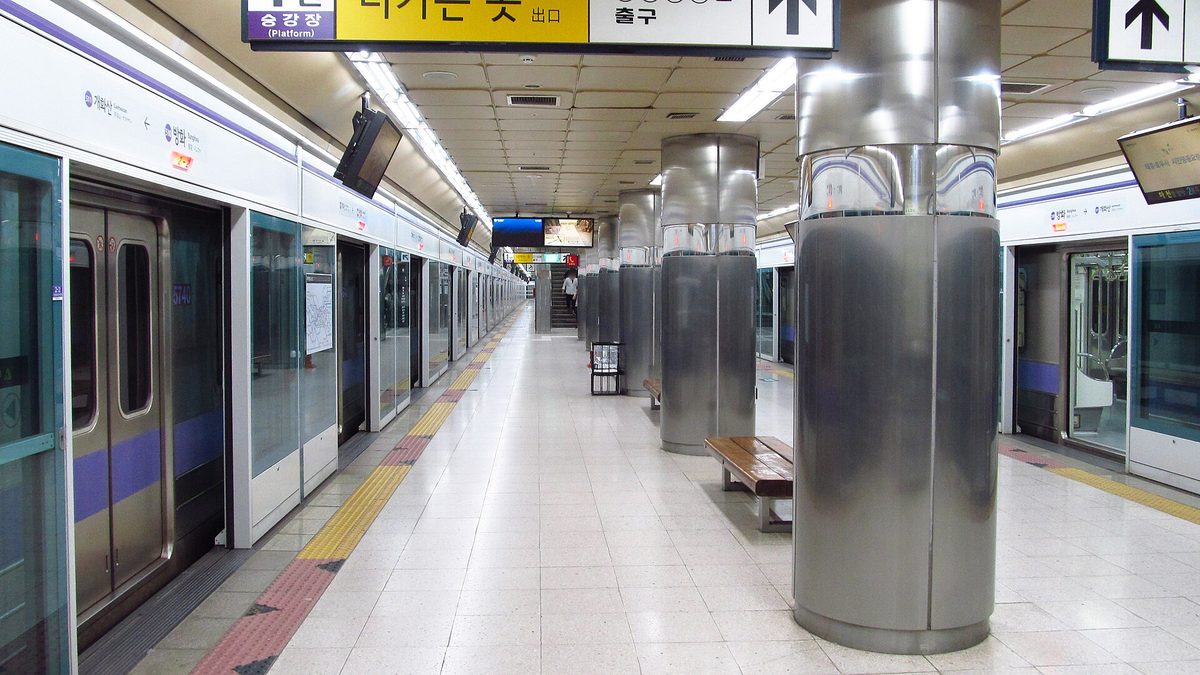
- Shelter signs. Many subway stations and large basements are designated shelters, marked with a sign at the entrance.
How to stay informed without worrying
Your government’s travel advisory is the best single source, because it’s updated when conditions actually change. US travelers can check the State Department’s travel site, and UK travelers the UK Foreign Office’s South Korea advice. US citizens can also enroll in the State Department’s STEP program to receive embassy alerts. The Korean government’s Emergency Ready App, from the Ministry of the Interior and Safety, shows nearby shelters and safety alerts in English.
Visiting the DMZ (the Demilitarized Zone, the buffer strip along the border) is possible only on organized tours run by approved operators. Tours can be cancelled at short notice, and you’ll be told to follow strict rules on photos and movement there. Do what the guide says.
Emergency numbers in Korea: 112, 119 and 1330
Save these before you fly. All are free to dial from a Korean number, and the emergency lines can connect an interpreter.
| Number | What it’s for | When to call it |
|---|---|---|
| 112 | Police | Theft, assault, harassment, spiking, hidden cameras, any crime |
| 119 | Fire and ambulance | Medical emergencies, fires, accidents, rescue |
| 1330 | Korea Travel Hotline | Interpretation, travel info, taxi or shop disputes, general help |
| 1345 | Immigration Contact Center | Visa, entry and stay questions |
| Your embassy | Consular help | Lost passport, arrest, serious emergency involving you |
For lost items, the Korean National Police Agency runs Lost112, an online lost-and-found search, and subway lines have their own lost property centers. Report the loss as early as possible and note the time, train or taxi details.
What to have ready on your phone
A working data connection matters more than any number, since every app below needs it. Our comparison of Korea eSIM vs SIM card vs pocket Wi-Fi helps you pick one. Then install a Korean map app (Naver Map or KakaoMap, because Google Maps directions are limited in Korea), Kakao T for taxis, and a translator. Our list of the best apps for Korea travel walks through the setup.
Health, weather and the law: the smaller risks to plan for
Weather and air quality
Korea’s summers are hot and humid, with a monsoon season called jangma (장마) bringing heavy rain and occasional flash flooding. Late summer can bring typhoons. Spring often brings fine dust, known as misemeonji (미세먼지), and yellow dust blown in from the continent, so check an air quality app and pack a mask if you’re sensitive. Winters are cold and sidewalks get icy.
Medical care
Hospital care in big cities is modern, and several large hospitals in Seoul have international clinics with English-speaking staff. Visitors pay out of pocket unless their insurance covers them, so buy travel insurance with medical cover. For minor issues, a pharmacy (yakguk, 약국, marked with a 약 sign) can help with common medicines.
Laws that surprise visitors
Korea’s drug laws are strict, and cannabis is illegal even if it’s legal where you live. Some prescription medicines common abroad are controlled in Korea too, so if you take regular medication, especially for ADHD, pain or sleep, check the rules with the Korean embassy in your country before packing it and carry the prescription.
FAQ
Is Seoul safe at night for tourists?
Yes, for most visitors. Main streets in areas like Hongdae, Myeongdong and Gangnam stay busy and lit late, and 24-hour convenience stores are everywhere. The practical risks are traffic and getting home after the subway stops, so plan a taxi app or night bus in advance.
Is South Korea safe for American tourists?
Yes. Americans visit in large numbers without problems, and South Korea is a close US ally. Check the State Department’s travel advisory before you go, and consider enrolling in its STEP alert program so the embassy can reach you.
Is it safe to take taxis in Korea?
Licensed taxis are safe and metered. The problems are unlicensed drivers offering flat fares and the occasional overcharge, so use official taxi stands or Kakao T. A late-night surcharge on the meter is legitimate, but a switched-off meter is not.
Should I worry about North Korea while visiting?
Daily life in the South rarely changes during periods of tension, and missile tests usually don’t affect travelers. Follow your government’s travel advisory, keep emergency alerts on, and know that subway stations double as shelters. That’s the same approach South Koreans take.
Is the tap water safe to drink in Korea?
Seoul’s treated tap water, branded Arisu, is meant to meet drinking standards. Most Koreans still drink filtered or bottled water out of habit, and restaurants serve filtered water for free. Bottled water is sold at every convenience store.
Do I need travel insurance for Korea?
It’s strongly advisable. Hospital care is good but you’ll pay as a visitor, and an ambulance trip or a few nights in hospital adds up fast. Check that the policy covers medical treatment, evacuation and theft.
Before you fly: a 5-minute Korea safety checklist
- Read your government’s current travel advisory for South Korea and sign up for embassy alerts.
- Save 112, 119 and 1330 in your phone, plus your embassy’s emergency line.
- Sort out mobile data, then install Naver Map or KakaoMap, Kakao T and a translator app.
- Write your hotel’s address in Korean and keep a screenshot of it for taxis.
- Check the weather and air quality for your dates, and pack for heat, rain or cold.
- If you take prescription medicine, confirm it’s allowed in Korea and bring the prescription.
Do those six things and you’ve covered almost everything that goes wrong for visitors in Korea. After that you can spend your time on what you came for: the food, the late nights and the neighborhoods, while still watching the crosswalk.
Related reading
Sources k-korea.blog · travel.state.gov · gov.uk
Prices, opening hours and availability change. Check the official page before you buy or travel.