12 min read
How to watch LCK: stream it free on 4 official channels, or book a seat at the arena in Seoul. The LCK (League of Legends Champions Korea), Korea’s top professional league for Riot Games’ League of Legends, broadcasts every match live with an English-language feed, and full replays go up on YouTube afterward. For most viewers abroad, the real obstacle is the clock: matches run on Korea Standard Time (KST, UTC+9), so you’ll need to plan around it.
This guide covers where to stream, how the season is structured, how to convert match times, how to skip spoilers and what happens when you actually walk into the arena. Schedules, ticket prices and rosters change every season, so for anything dated, the official LCK site and its social channels are the final word.
Key takeaways
- The LCK streams free on its official YouTube and Twitch channels, plus the Korean platforms Chzzk and SOOP, with an English broadcast for global viewers.
- KST is UTC+9 and never changes for daylight saving, so a 5 p.m. Seoul start falls at 3 a.m. in New York during US standard time.
- Regular-season matches are usually best-of-three and playoffs best-of-five, so a single series can take from about one hour to more than four.
- The league’s long-time home is LoL Park in Jongno, central Seoul, and tickets for big teams like T1 can go fast once sales open.
What is the LCK, and why do people abroad watch it?
The LCK is South Korea’s top-tier League of Legends competition, run by Riot Games and its Korean partners. It started in 2012 as OGN’s Champions tournament (OGN was a Korean cable gaming channel), took the LCK name in 2015 and became a franchised league in 2021. Franchising means the 10 member teams hold permanent slots: no promotion or relegation, so the same organizations return season after season.
Those organizations are mostly backed by big Korean companies. T1 is linked to SK Telecom, KT Rolster to the telecom KT, Hanwha Life Esports to the Hanwha group and Dplus KIA to the carmaker Kia. Our guide to Korean esports teams and who owns them goes through each one.
Why the global audience cares is simple. Korean teams have won the League of Legends World Championship (Worlds) more often than teams from any other region, and the LCK produced the game’s most famous player, T1’s mid laner Faker. If you want the backstory, read who Faker is and how he became the GOAT. The LCK is also known for disciplined, macro-heavy play (macro means map control, vision and objective timing rather than raw fighting), which makes it a good league to watch if you want to understand the game better.
How to watch LCK online from abroad: the official streams compared
You don’t need a subscription. Every LCK match is broadcast live for free, and the league runs a Korean feed and a global English feed. Which platform you pick mostly comes down to where you live and whether you want chat, replays or Korean commentary.
| Platform | What it is | Best for | Watch out for |
|---|---|---|---|
| YouTube (official LCK channels) | Live streams plus full match VODs and highlights | Catching up later, watching on a TV app, rewinding mid-stream | Video titles and thumbnails can reveal results |
| Twitch (official LCK channel) | Live English broadcast with chat | Watching live with the global community | Chat moves fast and spoilers fly during replays |
| Chzzk (치지직) | Naver’s live-streaming platform, launched in Korea in 2023 | Korean commentary and Korean fan chat | Korean-language interface; some features need a Naver account |
| SOOP (숲, formerly AfreecaTV) | Long-running Korean streaming site | Korean broadcasts and co-streams by Korean streamers | Korean-language interface; ads and pop-ups can be heavy |
Twitch stopped operating in South Korea in 2024, which is why Korean viewers moved to Chzzk and SOOP. That change doesn’t affect viewers outside Korea, where Twitch still carries the English broadcast. Chzzk belongs to Naver, Korea’s biggest web portal. Our Naver vs Kakao explainer has more on why Naver products are everywhere in Korean daily life.
Which LCK stream should you pick?
If you’re new, use the English feed on YouTube or Twitch. Casters explain draft picks, item choices and why a team is rotating to a certain objective, and that commentary is how most foreign fans learn the game. Once you know the teams, try the Korean broadcast even if you don’t speak Korean. The energy is different, the casters’ reactions say a lot on their own, and you’ll start picking up the terms that come up in every game.
Is the LCK available in my country?
Carriage can differ by region, and in some countries a local partner holds broadcast rights in its own language. The official LCK site and the league’s social accounts list current broadcast partners, so check there first. If the main channel looks blocked, look for a regional partner before reaching for workarounds.
How the LCK format works: splits, series and playoffs
The LCK has changed its season structure several times, so treat this as the logic of the league rather than a fixed rulebook. The official site posts the exact format each year.
Splits and the season calendar
For most of its history the LCK ran two splits a year, Spring and Summer, each with a regular season and playoffs. More recently the league has experimented with longer single-season structures divided into rounds, with qualification stages for international events built in. Whatever the labels, the year follows the same rhythm: domestic play in the first half, a qualification route to the Mid-Season Invitational (MSI, Riot’s spring international tournament), more domestic play, then a race for Worlds spots in autumn.
Best-of-three and best-of-five series
A single League of Legends game usually takes around 25 to 40 minutes, with a draft phase beforehand where teams pick and ban champions. Regular-season LCK matches are typically best-of-three (Bo3), so the first team to win two games takes the series. Playoffs and finals are usually best-of-five (Bo5). Plan for one to two hours for a Bo3 and possibly more than four hours for a full five-game playoff series, including breaks.
Playoffs, finals and international spots
Teams that finish highest in the standings move on to playoffs. The LCK has used different playoff brackets over the years, including gauntlet ladders and double-elimination formats, where a team has to lose twice before it’s knocked out. The finals are the biggest domestic event and are often staged in a larger venue than the regular arena, sometimes outside Seoul. The best LCK teams of the season earn spots at MSI and Worlds, and that’s where you see Korean teams take on China’s LPL and the Western leagues.
What time are LCK matches in my time zone?
This question decides whether you watch live or catch up the next morning. LCK matches are played in the late afternoon and evening Korea time, with weekday and weekend slots that vary by season. Check exact start times on the official schedule, which many fans add to their phone calendar.
The conversion itself is fixed, because Korea doesn’t use daylight saving time. KST is always UTC+9. The table below uses a 5 p.m. KST start purely as an example, to show how the hours shift.
| Where you are | Offset from KST | A 5 p.m. KST start is | Realistic way to watch |
|---|---|---|---|
| Tokyo, Japan (JST) | Same time | 5 p.m. same day | Live after work or school |
| Manila or Singapore | 1 hour behind | 4 p.m. same day | Live |
| Sydney (AEDT, southern summer) | 2 hours ahead | 7 p.m. same day | Live in prime time |
| London (GMT, winter) | 9 hours behind | 8 a.m. same day | Live with breakfast, or VOD at lunch |
| Berlin or Paris (CET, winter) | 8 hours behind | 9 a.m. same day | VOD after work for most people |
| New York (EST, winter) | 14 hours behind | 3 a.m. same day | VOD, spoiler-free |
| Los Angeles (PST, winter) | 17 hours behind | Midnight, start of the same day | Late-night live or VOD |
When your own country switches to daylight saving time, the gap with Korea shrinks by an hour (New York goes from 14 hours behind to 13, for example). Korea never changes, so do the maths from your side each spring and autumn.
A worked example for a viewer in Europe
Say you’re in Berlin in winter and T1 plays a Bo3 that starts at 5 p.m. KST. That’s 9 a.m. in Berlin. Two games and the draft take you to roughly 10:30 a.m.; a third game pushes it close to noon.
If you’re at work, mute YouTube notifications, avoid esports social feeds until evening and watch the full VOD at home. You’ll lose the live chat but keep the tension.
LCK co-streams, VODs and how to watch without spoilers
Co-streaming means popular streamers rebroadcast the official feed on their own channels and add their own commentary. Riot has generally allowed this for its leagues, and it’s where a lot of the LCK’s personality comes through. English-language co-streams suit casual viewers; Korean ones can be loud and very funny even without full comprehension.
For replays, the official YouTube channel posts full game VODs and shorter highlight packages. Full VODs are better for learning; highlights work when you only want the big teamfights.
How to avoid LCK spoilers
- Don’t scroll the channel page. Thumbnails and titles often name the winner. Search for the exact match title, or use a spoiler-free VOD site run by fans.
- Hide the progress bar. If a video shows two games’ worth of length, you know a third game never happened. Some viewers set the player to full screen right away to hide the timeline.
- Mute keywords. On X, Reddit and Discord, mute team names for the day.
- Skip the standings page until you’ve caught up on the week.
How to get LCK tickets and watch a match in Seoul
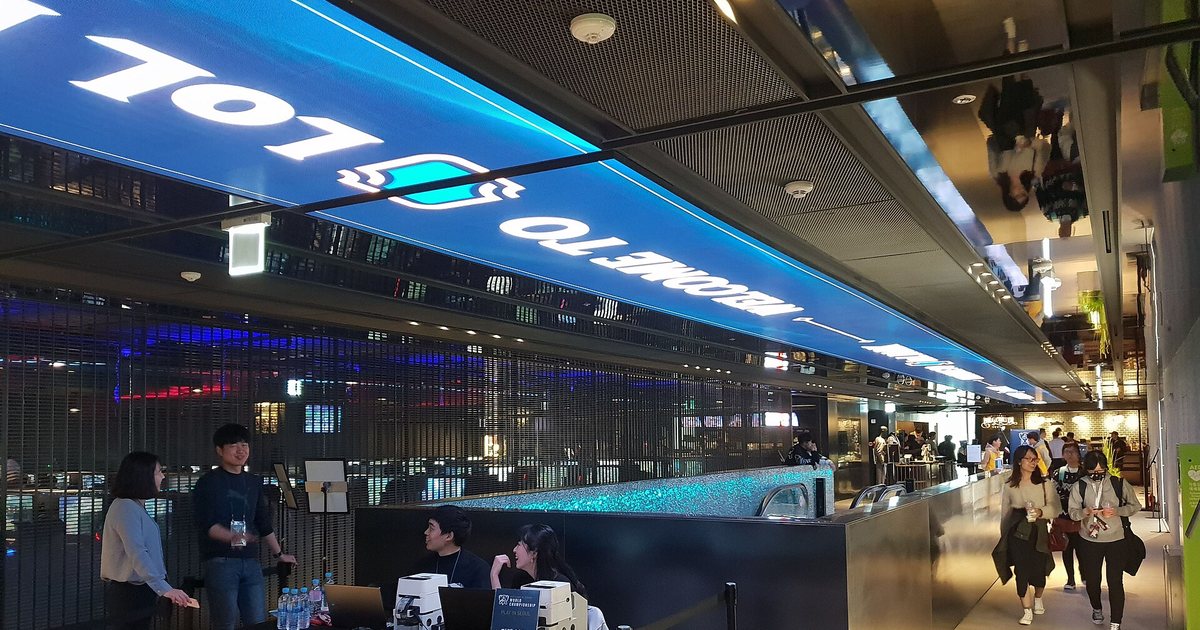
Watching in person is the best way to understand why the LCK feels different. The league’s long-time home is LoL Park, a dedicated esports arena that opened in 2018 inside a commercial building in Jongno, central Seoul. Riot has moved events to other venues before and big finals usually leave the regular arena, so confirm the venue on the official site before you book anything.
- Area
- Jongno, central Seoul, near Gwanghwamun and the old downtown
- Nearest station
- Jonggak Station (Seoul Subway Line 1) is within walking distance; check the official site for the current venue and directions
- Time needed
- Two to five hours, depending on series length and how early you arrive
- Before you go
- check opening days and fees on the official page
How LCK ticketing works
Tickets are sold online through the league’s official ticketing partner, which the LCK site links to. Sales usually open in batches ahead of each week’s matches, and seats for the most popular teams, T1 above all, can disappear within minutes. Prices and opening times differ by season and seat type, so check the official announcement for each sale.
Foreign buyers sometimes hit a wall here. Some Korean ticket sites ask for Korean phone number verification or a domestic payment card. Before sale day, check whether the partner has a global or English-language booking page, create your account in advance and test the login.
What to expect on match day
Arrive early. There’s usually a queue for entry and ticket checks, and fans gather beforehand to swap photos and buy team merchandise. Keep the ticket confirmation and your passport handy in case the name on the booking needs to be checked.
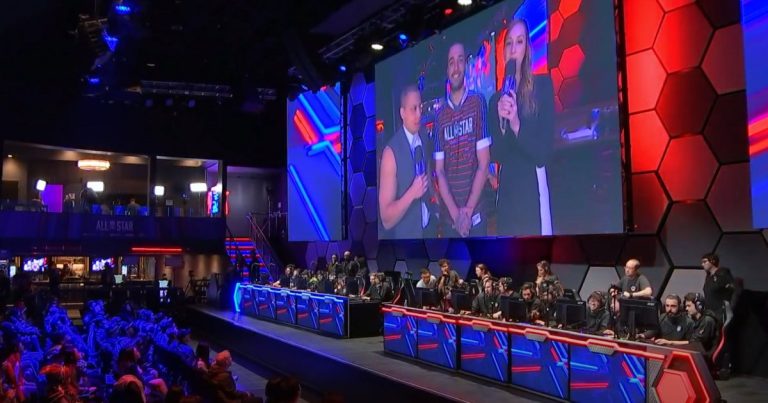
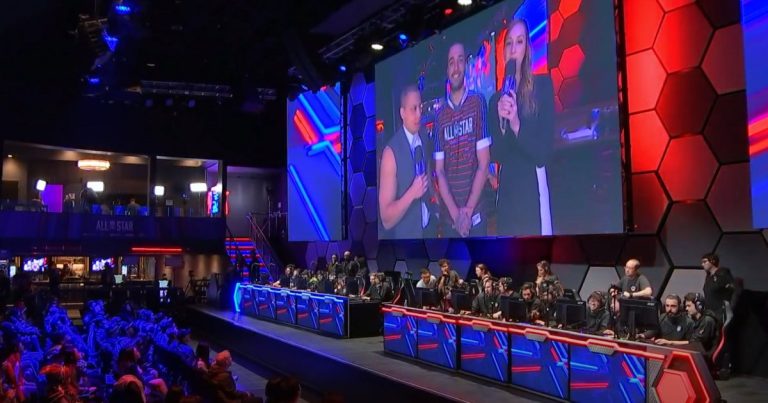
Inside, the stage is close and the sound is loud, and you see both team booths and the giant screen at once. You won’t hear the players, but you do see them react after a big play.
If you’re building a Seoul trip around a match, Jongno is an easy base. You’re near Gyeongbokgung Palace, Insadong and the subway lines that cross the city. Our guide to Korean game companies is useful context if you also want to see where the industry behind the league sits.
LCK fan culture: what happens in the arena and online
LCK crowds borrow a lot from K-pop fandom. Fans bring handmade banners and printed slogans with players’ names, wear team jerseys and cheer in coordinated chants when their team takes an objective. Rules on banner size and what you can bring in change, so check the venue notice before you make a sign.
Support also happens outside the arena. Fan groups organize birthday ads for players and gifts sent through the team, and big fan communities run their own translation accounts for interviews. Hanging around for players after a match isn’t encouraged; teams sometimes hold official fan events instead, and those are the proper place for photos and autographs.
PC bangs and viewing parties
A PC bang (PC방) is a Korean internet cafe where people pay by the hour to play games on high-end computers. They’re part of why League of Legends became so big in Korea, and on big match days some put the broadcast on screens. Outside Korea, fan communities and esports bars hold viewing parties for MSI and Worlds, which are a good way to meet other LCK fans.
Learn a few Korean esports terms
Korean commentary and chat use a lot of shorthand. Some, like the jungle or a gank (an ambush from outside a lane), are global gaming words pronounced in Korean. Others come from Korean internet slang, and our list of 50 Korean slang words with meanings covers the ones you’ll see in chat, such as ㅋㅋ for laughter.
Common mistakes first-time LCK viewers make
- Trusting an old schedule. Fan sites and old articles repeat last season’s times. Only the official schedule counts.
- Forgetting daylight saving. Korea doesn’t change its clocks, so your usual viewing time moves twice a year.
- Watching only highlights. LCK games are often decided by small gaps in vision and objective control that highlights cut out. Watch at least a few full games.
- Following only one team. The franchise system means every team plays every other one. Picking a second team to follow makes most weeks matter more.
- Buying tickets on the day. Popular series sell out ahead of time. Book when sales open.
- Bringing a huge banner without checking. Venues set limits on sign size and on blocking views.
FAQ
Is the LCK free to watch?
Yes. The official live broadcasts on YouTube, Twitch, Chzzk and SOOP are free, and full replays are posted on the official YouTube channel. Some platforms offer paid extras such as channel memberships, but you don’t need them to watch matches.
Is there an English broadcast of the LCK?
Yes, the LCK produces a global English-language broadcast alongside the Korean one. It’s the easiest way in for new viewers, since the casters explain drafts and strategy. Check the official channels to see which feed each stream carries.
How many teams are in the LCK?
The LCK has had 10 franchised teams since franchising began in 2021, with no promotion or relegation. Rosters change between seasons, so check each team’s official channels for current players.
Where is the LCK arena in Seoul?
The long-time home of the LCK is LoL Park in Jongno, central Seoul, close to Jonggak Station on Line 1. Finals and special events are often held in bigger venues. Confirm the venue for your match on the official LCK site.
Can foreigners buy LCK tickets?
Generally yes, but some Korean ticketing sites ask for Korean phone verification or domestic payment. Check whether the official ticketing partner has a global booking page, create your account early and be ready the moment sales open.
What is the difference between the LCK and Worlds?
The LCK is Korea’s domestic league, where the same 10 teams play each other through the year. Worlds is Riot’s annual international championship, where the best teams from the LCK, China’s LPL and other regions meet. Strong LCK results are how Korean teams qualify.
What to watch and plan next
Start this week. Open the official LCK schedule, add a match to your calendar in your own time zone and watch one full Bo3 on the English broadcast. Once you know the teams, try a Korean-language stream on Chzzk or SOOP and follow the rivalries through the season to MSI and Worlds.
If a Seoul trip is on the cards, check the official site for the season calendar before you book flights, then watch for the ticket sale announcement for your dates. A weekday regular-season match is the easiest way to get a seat. A finals weekend is the bigger experience, if you can get through the ticket rush.
Related reading
Sources k-korea.blog
Prices, opening hours and availability change. Check the official page before you buy or travel.