13 min read
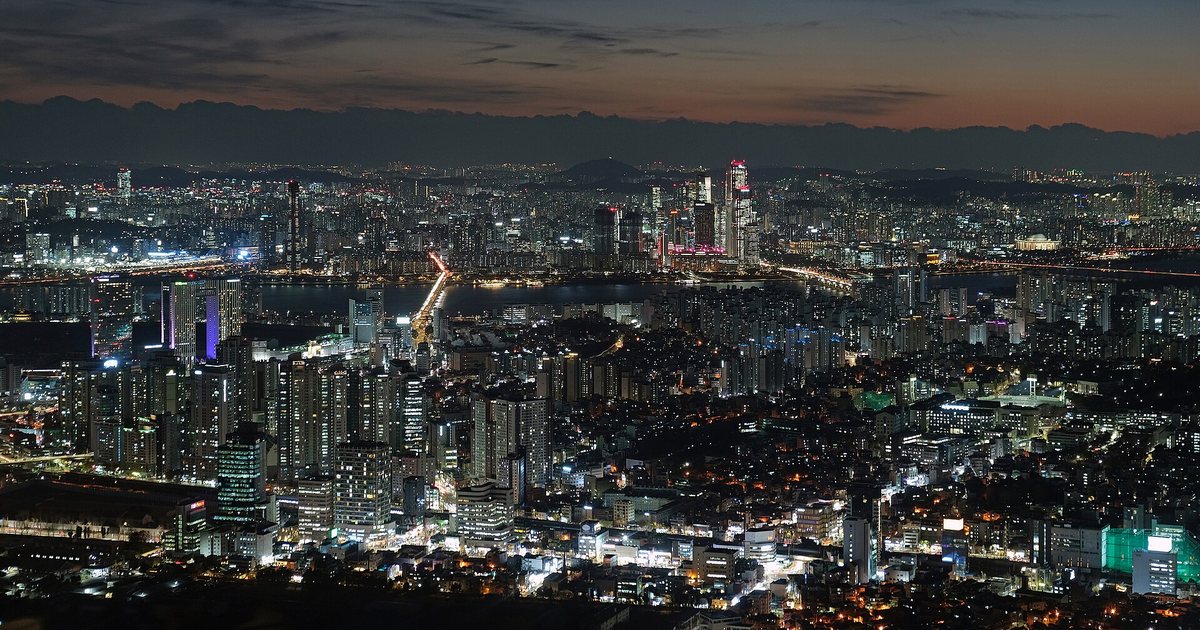
The kdrama filming locations Seoul fans visit most sit in 5 areas: Namsan, Bukchon, palaces, the Han River and cafe streets. All five are public places you can walk into for free or for a normal admission fee, and you can see the highlights of four of them in one long day by subway.
What turns this into a good trip, rather than a list of photo stops, is knowing which places are sets and which are real neighborhoods. Bukchon’s alleys are people’s homes, the cafes are working businesses, and the palaces are protected heritage sites with their own rules. Below you’ll find each area, the station to use, a route that actually works and the etiquette locals expect.
Key takeaways
- Five areas cover most of the famous scenes: Namsan, Bukchon, the royal palaces, the Han River parks and the cafe streets of Ikseon-dong, Seongsu and Yeonnam-dong.
- Bukchon Hanok Village is a residential neighborhood with visitor-hour limits in its busiest lanes, so check the district’s current hours before you plan your morning.
- Eating convenience-store ramyeon by the Han River is the most copied K-drama scene in Seoul, and it costs you one stop at a riverside convenience store.
- One day covers Bukchon, a palace, Ikseon-dong and Namsan; add a second day for Seongsu, Itaewon and Yeonnam-dong.
Where are the most famous kdrama filming locations in Seoul?
Korean dramas use a small set of Seoul backdrops again and again, because they instantly tell a Korean audience where a character lives, how much money they have and what mood the scene is in. A rooftop flat says struggling. A hanok (한옥, a traditional Korean house with a tiled roof) says old family or old soul. A late-night bench by the Han River says a confession is coming.
That repetition is good news for you. Even when you can’t find the exact bench from one episode, you can stand in the same kind of place the drama was pointing at. The Korean term to search on maps and blogs is 드라마 촬영지 (deurama chwaryeongji, “drama filming location”).
| Area | Drama connection | Nearest station | Best time | Main etiquette point |
|---|---|---|---|---|
| Namsan and N Seoul Tower (남산, N서울타워) | Love locks, cable car and city-view dates; most linked to My Love from the Star (별에서 온 그대) | Myeong-dong (Line 4) for the cable car | Sunset into night | Use the official lock areas only |
| Bukchon Hanok Village (북촌한옥마을) | Hanok homes, sloping alleys, rooftop views | Anguk (Line 3) | Morning, within visitor hours | Silence, no doors, no drones |
| Gyeongbokgung, Changdeokgung, Deoksugung | Sageuk (historical drama) mood, hanbok walks, stone-wall strolls | Gyeongbokgung (Line 3), Anguk (Line 3), City Hall (Lines 1, 2) | Late morning or late afternoon | Follow heritage rules, check closing days |
| Han River parks (한강공원) | Ramyeon picnics, cycling, night confessions by the bridges | Yeouinaru (Line 5), Express Bus Terminal (Lines 3, 7, 9) | Evening | Take your trash with you |
| Cafe streets: Ikseon-dong, Seongsu-dong, Yeonnam-dong | First dates, workplace meetings, the cafe as a set | Jongno 3-ga, Seongsu (Line 2), Hongik University (Line 2) | Weekday afternoons | Order before you shoot |
Namsan and N Seoul Tower: the love-lock scene
N Seoul Tower (N서울타워) on Namsan (남산, a forested mountain in the middle of Seoul) is the single most recognizable drama backdrop in the city. It’s the place screenwriters send couples for a first proper date, a padlock promise or a dramatic view over the lights. My Love from the Star (별에서 온 그대, 2013-2014) is the drama most often tied to it, and the tower has appeared in countless romances since.
How to get up Namsan
You have three realistic options. The Namsan cable car starts a short uphill walk from Myeong-dong Station (Line 4), and it is the most drama-like way up. City buses climb the mountain road to just below the tower. If you’re fit, the walking paths take you up through the woods and give you the quiet, leafy shots dramas use for brooding walks.
The love locks fill the railings and terraces at the top. If you want to add one, look for the official lock areas rather than clipping one to anything that looks free. Tower admission to the observatory is separate from the free outdoor terraces, so you can do the lock-and-view scene without paying for the deck.
Seoul has big plans for the mountain. The city plans major ecological and tourism upgrades for Namsan through 2031, according to Stripes Korea. That means some paths or facilities may change around the time you visit, so check the tower’s official site and Visit Seoul before you go.
- Area
- Namsan, Jung-gu, central Seoul
- Nearest station
- Myeong-dong (Line 4) for the cable car; Chungmuro (Lines 3, 4) for some walking routes
- Time needed
- 2 to 3 hours including the trip up and down
- Before you go
- check opening days and fees on the official page
Bukchon Hanok Village: real homes, real rules
Bukchon Hanok Village (북촌한옥마을) is a hillside neighborhood of hundreds of traditional houses between Gyeongbokgung and Changdeokgung palaces. Dramas love it because it gives you old Seoul and new Seoul in one frame: curved tile roofs in the foreground, office towers behind.
Here’s what many visitors miss. This is a neighborhood where people live, raise kids and sleep, not a folk village or a theme park. Years of crowds pushed residents to complain, and the district has introduced visitor-hour limits in the most crowded lanes. Check the current hours on the Jongno-gu district or Visit Seoul pages, because walking those lanes outside the permitted hours can get you fined.
The best Bukchon photo spots without bothering anyone
The famous downhill views along Bukchon-ro 11-gil are the ones you’ve seen in dramas and on Instagram. Stand at the side of the lane, take your photo and move on, because there’s always a queue behind you. Cultural centers and museum-style hanok in the area welcome visitors, so if you want to see inside a hanok courtyard, go to one of those rather than peering through a private gate.
- Area
- Gahoe-dong and nearby lanes, Jongno-gu
- Nearest station
- Anguk (Line 3), Exits 2 and 3
- Time needed
- 1.5 to 2 hours on foot
- Before you go
- check visitor hours and restricted lanes on the official district or Visit Seoul page
Palaces: Gyeongbokgung, Changdeokgung and Deoksugung
Seoul’s royal palaces are where you go for the sageuk (사극, historical drama) feeling: long courtyards, painted eaves, a figure in hanbok walking past a gate. It helps to know that most big historical dramas shoot their palace interiors on purpose-built sets outside Seoul, because the real palaces are protected heritage sites. What you get in Seoul is the real thing those sets copy, which is often better.
Which palace looks most like a K-drama?
Gyeongbokgung (경복궁) is the biggest and grandest, the one with the wide throne-hall courtyard and the pavilion on the pond. Changdeokgung (창덕궁) feels softer and more romantic, and its rear garden, the Secret Garden (후원, Huwon), is visited only on a separate guided tour, so check booking on the official site. Deoksugung (덕수궁) sits downtown next to City Hall, and the stone-wall road outside it, Deoksugung Doldam-gil (덕수궁 돌담길), is a classic drama walk. Seoul folklore says couples who walk it together will break up, which is exactly why writers use it.
The palaces have long let visitors in hanbok (한복, traditional Korean clothing) enter free. Rental shops cluster around Gyeongbokgung and Anguk, and our guide to modern hanbok (생활한복) explains the difference between a rental-shop costume and what Koreans wear day to day. Each palace closes on one weekday, and it isn’t the same day for all of them, so check the official palace pages before you plan.
- Area
- Jongno-gu (Gyeongbokgung, Changdeokgung) and Jung-gu (Deoksugung)
- Nearest station
- Gyeongbokgung (Line 3), Anguk (Line 3), City Hall (Lines 1, 2)
- Time needed
- 1.5 to 2 hours per palace; Secret Garden tour extra
- Before you go
- check opening days and fees on the official page
Han River parks: ramyeon, bikes and the bridge scenes
If you copy one scene, make it this one. A character buys instant ramyeon (라면) at a convenience store by the Han River (한강), cooks it in the store’s hot-water machine, and eats it at a riverside table while the bridge lights come on. It shows up so often in dramas that the riverside convenience stores lean into it.
Which Han River park to choose
Yeouido Hangang Park (여의도한강공원) is the big, lively one, with wide lawns, bike rentals and city views; use Yeouinaru Station (Line 5). Banpo Hangang Park (반포한강공원) is where you’ll find Banpo Bridge and its Moonlight Rainbow Fountain, which sprays colored water off the bridge on a seasonal schedule. Check the Seoul Hangang Parks official page for the current fountain times before you build an evening around it. The nearest stop is Express Bus Terminal Station, then a walk through the underpass to the river.
Bring a picnic mat or rent one, and pack your rubbish out. Delivery chicken to the riverside is a real Seoul habit too, and our guide to Korean fried chicken and how to order it covers the basics of ordering.
- Area
- Yeouido (Yeongdeungpo-gu) and Banpo (Seocho-gu), along the Han River
- Nearest station
- Yeouinaru (Line 5); Express Bus Terminal (Lines 3, 7, 9) for Banpo
- Time needed
- 1.5 to 3 hours, ideally from sunset
- Before you go
- check fountain schedules and rental options on the official page
K-drama cafes in Seoul: Ikseon-dong, Seongsu and Yeonnam-dong
Cafes are the hardest filming locations to pin down and the easiest to enjoy. Production teams rent working cafes for a day, redecorate them and leave. A cafe that starred in one season may change its name, its owner or its whole interior within a year. Coffee Prince (커피프린스 1호점, 2007) made a cafe near Hongdae famous long before Instagram existed, and it is the classic example of how quickly these places become pilgrimage sites and then change.
So pick a district, not a single cafe. Each has a look that dramas borrow.
Ikseon-dong (익선동)
A pocket of tiny hanok alleys turned into cafes, bakeries and small restaurants, close to Jongno 3-ga Station (Lines 1, 3, 5). It gives you the hanok mood of Bukchon in places that actually want customers. It gets packed on weekends.
Seongsu-dong (성수동)
Former factories and warehouses converted into big, industrial-style cafes and pop-up stores, near Seongsu Station (Line 2). This is the look of a drama startup office or a creative lead’s favorite meeting spot. Seoul Forest (서울숲), a large park next door, is a common backdrop for walking scenes.
Yeonnam-dong (연남동)
Low-rise streets around the Gyeongui Line Forest Park (경의선숲길, a park built on an old rail line), near Hongik University Station (Line 2, AREX and Gyeongui-Jungang Line). This is the youthful, bookish, slice-of-life look of many romcoms.
The rule in all three is simple. Order something before you take out your camera, ask staff before photographing them, and don’t move furniture to recreate a shot.
How to plan a K-drama day in Seoul
The route below follows geography, so you never double back across the city. It starts in the north (Bukchon and the palaces), drops south through Ikseon-dong to Namsan, and ends at the river after dark. Load a T-money card (교통카드, the rechargeable transit card sold at convenience stores) before you start, because you’ll be tapping on and off all day.
Day 1: Bukchon, palaces, Ikseon-dong, Namsan, Han River
Morning: Bukchon from Anguk Station, inside the permitted visitor hours. Walk down to Changdeokgung or across to Gyeongbokgung; if you rent hanbok, do it now so the palace and Bukchon photos match. Lunch: walk or take one stop to Jongno 3-ga for Ikseon-dong. Afternoon: a coffee in Ikseon-dong, then the subway to Myeong-dong for the Namsan cable car. Evening: sunset at N Seoul Tower, then the subway to Express Bus Terminal for convenience-store ramyeon at Banpo Hangang Park.
Day 2: Seongsu, Itaewon, Yeonnam-dong
Morning: Seoul Forest and the warehouse cafes of Seongsu. Afternoon: Itaewon (이태원, Line 6), the district whose name and hillside streets gave Itaewon Class (이태원 클라쓰, 2020) its setting. Evening: Yeonnam-dong and the Gyeongui Line Forest Park, then Hongdae’s street performers if you still have energy.
A worked example: fitting Day 1 into a short layover
Say you land in the morning and have only the afternoon and evening free. Skip the palace interiors, which need real time, and do Bukchon’s lower lanes, Ikseon-dong, Namsan at sunset and the river at night. You lose the hanbok photos but keep the three most drama-like scenes: hanok alley, tower lights and riverside ramyeon. For cold-weather trips, our list of things to do in Seoul in winter shows how to swap the river night for indoor stops.
K-drama filming location etiquette at homes and shops
Every year, some residents and shop owners in Seoul’s drama hotspots decide they’ve had enough of visitors. The way you behave decides whether those places stay open to fans. These are the rules Koreans themselves expect.
- Homes are off limits. Never open a gate, step into a courtyard or photograph through windows. If a house appeared in a drama, the outside from the public street is all you get.
- Ask before you shoot people. A short 사진 찍어도 돼요? (sajin jjigeodo dwaeyo?, “May I take a photo?”) works for staff and shop owners. Polite Korean goes a long way.
- Buy first in shops and cafes. A cafe is a business. One drink per person is the minimum before you settle in for photos.
- Keep tripods and drones away. Drones are restricted over much of central Seoul, including the palace area, and tripods block narrow alleys.
- Don’t chase a live shoot. If you come across a drama filming, watch from a distance and follow the crew’s directions. Photographing actors on set or posting unaired scenes can cause real problems for the production.
- Take your trash with you. Public bins can be scarce, and residents notice when fans leave litter.
How to find the exact spot from a scene
Want the exact bench, not the general area? Start with official sources. The Korea Tourism Organization’s VisitKorea site and Visit Seoul publish filming-location features, and a new platform guides foreign visitors to Hallyu-related locations, according to Korea.net. Check the official page for which dramas and places it currently covers.
Next, use Korean map apps. Google Maps gives limited walking and transit directions in Korea, so most visitors switch to Naver Map or Kakao Map; our guide to Naver vs Kakao and which apps to get explains the difference. Search the drama’s Korean title plus 촬영지 (chwaryeongji, filming location), and Korean blog posts will often show the exact cafe or street with a map pin.
Last, look for end credits and broadcaster pages. Korean dramas often credit the locations and businesses that helped with filming, and broadcasters sometimes post location notes on official program pages.
FAQ
Can you go inside K-drama filming locations in Seoul?
You can enter the public ones: N Seoul Tower, the palaces, the Han River parks and cafes that are open for business. Private homes, including hanok in Bukchon, are seen from the street only. Interiors of big historical dramas are usually shot on sets outside Seoul.
Where was My Love from the Star filmed in Seoul?
The Seoul location fans connect most with My Love from the Star is N Seoul Tower on Namsan, with its love locks and city views. Many other scenes were shot at sets and spots that are harder to visit. For a scene-by-scene list, check VisitKorea’s filming-location pages and Korean blog posts that search the title plus 촬영지.
Is Bukchon Hanok Village free to visit?
The lanes are public streets, so there’s no entry ticket to walk through. The district limits visitor hours in the most crowded lanes to protect residents, and fines can apply outside them. Check the current hours on the Jongno-gu or Visit Seoul page.
How many days do you need for K-drama spots in Seoul?
One full day covers Bukchon, a palace, Ikseon-dong, Namsan and the Han River. Add a second day for Seongsu, Itaewon and Yeonnam-dong. If you want the Changdeokgung Secret Garden tour, plan for it in advance.
Can I wear hanbok to K-drama locations?
Yes, and the palaces have long allowed visitors in hanbok free entry; check the current rules on the official palace site. Rental shops near Gyeongbokgung and Anguk rent by the hour or day. Hanbok looks best at the palaces and in Bukchon, but in Bukchon the residential rules apply to you in costume too.
Are there K-drama tours in Seoul?
Several tour companies offer guided K-drama and filming-location tours, often with transport to sites outside the city. Compare recent reviews and check exactly which locations are included, since filming spots change. Doing the five areas in this guide on your own by subway is easy and flexible.
What to plan next for your K-drama trip
Pick the two or three dramas you love most, search their Korean titles with 촬영지, and pin every result on Naver Map or Kakao Map before you fly. You’ll see where the pins cluster, which is usually Jongno, Namsan or the river. Build your days around those clusters.
Before you leave home, check four things on the official pages: Bukchon’s visitor hours, each palace’s closing day, the Banpo fountain schedule and any Namsan works under the city’s upgrade plan. Then leave one evening free for the riverside ramyeon. Every drama fan ends up doing it anyway.
Related reading


Sources news.google.com · k-korea.blog
Prices, opening hours and availability change. Check the official page before you buy or travel.