12 min read
Korean pronunciation rules come down to 7 final consonant sounds and 6 core sound changes that happen where syllables meet. Once you know them, 감사합니다 (thank you, spelled gam-sa-hap-ni-da) stops looking strange when you hear gam-sa-ham-ni-da.
Why should you care? Hangul (한글, the Korean alphabet) keeps the root of every word visible in writing, while speech smooths over the joins. If you read letter by letter, you’ll sound like a textbook robot and you’ll struggle to catch words in K-dramas and songs. This guide takes each rule with real words, covers the sounds English speakers mix up most, and ends with a practice routine you can start tonight.
Key takeaways
- Only 7 sounds can end a Korean syllable: k, n, t, l, m, p and ng. 옷 (clothes), 낮 (daytime) and 꽃 (flower) all end in the same t sound.
- A final consonant slides into a following vowel, so 음악 (music) is said eu-mak and 한국어 (Korean language) is said han-gu-geo.
- ㄱ, ㄷ and ㅂ turn nasal before ㄴ or ㅁ, which is why 입니다 (it is) sounds like im-ni-da.
- Korean dictionaries print the real pronunciation in square brackets, for example 학교 [학꾜], so you can check any word in seconds.
How Korean pronunciation rules work: spelling vs sound
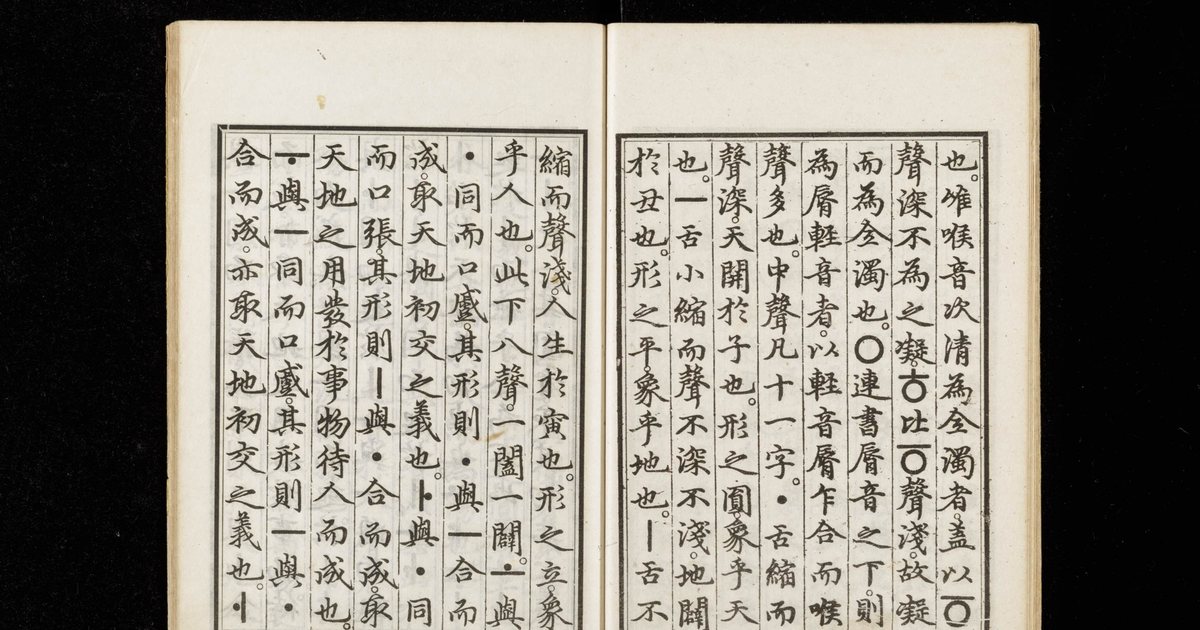
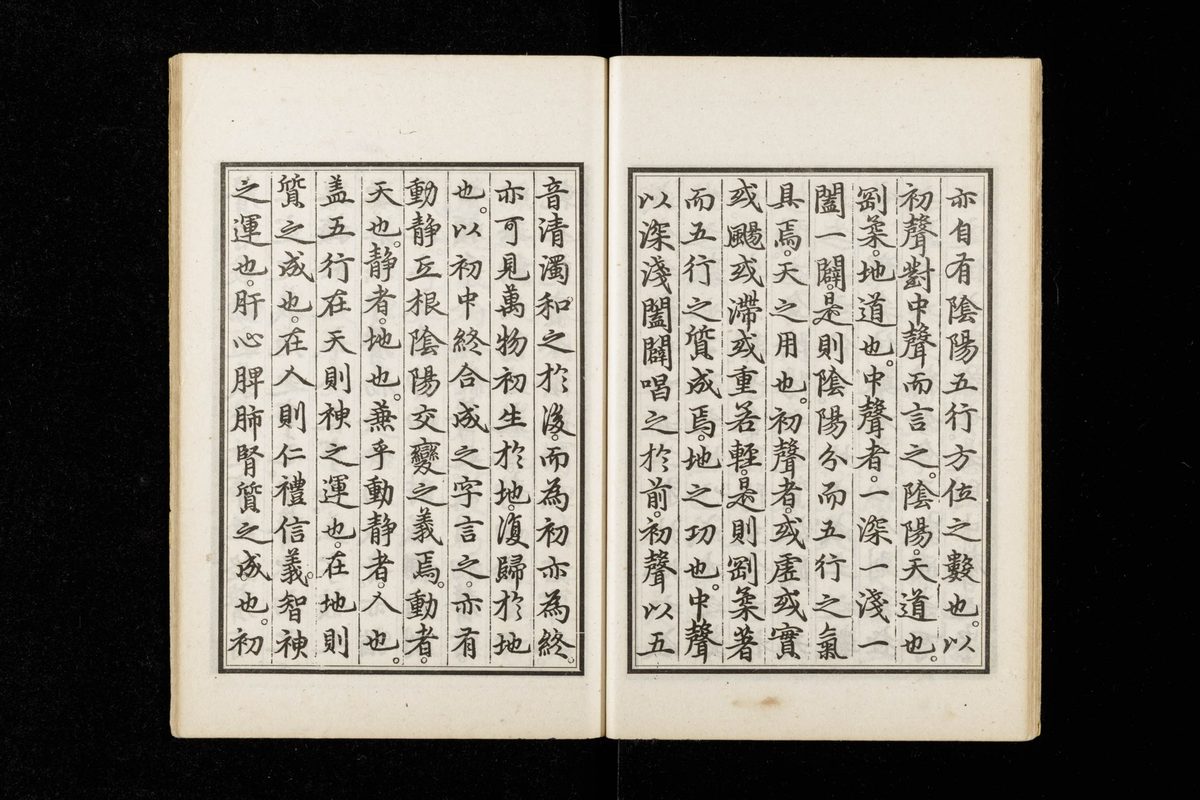
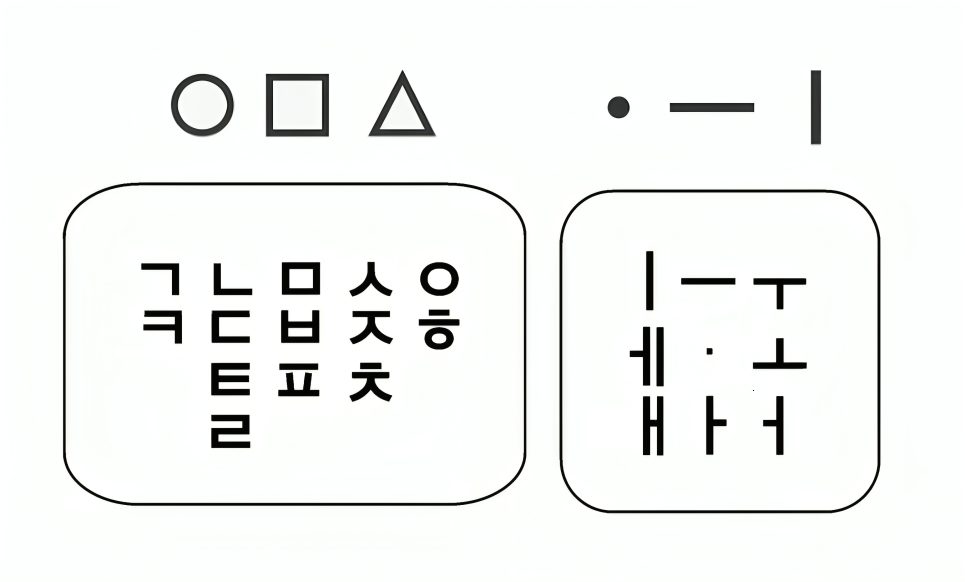
Hangul was created under King Sejong and promulgated in 1446. Its letters stack into syllable blocks: a first consonant, a vowel, and sometimes a final consonant called batchim (받침, literally “support”, the consonant sitting at the bottom of the block).
The spelling holds each word’s root steady even as the sound changes. Take the verb stem 먹 (eat). In writing it never changes. Out loud it does: 먹어요 (I eat) is said [머거요], 먹는 (eating) is said [멍는], and 먹다 (to eat) is said [먹따]. That’s three different pronunciations of one stem, each produced by a different rule.
The official reference is the Standard Pronunciation Rules (표준 발음법) set by the National Institute of Korean Language, the state body that maintains the standard language. You don’t need to memorize its articles. You need the handful of patterns below, which cover the great majority of what you’ll hear.
| Rule | What happens | Spelled | Said like |
|---|---|---|---|
| Linking (연음) | A final consonant moves into the next syllable when that syllable starts with a vowel | 음악 (music) | [으막] eu-mak |
| Nasalization (비음화) | ㄱ, ㄷ, ㅂ become ㅇ, ㄴ, ㅁ before ㄴ or ㅁ | 국물 (broth) | [궁물] gung-mul |
| Liquidization (유음화) | ㄴ next to ㄹ turns into ㄹ | 신라 (Silla kingdom) | [실라] sil-la |
| Tensing (경음화) | ㄱ, ㄷ, ㅂ, ㅅ, ㅈ go tense after a k, t or p final sound | 학교 (school) | [학꾜] hak-kkyo |
| Aspiration (격음화) | ㅎ merges with ㄱ, ㄷ, ㅂ, ㅈ into ㅋ, ㅌ, ㅍ, ㅊ | 축하 (congratulation) | [추카] chu-ka |
| Palatalization (구개음화) | ㄷ or ㅌ before the suffix 이 becomes ㅈ or ㅊ | 같이 (together) | [가치] ga-chi |
What is batchim? The 7 final sounds Korean allows
Korean writes more than a dozen different final letters but pronounces only seven sounds at the end of a syllable. Everything else collapses into one of these “representative” sounds:
- k: ㄱ, ㄲ, ㅋ (부엌, kitchen, is said [부억])
- n: ㄴ
- t: ㄷ, ㅅ, ㅆ, ㅈ, ㅊ, ㅌ, ㅎ (옷, 낮, 낯, 낫 and 꽃 all end in t)
- l: ㄹ
- m: ㅁ
- p: ㅂ, ㅍ (앞, front, is said [압])
- ng: ㅇ
The k, t and p finals are unreleased. Your tongue or lips close and stay closed, with no puff of air afterwards. English speakers tend to add a little vowel, so 밥 (rice) comes out as “bap-uh”. Close your lips on the p and stop there. That single habit makes you sound noticeably more natural.
Double batchim: which letter do you say?
Some blocks end in two consonants, like 닭 (chicken) or 없다 (to not have). Before a consonant or at the end of a word, you pronounce only one of them:
- Most clusters keep the left letter: 앉다 [안따] (to sit), 없다 [업따], 여덟 [여덜] (eight), 넓다 [널따] (wide).
- ㄺ, ㄻ and ㄿ keep the right letter: 닭 [닥], 삶 [삼] (life), 읽다 [익따] (to read).
- Two exceptions to learn now: 밟다 (to step on) is said [밥따], and ㄺ before ㄱ becomes ㄹ, so 읽고 (reading and) is said [일꼬].
Before a vowel, both letters come back: 닭이 [달기], 앉아요 [안자요], 읽어요 [일거요], 값이 (the price) [갑씨].
Linking (연음): why 음악 sounds like eu-mak
When a syllable ends in a consonant and the next one starts with the silent placeholder ㅇ, the consonant moves across and fills the gap. This is the rule you’ll use most often, because Korean grammar endings very often begin with a vowel.
- 음악 → [으막] (music)
- 한국어 → [한구거] (Korean language)
- 옷이 → [오시] (the clothes)
- 싶어요 → [시퍼요] (I want to)
Two things don’t link. Final ㅇ (ng) stays put, so 고양이 (cat) keeps its ng. Final ㅎ simply disappears before a vowel, which is why 좋아요 (I like it, it’s good) is said [조아요] and you will never hear an h in it.
Linking between separate words
When the next word is a real word starting with a vowel, the representative sound links instead of the original letter. 옷 안 (inside the clothes) is said [오단], and 맛없다 (to taste bad) is said [마덥따]. 맛있다 (to be tasty) is an accepted exception: the standard allows both [마딛따] and [마싣따], and in everyday speech you’ll mostly hear 맛있어요 as [마시써요].
Fully linked, a fluent speaker’s phrase sounds like one long word. That’s why beginners say Koreans talk fast: often they’re simply linking.
Nasalization: why 감사합니다 sounds like gamsahamnida
A k, t or p sound right before ㄴ or ㅁ turns into its nasal partner. The mouth position stays the same; only the air goes through the nose.
- k → ng: 국물 [궁물] (broth), 작년 [장년] (last year), 먹는 [멍는]
- t → n: 거짓말 [거진말] (lie), 있는 [인는] (that has)
- p → m: 합니다 [함니다], 앞문 [암문] (front door), 십만 [심만] (100,000)
Every formal sentence ending in -ㅂ니다 or -습니다 uses this, so you’ll practice it constantly: 감사합니다, 입니다, 있습니다 [읻씀니다].
ㄹ turns into ㄴ after ㅁ and ㅇ
The ㄹ sound also gets nasalized when it follows ㅁ or ㅇ. 종로, the central Seoul district, is said [종노], which is why its romanized name is Jongno. 심리 (psychology) is [심니]. After ㄱ or ㅂ, both sounds shift: 독립 (independence) is [동닙], and the Seoul station 왕십리 is [왕심니], romanized Wangsimni.
Liquidization: when ㄴ turns into ㄹ
Put ㄴ and ㄹ side by side, in either order, and both become a clear double l. 신라, the ancient kingdom, is [실라], so it’s spelled Silla in English. 설날 (Lunar New Year) is [설랄], hence Seollal. Others: 연락 [열락] (contact) and 칼날 [칼랄] (blade).
Tensing and aspiration: when Korean consonants get harder
Tensing (경음화)
After a k, t or p final sound, a following ㄱ, ㄷ, ㅂ, ㅅ or ㅈ turns tense (ㄲ, ㄸ, ㅃ, ㅆ, ㅉ). A tense consonant is said with a tight throat and no breath, like the k in “sky”.
- 학교 [학꾜] (school), 식당 [식땅] (restaurant), 국밥 [국빱] (rice soup)
- 잡지 [잡찌] (magazine), 젓가락 [저까락] (chopsticks)
Tensing also happens after the future ending -(으)ㄹ: 할 거예요 (I’ll do it) is said [할 꺼예요] and 갈 수 있어요 (I can go) is [갈 쑤 이써요]. In compound nouns it’s often unpredictable. 비빔밥 is listed as [비빔빱], with no obvious trigger in the spelling. For compounds, check the dictionary instead of guessing.
Aspiration (격음화)
ㅎ fuses with a neighboring ㄱ, ㄷ, ㅂ or ㅈ into the breathy version: ㅋ, ㅌ, ㅍ or ㅊ. Order doesn’t matter.
- 좋다 [조타] (to be good), 많다 [만타] (to be many)
- 축하해요 [추카해요] (congratulations), 입학 [이팍] (school entry), 급행 [그팽] (express train)
Two related patterns with ㅎ: before ㅅ it makes a tense ㅆ, so 좋습니다 is [조씀니다]; before ㄴ it turns into ㄴ, so 좋네요 (that’s nice) is [존네요].
The fading ㅎ
Between voiced sounds, ㅎ often weakens in relaxed speech until it nearly vanishes. 전화 (phone call) can sound like [저놔], 은행 (bank) like [으냉], and 결혼 (marriage) like [겨론]. Pronounce the h when you’re speaking carefully, but expect to hear it dropped in dramas.
Palatalization and the extra ㄴ: two rules beginners miss
Palatalization: why 같이 is gachi
When a final ㄷ or ㅌ meets the grammatical suffix 이, it shifts to ㅈ or ㅊ. 같이 (together) is [가치], 굳이 (insistently) is [구지], 해돋이 (sunrise) is [해도지], and 붙이다 (to stick) is [부치다].
It only applies across that boundary. Inside a single word, 디 and 티 stay as they are: 잔디 (lawn) is just [잔디].
ㄴ insertion in compound words
When the second part of a compound starts with 이, 야, 여, 요 or 유, Korean often inserts an n sound. 색연필 (colored pencil) becomes [생년필], 담요 (blanket) [담뇨], 꽃잎 (petal) [꼰닙], and 한여름 (midsummer) [한녀름]. After ㄹ, the inserted ㄴ turns into ㄹ: 서울역 (Seoul Station) is [서울력].
It isn’t universal. 금요일 (Friday) is simply linked as [그묘일]. Treat ㄴ insertion as vocabulary you memorize word by word.
Sounds English speakers mix up in Korean
ㄱ, ㄲ, ㅋ: three versions of every stop
English sorts consonants into voiced and voiceless (g vs k). Korean sorts them three ways: lenis (plain: ㄱ ㄷ ㅂ ㅈ), tense (ㄲ ㄸ ㅃ ㅉ) and aspirated (ㅋ ㅌ ㅍ ㅊ). Plain consonants at the start of a word land somewhere between g and k, with a light breath, and become voiced between vowels. That’s why older romanization wrote 부산 as Pusan while today it’s Busan.
Hold a sheet of paper in front of your mouth. Aspirated sounds should make it flutter, tense ones shouldn’t move it at all, and plain ones barely. Drill these minimal pairs (words that differ by one sound):
- 불 (fire) / 뿔 (horn) / 풀 (grass)
- 달 (moon) / 딸 (daughter) / 탈 (mask)
- 자다 (to sleep) / 짜다 (to be salty) / 차다 (to kick)
ㅓ vs ㅗ, and the ㅡ vowel
ㅓ (romanized eo) is an open “aw” said with relaxed, unrounded lips. ㅗ (o) is a rounded o. Mixing them changes words. 서울 (Seoul) has two syllables, 서 and 울, so it sounds like “saw-ool”, not “soul”.
ㅡ (eu) has no English equivalent. Spread your lips as if smiling and say “oo” without rounding. ㅢ (ui) starts there and glides to ㅣ, though it’s usually said [히] after a consonant (희망, hope) and often [에] when it marks possession (나의, my).
ㅐ and ㅔ: the pair many Koreans merge
On paper, ㅐ (ae) is more open than ㅔ (e). In practice many Seoul speakers, especially younger ones, say them the same way. Don’t spend weeks on the difference; learn which spelling each word takes.
ㄹ is not quite R or L
Between vowels, ㄹ is a quick tap like the tt in American “butter”: 사랑 (love) is sa-rang with a flap. At the end of a syllable or doubled as ㄹㄹ, it’s a clear l: 달 (moon), 빨리 [ppal-li] (quickly). Avoid the English r with curled tongue in both cases.
ㅅ before ㅣ sounds like “sh”
ㅅ is an s, except before ㅣ or y-vowels, where it slides toward sh. 시 (o’clock, poem) sounds like “shi”, and 신발 (shoes) like “shin-bal”. This is automatic for Koreans, so copying it makes your accent smoother.
Why romanization trips up your Korean pronunciation
The Revised Romanization of Korean, the official system since 2000, writes some sound changes and ignores others. It shows nasalization (gamsahamnida, Jongno, Wangsimni) and liquidization (Silla, Seollal). It does not show tensing: 학교 is romanized hakgyo but said hak-kkyo. Its vowel spellings, eo for ㅓ and eu for ㅡ, push English speakers toward the wrong sounds.
The fix is to read Hangul from your first week. The alphabet is compact and logical, and most learners can read it slowly within days. If you’re planning your study timeline, our guide to how long it takes to learn Korean breaks down what’s realistic at each stage.
Worked example: reading Korean sentences the way Koreans say them
Here’s how the rules stack up in everyday sentences. Read the spelling, apply each rule, then say the bracketed version aloud.
- 같이 국밥 먹을래요? (Want to have gukbap together?) Palatalization turns 같이 into [가치]. Tensing turns 국밥 into [국빱]. Linking turns 먹을래요 into [머글래요]. Result: [가치 국빱 머글래요].
- 축하합니다! 정말 좋네요. (Congratulations! That’s really great.) Aspiration gives [추카], nasalization gives [함니다], and ㅎ before ㄴ gives [존네요]. Result: [추카함니다 정말 존네요].
- 책 읽고 싶어요. (I want to read a book.) ㄺ before ㄱ becomes ㄹ with tensing: [일꼬]. Linking gives [시퍼요]. Result: [책 일꼬 시퍼요].
- 종로에서 만나요. (Let’s meet in Jongno.) ㄹ after ㅇ turns into ㄴ: [종노에서 만나요].
Notice that none of these sentences sounds like its spelling. That’s normal. Once you’ve written out ten sentences like this by hand, you’ll start applying the rules without thinking.
How to practice Korean pronunciation every day
Fifteen focused minutes a day beats an hour once a week, because pronunciation is muscle memory. A routine that works:
- Look up the bracket. For every new word, check its pronunciation in the Standard Korean Language Dictionary (표준국어대사전) or Naver Dictionary, which offers native audio. Write the bracketed form next to the spelling.
- Drill minimal pairs. Two minutes on 불/뿔/풀 and 달/딸/탈 trains your ear and mouth at once.
- Shadow short clips. Pick a 10-second line from a drama or a vlog, play it, and speak over it at the same speed. Our comparison of where to watch K-dramas covers services with Korean subtitles, which help you match sound to spelling.
- Record yourself. Compare your recording with the native audio. You’ll hear added vowels and missing tensing far more clearly than while speaking.
- Learn grammar endings as sound chunks. -습니다 is always [씀니다], -고 싶어요 is [고 시퍼요]. Pair this with the core patterns in our Korean grammar for beginners guide.
Common Korean pronunciation mistakes to fix first
- Adding a vowel after final k, t or p (밥 as “bap-uh”).
- Reading romanization instead of Hangul, especially eo and eu.
- Saying Seoul as one syllable.
- Pronouncing the ㅎ in 좋아요.
- Using an English r for ㄹ between vowels.
| English | Korean | Romanization | When to use it |
|---|---|---|---|
| Thank you | 감사합니다 | gamsahamnida | Polite formal; said [감사함니다] (nasalization) |
| Congratulations | 축하해요 | chukhahaeyo | Polite; said [추카해요] (aspiration) |
| Together | 같이 | gachi | Any register; said [가치] (palatalization) |
| Music | 음악 | eumak | Any register; said [으막] (linking) |
| School | 학교 | hakgyo | Any register; said [학꾜] (tensing) |
| It’s delicious | 맛있어요 | masisseoyo | Polite; usually said [마시써요] |
| It’s good / I like it | 좋아요 | joayo | Polite; the ㅎ is silent [조아요] |
| Lunar New Year | 설날 | Seollal | Any register; said [설랄] (liquidization) |
FAQ
Is Korean pronunciation hard for English speakers?
Most individual sounds are manageable. The hard parts are the three-way consonant contrast (ㄱ/ㄲ/ㅋ), a few vowels like ㅓ and ㅡ, and the sound changes between syllables. Once you know the rules, Korean is far more predictable than English spelling.
How many batchim sounds are there in Korean?
Seven: k, n, t, l, m, p and ng. Korean writes many more final letters, including double consonants, but each one is pronounced as one of these seven at the end of a syllable. Before a vowel, the original letter returns through linking.
Why does 감사합니다 sound like gamsahamnida?
Because of nasalization. The ㅂ at the end of 합 sits right before ㄴ, so it turns into ㅁ. The same thing happens in every formal ending with -ㅂ니다 or -습니다, such as 입니다 [임니다].
Why is Seoul pronounced with two syllables?
서울 is written as two blocks, 서 (seo) and 울 (ul). The first vowel, ㅓ, is an open unrounded sound, so the word sounds close to “saw-ool”. The English spelling Seoul makes many people say “soul”, which Koreans hear as a different word.
Do Koreans pronounce ㅐ and ㅔ differently?
In the standard they are distinct, with ㅐ slightly more open. In everyday Seoul speech, many speakers pronounce them the same. Learners should memorize which letter each word uses rather than chase a sound difference.
What is the best way to check how a Korean word is pronounced?
Look it up in the Standard Korean Language Dictionary or Naver Dictionary. Both show the pronunciation in square brackets, and Naver adds native audio. For compounds and ㄴ insertion, the dictionary is the only reliable guide.
What to practice after the basic pronunciation rules
Start with batchim and linking this week, since they show up in nearly every sentence. Add nasalization and aspiration next, then tensing and the smaller rules. After that, turn to intonation: Korean questions and statements often share the same words and differ only in pitch at the end, so shadowing whole sentences matters more than drilling single words. Pick one short scene, transcribe it with bracket pronunciations, and shadow it until you can say it at native speed.
Related reading



Sources k-korea.blog
Prices, opening hours and availability change. Check the official page before you buy or travel.