Seoul now8°C ClearKOSPI 5,375.36 +7.10%USD/KRW 1,338.20 −0.42%

Korean Slang Words With Meaning: 50 From ㅋㅋ to 대박

Woman texting on a smartphone (korean slang words with meaning)

Here are 50 Korean slang words with meaning, from texting codes like ㅋㅋ to the everyday 대박. Almost all of them are banmal (반말, casual speech), so they work well with friends and can go badly with a boss, a teacher or anyone clearly older. Below you’ll find what each one means, how Koreans type it on KakaoTalk (Korea’s main messaging app) and the few that come across as rude.
Korean Numbers Native and Sino: 하나 vs 일 and When to Use Each

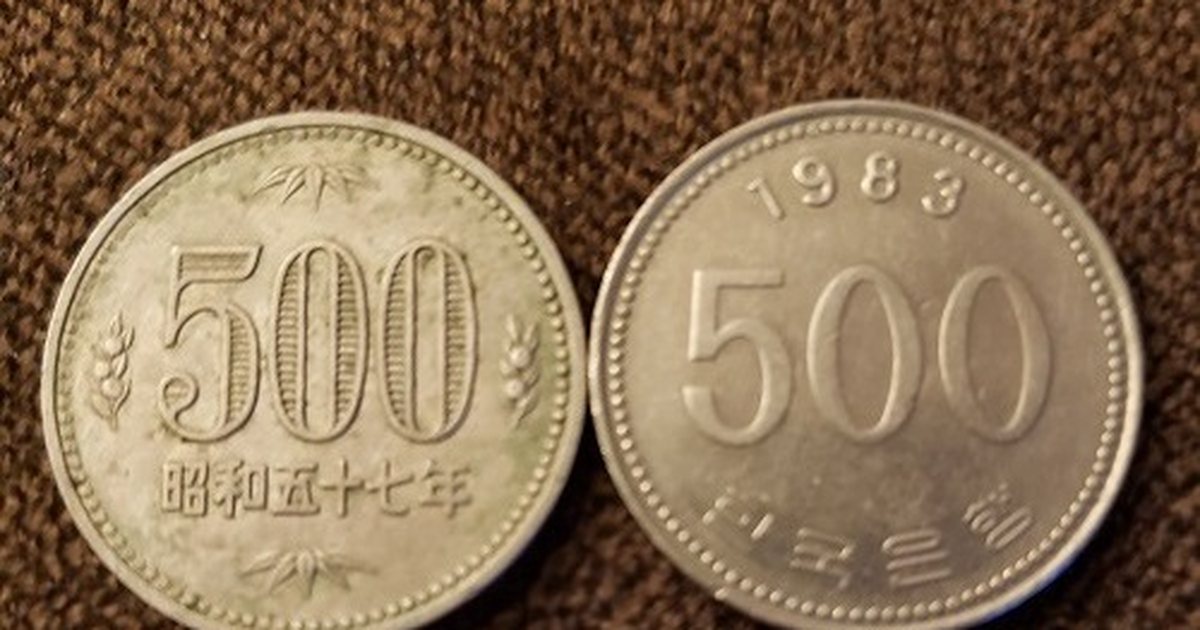
500 yen next to 500 South Korean won coin (korean numbers native and sino)

Learning Korean numbers native and Sino means learning 2 systems. Native 하나, 둘 count things, and Sino 일, 이 read prices. You use native numbers for hours, age and most everyday counting, and Sino-Korean numbers for minutes, money, dates, phone numbers, floors and anything above 99.

Korean Honorifics List and Meanings: 14 Titles, Who Uses Them

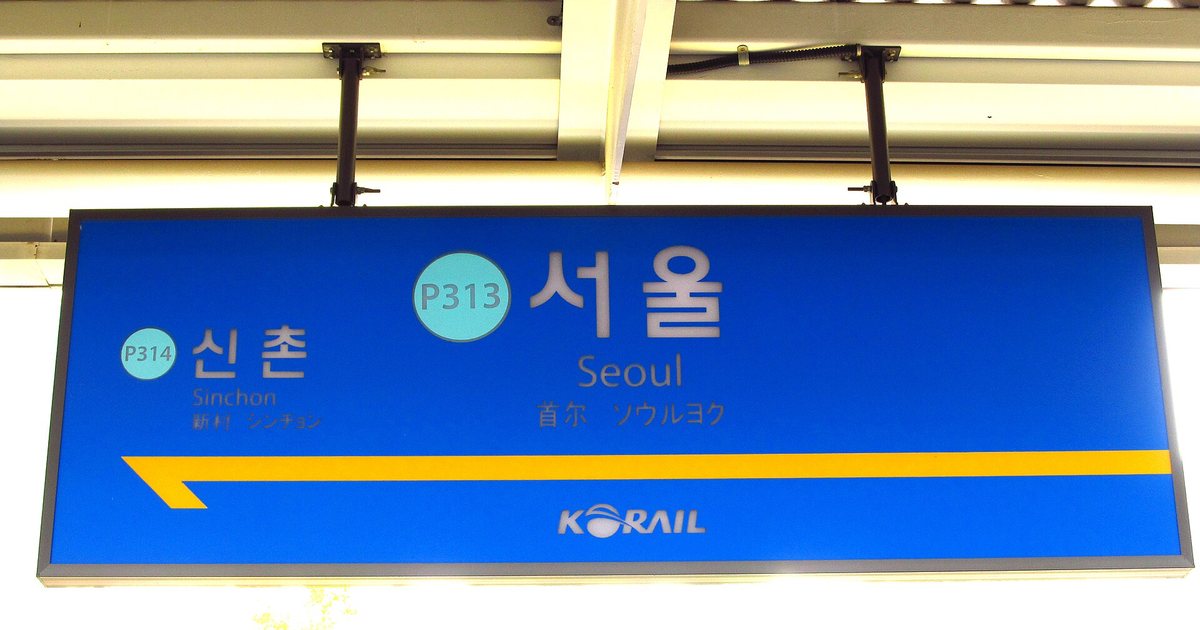
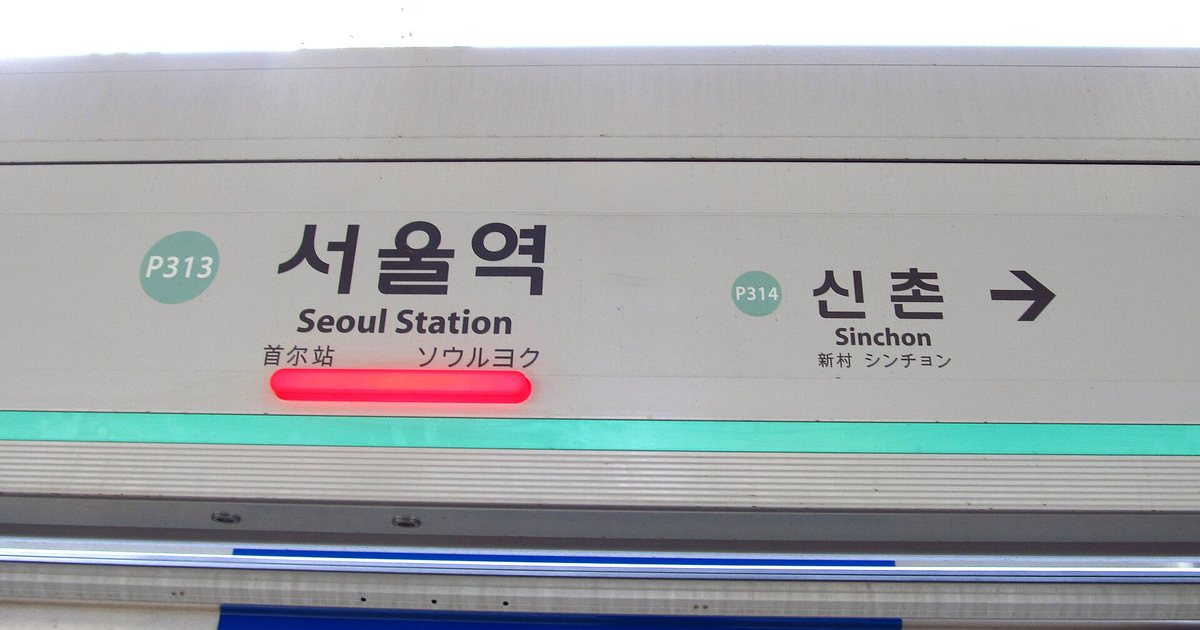
Korail-P313-Seoul-station-sign-20191021-112154 (korean honorifics list and meanings)

Korean honorifics list and meanings: 14 titles decide how you address anyone in Korea. The two you’ll use most are -ssi (씨), a polite “Mr. or Ms.” for adults of similar standing, and -nim (님), a respectful suffix for anyone above you. Family words like oppa, unnie, hyung and noona are for people you’re close to, and which one you say depends on your gender as well as theirs.

Korean Age vs International Age: What Changed in June 2023

Birthday Cake Candles (korean age vs international age)

Korean age vs international age differs by 1 or 2 years, and since June 28, 2023 Korean law uses the international one. The old way counted you as 1 at birth and added a year to everyone each January 1. The new rule counts from your birthday, the same way most of the world does. A few rules still go by birth year alone, so the old math hasn’t fully disappeared.

Basic Korean Phrases for Travelers: 20 You’ll Really Use

Korail-P313-Seoul-station-sign-20191021-112136 (basic korean phrases for travelers)

These 20 basic Korean phrases for travelers will get you through meals, shops, subways and taxis. Most of them end in -yo or juseyo, two small polite endings that make you sound courteous to any stranger in Seoul. Learn the table below and say each line out loud a few times. You’ll open your translation app far less often.

How to Learn Hangul Fast: 24 Letters, One Weekend Plan

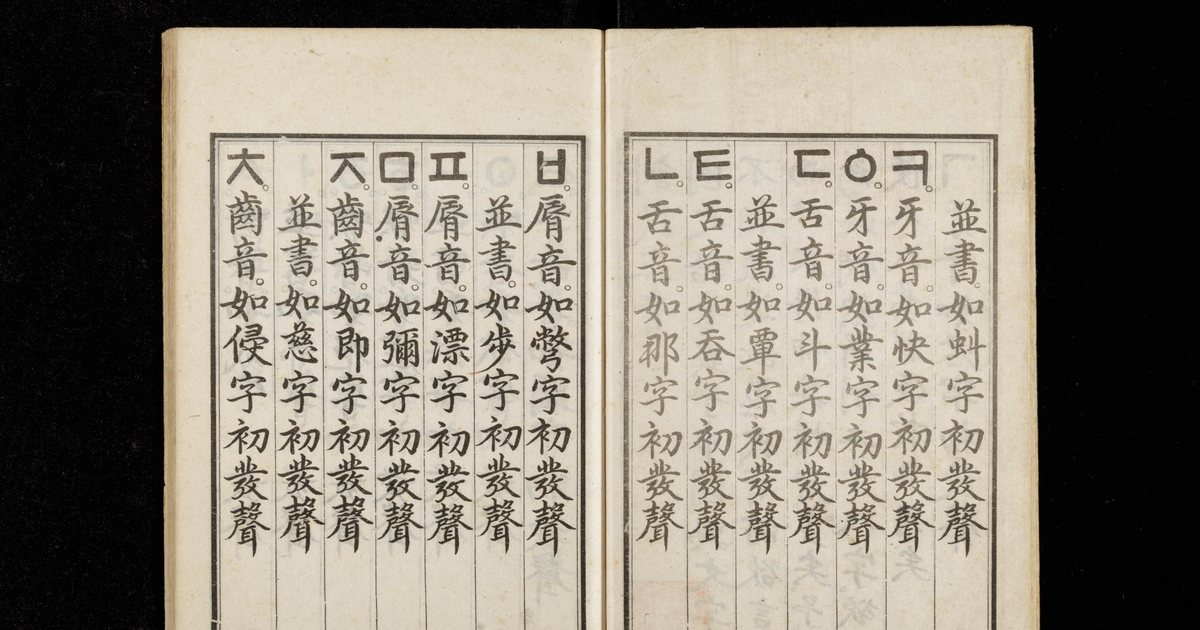
Hunminjeongeum Haerye 03 (how to learn hangul fast)

How to learn Hangul fast: drill its 24 basic letters over one weekend, then read them in blocks. Hangul, the Korean alphabet, was built in the 1440s to be learned quickly, and its letter shapes carry clues about how each sound is made. If you know how to learn Hangul fast, which means learning that logic first and not memorizing romanized spellings, you can be sounding out menus, K-drama titles and K-pop lyrics by Su…