
13 min read
Korean honorifics list and meanings: 14 titles decide how you address anyone in Korea. The two you’ll use most are -ssi (씨), a polite “Mr. or Ms.” for adults of similar standing, and -nim (님), a respectful suffix for anyone above you. Family words like oppa, unnie, hyung and noona are for people you’re close to, and which one you say depends on your gender as well as theirs.
Getting this right matters more than perfect grammar. Korean builds age, rank and closeness into every sentence, so the wrong title can sound cold or rude even when every verb is correct.
Key takeaways
- Use a full or given name plus -ssi (지민 씨, Jimin-ssi) for adults of similar status, and never put -ssi or -nim after your own name.
- Teachers, bosses and customers get a title plus -nim: seonsaengnim (teacher), sajangnim (owner), timjangnim (team leader).
- Oppa, hyung, unnie and noona all mean “older sibling”; the one you use depends on your own gender.
- When in doubt, speak haeyo-che (the polite -yo ending) and let the older person be the one to suggest casual speech.
How do Korean honorifics work? Age, rank and closeness
Every Korean conversation quietly answers three questions. Who is older? Who ranks higher in this setting? How close are we? English mostly handles this with tone and the odd “sir”. Korean writes the answers into the language itself, in three layers:
- What you call the person: a title or suffix such as -ssi, -nim, oppa or sunbae.
- How you end your verbs: the speech level, from stiff formal to fully casual.
- Which words you pick: special honorific vocabulary, like 드시다 (deusida, “to eat”, said of a respected person) instead of the plain 먹다 (meokda).
Age is the quickest way to sort people. That’s why a new Korean acquaintance may ask your age or birth year within minutes of meeting you. They aren’t being nosy: your answer tells them which forms to use. If the numbers confuse you, our guide to Korean age vs international age explains how age counting works and what changed in June 2023.
Who counts as older in Korea?
Birth year usually matters more than the exact birthday. People born in the same year tend to treat each other as 친구 (chingu, friend) and can drop into casual speech. Even one year’s gap usually means the younger person keeps using polite forms until they’re invited to stop.
At work, rank beats age. A 35-year-old team leader is still “timjangnim” to a 45-year-old new hire, though a considerate boss will often speak politely back to an older subordinate.
The Korean speech levels from formal to casual
Korean grammar books traditionally list six or seven speech levels. In everyday life you’ll hear four, and only two matter for most visitors and learners. Here’s how they look with one phrase, “thank you”:
| Speech level | Korean name | “Thank you” | Who uses it with whom |
|---|---|---|---|
| Formal polite | 하십시오체 (hasipsio-che) | 감사합니다 (gamsahamnida) | News anchors, announcements, presentations, the military, staff to customers, first business meetings |
| Informal polite | 해요체 (haeyo-che) | 고마워요 (gomawoyo) | The everyday default between adults who aren’t close: strangers, colleagues, shop owners, older acquaintances |
| Casual (banmal) | 해체 (hae-che) | 고마워 (gomawo) | Close friends of the same age, older to younger people, siblings, couples |
| Plain | 해라체 (haera-che) | 고맙다 (gomapda) | Written Korean (newspapers, books, diaries), talking to yourself, and sometimes an older person speaking to a much younger one |
There are two more levels, 하오체 (hao-che) and 하게체 (hage-che). These days you’ll mostly hear them in sageuk (historical dramas) and from some older speakers. It’s enough to recognize them.
Jondaetmal vs banmal: the line that matters most
Koreans split all of this into two camps: 존댓말 (jondaetmal, polite speech) and 반말 (banmal, casual speech). Switching from one to the other marks a change in the relationship, a bit like moving from a handshake to a hug. Usually the older or higher-ranking person makes the offer, with something like 말 놓으세요 (mal noeuseyo, “please drop the formal speech”). Between people of the same age, either one can ask 말 편하게 할까요? (mal pyeonhage halkkayo?, “shall we speak casually?”).
The -si- ending and honorific verbs
Speech level shows respect to the person you’re talking to. A second system shows respect to the person you’re talking about. You add -(으)시- (-(eu)si-) to the verb, so 가요 (gayo, “goes”) becomes 가세요 (gaseyo) when the subject is your teacher or your grandmother.
A handful of common words also have their own honorific versions: 계시다 (gyesida, to be or stay), 주무시다 (jumusida, to sleep), 연세 (yeonse, age) and 성함 (seongham, name). On the humble side, you call yourself 저 (jeo) instead of 나 (na), and “we” becomes 저희 (jeohui) instead of 우리 (uri). When you give something to someone senior, the verb is 드리다 (deurida) rather than 주다 (juda).
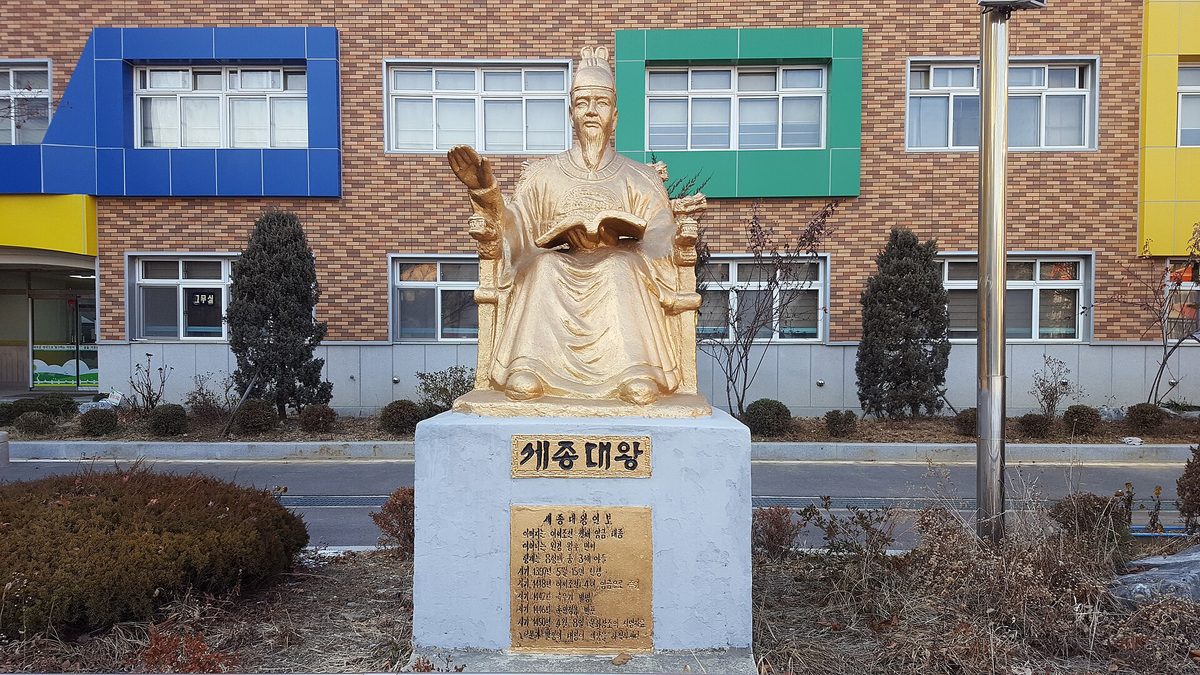
Korean honorifics list and meanings: the quick reference table
These are the 14 titles and suffixes you’ll meet most, in Revised Romanization (the official system), with the spellings fans often use in brackets. “Polite” marks forms that are safe with people you don’t know well.
| English | Korean | Romanization | When to use it |
|---|---|---|---|
| Mr./Ms. (between equals) | 씨 | -ssi | Polite. After a full or given name for adults of similar status: 김지민 씨, 지민 씨. |
| Respected (upward) | 님 | -nim | Polite. After titles and job names for people above you or for customers: 선생님, 고객님. |
| Teacher, respected professional | 선생님 | seonsaengnim | Polite. Teachers, doctors and other respected professionals. |
| Boss, owner | 사장님 | sajangnim | Polite. Company presidents, and a friendly way to address small-business owners. |
| Older brother (said by women) | 오빠 | oppa | A woman to an older man she’s close to: a brother, friend or partner. |
| Older brother (said by men) | 형 | hyeong (hyung) | A man to an older man he’s close to. |
| Older sister (said by women) | 언니 | eonni (unnie) | A woman to an older woman she’s close to. Sometimes also used for female shop staff. |
| Older sister (said by men) | 누나 | nuna (noona) | A man to an older woman he’s close to. |
| Senior | 선배 / 선배님 | seonbae / seonbaenim (sunbae) | Someone who joined your school, club or company before you. Add -nim for extra respect. |
| Junior | 후배 | hubae (hoobae) | Describes someone who joined after you. Rarely used to address them directly. |
| Younger sibling, younger friend | 동생 | dongsaeng | Describes a younger person you’re close to. You still call them by name. |
| Name ending for close or younger people | 아 / 야 | -a / -ya | Casual. Goes after a given name: -a after a consonant (지민아), -ya after a vowel (수지야). |
| Middle-aged woman | 아주머니 / 아줌마 | ajumeoni / ajumma | Ajumeoni is the polite form. Ajumma can come across as blunt. |
| Middle-aged man | 아저씨 | ajeossi (ajusshi) | Neutral to slightly casual for a man you don’t know. |
Service settings add a few more. 고객님 (gogaengnim) means “valued customer”, 손님 (sonnim) means guest, and 기사님 (gisanim) is how people address a taxi or bus driver. With older people, 할머니 (halmeoni, grandmother) and 할아버지 (harabeoji, grandfather) work as warm, polite forms of address, even for strangers.
-ssi vs -nim: what the two most common suffixes mean
When to use -ssi (씨)
-ssi follows a person’s full name (김지민 씨) or given name (지민 씨). It’s for adults you’d treat as equals: colleagues at your level, classmates in an adult class, a new acquaintance whose name you know. Think of it as polite but level. It isn’t upward respect.
The trap is the surname. “Kim-ssi” on its own can sound like a supervisor calling for a worker, and it often comes across as condescending. Use the full name or the given name.
When to use -nim (님)
-nim shows upward respect. In speech it usually attaches to a title rather than a name: 선생님 (teacher), 교수님 (gyosunim, professor), 사장님 (owner), 부장님 (department head). Banks, hospitals and online services increasingly call customers by full name plus -nim (김지민 님), and Korean emails often open the same way. Online, people often add -nim to each other’s usernames to stay polite with strangers.
Is there a Korean word for Mr. and Mrs.?
Not directly. Married women in Korea traditionally keep their own surnames, so “Mrs. Park” doesn’t translate neatly. With someone you know, use their name plus -ssi or their title plus -nim. With someone you don’t, use their job or role.
Oppa, unnie, hyung, noona: who says which
All four words mean “older sibling”. Your own gender decides which pair you use, which catches out almost every beginner.
| If you are | To an older man | To an older woman |
|---|---|---|
| Female | 오빠 (oppa) | 언니 (eonni, unnie) |
| Male | 형 (hyeong, hyung) | 누나 (nuna, noona) |
What does oppa really mean?
Literally, it’s what a younger sister calls her older brother. In practice, women use it for older male friends and boyfriends too, so it carries warmth. K-pop fans calling idols “oppa” is a fan convention. In daily life, calling a man you’ve just met oppa sounds odd or overly familiar. Our K-pop terms guide covers the fan-side words, including 막내 (maknae, the youngest member of a group).
Can foreigners use hyung or unnie?
Yes, once you’re actually close and the other person is older. Koreans usually like it, because it means you’ve understood the relationship. If you’re unsure, ask: 언니라고 불러도 돼요? (eonni-rago bulleodo dwaeyo?, “Can I call you unnie?”). Swap in the right word for your situation.
On the other side of the relationship, the older person usually calls you by your given name plus -a or -ya. They don’t call you “dongsaeng” to your face. That word describes you to other people, as in 아는 동생 (aneun dongsaeng, “a younger friend of mine”).
Sunbae, hoobae and dongsaeng: seniority at school and work
선배 (seonbae, often spelled sunbae) means someone who entered your school, club, company or industry before you. The sorting is by entry order, and that can clash with age: a younger person who joined earlier is technically your sunbae. Koreans handle these awkward pairs case by case, often with a mix of polite speech on both sides.
You’ll hear 선배님 (seonbaenim) a lot in entertainment, where junior performers address senior ones this way, and in university and hospital dramas. 후배 (hubae, hoobae) is the junior. It’s a description (“she’s my hoobae”), so you call the person by name.
Korean workplace titles: why everyone ends in -nim
In a traditional Korean company, calling your manager by their first name is close to unthinkable. You use their job title plus -nim, and that title often stands in for “you” altogether. A common ladder, from the top down:
- 회장님 (hoejangnim): chairman, the head of a chaebol (a family-run business group like Samsung or Hyundai)
- 사장님 (sajangnim): president or CEO
- 부장님 (bujangnim): department head
- 차장님 (chajangnim): deputy department head
- 과장님 (gwajangnim): manager
- 대리님 (daerinim): assistant manager
- 팀장님 (timjangnim): team leader, a role-based title many firms now use
- 사원 (sawon): staff member, usually addressed as given name plus -ssi
Every company draws its own ladder, so learn the one on your business card and your colleagues’ cards.
A worked example: your first week at a Seoul office
Say Emma, 28, joins a marketing team in Seoul. Her team leader, Park Ji-hoon, is 41. He’s always 팀장님, never “Ji-hoon-ssi”, and she speaks to him in haeyo-che, switching to hasipsio-che in meetings. Lee Su-jin, 30, is an assistant manager, so Emma calls her 수진 대리님 or simply 대리님. Her title outranks name-plus-ssi.
Choi Yu-na, 27, joined the same week as Emma at the same level, so she’s 유나 씨, in haeyo-che. Kim Min-ho, a 24-year-old intern, is younger than Emma, but at work he’s still 민호 씨, not 민호야. Casual name endings in the office can sound bossy.
After a few team dinners, Su-jin might tell Emma, “Outside work, just call me unnie.” That’s a real step closer. Back in the office on Monday, she’s 대리님 again.
Are Korean companies dropping titles?
Some are. Tech firms and startups in particular have flattened their titles, using -nim after everyone’s name or English nicknames. If you’re joining a Korean company, check its own conventions in your first week. Otherwise, copy what your colleagues say.
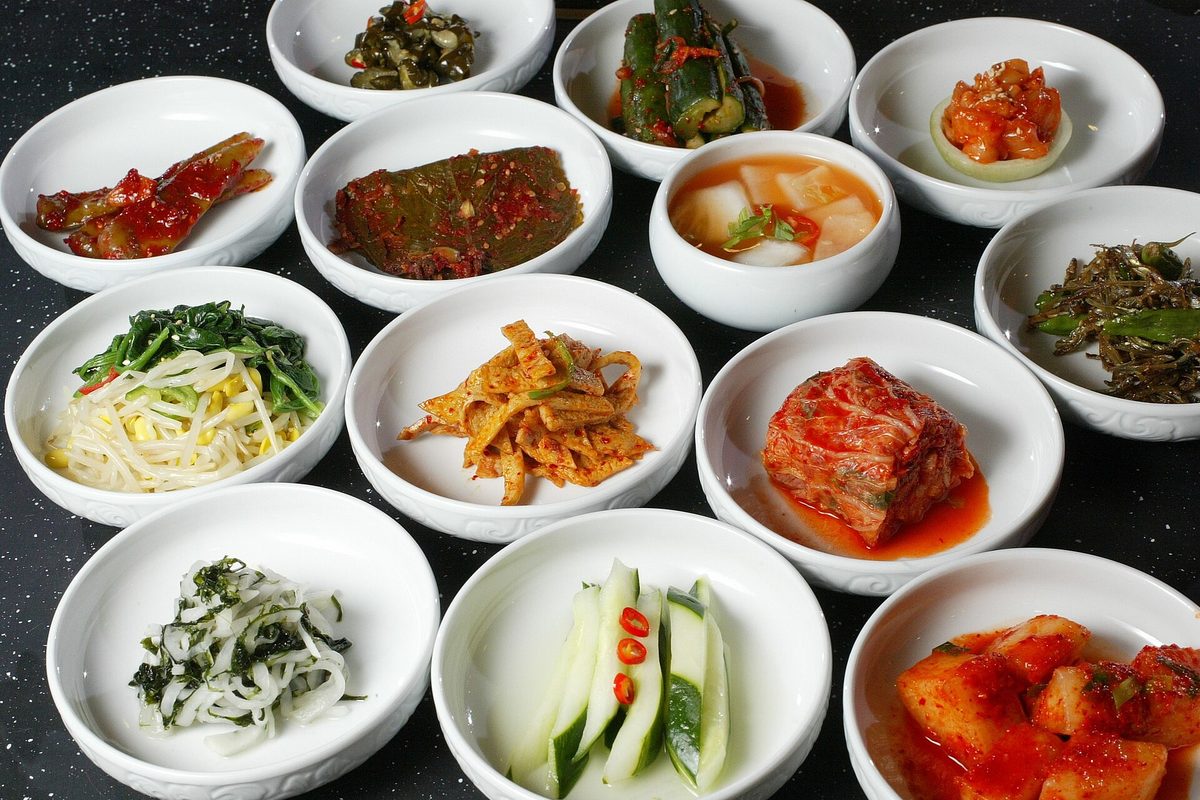
How to address strangers in Korea: ajumma, ajusshi, imo, sajangnim
With strangers, Koreans avoid names entirely and use a role or a family word instead. Here’s what works where.
- Restaurants: 저기요 (jeogiyo, “excuse me, over here”) is the safest way to call a server. Regulars often call older women on staff 이모 (imo, “aunt”), which is friendly, and the owner 사장님.
- Taxis: 기사님 (gisanim) for the driver.
- Older women and men: 어머님 (eomeonim, a respectful “mother”) or 아주머니 (ajumeoni) for a woman, 아저씨 (ajeossi) for a man. 아줌마 (ajumma) is common in speech but can sound dismissive, so learners do better with the longer, politer form.
- Shops: staff will call you 고객님 or 손님. You don’t need to call them anything. Jeogiyo is enough.
Mealtimes have their own politeness rules, from who pours drinks to when you start eating. Our guide to Korean dining etiquette for foreigners covers them.
7 honorific mistakes foreigners make in Korea
- Putting -ssi or -nim after your own name. “저는 엠마 씨예요” sounds like you’re honoring yourself. Say 저는 엠마예요 (jeoneun Emma-yeyo).
- Using -ssi with someone above you. Calling your teacher or boss by name plus -ssi sounds flat and a little disrespectful. Use their title plus -nim.
- Surname plus -ssi. “Park-ssi” can sound like an order from a supervisor. Use the full or given name.
- Translating “you” as 당신 (dangsin). Dictionaries list it, but in speech it’s mostly used between spouses, in writing or song lyrics, or in arguments. Koreans usually skip “you” and use the person’s name or title.
- Using fan vocabulary in real life. Oppa and unnie are relationship words. Using them with strangers or new colleagues sounds odd, however natural it feels from fandom.
- Switching to banmal unasked. Even with someone younger, wait until the relationship is established. Moving to casual speech is normally agreed, not assumed.
- Honoring yourself by accident. “제가 드실게요” uses the respectful 드시다 for your own eating. Use plain verbs for yourself (제가 먹을게요) and save honorific verbs for others.
FAQ
What does -ssi mean in Korean?
-ssi (씨) is a polite suffix that works roughly like “Mr.” or “Ms.” between adults of similar standing. It goes after a full or given name, as in 지민 씨. It doesn’t show upward respect, so don’t use it with teachers or bosses, and never with your own name.
What is the difference between -ssi and -nim?
-ssi is level politeness between equals. -nim shows respect upward and usually attaches to a title, as in 선생님 or 사장님. Customer-service settings increasingly use full name plus -nim as well.
Can a foreigner call someone oppa?
Only a woman can say oppa, and only to an older man she’s actually close to, such as a friend or partner. Men use hyung for older men. With strangers or new colleagues, stick to names with -ssi or titles with -nim.
Is it rude to speak banmal to a Korean person?
With a stranger or anyone older, usually yes. Banmal (casual speech) is for close friends of the same age, younger people you know well and family. Use haeyo-che until the other person suggests dropping it.
What do you call a Korean teacher or boss?
A teacher is 선생님 (seonsaengnim) and a professor is 교수님 (gyosunim). A boss is called by job title plus -nim, such as 팀장님 or 부장님. The title replaces their name and even the word “you”.
Why do Koreans ask your age when they first meet you?
Age, usually by birth year, tells them which titles and speech level to use with you. Someone born the same year can become a 친구 (chingu) and use casual speech, while older people get polite forms. It’s a practical question about how to speak to you, and it isn’t considered intrusive.
How to start using Korean honorifics this week
Start with one speech level. Get comfortable with haeyo-che endings like -아요/-어요 and -세요, because they’re polite enough for almost any stranger, shop or office.
Next, practice on real names. Go through the Korean names in your phone or class list and say each one aloud with the right ending: given name plus -ssi for peers, title plus -nim for anyone above you, given name plus -a or -ya only for close, younger friends.
Then listen for it on screen. In any office or school K-drama, keep track of who says 선배님, 대리님 or 언니, and notice the scene where two characters agree to switch to banmal. From that scene on, they usually treat each other as close friends. When you’re ready, try it with a Korean friend: ask which title they’d like you to use, and let them decide when it’s time to speak casually.
Related reading
Sources k-korea.blog
Prices, opening hours and availability change. Check the official page before you buy or travel.