
17 min read
This K-pop guide for beginners covers the 4 things new fans need first: how agencies build idol groups, how the generations divide, what fandom words mean and how concerts in Korea work. K-pop (케이팝, Korean popular music) is an industry system as much as a sound, and once you see the system, the confusing timelines and fan slang start to make sense.
The fastest way in is the way most Korean fans got hooked: pick one group you already like, follow one full comeback cycle, then branch out from there.
Key takeaways
- Most idols train for years inside an agency before debut, and the agency, not the group, sets the plan.
- A “comeback” means any new release, even from a group that never went away.
- Fans split K-pop into roughly 5 generations, from 1990s pioneers like H.O.T. to groups debuting now.
- Korea runs on KST (UTC+9, no daylight saving), so releases and ticket sales open on Seoul time, not yours.
K-pop guide for beginners: how an idol is actually made
In the West, a band usually forms itself, plays small gigs and gets signed. K-pop works the other way around. An entertainment agency (기획사, gihoeksa) scouts or auditions teenagers, trains them, designs the group and only then introduces it to the public. Think of it as a product line with real people inside it, and you’ll understand why concepts, colors and even member positions feel so planned.
The trainee system
Trainees (연습생, yeonseupsaeng) take lessons in singing, dancing, languages and how to handle cameras and interviews. Agencies run regular internal evaluations, and many trainees never debut at all. How long someone trains varies hugely, from a short stint to many years, so treat any single “average” figure you see online with caution.
Debut and the rookie year
Debut (데뷔) is the group’s first official release and stage. The first year is the rookie year, and the big prize is a rookie award at the year-end ceremonies Koreans watch every winter, such as the MAMA Awards, the Melon Music Awards and the Golden Disc Awards. A strong rookie year sets a group’s reputation for years.
Positions inside a group
Agencies often announce each member’s role, and fans track them closely. The leader speaks for the group, the main vocal carries the hardest notes, the main dancer anchors choreography, and the center stands at the heart of the formation. The maknae (막내) is simply the youngest member, a role Koreans take seriously because age order shapes how people talk to each other.
Survival shows
Some groups are formed on TV. Mnet’s Produce 101 in 2016 created I.O.I, and later seasons produced Wanna One and others, with viewers voting on who makes the final lineup. The format took a hit in 2019 when vote manipulation in the Produce series ended in court convictions for producers, and audition shows since then have been watched more skeptically.
The K-pop generations explained, from H.O.T. to today
Korean fans and media group idols into generations (세대, sedae). The lines are fuzzy and fans argue about them constantly, but the labels are useful shorthand. When someone says “a 2nd-gen song,” they mean a specific sound and era.
| Generation | Rough era | Groups often named | What changed |
|---|---|---|---|
| 1st | Late 1990s to early 2000s | H.O.T., S.E.S., Sechs Kies, Fin.K.L, g.o.d | The agency-built idol model takes shape; fan clubs use colored balloons and raincoats |
| 2nd | Mid-2000s to early 2010s | TVXQ, Super Junior, Big Bang, Girls’ Generation, Wonder Girls, KARA, SHINee, 2NE1 | Expansion into Japan and the rest of Asia; YouTube spreads music videos; PSY’s “Gangnam Style” (2012) goes global |
| 3rd | About 2012 to 2017 | EXO, BTS, TWICE, BLACKPINK, Red Velvet, SEVENTEEN, GOT7, MAMAMOO | Social media fandoms, US charts and stadium world tours |
| 4th | About 2018 to 2022 | Stray Kids, ATEEZ, TXT, ITZY, aespa, ENHYPEN, IVE, LE SSERAFIM | Online concerts during the pandemic, TikTok dance challenges, fan apps |
| 5th | 2023 onward (still debated) | RIIZE, ZEROBASEONE, BOYNEXTDOOR, BABYMONSTER, TWS, ILLIT | Global-first launches and faster release cycles |
Why the generations matter to a new fan
Generations explain the respect system you’ll see on stage. Senior artists are sunbae (선배) and juniors are hoobae (후배), and younger idols bow to older ones and cover their songs on award shows. Once you notice it, you’ll catch a lot of moments that would otherwise slip past.
They also tell you where to dig. If you like a 4th-gen group’s sharp, layered choreography, try 2nd-gen performance groups like SHINee or TVXQ. If you like girl-crush concepts, go back to 2NE1 and then forward to BLACKPINK and BABYMONSTER.
Who runs K-pop: the big agencies and their groups
Koreans have long talked about the “Big 4” agencies: HYBE, SM Entertainment, JYP Entertainment and YG Entertainment. Each has a recognizable style, and knowing the label behind a group tells you a lot about what its music and visuals will feel like.
| Agency | Known for | Groups you’ll hear about |
|---|---|---|
| HYBE (multi-label) | Storytelling across albums, strong fan platforms; labels include Big Hit Music, Pledis, Belift Lab, Source Music and KOZ | BTS, TXT, SEVENTEEN, ENHYPEN, LE SSERAFIM, BOYNEXTDOOR, TWS, ILLIT |
| SM Entertainment | Experimental pop, big concepts, a long idol history going back to the 1990s | TVXQ, Super Junior, Girls’ Generation, SHINee, EXO, Red Velvet, NCT, aespa, RIIZE |
| JYP Entertainment | Bright, catchy pop and a focus on performance and personality | 2PM, TWICE, Stray Kids, ITZY, NMIXX |
| YG Entertainment | Hip-hop influence and confident, swaggering concepts | Big Bang, BLACKPINK, TREASURE, BABYMONSTER |
Plenty of hit groups come from outside the Big 4. Starship Entertainment manages IVE and MONSTA X, KQ Entertainment manages ATEEZ, and CJ ENM (the company behind Mnet) runs survival shows and the MAMA Awards. Don’t treat the agency list as a quality ranking. It’s a map.
Why the agency matters to you
The agency decides release timing, tour cities, which fan app the group uses and where official merch is sold. When you’re trying to work out whether a lightstick or membership is genuine, the agency’s official site and social accounts are the source to trust.
Where to listen and watch K-pop from abroad
Abroad, you’ll mostly use Spotify, Apple Music and YouTube. Koreans mostly stream on domestic apps like Melon, Genie, Bugs and FLO, and those apps feed the Korean charts that fans quote. Many of them need a Korean phone number, so most foreign fans watch the charts rather than stream on them.
The weekly music shows
Music shows are live or pre-recorded TV programs where groups perform their new songs every week of a promotion. Each one hands out a weekly first place using its own mix of digital, physical, broadcast and voting scores. The traditional schedule looks like this, but days move around for holidays and specials, so check the broadcaster’s listings.
| Show | Broadcaster | Traditional day | Why fans watch |
|---|---|---|---|
| Show Champion | MBC M | Wednesday | Often a newer group’s first win |
| M Countdown | Mnet | Thursday | First big stage of the week for many comebacks |
| Music Bank | KBS2 | Friday | Long-running chart show with a wide audience |
| Show! Music Core | MBC | Saturday | Strong live stages |
| Inkigayo | SBS | Sunday | Closes the promotion week |
The broadcasters upload stages to their official YouTube channels, which is how most fans outside Korea watch. Search the show name plus the song title. Full episodes and streaming rights differ by country.
Variety shows and idol content
Personality is half the appeal. Groups put out their own reality and variety series on their YouTube channels and fan apps, and they appear on Korean variety shows such as JTBC’s Knowing Bros and Weekly Idol. Subtitles depend on who uploads them, and availability varies, so check the official channel first.
How a K-pop comeback works, step by step
“Comeback” (컴백) confuses everyone at first. In K-pop it means any new single or album, even if the group released something three months ago. The promotion cycle runs to a fairly predictable script.
- Announcement. The agency posts a teaser schedule: a calendar image listing every drop until release day.
- Teasers. Concept photos, a track list, a highlight medley (short clips of each song) and music video teasers come out over days or weeks.
- Release. The song and music video drop together, most often at 6 p.m. Korea time.
- Showcase. Many groups hold a media or fan showcase on release day to perform the new songs.
- Music show weeks. The group performs on the weekly shows, usually for a few weeks.
- The first win. If the song tops a show, fans call it a win, and a group’s first one is a big emotional moment, often with tears and an encore stage.
- Goodbye stage. The last music show appearance closes the promotion. Then come fan meetings, tours or the next project.
Working out release times from abroad
KST is UTC+9 all year round because Korea doesn’t use daylight saving. A 6 p.m. KST release lands at 9 a.m. UTC, early morning on the US East Coast in winter and the middle of the night on the West Coast. Put the time into your phone’s world clock once and you’ll stop missing drops.
What counts as a hit in Korea
Korean fans look at a few things together: real-time and daily rankings on Melon, first-week album sales and music show wins. An “all-kill” (올킬) means a song is number one on every major Korean chart at the same time. Strong domestic streaming and strong global album sales are different kinds of success, and some groups are much bigger in one than the other.
K-pop fandom terms every new fan hears
Fan language mixes Korean, English and “Konglish” (English words Koreans use in new ways). Here are the terms you’ll run into in your first week, with the Hangul so you can recognize them on Korean posts.
| Term | Hangul | Romanization | Meaning |
|---|---|---|---|
| Idol | 아이돌 | aidol | A singer-performer trained and managed by an agency |
| Trainee | 연습생 | yeonseupsaeng | Someone training at an agency before debut |
| Maknae | 막내 | maknae | The youngest member |
| Sunbae / hoobae | 선배 / 후배 | seonbae / hubae | Senior / junior in the industry |
| Bias | 최애 | choeae | Your favorite member |
| Bias wrecker | 차애 | chaae | Your second favorite, the one who tempts you away |
| Comeback | 컴백 | keombaek | A new release and its promotion |
| Fancam | 직캠 | jikkaem | Video focused on one member during a stage |
| Fansign | 팬사인회 | paensainhoe | Event where fans meet members one by one for autographs |
| Lightstick | 응원봉 | eungwonbong | A group’s official light-up concert stick |
| Fanchant | 응원법 | eungwonbeop | The official words fans shout during a song |
| Aegyo | 애교 | aegyo | Deliberately cute behavior or voice |
| Ending fairy | 엔딩요정 | endingyojeong | The close-up of one member when a stage ends |
| Photocard | 포토카드 | potokadeu | A collectible member photo inside albums |
| First-week sales | 초동 | chodong | Album sales in the first 7 days |
| Sasaeng | 사생팬 | sasaengpaen | An obsessive fan who invades an idol’s private life |
| Daebak | 대박 | daebak | “Amazing!” or “No way!” |
| Hwaiting | 화이팅 | hwaiting | “You’ve got this!”, a cheer |
Fandom names
Every group has an official name for its fans, and using the right one is basic courtesy. BTS fans are ARMY, BLACKPINK fans are BLINK, TWICE fans are ONCE, SEVENTEEN fans are CARAT, Stray Kids fans are STAY, aespa fans are MY, EXO fans are EXO-L, ATEEZ fans are ATINY and TXT fans are MOA. If you’re unsure, the group’s official social profile usually says it.
Fan apps and fan cafes
Most groups talk to fans through an app. Weverse (HYBE’s platform, which other agencies also use) carries posts and live streams, and Bubble lets you subscribe to private-style messages from members. Older Korean fandoms still run official fan cafes on Daum, a Korean portal. Paid memberships often decide who gets concert presale access, so check which platform your group uses before a tour is announced.
Korean phrases to use at concerts, fansigns and online
You don’t need fluent Korean to enjoy K-pop, but a few lines go a long way at a fansign or in a live chat. Polite forms are the safe default with idols you don’t know personally.
| English | Korean | Romanization | When to use it |
|---|---|---|---|
| Hello | 안녕하세요 | annyeonghaseyo | Polite greeting, the first thing you say at a fansign |
| I love you | 사랑해요 | saranghaeyo | Polite; shouted at concerts and typed in live chats |
| Thank you | 감사합니다 | gamsahamnida | Formal and polite, right for any meeting |
| You worked hard | 수고했어요 | sugohaesseoyo | Polite; after a show or the end of a promotion |
| Congratulations on first place | 1위 축하해요 | irwi chukahaeyo | Polite; after a music show win |
| Please look here | 여기 봐 주세요 | yeogi bwa juseyo | Polite; on a concert banner or at a fansign |
| Encore | 앵콜 | aengkol | Chanted at the end of a concert or after a win |
| Fighting | 화이팅 | hwaiting | Casual cheer, fine in any setting |
If you want to practice the songs themselves, Seoul’s karaoke rooms carry huge K-pop catalogs. Our noraebang guide to rooms, remotes and rules shows how to find a song by number and what Koreans actually sing.
Albums, photocards and merch: how buying works
K-pop albums aren’t just CDs. A typical release comes as a box or book with photos, a CD, stickers and one or more random photocards, and it often comes in several versions with different covers and photos. That’s why fans buy more than one copy, and why first-week sales numbers can look enormous next to Western albums.
How album versions and photocards work
Photocards are random, so fans trade to complete their sets. Retailers add a pre-order benefit (often written POB): an extra photocard or poster only for that shop’s orders. First-week sales (초동, chodong) are tracked by Korean charts such as the Hanteo Chart and the Circle Chart, and fandoms organize group buys to push the number up.
Should you buy multiple versions?
Our advice: buy one version of the album whose cover you like most and stream the rest. Buying several versions only makes sense if you collect or want a specific member’s card. Plenty of fans end up with a shelf of unopened duplicates and a pile of unwanted cards, and the music is the same on every version.
Where to buy, at home and in Seoul
- Abroad: order from the group’s official shop (Weverse Shop for many groups) or authorized retailers the agency lists. Add shipping and possible import duties to your budget before you check out.
- In Seoul: record shops in Myeongdong and Hongdae stock current releases, and agencies run official stores and pop-ups. Locations change, so check the agency’s official accounts before you go.
- Lightsticks: buy only official versions. Fakes often won’t sync with the concert lighting system, and then the main point of having one is gone.
Idols also front Korean beauty and snack brands, so you’ll see their faces on shop posters all over Seoul. If idol endorsements are pulling you toward K-beauty, our guide to what to buy at Olive Young in Korea versus the global site covers that, and our list of 12 Korean snacks Koreans buy and how to pack them is the one to read for food.
Idol stage makeup is a hobby of its own. Many fans who copy their bias’s look start with a personal color analysis in Seoul, which tells you which of the 4 seasonal palettes suits you before you buy anything.
K-pop concerts in Seoul: tickets, venues and rules
Seeing a group in Seoul is the dream for many fans abroad, and it’s very doable if you prepare. The hard part is the ticketing. The show itself is the easy part.
How K-pop ticketing works
Big concerts usually sell in stages: a fan club presale for paid members first, then a general sale. In Korea, tickets mostly sell through Korean ticket platforms such as Interpark Ticket, Melon Ticket and Yes24 Ticket. Some shows also get a separate global sale with an English page. Seats go in minutes for popular groups, so log in early, sync your clock to Korean time and have payment ready.
Concert dates, prices and seat maps change from show to show. The only reliable source is the agency’s official notice and the ticket platform’s event page.
Concert venues foreign fans ask about
| Venue | Area | Best for knowing |
|---|---|---|
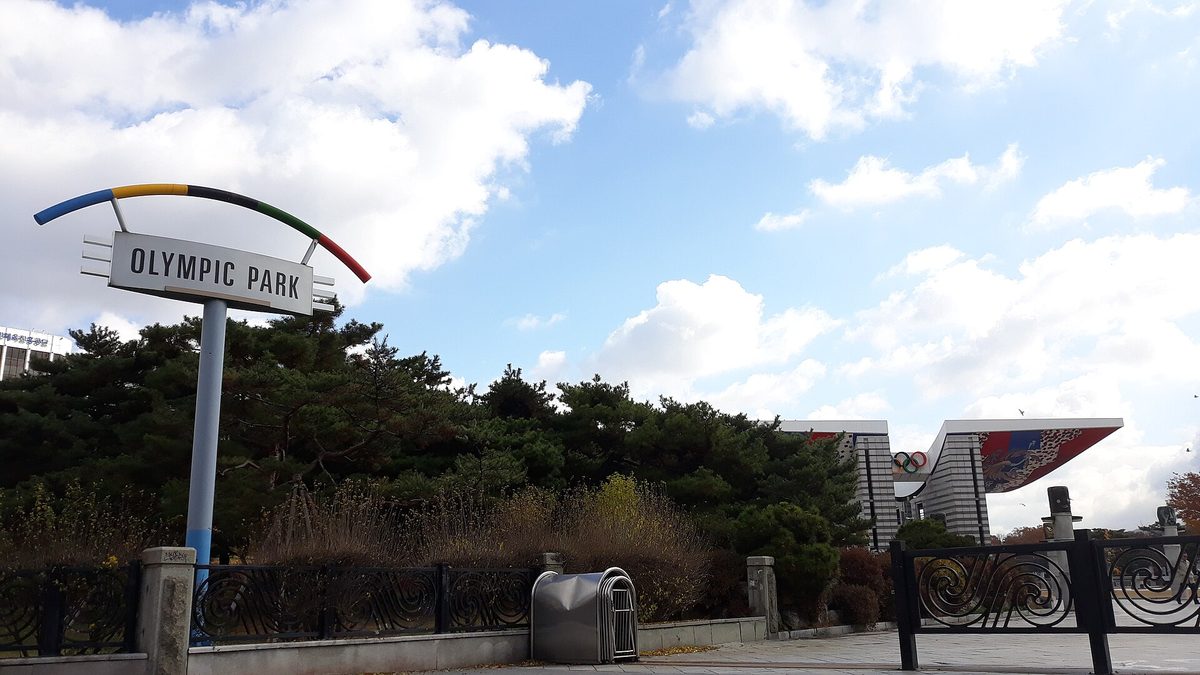
| KSPO Dome | Olympic Park, Songpa-gu, Seoul | Indoor arena where many major groups hold Seoul tour dates |
| Gocheok Sky Dome | Guro-gu, Seoul | Domed baseball stadium used for the biggest indoor shows |
| Inspire Arena | Yeongjong Island, Incheon | Large arena near Incheon Airport; check transport before you book a hotel in central Seoul |
- Area
- KSPO Dome, Olympic Park, Songpa-gu, Seoul
- Nearest station
- Olympic Park Station (Lines 5 and 9)
- Time needed
- Half a day, including merch lines before the show
- Before you go
- check the event notice and the venue’s official page for gate times and bag rules
- Area
- Gocheok Sky Dome, Guro-gu, Seoul
- Nearest station
- Guil Station (Line 1)
- Time needed
- Half a day; crowds leaving after the show slow the trains
- Before you go
- check the event notice and the venue’s official page for gate times and bag rules
What happens on concert day
- Merch lines often start well before the doors open. Many Korean fans queue early, carry a roll of kimbap and water, and treat the line as part of the day. If you want to make your own, our kimbap recipe with 7 classic fillings shows how to roll it tight enough to survive a bag.
- Standing sections usually let people in by ticket number, so a low number means a spot closer to the stage.
- Lightsticks are paired with your seat through the official app or at the venue, so the arena lights up in planned colors.
- Fanchants come out with each album. Learn the ones for the title tracks, and you’ll feel part of the crowd instead of watching it.
- Cameras: many Korean concerts ban professional cameras and strictly enforce no-filming rules. Follow the notice.
Plan the trip around the show. Seoul in winter is cold and summer brings the monsoon, and our Korea weather by month guide tells you what to pack for hours in a queue. First-timers should also read our 20 mistakes first-time visitors make in Korea, from transit cards to cash. For a cheap meal before or after, Gwangjang Market’s food stalls are an easy subway ride from central Seoul.
Common mistakes new K-pop fans make
Most beginner mistakes cost money or goodwill. Here’s what to avoid.
- Buying from scalpers. Inflated resale tickets are a common way fans lose money, and name-matched entry can make them useless.
- Buying fake lightsticks and albums. If the price looks too good, it usually is. Buy from official or authorized shops.
- Spreading rumors. Dating gossip and leaked private information hurt real people. Korean fandoms treat sasaeng behavior as unacceptable, and so should you.
- Judging a group only by wins. Music show trophies depend on scoring rules and on who else is promoting that week. A group without wins can still have a loyal fandom and a great catalog.
- Joining fan wars. Arguing between fandoms online wastes energy and rarely helps the artists you like.
- Forgetting the time zone. Everything runs on KST. Set alarms for releases and ticket openings on Seoul time.
Why your favorite group goes quiet
Gaps don’t always mean a group is ending. Military service is mandatory for most Korean men, so male idols usually enlist at some point, and groups often pause or release as smaller units while members serve. Contract renewal is the other big moment: Korea’s standard entertainment contract has long been capped at 7 years, which is why fans call the 7-year mark a nervous time for groups.
Young idols and the rules that protect them
Many trainees and idols start as minors, and Korea has rules on working hours and conditions for under-18 performers. If you want the details, our explainer on K-pop minor protection and the current law covers what applies now and what is under review.
Your first 30 days as a K-pop fan: a checklist
Here’s a simple order that works for most new fans, without overspending or burning out.
- Pick one group whose song hooked you, and listen to its latest album start to finish.
- Learn the members with a member-introduction video from the group’s official channel, and note who the leader and maknae are.
- Watch one music show stage and one fancam of the same song to see how the choreography is built.
- Follow the official accounts and turn on notifications so teaser schedules don’t pass you by.
- Watch a variety episode to get a feel for personalities.
- Go back one generation. Ask which senior groups your group admires and listen to their hits.
- Decide on spending before the next comeback: one album, a lightstick, or a membership if you want concert access.
- Check tour notices on official channels only, and work out what a trip to Seoul would need: passport, ticket name rules and dates.
FAQ
Where should a K-pop beginner start?
Start with one song you already like and follow that group through one full comeback. From there, try groups from the same agency or generation, since they often share a sound. Playlists on Spotify and YouTube built around one generation also work well.
What does “comeback” mean in K-pop?
A comeback is any new release by an artist, along with its promotion. It doesn’t mean the group was gone. A group can have several comebacks in one year.
What is a bias in K-pop?
Your bias is your favorite member of a group, called choeae (최애) in Korean. A bias wrecker is the member who keeps tempting you to switch. Many fans also have an “ultimate bias” across all groups.
Do I need to speak Korean to be a K-pop fan?
No. Most official content gets English subtitles, and global fandoms translate fast. Learning to read Hangul (the Korean alphabet), which takes most people a few days, makes album credits, fanchants and Korean posts much easier.
How do I get K-pop concert tickets in Korea as a foreigner?
Check whether the show has a global sale on a platform such as Interpark Ticket, Melon Ticket or Yes24 Ticket, and whether presale needs a paid membership. Buy in your own name and bring your passport, because ID checks are common. Always use the official notice for dates and prices.
What are the K-pop generations?
Generations are loose eras that group idols by debut period, from 1st-gen acts like H.O.T. in the late 1990s to 5th-gen groups debuting since 2023. The boundaries are debated. They’re shorthand for sound, style and the fan culture of each era.
What to watch and plan next
Your next step depends on what hooked you. If it was the performance, watch music show stages and fancams of 4th-gen groups like Stray Kids, ATEEZ and IVE, then go back to SHINee and Big Bang. If it was the songs, follow a group’s full discography rather than only its title tracks, because the side tracks are often where agencies take risks.
If a Seoul concert is on your list, set up your ticket platform account and fan membership before a tour is announced, and build the rest of the trip around it with our first-time Korea travel tips. Year-end award season is when every generation shares one stage, and it’s the best crash course a new fan can get.
Related reading






Sources k-korea.blog
Prices, opening hours and availability change. Check the official page before you buy or travel.