
9 min read
What is Kimchi Day (김치의 날)? It’s November 22, a date South Korea fixed in law in 2020 to honor its national side dish. It’s back in the news because the Los Angeles City Council is set to recognize November 22 as Kimchi Day, according to Los Angeles magazine (LAmag). Here’s why the date was chosen, how Koreans actually mark it, and how to join in from abroad.
Key takeaways
- The date is a number pun (see below).
- Kimchi Day is not a day off in Korea. Offices, schools and shops run as normal.
- It lands in kimjang (김장) season, the late-autumn weeks when Korean families make a winter’s worth of kimchi in one go.
- California recognized Kimchi Day in 2021, and Los Angeles is the latest US city adding its name, per LAmag.
What is Kimchi Day? The November 22 date explained
Kimchi Day is an official commemorative day in South Korea, created through a 2020 amendment to the country’s kimchi industry promotion law. Korea marked the first one on November 22, 2020. It is a promotional day, the kind a government uses to push an industry and a piece of heritage, so don’t expect parades.
The number logic is very Korean. The “11” of November represents each of kimchi’s ingredients (cabbage, radish, chili, garlic, ginger, salted seafood and more) coming together one by one. The “22” stands for 22 benefits attributed to the finished dish. Koreans love date wordplay like this, the same instinct behind Pepero Day on November 11.
Is Kimchi Day a holiday in Korea?
No. Banks, schools and offices stay open, and most people in Seoul go through November 22 without noticing. If you’re planning a trip around real days off, check our list of Korean holidays in 2027. Kimchi Day shows up instead in supermarket promotions, government events and a burst of news stories about kimchi exports.
Why LA is set to recognize Kimchi Day now
LAmag reports that the Los Angeles City Council is set to recognize November 22 as Kimchi Day. That fits a pattern. California’s legislature passed a Kimchi Day resolution in 2021, as Korea’s Ministry of Agriculture, Food and Rural Affairs (MAFRA) publicized at the time; the resolution text can be checked on the California Legislative Information site.
Los Angeles makes particular sense. Koreatown is one of the largest Korean communities outside Korea, and Korean barbecue has long been part of the city’s food identity. A city resolution has no legal effect on what you eat. What it does is give Korean restaurants, markets and community groups a date to build events around.

How Koreans actually mark Kimchi Day
Here’s what a Kimchi Day in Korea looks like: nothing dramatic at home, because kimchi is already on the table at almost every meal. The real event of the season is kimjang, the late-autumn ritual of making a huge batch of kimchi to last through winter. UNESCO inscribed kimjang on its intangible heritage list in 2013, and North Korea’s kimchi-making tradition was added separately in 2015.
Kimjang timing follows the cold. Families in the north of the country start earlier, those in the warmer south later, and the Seoul area usually lands between late November and early December. Supermarkets stack salted napa cabbage by the box, and grandmothers, parents and adult children gather on a weekend to rub seasoning into dozens of cabbage halves.
What changed in modern Korean homes
Fewer young households make kimjang from scratch now. Many Seoul office workers buy kimchi from supermarkets or receive a share from their parents’ batch. The kimchi refrigerator (김치냉장고), a separate fridge built to hold steady fermenting temperatures, is in a huge number of Korean homes for exactly this reason. Our guide to everyday Korean culture covers more of these habits that visitors notice.
Public events around Kimchi Day
Expect government-backed promotions, kimchi-sharing events for low-income households run by charities and companies, and festivals such as the Gwangju World Kimchi Festival. Gwangju is also home to the World Institute of Kimchi, a state research body. Dates change every year, so check the official festival or city pages before you plan around them.
Which kimchi to try first: 8 types compared
Most foreigners know only red napa cabbage kimchi. Korean tables rotate through far more, and the right one depends on whether you like heat, crunch or a clean, soupy flavor.
| Kimchi | Main vegetable | Taste and texture | Koreans eat it with |
|---|---|---|---|
| Baechu kimchi (배추김치) | Napa cabbage | Spicy, garlicky, gets sourer with age | Everything: rice, stews, fried rice |
| Kkakdugi (깍두기) | Cubed Korean radish | Crunchy, juicy, slightly sweet | Seolleongtang and other beef soups |
| Chonggak kimchi (총각김치) | Small whole radishes with greens | Very crunchy, bold | Ramyeon, plain rice |
| Oi sobagi (오이소박이) | Stuffed cucumber | Fresh, crisp, best young | Summer meals, barbecue |
| Pa kimchi (파김치) | Green onions | Pungent, sharp | Grilled pork, ramyeon |
| Baek kimchi (백김치) | Napa cabbage, no chili | Mild, clean, slightly sweet | Kids, anyone avoiding spice |
| Dongchimi (동치미) | Radish in brine | Cold, tangy broth | Sweet potatoes, naengmyeon broth |
| Geotjeori (겉절이) | Napa cabbage, unfermented | Fresh, salad-like, made same day | Kalguksu noodle soup, bossam |
If you don’t do spice, start with baek kimchi or dongchimi. Kkakdugi is the easiest win for first-timers who like crunch. And if you’ve only had sour, old kimchi from a jar, geotjeori will taste like a different food.
Is kimchi the same as Chinese pao cai?
Readers in Taiwan and Hong Kong will have seen kimchi written as 泡菜 (pàocài) for years. That word also names Sichuan pickles, a separate food made by brining vegetables, and the overlap fed an online dispute in 2020 after an international standard for Sichuan pao cai was approved. In 2021, Korea’s culture ministry recommended 辛奇 (xīnqí) as the official Chinese rendering for kimchi to separate the two.
You’ll still see 泡菜 on many menus and packages in Taiwan and Hong Kong, and nobody will misunderstand you. Korean brands, though, increasingly print 辛奇 on export packaging. Kimchi already had an international reference point: the Codex Alimentarius, the UN food standards body, adopted a standard for kimchi in 2001.
Where Kimchi Day shows up outside Korea
In the US, look for events in cities with large Korean communities: Los Angeles, New York, the Washington DC area. Elsewhere, Korean cultural centers run by Korea’s government often host kimchi-making classes in November. Check your local Korean Cultural Center’s website, since programs and dates are set locally.
How to celebrate Kimchi Day outside Korea
You don’t need a festival. Most Koreans mark the day, if at all, by eating kimchi the way they always do. That’s the easiest plan for you too.
Buy better kimchi abroad
- Korean supermarkets such as H Mart in North America carry fresh kimchi in the chiller, often made locally. Fresh beats shelf-stable every time.
- Big Korean brands like Jongga (from Daesang) and Bibigo (from CJ) are sold in many Asian grocers worldwide. Read the label for fish sauce or shrimp if you avoid seafood.
- Local makers sell at farmers’ markets in many cities. Ask how long the batch has been fermenting so you know whether it’s fresh or sour.
Cook with it the way Koreans do
Sour, well-aged kimchi is the prize ingredient. Koreans turn it into kimchi jjigae (김치찌개), a pork-and-kimchi stew, kimchi bokkeumbap (김치볶음밥), fried rice, and kimchijeon (김치전), crisp pancakes. A good rule: fresh kimchi for eating as a side, old kimchi for cooking.
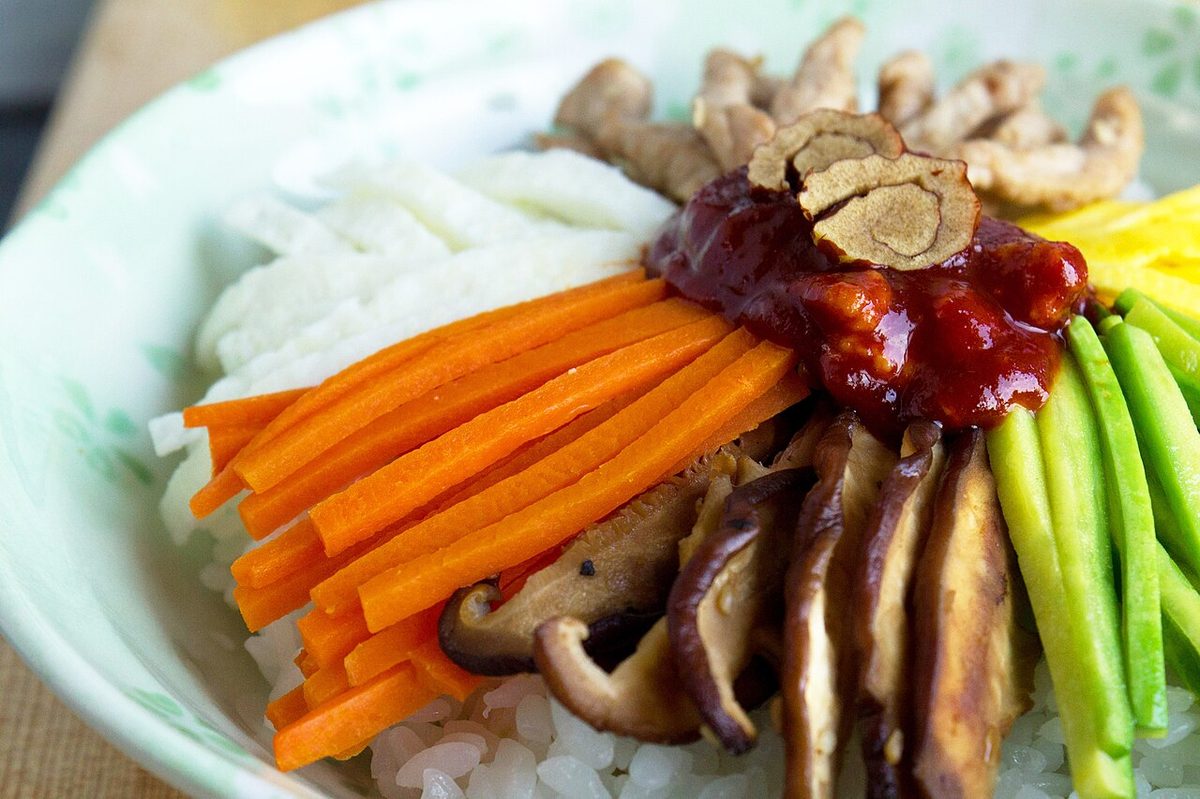
How to make geotjeori (겉절이), fresh kimchi in 45 minutes
- 1 small napa cabbage (about 1 kg)
- 1/3 cup coarse sea salt
- 3 tbsp gochugaru (Korean chili flakes)
- 2 tbsp fish sauce
- 1 tbsp minced garlic
- 1 tsp grated ginger
- 1 tsp sugar
- 3 green onions, cut into 4 cm lengths
- 1 tsp sesame oil
- 1 tbsp toasted sesame seeds
- Cut the cabbage into bite-size pieces, rinse, and toss with the salt in a large bowl. Leave for 30 minutes, tossing once halfway, until the white parts bend without snapping.
- Rinse the cabbage 2 to 3 times in cold water to remove excess salt, then drain well in a colander for 5 minutes.
- In a separate bowl, mix the gochugaru, fish sauce, garlic, ginger and sugar into a paste.
- Wear gloves and rub the paste into the drained cabbage with the green onions until every piece is coated.
- Finish with sesame oil and sesame seeds. Taste and add a little more fish sauce if it’s flat.
- Serve right away. Geotjeori is meant to be eaten fresh and keeps a few days in the fridge, getting softer as it goes.
Substitutions for hard-to-find ingredients
Gochugaru is the one ingredient you shouldn’t replace with generic chili flakes, which are hotter and bitter. Buy it at a Korean or Asian grocer, or online. For a vegan version, swap fish sauce for soy sauce plus a pinch of salt. No napa cabbage? Romaine hearts work for geotjeori since you’re not fermenting it.
Common kimchi mistakes foreigners make
The biggest one is treating kimchi like a pickle that stays the same. It doesn’t. Kimchi keeps fermenting, getting sourer and fizzier, and that’s the point. Most Koreans judge kimchi by its age as much as its recipe.
- Filling the jar to the top. Gas builds up during fermentation and juice can overflow when you open it.
- Dipping in with used chopsticks or spoons. Use clean utensils every time so other bacteria don’t get in.
- Throwing it out when it turns sour. Sour kimchi is cooking kimchi. Make jjigae with it.
- Leaving it at room temperature for days. A day or two out speeds fermentation; after that, refrigerate.
FAQ
Why is Kimchi Day on November 22?
It’s wordplay: 11 for ingredients coming together one by one and 22 for the 22 benefits said to come from the finished dish, landing right in kimjang season.
Is Kimchi Day a public holiday in Korea?
No. It’s an official commemorative day set by law in 2020, not a day off. Shops, schools and offices are open as usual.
Is kimchi the same as Chinese pao cai?
No. Pao cai is a Sichuan pickle made by brining vegetables, while kimchi is seasoned with chili, garlic, ginger and usually salted seafood before it ferments. Korea’s culture ministry recommended 辛奇 as kimchi’s Chinese name in 2021 to keep the two apart.
Is kimchi vegan?
Most traditional kimchi isn’t, because it uses fish sauce or salted shrimp. Baek kimchi and temple-style kimchi are often made without them, and many brands sell labeled vegan versions. Always check the ingredient list.
How long does kimchi last in the fridge?
Kept cold and pressed under its brine, kimchi lasts for months, getting sourer over time. Fresh-style geotjeori is best within a few days. Throw out any batch with fuzzy mold or a rotten smell.
Where can I celebrate Kimchi Day outside Korea?
Check Korean Cultural Centers, Korean supermarkets and Koreatown community groups in your city, since they set their own events. In the US, Los Angeles is set to recognize the day, according to LAmag, so watch LA’s Koreatown for events.
What to watch and plan after Kimchi Day
Watch the LA City Council for its formal recognition around November 22, and look out for Korean grocers running Kimchi Day promotions that week. If you’re in Korea in late November or early December, you’re in kimjang season: supermarket aisles piled with salted cabbage are the clearest sign of it, and a good reason to try fresh geotjeori at a kalguksu noodle shop.
Planning a winter trip? Seoul gets cold fast once kimjang season starts, so pack properly; our Korean fashion guide shows what Seoul wears and where to shop for it. At home, the simplest move is the one Koreans make every week: let a jar of kimchi go sour, then turn it into kimchi jjigae.
Related reading



Sources news.google.com · k-korea.blog · leginfo.legislature.ca.gov
Prices, opening hours and availability change. Check the official page before you buy or travel.