10 min read
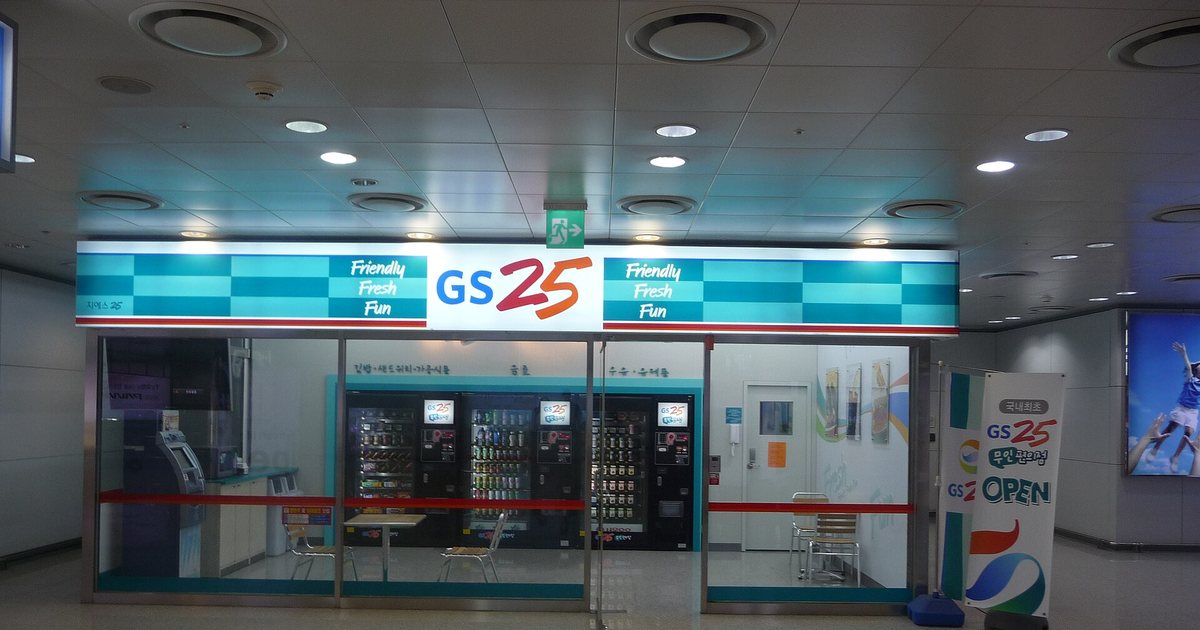
The Korean convenience store food to try first comes down to 7 items, all sold at every GS25 and CU. Start with a triangle kimbap, a dosirak (boxed meal), a cup of ramyeon from the hot-water station, banana milk, and a few snacks and drinks you can’t easily find at home. You can heat, eat and clean up all of it inside the store in about 15 minutes.
Key takeaways
- Korea’s 4 big convenience store chains are GS25, CU, 7-Eleven and emart24, and most branches have a microwave, hot water and a small eat-in counter.
- Triangle kimbap opens in 3 numbered steps (1, 2, 3) printed on the wrapper, which keeps the seaweed crisp.
- Look for 1+1 and 2+1 stickers on drinks and snacks: buy one or two, get one more free.
- Tear the label off cup ramyeon, pour leftover soup in the sink or bucket provided, and sort your trash before you leave.
What Korean convenience store food to try first
Korean convenience stores (pyeonuijeom) sit on almost every block in Seoul, Busan and smaller cities, and Koreans use them as cheap cafeterias, not just for emergency snacks. Students eat dinner there, office workers grab breakfast, and friends drink beer at the plastic tables outside on summer nights.
If you only have one visit, build a meal from these seven things. The table shows what each one is and the easiest way to eat it on the spot.
| Item | What it is | Best for | How to eat it in store |
|---|---|---|---|
| Triangle kimbap (samgak kimbap) | Rice triangle with a filling, wrapped in seaweed | Quick breakfast or a snack with ramyeon | Cold, or 10 to 20 seconds in the microwave if the label allows it |
| Dosirak | Boxed meal with rice and several side dishes | A full, cheap dinner | Microwave, following the time printed on the lid |
| Cup ramyeon | Instant noodles in a cup | Late-night hunger, cold days | Hot water from the dispenser to the inside line |
| Hot bar and sausages | Fish cake bars, grilled sausages, boiled or baked eggs | Something hot in your hand | Ready to eat, some get a short microwave |
| Banana milk | Sweet banana-flavored milk in a squat bottle | A classic Korean drink to try once | Cold, straight from the fridge |
| Snacks | Chips, Pepero, Choco Pie, shrimp crackers | Gifts and the flight home | Take away |
| Drinks | Milkis, soju, makgeolli, hangover drinks | An evening by the Han River | Outside tables or a park |
How to open and eat a triangle kimbap
Triangle kimbap is Korea’s version of the Japanese onigiri: a triangle of seasoned rice with a filling in the middle, wrapped in a sheet of gim (roasted seaweed). The seaweed sits in its own plastic layer so it stays crisp until you open it.
The 3-step wrapper
- Pull tab 1 straight down the center of the triangle, from the top to the bottom.
- Pull corner 2 off to one side.
- Pull corner 3 off to the other side. The seaweed stays wrapped around the rice.
If you pull the corners first, the seaweed tears and stays stuck in the plastic. Follow the numbers and it works every time.
Which fillings to pick
Tuna mayo (chamchi mayo) is the long-running favorite and the safest first choice: mild, creamy, a little salty. Jeonju bibimbap triangles mix the rice with vegetables and gochujang (red chili paste) for something closer to a real meal. Spicy pork, kimchi fried rice and bulgogi versions appear often too, and chains rotate limited editions every season.
Read the label before you eat. Many fillings contain tuna, ham or meat broth, so vegetarians should run the Korean ingredient list through a translation app such as Papago or Google Lens.
Is a convenience store dosirak worth buying?
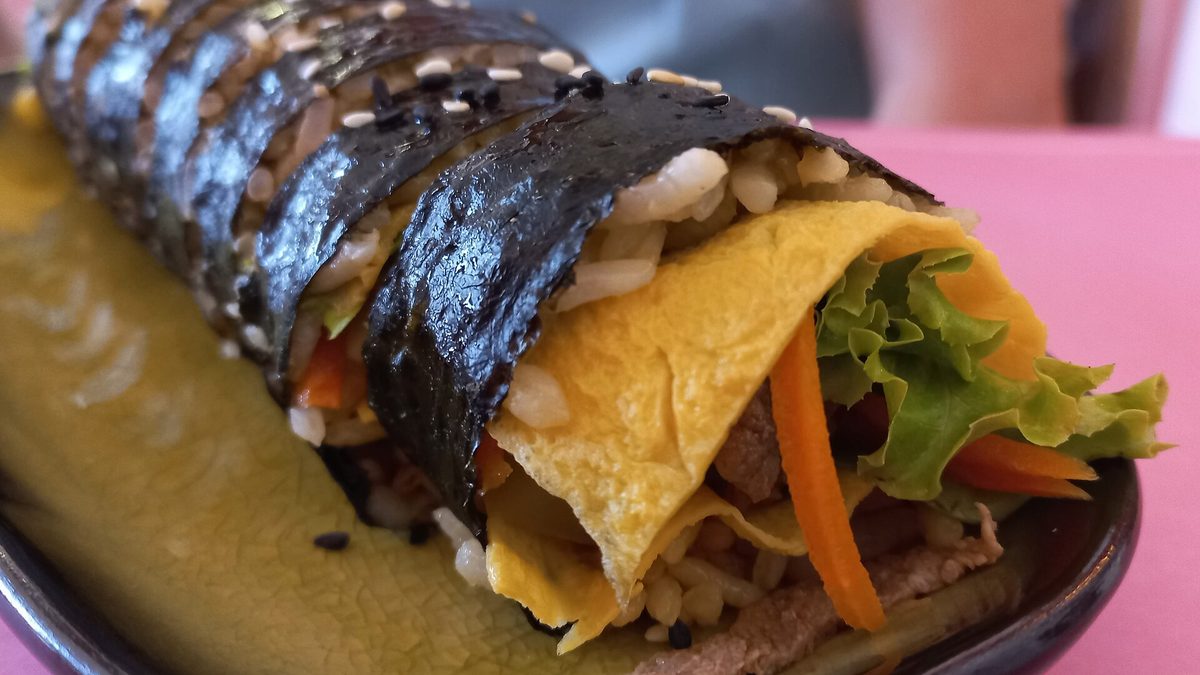
Yes, if you want a full meal for very little effort. A dosirak is a boxed lunch: a compartment of rice plus several banchan (small side dishes), often with a main like jeyuk (spicy stir-fried pork), fried chicken, bulgogi or a hamburger steak. It’s the closest thing to a home-style Korean meal you’ll find for convenience store money.
How to heat a dosirak
Check the lid first. Most dosirak print a microwave time for the store’s machine, and some tell you to lift a corner of the film or remove a small sauce pack or kimchi cup before heating. Take the kimchi out if it comes in a separate container, since hot kimchi turns sour and soft fast.
Store microwaves are usually more powerful than home ones, so the printed time is short. Don’t double it to be safe. If it’s still cold in the middle, add a few seconds at a time.
Who should skip it
If you’re a picky eater or avoid pork, a dosirak with five unknown side dishes is a gamble. Pick a single-item meal like a triangle kimbap and a cup of ramyeon instead, so you know exactly what you’re eating.
How to use the ramyeon station, step by step
Every chain has a hot-water dispenser, usually next to the microwave and a counter facing the window. Some branches, especially near the Han River parks in Seoul, also have automatic ramyeon cookers that boil packet noodles in a paper bowl for you. This is how Koreans do it.
- Pick your cup and pay at the counter first. Staff won’t mind you asking where the hot water is.
- Open the lid halfway and take out the seasoning packets.
- Add the powder and flakes, then pour hot water up to the line printed inside the cup.
- Close the lid and weigh it down with your chopsticks. Wait the time printed on the lid, usually 3 to 4 minutes.
- For fried noodles like Buldak or Chapagetti cups, drain the water through the holes in the lid into the sink or bucket, then add the sauce.
- Clean up: pour leftover soup into the soup bin or sink, throw the cup and wrappers into the right bins, and wipe your spot.
Which instant noodles to pick at GS25 or CU
The ramyeon wall can hold dozens of options. These are the established names worth knowing, sorted roughly from mild to fiery.
- Jin Ramen (Ottogi): a good starting point. The mild version suits anyone who doesn’t handle spice well.
- Shin Ramyun (Nongshim): the classic spicy beef-flavored soup most Koreans grew up on. Medium heat, very savory.
- Neoguri (Nongshim): thick udon-style noodles in a spicy seafood broth.
- Chapagetti (Nongshim): black bean sauce noodles, not spicy. Mixed with Neoguri it becomes jjapaguri, the dish made famous outside Korea by the 2019 film Parasite.
- Buldak Bokkeum Myeon (Samyang): the fire noodle. Very spicy stir-fried noodles. The cheese and carbonara versions are a little gentler, but only a little.
A common Korean move is ramyeon plus a triangle kimbap, dipped into the soup or eaten between bites. Add a stick of string cheese to a spicy cup and it melts into the broth and cuts the heat.
Korean convenience store snacks worth bringing home
Snacks are the easiest thing to take back in your suitcase, and convenience stores carry the national brands in small packs that fit anywhere.
- Honey Butter Chip (Haitai): sweet and salty potato chips that caused a buying frenzy in Korea when they launched.
- Saeukkang (Nongshim): shrimp-flavored crackers, a decades-old classic.
- Kkobuk Chip (Orion): Turtle Chips, multi-layered corn chips, with sweet flavors like choco churro.
- Choco Pie (Orion): chocolate-coated cake with marshmallow, sold everywhere in Korea.
- Pepero (Lotte): chocolate-dipped biscuit sticks. November 11 is Pepero Day in Korea, so expect huge displays and gift boxes in early November.
In the freezer, try Melona (Binggrae), a melon-flavored ice bar, and Samanco, an ice cream sandwich shaped like a fish-shaped bungeoppang pastry. In winter, look by the counter for steamed buns (hoppang) filled with red bean or pizza filling, warmed in a little steamer.
What to drink: banana milk, Milkis, soju and hangover drinks
Non-alcoholic
Banana-flavored milk from Binggrae, in its squat, pot-shaped bottle, is the drink most visitors grab first. It’s sweet and nostalgic for Koreans, so try a small one before buying a pack. Milkis (Lotte Chilsung) is a creamy, milky soda. Pocari Sweat is the go-to sports drink for hot days and long walks, and you’ll find chilled barley tea, corn silk tea and canned coffee in the fridges too.
Alcohol
Convenience stores sell soju, makgeolli (milky rice wine), Korean beers like Cass and Terra, and flavored soju in fruit versions. Korea’s legal drinking age is 19, counted by birth year, and staff may ask for ID, so carry your passport if you look young.
Next to the register you’ll see small hangover drinks such as Condition and Dawn 808. Koreans often drink one before or after a night out. Treat them as a local custom to try, not as a cure.
If you plan a Han River picnic with convenience store chicken and beer on a sunny afternoon, pack sun protection: our guide to choosing a Korean sunscreen explains the options.
Common mistakes foreigners make in Korean convenience stores
- Leaving soup in the cup. Korean trash is sorted. Pour liquid into the soup bin, then put cups, plastic and general waste in the labeled bins.
- Ignoring the expiry time. Kimbap and dosirak carry a date and often an exact hour. Staff pull them when it passes, so check before you buy late at night.
- Microwaving the wrong things. Remove metal-lined lids, sauce packs and kimchi cups. If the package doesn’t show a microwave symbol or instructions, don’t heat it.
- Missing the free item. With a 1+1 or 2+1 deal you usually have to bring the free item to the counter yourself.
- Camping at the counter. Eat-in spots are small. Eat, clean up and free the space, especially at lunchtime.
How to pay at a Korean convenience store as a tourist
Foreign Visa and Mastercard cards work at most branches, and cash in won is always fine. A T-money card, the rechargeable transit card used on Seoul’s subway and buses, works as payment at the major chains, and you can buy and top it up at the counter too.
Cashiers may ask if you want a bag. Plastic bags cost extra or aren’t offered at some stores, so bring a tote. For current card acceptance, delivery services or tax-free shopping, check each chain’s official site or app, since policies change.
If your shopping list also includes skincare, the same street almost always has a health-and-beauty store. Our guide on what to buy at Olive Young covers skin-type picks and tax refunds.
FAQ
Are Korean convenience stores open 24 hours?
Most branches in cities run 24 hours, which is why they double as late-night cafeterias. Some stores inside office buildings, universities or tourist sites close at night or on weekends. Map apps like Naver Map or KakaoMap show each branch’s hours.
Can you eat inside a Korean convenience store?
Yes, most stores have a counter or a few tables, plus a microwave and hot water free for customers. Many also put plastic tables outside in warmer months. Clean up after yourself and sort your trash before leaving.
What is the most popular Korean convenience store food?
Triangle kimbap, cup ramyeon and dosirak are the everyday staples, with tuna mayo kimbap the classic pick. Banana milk is the drink most visitors try first. Each chain also has its own private-label items and seasonal specials, so shelves vary between GS25, CU, 7-Eleven and emart24.
Is Korean convenience store food spicy?
Some of it is very spicy, especially Buldak noodles and anything labeled with gochujang. Plenty is mild: tuna mayo kimbap, Jin Ramen Mild, Chapagetti and most dosirak mains. A pepper icon or the word 매운 (maeun, spicy) on the label is your warning sign.
Is there vegetarian food at Korean convenience stores?
It’s limited. Many kimbap fillings use tuna, ham or meat, and most ramyeon soups contain meat or seafood flavoring. Use a translation app on the ingredient list, and look for plain rice balls, fruit, salads, tofu snacks and nuts.
Which Korean convenience store chain is best?
There’s no single winner. GS25 and CU are the most widespread, and 7-Eleven and emart24 are easy to find too. Pick whichever is closest, and try the chain’s own-brand lunch boxes and desserts, since those are what differ most between them.
What to try next after the convenience store
Once you’ve had a triangle kimbap and a cup of ramyeon, try the full-size versions: a roll of kimbap from a kimbap shop and a pot of ramyeon at a bunsik (Korean snack food) restaurant. Visit in early November for the Pepero Day displays, or in summer for beer and fried chicken at the tables outside. If you’re flying home with a bag full of snacks, check your airline’s and your country’s rules on food imports before you pack, and leave space for a few skincare finds; our glass skin routine guide is a good place to start.
Related reading
Sources k-korea.blog
Prices, opening hours and availability change. Check the official page before you buy or travel.