9 min read
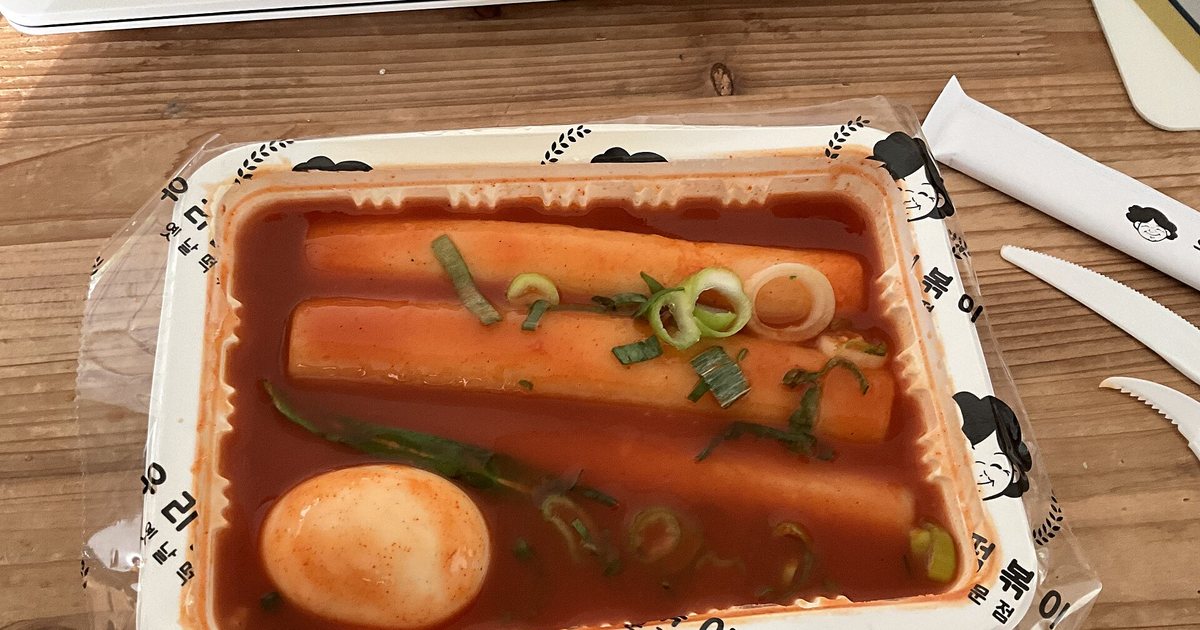
You can learn how to make tteokbokki at home in 6 steps and about 30 minutes, with a single pan. Tteokbokki is Korea’s best-known street snack: chewy rice cakes simmered in a sweet, spicy sauce built on gochujang (fermented red chili paste). Once you have the base recipe, rose (creamy-spicy), cream and soy-sauce versions are small changes away.
Key takeaways
- The classic red version needs 3 core sauce ingredients: gochujang, gochugaru (chili flakes) and sugar, cooked in anchovy-kelp stock.
- Hard refrigerated or frozen rice cakes should soak in warm water for 10 to 20 minutes before cooking, or they stay chalky in the middle.
- Rose tteokbokki is the red sauce softened with milk, cream and cheese; cream tteokbokki drops the chili paste entirely.
- To lower the heat, cut the gochugaru first, not the gochujang, because the paste carries most of the flavor.
What is tteokbokki, exactly?
The name breaks down simply: tteok means rice cake and bokki means stir-fried or cooked down. The rice cakes are dense, chewy cylinders made from rice flour (sometimes wheat flour), and the dish is usually cooked until the sauce reduces into a thick glaze that clings to every piece.
In Korea it’s everyday food. You’ll find it at pojangmacha (covered street stalls), at bunsikjip (cheap snack restaurants that sell gimbap, ramyeon and fried snacks), in school neighborhoods and in convenience-store meal kits. It’s eaten as an after-school snack, a late-night bite, and a comfort meal on a cold day.
The red, gochujang-based version most people picture is the modern one. Older recipes, like the royal-court style, use soy sauce instead of chili. That history explains why so many variations exist today.
Types of tteokbokki: red, rose, cream and more
If you’ve only had one kind, here’s the field. Each type below uses the same rice cakes; the sauce and cooking method change.
| Type | Sauce base | Heat | Best for |
|---|---|---|---|
| Classic red (street style) | Gochujang, gochugaru, sugar, stock | Medium to hot | First-timers who want the real thing |
| Rose tteokbokki | Red sauce plus milk, cream and cheese | Mild to medium | People who like spicy pasta or vodka sauce |
| Cream tteokbokki | Cream, garlic, butter, often bacon | None | Kids and anyone who avoids chili |
| Gungjung tteokbokki (royal court) | Soy sauce, sesame oil, beef, vegetables | None | A savory, stir-fried side dish |
| Gireum tteokbokki (oil) | Rice cakes pan-fried in oil with chili flakes or soy | Mild to medium | Crispy edges, no saucy pan |
| Rabokki | Red sauce plus instant ramen noodles | Medium to hot | A bigger, filling meal |
Jjajang tteokbokki (made with black bean sauce) and curry versions also show up on snack-shop menus. They’re worth trying in Korea, but the six above cover what most home cooks want.
Which rice cakes to buy (and where to find them abroad)
Your rice cakes decide half the result, so pick on purpose.
Rice tteok or wheat tteok?
Rice tteok (ssal tteok) is firmer and chewier, with a clean taste. Wheat tteok (milgaru tteok) is softer and slightly spongy, and the sauce soaks in more. Many old-school street stalls use wheat cakes for exactly that reason. If you’re gluten-sensitive, rice tteok is the one to look for, but read the label, since some packs blend flours.
Thin sticks, thick logs or ovals?
Long thin sticks (the classic tteokbokki shape) cook fastest and hold sauce well. Thick logs called garaetteok are cut into pieces and need longer simmering. Sliced oval rice cakes (tteokguk tteok) are meant for soup, and they go soft too quickly in a sauce.
Where to buy outside Korea
Korean and pan-Asian supermarkets such as H Mart carry rice cakes in the refrigerated or frozen section, usually near the fish cakes (eomuk). Vacuum-packed shelf-stable rice cakes and instant tteokbokki kits are also sold online. Fresh is best, but frozen works fine once soaked.
How to make tteokbokki at home: the 6-step recipe
This makes 2 generous servings of classic red, street-style tteokbokki. The amounts are a reliable starting point; adjust once you know your gochujang.
Ingredients
- 400 to 500 g rice cakes (thin sticks)
- 2 to 3 sheets Korean fish cake (eomuk), cut into triangles or strips
- About 600 ml (2½ cups) stock: dried anchovies and a square of dried kelp (dashima) simmered in water
- 2 to 3 tbsp gochujang
- 1 tbsp gochugaru (Korean chili flakes)
- 1 tbsp soy sauce
- 1 to 2 tbsp sugar, or Korean corn syrup or rice syrup for extra gloss
- 1 tsp minced garlic
- 2 green onions, cut into lengths
- Optional: a handful of cabbage, 2 boiled eggs, a slice of cheese, sesame seeds
Steps
- Prep the rice cakes (10 to 20 minutes). If they’re hard from the fridge or freezer, soak them in warm water while you do everything else. Separate any pieces stuck together.
- Make the stock (10 minutes). Simmer the anchovies and kelp in water, then lift them out. In a hurry, use plain water with a little dashi powder or a stock cube.
- Build the sauce. Stir the gochujang, gochugaru, soy sauce, sugar and garlic into the hot stock until smooth, and bring it to a boil.
- Add the rice cakes (8 to 10 minutes). Drain them and drop them in. Keep it at a lively simmer and stir often, because rice cakes stick to the bottom as the sauce thickens.
- Add fish cakes, cabbage and eggs (about 5 minutes). Cook until the rice cakes are soft all the way through and the sauce coats a spoon.
- Finish. Add the green onions for the last minute. Top with sesame seeds, or melt a slice of cheese on top if you want it milder.
Taste before step 6. If the sauce is sharp, add sugar; if it’s flat, add a splash of soy sauce; if it’s too thick, loosen it with stock.
How to make rose tteokbokki and cream tteokbokki
Rose tteokbokki
Rose tteokbokki became a big trend in Korean delivery and franchise menus, and it’s the easiest variation to make at home. Follow the recipe above with these changes:
- Use half the stock and roughly half the gochugaru.
- Once the rice cakes are soft, lower the heat and pour in about 1 cup of milk and ½ cup of cream.
- Stir until it turns a soft orange-pink, then add a handful of shredded mozzarella.
Keep it below a hard boil after the dairy goes in, or the sauce can split and turn grainy. Sausage, bacon and wide flat noodles are popular add-ins.
Cream tteokbokki
This is closer to a carbonara-style pasta. Melt butter, soften garlic and onion with a little bacon, then add cream and milk with the soaked rice cakes. Simmer until thick, finish with grated parmesan and plenty of black pepper. A pinch of gochugaru on top gives color without much heat.
How spicy is tteokbokki, and how do you control it?
Street tteokbokki in Korea runs from pleasantly warm to properly hot, and some franchise chains famously let you pick a heat level. At home you’re in charge, and the trick is knowing which ingredient does what.
- Gochugaru adds sharp, fast heat. Cut this first if you want it milder.
- Gochujang carries sweetness, depth and some heat. Many tubs sold in Korea print a heat grade on the label, so a “mild” tub is an easy fix.
- Sugar and syrup round off the burn without hiding the flavor.
- Cheese, milk or a boiled egg soften each bite. That’s why boiled eggs are standard in the pan.
To go hotter, add more gochugaru or a fresh sliced chili, not extra gochujang, which makes the sauce salty before it gets spicier.
Street food vs home tteokbokki: what’s different?
Street stalls cook tteokbokki in huge, wide pans that simmer for hours. The sauce keeps reducing and gets topped up, so it turns deep, glossy and slightly sweeter than most home batches. Many stalls lean on corn syrup for that shine, and wheat rice cakes for that soft bite.
What Koreans eat alongside it matters just as much:
- Twigim: fried snacks like vegetables, squid, seaweed rolls or boiled eggs in batter, often dipped into the tteokbokki sauce.
- Sundae: Korean blood sausage with glass noodles, a classic order at the same stall.
- Eomuk guk: a cup of fish-cake broth, often served free or cheap to cool your mouth.
- Gimbap: seaweed rice rolls, good for dragging through leftover sauce.
At home, you get control: less sugar, real stock and fresher rice cakes. To get closer to the stall version, reduce the sauce longer and add a spoon of syrup at the end.
Common mistakes when making tteokbokki
- Skipping the soak. Hard rice cakes cooked straight from the fridge go soft outside and stay raw in the middle.
- Cooking on low the whole time. The sauce needs a strong simmer to reduce and turn glossy. Low heat leaves it thin and watery.
- Walking away from the pan. As the sauce thickens, the bottom scorches fast. Stir every minute or two.
- Overcooking. Past the soft stage, rice cakes start to break down and turn mushy. Pull the pan once they bend easily.
- Using soup rice cakes. Oval slices made for tteokguk fall apart in a thick sauce.
- Boiling cream sauces hard. Rose and cream versions split if the dairy boils too long.
Where to eat tteokbokki in Seoul
If you’re traveling to Korea, eat it in at least two styles so you can taste the range.
- Sindang-dong Tteokbokki Town: a street in central Seoul known for jeukseok tteokbokki, cooked at your table in a shallow pan with ramen noodles, dumplings and eggs. It’s the place to try the hot-pot style.
- Tongin Market: near Gyeongbokgung Palace, known for gireum (oil) tteokbokki, pan-fried until the edges crisp, in red or soy versions.
- Myeongdong and other night street-food areas: the easiest place for a quick cup of street-style tteokbokki between shopping stops. If you’re already there for skincare, our guides to what to buy at Olive Young and how to choose Korean sunscreen cover the other half of the trip.
- Bunsikjip and franchise chains: neighborhood snack shops and national chains, where rose tteokbokki and spice-level menus are common.
Opening hours and menus change, so check the restaurant’s listing on Naver Map or Kakao Map (the two map apps Koreans actually use) before you go.
FAQ
Is tteokbokki gluten-free?
Not automatically. Rice cakes can be gluten-free, but many gochujang brands and soy sauces contain wheat, and wheat rice cakes are common at street stalls. If you need to avoid gluten, look for gluten-free gochujang and tamari, and check every label.
Is tteokbokki vegan?
The classic version isn’t, because the stock uses anchovies and fish cakes contain fish. You can make it vegan with kelp-and-shiitake stock, and swap the fish cakes for tofu, cabbage or mushrooms. Check that your gochujang has no added fish or animal ingredients.
Why are my rice cakes still hard?
They were usually too cold or too dry going in. Soak refrigerated or frozen rice cakes in warm water first, then simmer until they bend without snapping. If the sauce runs dry before they’re soft, add a splash of stock and keep going.
Can you freeze tteokbokki?
Uncooked rice cakes freeze very well, and that’s how many people abroad store them. Cooked tteokbokki can be frozen, but the texture suffers on reheating. It’s better to freeze the plain rice cakes and cook a fresh batch.
What’s the difference between gochujang and gochugaru?
Gochujang is a thick, fermented paste made with chili, rice and soybeans; it’s sweet, salty and savory. Gochugaru is dried chili flakes with straight heat and color. Tteokbokki uses both: the paste for flavor, the flakes for heat.
What do Koreans eat with tteokbokki?
The classic sides are twigim (fried snacks), sundae (blood sausage), gimbap and a cup of fish-cake broth. At a jeukseok restaurant, people often finish by frying rice in the leftover sauce.
What to cook and try next
Start with the classic red recipe and make it twice: once as written, once with less gochugaru, so you learn your own heat point. Then make rose tteokbokki with the same pantry, plus milk and cheese. If you’re planning a Seoul trip, put Sindang-dong’s table-cooked tteokbokki and Tongin Market’s oil version on the list, since neither is easy to copy at home. And keep a pack of frozen rice cakes in your freezer; with gochujang in the fridge, a 30-minute dinner is always one pan away.
Related reading
Sources k-korea.blog
Prices, opening hours and availability change. Check the official page before you buy or travel.