13 min read
Korean makeup brands fall into 4 tiers: indie color labels, road-shop classics, mid-range artist lines and department-store luxury. For lip tints and eye palettes, most Koreans buy indie brands like rom&nd, Peripera and Clio at Olive Young (올리브영), and they save department-store money for a cushion foundation from a brand like Hera.
That split is what makes Korean makeup worth knowing about if you shop from abroad. The cheapest tier is often the one locals respect most for color, and the expensive tier earns its price mostly on base products. Once you know which tier does what, you stop overpaying for a lip tint and underpaying for the foundation you wear every day.
Key takeaways
- For lip tints and eye palettes, the indie tier (rom&nd, Peripera, Clio, Dasique) is where Korean shoppers actually spend.
- A cushion (쿠션) is liquid foundation soaked into a sponge inside a compact, and Amorepacific’s IOPE is widely credited with launching the first one in 2008.
- Korean base shades go by number, usually 13, 17, 21, 23 and 25: the lower the number, the lighter the shade.
- Olive Young sells the indie and mid-range tiers with testers. Hera, Sulwhasoo and The History of Whoo live at department-store counters and duty-free shops.
Korean makeup brands by type: the 4 tiers explained
Koreans don’t sort makeup by “drugstore” and “prestige” the way American shoppers do. They sort it by where it’s sold and what it’s good at. The four groups below cover almost every brand you’ll see on a Seoul shelf or a Korean-beauty site abroad.
Two companies sit behind a large share of the big names. Amorepacific owns Sulwhasoo, Hera, Laneige, IOPE, Innisfree, Etude and Espoir. LG H&H (LG Household & Health Care) owns The History of Whoo, Su:m37 and The Face Shop. The fast-moving indie tier is a different world, built by smaller companies and makeup-first founders.
| Tier | Example brands | Known for | Where Koreans buy it | Pick it if |
|---|---|---|---|---|
| Indie color brands | rom&nd, Peripera, Clio, Dasique, 3CE, Hince, Amuse | Lip tints, eye palettes, trend shades | Olive Young, brand online stores | You want the shades Koreans are wearing now |
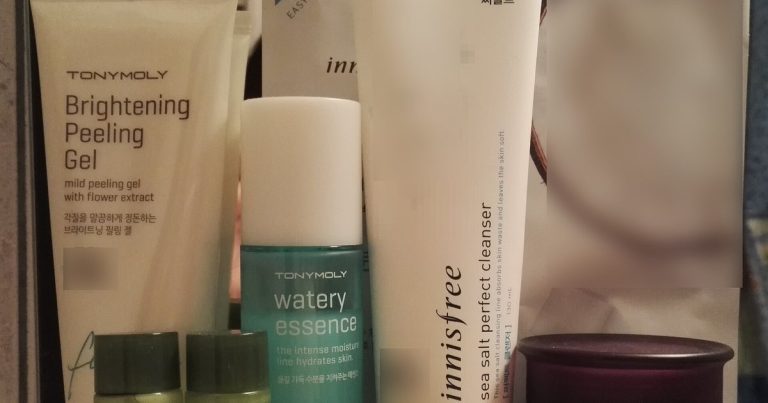
| Road-shop classics | Etude, Missha, Innisfree, The Face Shop, Tony Moly, Holika Holika | BB creams, cute packaging, entry-level basics | Own branded shops, Olive Young, online | You want cheap, familiar staples |
| Mid-range and artist lines | Espoir, Laneige, IOPE, Banila Co | Foundations, cushions, longer-wear base | Olive Young, brand stores, online | You want a reliable base without luxury pricing |
| Department-store luxury | Hera, Sulwhasoo, The History of Whoo, Su:m37 | Cushions, gift sets, skincare-heavy makeup | Department stores, duty-free shops | You want a flagship cushion or a gift |
Brands blur across tiers. Clio has drugstore prices but a makeup-artist reputation, and Laneige is sold in mass stores yet carries Amorepacific’s premium positioning abroad. Treat the tiers as a map, not a rulebook.
Indie color brands Koreans actually buy at Olive Young
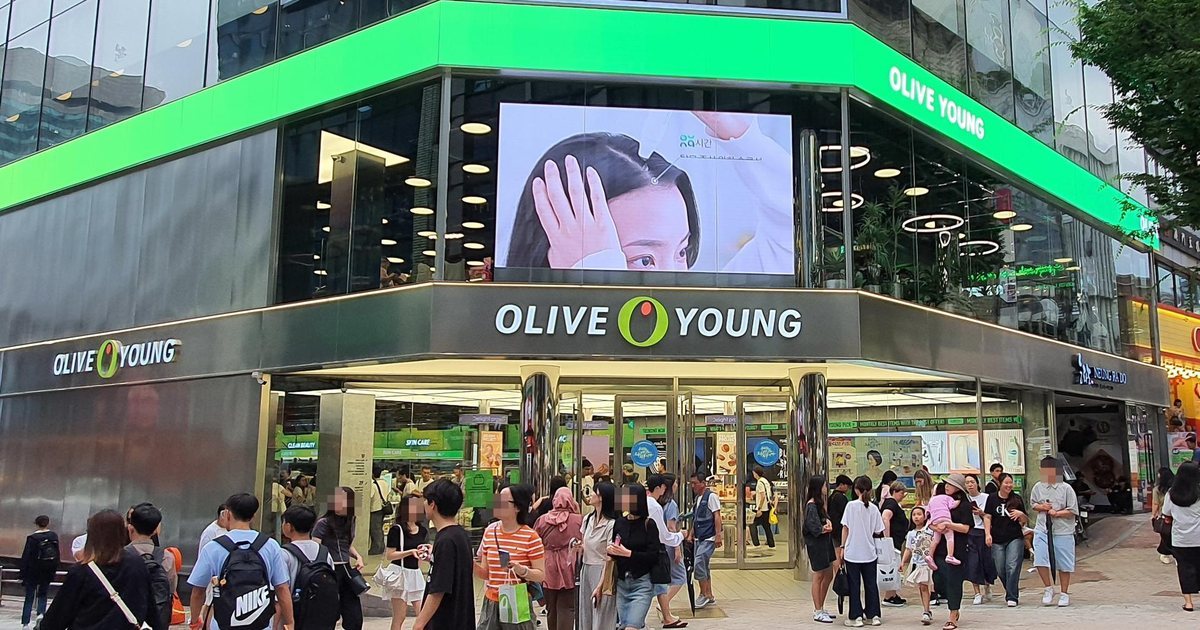
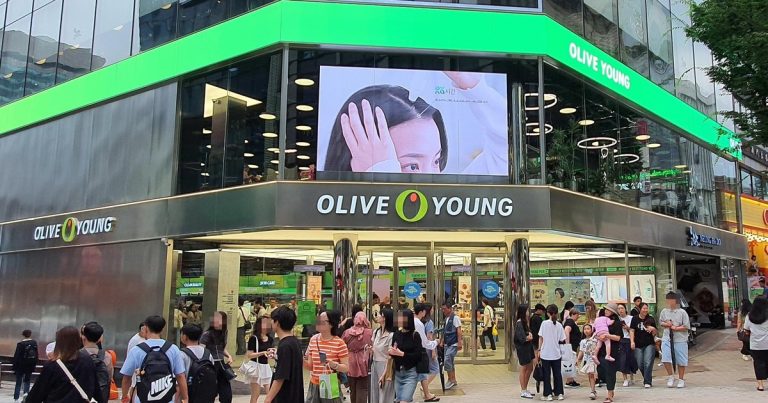
Walk into any Olive Young, the Korean health-and-beauty chain on nearly every busy Seoul corner, and the busiest testers are the lip tints. Tint (틴트) is the category Korean color brands are best known for: a thin, stained color that sinks into the lips instead of sitting on top like a classic lipstick.
Which Korean lip tint brands are the classics?
rom&nd (pronounced “rom-and”) built its name on the Juicy Lasting Tint, a glossy water tint, and on muted “MLBB” shades (my lips but better). Peripera, part of the Clio group, is famous for the Ink Velvet line, a soft-matte tint that sets down and wears through a lunch. 3CE, which started as the makeup line of Seoul fashion label Stylenanda and was bought by L’Oréal in 2018, is known for velvet lip tints and moodier, fashion-led shades.
Koreans often wear tint in a gradient lip (그라데이션 립): color pressed into the inner lip and blurred outward with a fingertip. It’s why so many tints come with a doe-foot applicator and a sheer, buildable formula.
- Good for
- Long-wearing, natural-looking color that survives eating and drinking better than most lipsticks
- Skip it if
- Your lips are very dry or flaky; staining tints can cling to dry patches, so pick a glossy water tint or balm-tint instead
- How to use
- Apply to the center of the lips, press together, blur the edge with a fingertip; layer a second coat for full color
- Key ingredients
- Varies by formula; water tints are usually lighter and glossier, velvet tints contain powders for a soft-matte finish
Which brands make the best Korean eye palettes?
Korean eye looks lean soft: shimmery browns, rosy mauves, low-contrast shadows that read as polished in daylight. Clio‘s Pro Eye Palette is the long-running staple here. Dasique is the brand Korean beauty creators often reach for when they want a cohesive, muted color story in one palette, and Hince is known for grown-up neutrals with a minimalist look. Etude‘s Play Color Eyes palettes are the entry-level option.
- Good for
- Everyday soft eyes with a little shimmer, especially if bold Western palettes feel too intense for daily wear
- Skip it if
- You want high-pigment, dramatic looks; many Korean palettes are designed to be sheer and blendable
- How to use
- A matte transition shade over the lid, a deeper shade along the lash line, a glitter on the center of the lid or under the eye (애교살, the small fold below the lower lashes)
- Key ingredients
- Powder pigments and mica for shimmer; check the full ingredient list on the brand’s site if you have sensitive eyes
Olive Young also runs its own in-house labels, such as Wakemake and Colorgram. They sit right next to the indie brands, so most shoppers don’t notice they belong to the store. They’re priced as everyday basics and are worth swatching while you’re there.
Road-shop classics: Etude, Missha, Innisfree and The Face Shop
“Road shop” (로드샵) is the Korean name for single-brand stores that once lined every shopping street. In the 2000s and early 2010s, Myeongdong was packed with them: Missha, Etude House, The Face Shop, Innisfree, Tony Moly, Holika Holika. Many brands made their first impression abroad this way, through cheap BB creams, sheet masks and novelty packaging.
Many road-shop branches have closed over the past decade as Korean shoppers moved to multi-brand stores like Olive Young and to online shopping. The brands mostly survived, though, and their products are now on Olive Young shelves and online stores.
What are road-shop brands still good for?
- Missha: the M Perfect Cover BB Cream is one of the products that introduced BB cream (a tinted cream that sits between moisturizer and foundation) to foreign shoppers.
- Etude (formerly Etude House): playful, pink-heavy packaging, beginner-friendly palettes and brow products.
- Innisfree: better known for skincare than color, but a dependable source of cheap powders and basics.
- Tony Moly and Holika Holika: novelty packaging and gift-friendly minis.
Our honest view: road-shop brands are fine for low-stakes basics and gifts, but if you’re after the color Koreans are excited about right now, skip them and go to the indie tier.
Mid-range Korean makeup: Espoir, Laneige, IOPE and Banila Co
This is where many Korean office workers buy their everyday base. These brands do foundation, cushions and primers with more polish than road-shop basics, at prices that don’t need a department-store budget.
Espoir, Amorepacific’s makeup-artist-style brand, is known for its Pro Tailor foundation and cushion range, made in different finishes for dry and oily skin. IOPE is where the cushion story starts: Amorepacific is widely credited with launching the first cushion compact under IOPE in 2008, which pushed every Korean brand into making one. Laneige is famous abroad for its Lip Sleeping Mask, a skincare-style lip balm, and also makes cushions. Banila Co is best known for Clean It Zero, a cleansing balm that removes long-wear makeup.
Clio belongs here too. Its Kill Cover cushion and foundation have a strong reputation in Korea for coverage that holds up through the day, and Clio is one of the few brands strong in both base and color.
One more name: TirTir‘s red-compact Mask Fit cushion became one of the most-seen Korean base products on social media abroad, and the brand widened its shade range for international buyers. Check the brand’s official site for the current shade list.
Department-store Korean makeup: Hera, Sulwhasoo and The History of Whoo
Department stores (백화점) like Lotte, Shinsegae and The Hyundai put Korean luxury brands on the ground floor next to Chanel and Dior. The Korean names there are mostly skincare-led, and their makeup is mainly base: cushions and foundations with skincare-style claims about moisture and finish.
Hera is the Korean luxury brand most focused on makeup. Its Black Cushion, a matte, high-coverage compact, is one of the best-known cushions in Korea, and Hera also makes glowier cushions for dry skin. Sulwhasoo, Amorepacific’s herbal-skincare flagship, sells a Perfecting Cushion in its trademark packaging. The History of Whoo and Su:m37 from LG H&H are mostly skincare, gift sets and cushions in ornate cases.
- Good for
- Quick, even base you can touch up anywhere; the compact holds a sponge soaked in liquid foundation plus a puff
- Skip it if
- You need a very deep shade and the brand’s range doesn’t reach it, or you dislike reapplying with a shared puff (wash or replace the puff often)
- How to use
- Press the puff into the sponge lightly, tap (don’t drag) from the center of the face outward, build a second thin layer only where needed
- Key ingredients
- Many cushions include sunscreen filters and list an SPF and PA rating (PA is the Asian scale for UVA protection, shown as PA+ to PA++++); don’t rely on a cushion as your only sunscreen
Are they worth it? For a cushion you’ll use every day, often yes, because finish and wear matter more on your whole face than on your lips. For lip and eye color, department-store Korean brands rarely beat the indie tier.
Olive Young vs department stores: where should you buy Korean makeup?
It depends on what’s on your list. Most Koreans shop both, for different things.
Shop at Olive Young for
- Lip tints, palettes, brow pencils, setting sprays and trend items
- Testing lots of brands side by side, since testers are out on the shelf
- Store promotions that rotate often; Koreans time big hauls around them, so check the Olive Young app or site for what’s running
Shop at a department store or duty-free for
- Hera, Sulwhasoo, The History of Whoo and international luxury lines
- Shade matching with a counter staff member, and samples
- Gift sets packaged for presents
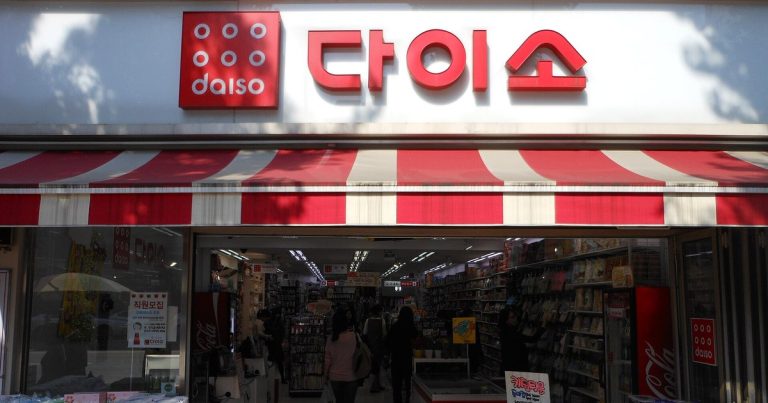
Brand flagship stores, especially Amorepacific brands’ stores in areas like Seongsu-dong and Myeongdong, sit in between: full ranges, testers and sometimes services. For ultra-cheap extras like puffs, brushes and minis, Daiso is a smart stop; see our Daiso Korea guide for what’s worth picking up.
How to choose Korean foundation and cushion shades
Shade matching is where foreigners most often go wrong, because Korean bases use a number system you don’t see in Western stores.
What do Korean shade numbers like 21 and 23 mean?
Koreans call the shade number ho (호), as in “21-ho” (21호). Common numbers are 13, 17, 21, 23 and 25, with some brands going deeper. Lower numbers are lighter. 21 is the classic light shade and 23 the light-medium most Korean women buy. Brands add letters or words for undertone: C (cool, pink), N (neutral), W (warm, yellow), or names like Ivory, Vanilla and Beige.
Many Korean brands have offered narrow ranges in the past, especially for deeper skin. Some have widened their ranges for global buyers, but it varies by product, so check the official shade list before you order.
What is personal color, and why do Koreans care?
Personal color (퍼스널 컬러) analysis sorts people into warm-tone (웜톤) or cool-tone (쿨톤) groups, often split further into spring, summer, autumn and winter. It’s a big deal in Korea, and studios in Seoul offer paid sessions. You’ll see “warm-tone pick” or “cool-tone pick” labels on product pages and in creators’ videos, which helps when you’re choosing tints and shadows online.
A worked example: matching a cushion in Seoul
Say you have light-medium skin with a yellow undertone and wear a light-to-medium shade in Western foundation. Start with 21 and 23 in an N or W version. Tap each on your jawline, not your hand, and wait five minutes, since many cushions darken slightly as they set (oxidize).
Then step out of the store’s bright lights and check near the door or in daylight. If 21 looks gray or ashy, go warmer or deeper. If 23 looks orange, go to a neutral.
Got sensitive skin? Test a new base on a small patch first, and see a dermatologist if you have a skin condition before switching products.
What Koreans actually do (and mistakes foreigners make)
Korean makeup routines tend to put skin first and color second. Most Seoul office workers skip full coverage on weekdays: a cushion, a brow pencil, a tint, maybe a single shimmer shadow. That’s why base and tint are the two biggest categories on every Olive Young shelf.
Common mistakes to avoid
- Buying luxury for lip color. The indie tier makes the tints Koreans are wearing. Spend on base instead.
- Picking a shade by the number alone. A 21 from one brand can look like a 23 from another. Swatch every brand separately.
- Treating a cushion’s SPF as full sun protection. You don’t apply enough cushion to get the labeled protection. Wear sunscreen underneath.
- Ignoring finish. Glow (광채, “gwangchae”) cushions can slide on oily skin by afternoon. If your skin is oily, choose a matte or semi-matte cushion and set the T-zone with powder.
- Stocking up on viral products blind. Shades sell out and get renamed. Buy one, try it, then restock.
How to buy Korean makeup brands from abroad
You don’t need a flight to Seoul. These are the usual routes, roughly from most to least direct:
- Brand official online stores. Many Korean brands ship internationally or run regional stores. This is the best place for accurate shade lists.
- Olive Young’s global online store. Olive Young runs an international site that ships to many countries; check whether it delivers to yours.
- Official storefronts on Amazon and other marketplaces. Look for listings sold by the brand itself to avoid fakes and old stock.
- K-beauty retailers such as YesStyle and Stylevana, which stock indie brands that are harder to find locally.
- Local stores. Laneige, Sulwhasoo and some indie brands are sold through Sephora or Ulta in certain countries.
Prices, shipping and shade availability vary by country and change often, so compare on the official pages before you check out. If you’re planning a trip, our first-trip guide to South Korea covers where to stay near the big shopping areas.
FAQ
What is the most popular Korean makeup brand?
There’s no single answer, and rankings change constantly. The brands you’ll see most often in Korea are rom&nd, Peripera and Clio for color, and Hera, Espoir and IOPE for base. Check Olive Young’s bestseller pages for what’s selling right now.
Is Korean makeup better than Western makeup?
Not better, just built for different priorities. Korean makeup leans toward skin-like base, sheer buildable color and long-wearing lip tints. Western ranges often offer more shades and higher pigment, so many people mix the two.
Do Korean makeup brands have shades for darker skin?
Many have offered narrow ranges in the past, especially in cushions. Some brands have since widened their ranges for global buyers. Check each product’s official shade list, because range varies even within one brand.
What is a Korean cushion foundation?
It’s liquid foundation soaked into a sponge inside a compact, applied with a puff. It’s designed for quick, light coverage and easy touch-ups. Amorepacific is widely credited with launching the first one under IOPE in 2008.
Is Olive Young cheaper than department stores?
The brands are different, so it isn’t a like-for-like comparison. Olive Young sells mass, indie and mid-range brands that cost less overall, while department stores carry luxury lines. Both have promotions, and many shops in tourist areas offer tax refunds for foreign visitors.
Are Korean lip tints safe to wear every day?
Tints are everyday makeup in Korea. If your lips are sensitive, try a small amount first and stop if you notice irritation. Remove staining tints with a lip-and-eye remover or cleansing oil at night.
What to try first on your next Korean makeup haul
Start with one tint and one base. For the tint, swatch rom&nd and Peripera side by side, a glossy water tint and a velvet one, and pick the finish your lips like. For the base, match a cushion on your jawline at a mid-range brand like Espoir or Clio. Then compare it with Hera at a department store or duty-free before you decide whether the luxury finish is worth it to you.
If eye color is next, a soft palette from Clio or Dasique will show you how Korean eye looks are built. Wait on the department-store gift sets until you know which brand’s base works for your skin.
Related reading
Sources k-korea.blog
Prices, opening hours and availability change. Check the official page before you buy or travel.