13 min read
A Korean head spa (헤드스파) is a scalp treatment in 5 steps: scan, cleanse, massage, steam, dry. Most courses take about 1 to 2 hours, including the blow-dry. You lie back at a shampoo bed while a therapist magnifies your scalp on a screen, scrubs off oil and product buildup, works the tension out of your head and neck, then blow-dries your hair. Treat it as scalp cleansing plus serious relaxation, the thing Seoul office workers book after a brutal week.
Key takeaways
- Expect 5 stages: a magnified scalp scan, deep cleansing (often with a scalp scaler), massage, steam or a warm towel, then a blow-dry.
- Courses usually run from about an hour to two hours. The course name and menu tell you which, so read it before you book.
- Koreans find and book head spas on Naver Map (네이버 지도, Korea’s main map app); many shops also take bookings by KakaoTalk or Instagram message.
- You don’t tip, and a head spa doesn’t treat hair loss or scalp conditions. For those, see a dermatologist.
What happens at a Korean head spa, step by step
Almost every Korean head spa follows the same arc, whether it’s a quiet dedicated studio or a scalp-care course inside a big hair salon (미용실, miyongsil). Names and add-ons change from shop to shop. The order rarely does.
Step 1: The scalp scan (두피 진단)
You start in a chair, usually with a short form about your scalp and hair habits. The therapist then presses a small camera, a scalp microscope, against a few spots on your head, and a magnified image appears on a tablet or monitor. You’ll see oil, flakes, product residue and redness magnified on screen.
This scan is a cosmetic check that helps the therapist pick products and pressure.
Step 2: Scaling and cleansing (두피 스케일링)
Next you move to the shampoo bed. Scaling (스케일링, seukeilling) means applying an exfoliating solution to the scalp, letting it sit, then loosening buildup with fingertips or a soft brush. Then comes shampoo, often two rounds, sometimes with a carbonated-water rinse (탄산, tansan), a Korean salon favorite for its fizzy, refreshing feel.
Step 3: The massage
The therapist works through pressure points across the scalp, temples and the base of the skull, and most courses extend down to the neck and shoulders. Longer courses may add hands and arms. Good therapists check pressure early; if they don’t, say so (phrases are below).
Step 4: Steam, towel and rinse
A warm towel wrap, a steam cap or a hooded steamer softens everything while a treatment or mask sits on the scalp or lengths. Some shops pair this with a cooling rinse at the end for contrast. Expect a few minutes of quiet downtime while the mask works.
Step 5: Tonic, blow-dry and the after scan
Back in the chair, the therapist applies a scalp tonic or serum, dries the scalp first and then the lengths, and usually does light styling. Many shops repeat the camera scan so you can compare before and after images. Then you’re done.
| Step | What happens | What you’ll feel | What to tell the therapist |
|---|---|---|---|
| 1. Scalp scan | Microscope camera shows your scalp on a screen | Light pressure, no discomfort | Any sensitivity, recent coloring or perms |
| 2. Scaling and cleansing | Exfoliating solution, brushing, one or two shampoos | Tingling or cooling, depending on products | If anything stings or burns |
| 3. Massage | Scalp, temples, neck, often shoulders | Firm pressure, deep relaxation | Softer or stronger pressure; sore spots |
| 4. Steam and towel | Warm towel, steam cap or steamer with a mask | Warmth, quiet downtime | If the heat or water is too hot |
| 5. Tonic and blow-dry | Scalp tonic, drying, light styling, after scan | Clean, light, cool scalp | Styling preference; no products if you prefer |
How long does a Korean head spa take?
Most Korean head spa courses run somewhere between about one and two hours, and the menu is your best guide. Shops typically sell a basic cleansing course, a longer relaxation course with more massage time, and premium courses that add hair treatments, extra steam or a longer shoulder massage. Each listing on Naver Map or the shop’s own page shows the course length, so check it there rather than guessing.
How to read a Korean head spa menu
Most Naver listings are in Korean only. These are the words you’ll see over and over, so you can translate a menu without guessing.
| Korean menu term | Romanization | What it means |
|---|---|---|
| 기본 / 베이직 케어 | gibon / beijik keeo | Basic care: the entry course, usually scan, cleansing and a short massage |
| 프리미엄 | peurimieom | Premium: a longer course with extra massage, steam or a hair treatment |
| 스페셜 | seupesyeol | Special: the shop’s signature or top course; read what’s included, since it varies most |
| 두피 스케일링 | dupi seukeilling | Scalp scaling: the exfoliating, cleansing-focused step or course |
| 어깨 마사지 포함 | eokkae masaji poham | Shoulder massage included |
| 소요시간 | soyo sigan | Time required: the course length, usually in minutes (분, bun) |
| 기장 추가 | gijang chuga | Long-hair surcharge, added for hair past a set length |
Build in a buffer. You may fill in a short consultation form before you start, and drying long, thick hair takes longer than drying a crop. If you book at the end of a long sightseeing day, you also get the best of it: your neck and shoulders will be ready for it, and your hair is styled for dinner.
Is one session enough?
For a visitor, yes. If you live in Korea or plan to return, ask the therapist how often they’d suggest coming back, since it depends on your scalp. One visit is plenty to see the process and decide whether to copy it at home.
Why Koreans book head spas (and why visitors want one now)
Koreans treat the scalp as skin. The phrase you’ll hear in ads and salon chatter is 두피도 피부다 (dupido pibuda, “the scalp is skin too”), and it explains the whole category. If you double-cleanse your face and use toner pads and sunscreen, the logic goes, why would you ignore the skin under your hair?
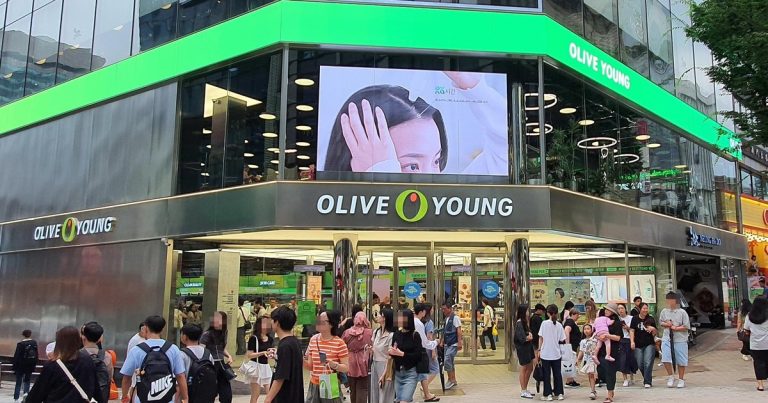
That mindset shows up on every Olive Young shelf (Olive Young is Korea’s biggest health-and-beauty chain): scalp scalers, scalp shampoos, tonics and silicone shampoo brushes sit next to the face care. Hair salons followed, adding scalp care to color and perm menus, and then dedicated head spa studios opened with private rooms, low lighting and one job to do.
Work culture plays a part too. Long hours, desk posture and phone necks make a booked hour of head and shoulder massage an easy sell to Seoul office workers.
Korean vs Japanese head spa: what’s different?
Japan has its own well-known head spa culture, and the two are easy to confuse. Shops vary in both countries, but the general split looks like this.
| Aspect | Korean head spa | Japanese head spa |
|---|---|---|
| Focus | Scalp cleansing and care, plus relaxation | Mainly relaxation and massage |
| Typical steps | Scan, scaling and shampoo, massage, steam or towel, tonic and blow-dry | Consultation, long scalp massage (often with shampoo or oil), rinse and dry |
| Scalp scan | Yes, a standard first step at most shops | Offered by some salons, but less central |
How to choose a head spa in Seoul
Start with what you want out of it. If your goal is a clean, light scalp, prioritize a course built around scaling and cleansing. If you want to switch off, pick the longest massage you can find on the menu. Then choose the type of shop.
Hair salon add-on vs dedicated head spa studio
| Option | Best for | Setting | Watch out for |
|---|---|---|---|
| Head spa course at a hair salon (미용실) | Combining with a cut, color or blow-dry | Open salon floor, more noise | Shorter massage; upselling of treatments |
| Dedicated head spa studio | Relaxation, the full 5-step experience | Private or semi-private rooms, quiet | Course names that hide what’s included |
| Scalp clinic or hair-loss care center (탈모 관리) | Ongoing hair-loss programs | Clinical, consultation-heavy | Package sales; not a relaxation spa |
Which course to pick: cleansing or relaxation?
| Cleansing-focused course | Relaxation course | |
|---|---|---|
| Good for | Oily scalps, heavy product users, buildup from dry shampoo or styling paste | Jet lag, stiff necks, anyone who mostly wants an hour of being looked after |
| Skip it if | Your scalp is sunburned, broken, freshly bleached or irritated; exfoliating solutions can sting | You dislike firm neck and shoulder pressure, or have a neck or shoulder injury |
| What’s included | Scalp scaler, deep-cleansing shampoo, often a carbonated rinse | Longer massage, steam or warm towels, a mask or treatment, then styling |
| When to book | When you care more about how your scalp feels than about massage time | Late in your trip or after a heavy walking day; ask for your pressure up front |
Where head spas cluster in Seoul
You’ll find them wherever Seoul’s salons are dense: Cheongdam and Apgujeong (the upscale salon district south of the Han River), Gangnam and Sinsa, Hongdae and Yeonnam in the west, Seongsu in the east and around Myeongdong for convenience. Location matters less than the course itself, so pick something near your hotel and read the menu closely.
How to book a Korean head spa as a foreigner
Koreans search first, then book in the same app. You can do the same with a little prep.
- Search Naver Map with the right Korean word. The term decides which kind of shop you get. Type 헤드스파 (head spa) plus your area, for example 헤드스파 홍대 (Hongdae), for relaxation-focused studios. Type 두피스케일링 (scalp scaling) for cleansing-focused courses. Results for 탈모 관리 (hair-loss care) are mostly clinics and care centers selling multi-session programs, so skip that term if you want a spa. Naver Map has better shop data in Korea than Google Maps.
- Sort and filter the results. In the results list, open the sort menu and choose the most-reviews option (리뷰 많은순) so shops with a long track record rise to the top. Then open the top few and compare their visitor ratings, where a shop shows them, and the keyword review tags, such as comments on kindness, cleanliness or the massage. A shop with many recent reviews tells you more than one with a handful of perfect scores.
- Read the visitor reviews and photos. Look at 방문자 리뷰 (visitor reviews) for comments about pressure, cleanliness and whether staff explained each step. Photos of the rooms tell you a lot.
- Check the menu. Course length, what’s included, and any long-hair surcharge (기장 추가, gijang chuga), which is common in Korean salons.
- Book. Naver Booking (네이버 예약) runs inside the app and needs a Naver account. If Naver Booking asks for Korean phone verification, skip it and message the shop’s KakaoTalk (Korea’s main messaging app) channel (linked from its Naver listing) with the exact course name, date and time. Many shops also answer Instagram DMs, and foreigner-focused booking platforms such as Klook or Creatrip list some head spas.
- Confirm the details. Ask whether the course can be explained in English, and read the cancellation and deposit (예약금, yeyakgeum) rules.
What to ask before and during your head spa
Ask three things when you book: what the course includes, how long it takes from check-in to blow-dry, and whether there’s a surcharge for long hair. Ask about products too if you react to fragrance or essential oils, since many Korean scalp products carry strong scents like rosemary, mint or tea tree.
During the session, the single most useful thing is speaking up about pressure and water temperature. Pressure can be firmer than you expect. These phrases cover nearly everything, and our list of basic Korean phrases for travel covers the rest of your trip.
| English | Korean | Romanization | When to use it |
|---|---|---|---|
| I have a reservation. | 예약했어요. | yeyak haesseoyo | Arriving at the shop (polite) |
| Do you have an English menu? | 영어 메뉴 있어요? | yeongeo menyu isseoyo? | Choosing a course (polite) |
| A bit softer, please. | 좀 약하게 해 주세요. | jom yakhage hae juseyo | Massage pressure too strong (polite) |
| A bit stronger, please. | 좀 세게 해 주세요. | jom sege hae juseyo | Massage pressure too light (polite) |
| The water is too hot. | 물이 너무 뜨거워요. | muri neomu tteugeowoyo | At the shampoo bed (polite) |
| My skin is sensitive. | 피부가 예민해요. | pibuga yeminhaeyo | Before scaling or products (polite) |
| It’s fine, thank you. | 괜찮아요, 감사합니다. | gwaenchanayo, gamsahamnida | Declining product offers (polite) |
Head spa aftercare: what to do afterward
Aftercare is simple. Many shops suggest skipping another wash the same day so the tonic or serum can stay on, and going light on styling products until your next shampoo. Ask your therapist what they’d recommend for your scalp, since advice depends on what they used.
Your scalp may feel very clean and slightly exposed, especially along the part. On a sunny day, a hat is sensible. If you notice redness, itching or stinging that doesn’t settle, rinse with lukewarm water and see a doctor or pharmacist; a pharmacy (약국, yakguk) is easy to find in Seoul.
Should you buy the products they used?
You don’t need to buy anything on the spot. Shops sometimes offer product sets or multi-session packages at the counter, and it’s normal to say no. If you liked a product, note its name and compare at an Olive Young later.
Common mistakes foreigners make with Korean head spas
- Booking a hair-loss clinic by accident. Searching “scalp care” can bring up 탈모 관리 (hair-loss care) centers that sell multi-session programs. If you want relaxation, search 헤드스파.
- Staying quiet about pressure. Therapists adjust happily, but only if you tell them.
- Ignoring the course details. Two shops can use the same course name for very different lengths. Compare what’s included, not the name.
- Scheduling it right before a flight with no buffer. Drying and styling take time, and sessions can run over.
- Turning up with a freshly bleached or sunburned scalp. Scaling products can sting. Reschedule or ask for a gentler course.
How to copy the Korean head spa routine at home
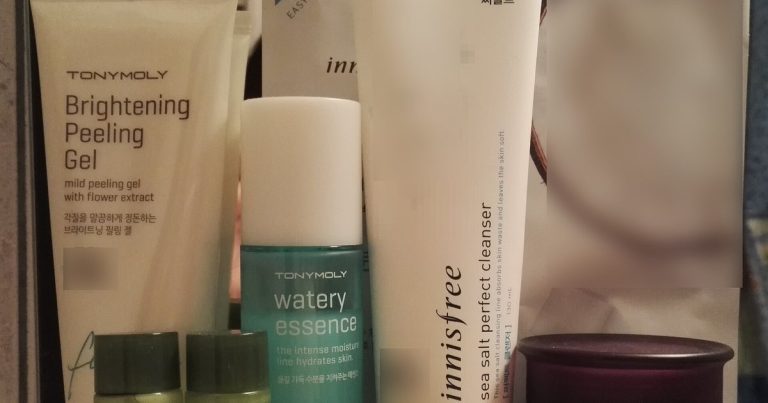
Koreans don’t book a head spa every week. They keep the effect going at home with a scalp routine, and you can build the same one from what’s stocked at Olive Young (see our rundown of Olive Young best sellers) or at Korean beauty retailers abroad.
- Exfoliate once a week or so. Apply a scalp scaler to the scalp before shampooing, leave it as long as the label says, then rinse.
- Shampoo the scalp, not the lengths. Work lather at the roots with your fingertips or a silicone scalp brush; let the suds run through the ends.
- Rinse in lukewarm water. Very hot water is what most head spas avoid.
- Dry the scalp first. Korean salons dry the roots first, so point the dryer at the roots before the lengths and don’t leave the scalp damp.
- Add a tonic if you like the feel. Cooling scalp tonics are a big category in Korea and mimic the fresh finish of the salon.
Names you’ll see on Korean shelves include Aromatica (known for its rosemary scalp scaling shampoo), Dr.FORHAIR, Ryo and Daeng Gi Meo Ri. Pick by scalp type: oily scalps tend to suit scaling shampoos, dry or sensitive ones gentler, fragrance-light formulas.
- Good for
- A scalp scaler suits oily scalps and people who use a lot of styling product or dry shampoo.
- Skip it if
- Your scalp is broken, sunburned, freshly bleached or prone to irritation, or you have a diagnosed scalp condition.
- How to use
- Use before shampoo, follow the label for timing and frequency, and patch test on a small area first because many scalers contain exfoliating acids.
- Key ingredients
- Often an exfoliant such as salicylic acid, plus cooling agents like menthol or plant extracts such as rosemary or tea tree.
FAQ
How much does a Korean head spa cost in Seoul?
Prices vary by course length, what’s included, the neighborhood and hair length, and they change often, so we don’t quote figures. Check the menu on the shop’s Naver Map listing or official page before you book. Look for a long-hair surcharge (기장 추가) so the bill isn’t a surprise.
Is a Korean head spa worth it for tourists?
If you like massages and are curious about Korean scalp care, it’s one of the most relaxing hours you can book in Seoul. It also teaches you a routine you can copy at home. If firm massage or strangers touching your head isn’t your thing, a scalp scaler from Olive Young gives you the cleansing part without the session.
Do I need to speak Korean at a head spa?
No. Many Seoul head spas in salon and tourist areas handle foreign guests, and the process is easy to follow. Learning a few phrases for pressure and water temperature makes the session better, and a translation app covers the consultation form.
Can men get a Korean head spa?
Yes. Head spas in Seoul serve men and women, and many Korean men book scalp care, especially cleansing courses for oily scalps. Short hair also means a faster blow-dry.
Does a head spa help with hair loss?
A head spa is a cleansing and relaxation service, and it isn’t a treatment for hair loss or any scalp condition. Some shops market scalp care around hair loss, but if you’re worried about thinning, persistent flaking or itching, see a dermatologist. In Korea that’s a 피부과 (pibugwa) clinic.
Should I wash my hair before a head spa?
No need to wash, but skip wax, oil and dry shampoo that day so the scan shows your real scalp. If you’re unsure, ask the shop when you book.
Planning your head spa in Seoul: what to do next
Once you’ve booked, screenshot the shop’s Korean name and address from its Naver listing so you can show a taxi driver or search it offline. If you’re stacking beauty stops in one day, put the head spa last, after any facial or skin clinic visit, so you leave with clean, styled hair for the evening.
Related reading

Sources k-korea.blog
Prices, opening hours and availability change. Check the official page before you buy or travel.