10 min read
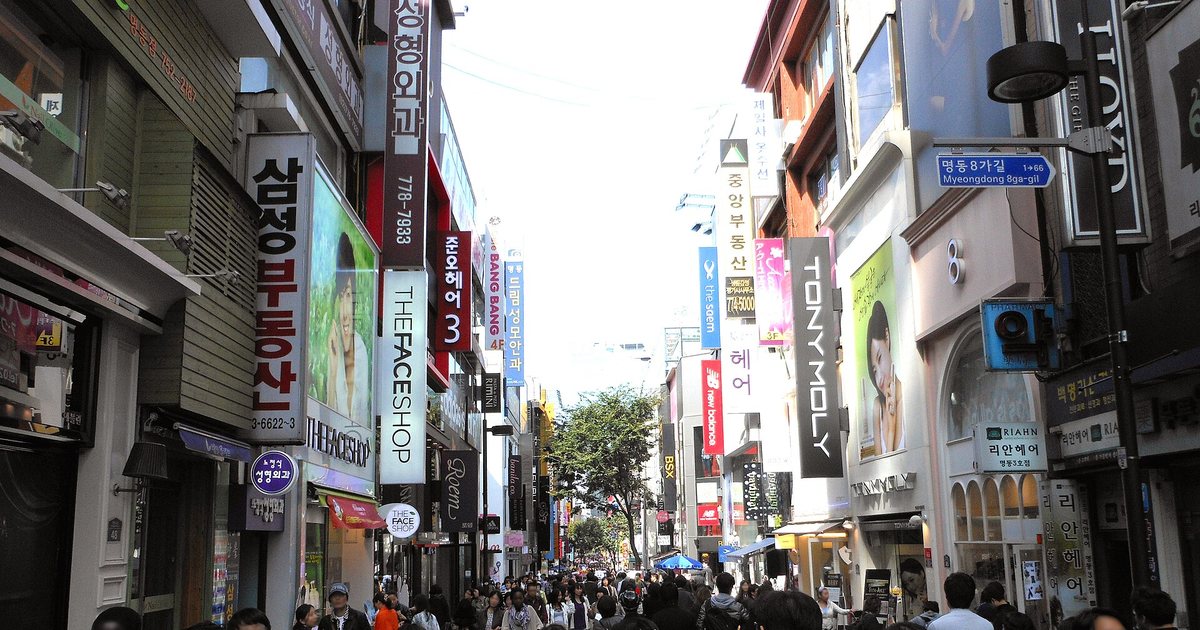
The best Seoul 3 day itinerary first time visitors can follow covers 3 areas, one cluster per day: the palaces, Namsan with Myeongdong, then Seongsu and Hongdae. Sleep in Myeongdong or around Jongno and Insadong, and most of days one and two is a short subway ride or a walk from your door. This guide covers where to stay, what each neighborhood is actually good for, and a route that works around palace closing days and the real distances across the city.
Key takeaways
- Gyeongbokgung closes on Tuesdays, Changdeokgung on Mondays. Plan your palace day around those two dates first.
- Stay north of the Han River (Myeongdong, Jongno or Insadong) on a first trip. Most first-timer sights are there.
- Seongsu and Hongdae both sit on subway Line 2, so put them on the same day: Seongsu by day, Hongdae at night.
- Get Naver Map or KakaoMap before you land. Google Maps gives limited walking and driving directions in Korea.
Where to stay in Seoul on a first trip
In Seoul, location matters more than room size. The city has 25 districts (each one a gu), and the Han River cuts it in half. North of the river, called Gangbuk, is the old royal city with the palaces, Insadong and Namsan. South of the river is Gangnam, the newer business and shopping side. Short trips go wrong when you book a cheap hotel on the wrong side and spend an hour each way on the subway.
For a first visit, stay north. These five areas cover nearly every first-timer, and each one gives you something different:
| Area | Best for | Main subway station | Downside |
|---|---|---|---|
| Myeongdong | Central base, shopping, street food, airport buses | Myeongdong (Line 4) | Crowded and touristy, quiet early in the morning |
| Jongno / Insadong / Anguk | Palaces, hanok guesthouses, traditional tea and craft shops | Anguk (Line 3), Jonggak (Line 1) | Fewer late-night options |
| Hongdae | Nightlife, live music, young crowd, direct train to Incheon Airport | Hongik Univ. (Line 2, AREX) | West of the center, so palace mornings start further away |
| Seongsu | Cafes, design shops, brand pop-up stores | Seongsu (Line 2) | Fewer hotels, east of the old city |
| Gangnam | Business travel, upscale shopping | Gangnam (Line 2) | Far from most classic sights |
Myeongdong or Jongno: which is better for a first trip?
Choose Myeongdong if you want to land and start moving. Airport limousine buses stop nearby, Line 4 runs straight through it, and Namsan rises right behind it. Choose Jongno or Insadong if you want quieter evenings and you’d like to walk to Gyeongbokgung and Changdeokgung in the morning. Many hanok (traditional Korean house) guesthouses are in this part of town, and the bigger chain hotels are mostly closer to City Hall and Myeongdong.
When Hongdae makes sense
Hongdae is the right base if you care most about nightlife, indie music and late dinners. It’s also on AREX, the airport rail line, so you get a direct train from Incheon. The cost is an extra transfer every time you head to the palaces.
How Seoul’s neighborhoods fit together on a map
A simple model of the subway helps you plan. Line 2 is a big green loop around the city, and it passes through Hongdae, City Hall, Seongsu and Gangnam. Lines 3 and 4 run north to south through the old center: Line 3 for Gyeongbokgung and Anguk, Line 4 for Myeongdong and Seoul Station. Seoul Station is the hub for AREX and the KTX high-speed trains.
From that you get the main planning rule: group your stops by line and by area, not by a ranking list. Gyeongbokgung, Bukchon and Insadong are all within walking distance of each other. Myeongdong, Namdaemun Market and Namsan are too. Seongsu and Hongdae sit on opposite sides of the Line 2 loop, so you ride across once and stay there.
Expect company. The Seoul Metropolitan Government reported that international visitors spent KRW 8.84 trillion in Seoul in the first nine months of the year, already more than in all of last year. The big sights get busy, so the early start on day one matters.
The Seoul 3 day itinerary for a first time visit, day by day
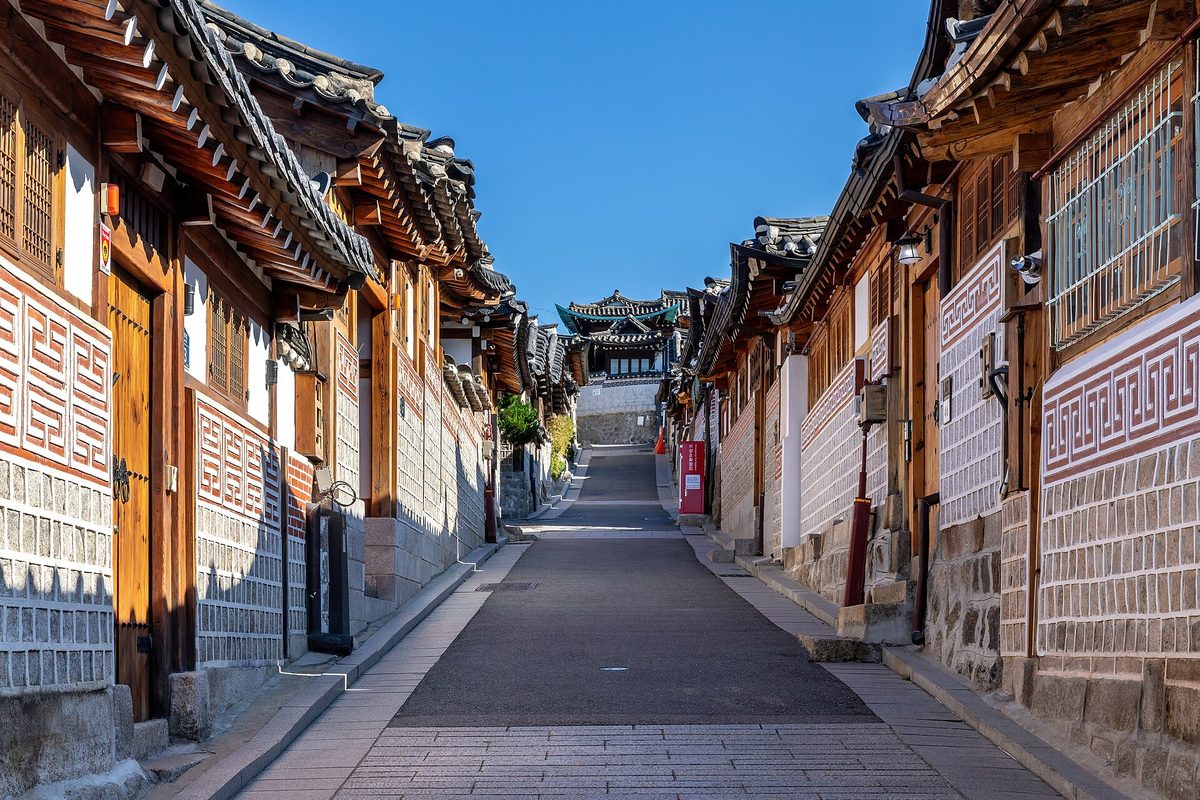
Each day sticks to one cluster, with a long walk in the middle and one slower stretch. Swap the order if a closing day gets in the way, but keep the clusters together.
Day 1: Gyeongbokgung, Bukchon and Insadong (avoid Tuesday)
Arrive at Gyeongbokgung when it opens. It’s the largest of the Joseon-dynasty palaces, and it’s calmest before the tour groups come in. The royal guard-changing ceremony at Gwanghwamun, the main gate, is worth timing your arrival for. Check the schedule on the Royal Palaces official site, because it changes with the season and the weather. The National Folk Museum of Korea is inside the palace grounds.
Next, walk east into Bukchon Hanok Village, a hillside of traditional houses where people still live. Keep your voice down, stay on the public lanes, and look up the current visiting rules before you go, because the district has set limits on tourist access to protect residents. Go downhill to Insadong for lunch, tea and the Ssamziegil craft complex. Finish in the Ikseon-dong hanok alleys, or walk along Cheonggyecheon, the restored stream that runs through downtown. For dinner, Gwangjang Market is a short ride east and serves bindaetteok (crispy mung bean pancakes) and mayak gimbap (small, moreish seaweed rice rolls).
Day 2: Namsan, Namdaemun and Myeongdong
Start with Namsan, the forested hill in the middle of the city, topped by N Seoul Tower. You can ride the cable car or walk the trails. Walking is the better option: hiking is now one of the things visitors come to Seoul for, and the South China Morning Post reports that tourists are crowding onto the city’s urban mountain trails. Namsan is the easiest of them to fit in.
Walk down to Namdaemun Market for lunch and browsing, then go on to Myeongdong in the afternoon for skincare and fashion. Our guide to what to buy at Olive Young picks products by skin type and explains the tax refund. Stay until dark, when the street food carts set up along the main lanes. If you’re near Deoksugung, the palace next to City Hall, go back after dinner: it’s the most atmospheric palace to see at night.
Day 3: Seongsu by day, Hongdae by night
Many cafes and shops in Seongsu open late in the morning, so take it easy and go after breakfast. The old factory buildings now hold roasteries, design stores and brand pop-ups that change all the time. Right next door is Seoul Forest, a large park that’s good for a break.
In the late afternoon, ride Line 2 across the loop to Hongik Univ. Station. Spend the early evening on the Gyeongui Line Forest Park walk toward Yeonnam-dong, then end up in Hongdae for busking, bars and a late meal. If you want Korean BBQ for your last dinner, read how to eat Korean BBQ first, so the cuts, the lettuce wraps and the grill etiquette make sense at the table.
| Day | Morning | Afternoon | Evening | Key stations |
|---|---|---|---|---|
| Day 1 | Gyeongbokgung, guard ceremony | Bukchon, Insadong | Ikseon-dong or Gwangjang Market | Gyeongbokgung (3), Anguk (3), Jongno 5-ga (1) |
| Day 2 | Namsan trail, N Seoul Tower | Namdaemun Market, Myeongdong shopping | Myeongdong street food, Deoksugung | Myeongdong (4), Hoehyeon (4), City Hall (1, 2) |
| Day 3 | Slow start in Seongsu | Seoul Forest, ride Line 2 west | Yeonnam-dong, Hongdae | Seongsu (2), Hongik Univ. (2, AREX) |
Which Seoul palace to visit first, and when each one closes
Seoul has five grand palaces from the Joseon dynasty, which ruled Korea from 1392 to 1910. On a three-day trip, one palace done properly is better than three done in a hurry. Start with Gyeongbokgung, since it’s the largest and the most famous. If you have time and energy for a second, choose Changdeokgung, which is a UNESCO World Heritage Site and follows the hillside instead of a strict grid.
- Gyeongbokgung: closed Tuesdays. Has the guard ceremony at Gwanghwamun.
- Changdeokgung and Changgyeonggung: closed Mondays. The two are next to each other.
- Deoksugung: closed Mondays. Next to City Hall, and good in the evening.
- Gyeonghuigung: the smallest and quietest of the five.
Opening hours, night openings and the combined palace ticket all change, so check the official Royal Palaces and Cultural Heritage Administration pages before you go.
Free palace entry in hanbok
If you wear hanbok, the traditional Korean dress, you get into the palaces free. That’s why the rental shops cluster around Gyeongbokgung. Our hanbok rental Seoul guide covers the rules and how to choose a shop. Rent on day one, because it fits the palace route.
Book the Secret Garden in advance
Huwon, the Secret Garden behind Changdeokgung, is only open on guided tours with a separate ticket, and English-language slots fill up. If it’s on your list, book through the official palace website as soon as your dates are set.
Myeongdong, Hongdae, Seongsu or Insadong: what each is best for
Each of these neighborhoods is good for one main thing, and it helps to go knowing what that is.
Myeongdong: for shopping and street food
Myeongdong is built for visitors: flagship cosmetics stores, global fashion chains, currency exchange booths and food carts. Go for skincare and snacks. Don’t go looking for quiet streets.
Hongdae: for nightlife and live music
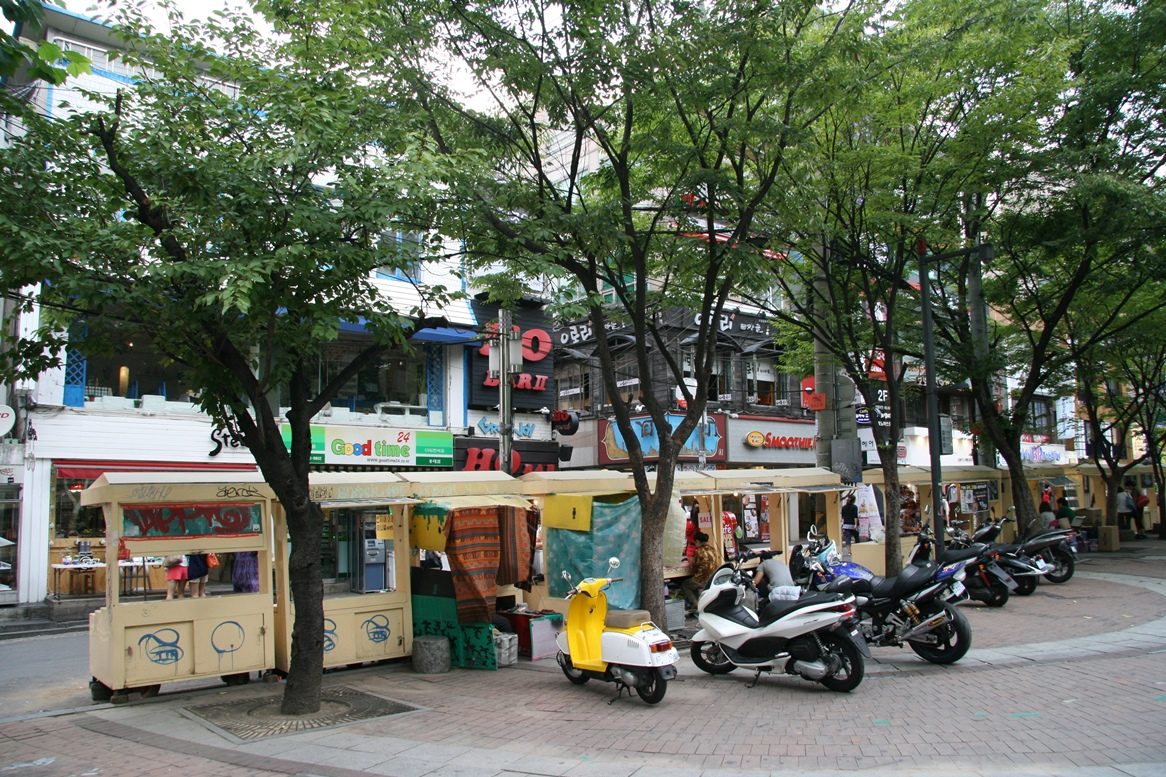
Hongdae is the area around Hongik University, an art school, so it’s young and loud and stays up late. Street buskers, small live venues, vintage shops and cheap eats are the draw. Daytime is fine, but it comes alive after dark.
Seongsu: for cafes and new brands
Seongsu has been called Seoul’s Brooklyn: old warehouses and workshops turned into coffee roasteries and concept stores. Brands launch pop-ups here, so what you find changes from month to month. It’s a daytime neighborhood.
Insadong: for crafts and tea
Insadong is where you’ll find traditional teahouses, hanji (handmade paper), ceramics and calligraphy supplies. Some of the souvenirs are mass-produced. The tea and the side alleys are why you go.
How to get around Seoul as a first-time visitor
The subway is clean, signed in English and Korean, and goes almost everywhere you’ll want to go. Buy a T-money card, the rechargeable transit card, at any convenience store or station machine. Tap it when you go in and when you come out, and it also works on buses and in many taxis. You can top it up with cash at station machines and convenience stores.
From Incheon Airport, AREX runs to Hongik Univ. and Seoul Station, and limousine buses go to the main hotel areas, including Myeongdong. Gimpo Airport is closer to the city and handles mostly domestic and some regional flights. Kakao T is the main app for calling a taxi.
First-time Seoul mistakes that cost you half a day
- Turning up at a closed palace. Gyeongbokgung on a Tuesday is the most common one. Look at the day of the week before you set your route.
- Treating the whole city as walkable. Seongsu to Hongdae is a long subway ride. Cross the city once a day at most.
- Going to Seongsu too early. Many shops and cafes there open late in the morning. Spend your early hours at a palace or on Namsan.
- Treating Bukchon like a theme park. People live in those houses. Follow the visiting rules and keep your voice down.
- Relying on Google Maps. Download a Korean map app before you arrive.
- Forgetting the tax refund. Bring your passport when you shop. Many big stores process the refund at the till or in the store.
FAQ
Is 3 days enough for Seoul on a first trip?
Three days covers the essentials: one palace, a traditional neighborhood, Namsan, a shopping street and a night out. You won’t see museums in depth or take day trips. If you have a fourth day, use it for a slower second palace or a trip out of the city.
Where should I stay in Seoul for the first time?
Myeongdong is the most convenient all-round base, with central subway lines, airport buses and plenty of food. Jongno and Insadong are quieter and close to the palaces. Hongdae suits travelers who care most about nightlife and want a direct train to the airport.
Is Myeongdong or Hongdae better?
It depends on your trip. Myeongdong is better for sightseeing, because it’s central, close to Namsan and a short ride to the palaces. Hongdae is better if your evenings matter more than your mornings.
Do I need cash in Seoul?
Cards work almost everywhere, including most taxis and convenience stores. Carry some won for street food stalls, small market vendors and topping up your T-money card with cash.
Which Seoul palace is best if I only have time for one?
Gyeongbokgung, for its size, the guard ceremony at Gwanghwamun, and its location next to Bukchon and Insadong. Remember it’s closed on Tuesdays. On a Tuesday, go to Changdeokgung, which is open that day.
Can I use Google Maps in Seoul?
Partly. It shows places and public transit, but its walking and driving directions are limited. Naver Map and KakaoMap work far better, and both have English interfaces.
What to plan after your first 3 days in Seoul
If you’re adding days, the easiest next steps are Suwon’s Hwaseong Fortress (a UNESCO site reachable by subway), a guided tour to the DMZ (the fortified border with North Korea, which you can only visit on organized tours), or a KTX high-speed train to Busan for the coast. Before you leave, check the official Royal Palaces site for your dates, book the Secret Garden if you want it, and look up Bukchon’s current visiting rules. Then pick your hotel area from the table above.
Related reading
Sources news.google.com · k-korea.blog
Prices, opening hours and availability change. Check the official page before you buy or travel.