11 min read
MapleStory is a free-to-play 2D side-scrolling MMORPG that Nexon launched in Korea in 2003. It is still running, still getting major updates, and still one of the games Korean players argue about most, which is the clearest sign a game is alive.
If you are wondering whether it is worth starting now, the short answer is yes, as long as you pick the right version and understand that the early levels are a tutorial for a much deeper gear-and-boss game. This guide explains what MapleStory is, why it outlasted almost every MMO from its era, how the Korean version (KMS) differs from the global one (GMS), and how to begin from outside Korea.
Key takeaways
- MapleStory launched in Korea in 2003 and reached North America in 2005; it has never gone offline in Korea since.
- KMS (Korea MapleStory) gets new content first; GMS and other regional versions usually follow months later, sometimes with changes.
- The real game starts after leveling: Star Force enhancement, Potential via cubes, Legion and bosses decide how strong you are.
- Korea’s Fair Trade Commission sanctioned Nexon in 2024 over how cube probabilities were handled, after years of player protests.
What is MapleStory, and why is it still running?
MapleStory (메이플스토리) is a cartoon-style online role-playing game viewed from the side, like a classic platformer. You jump between ledges, climb ropes and hit monsters with skills while hundreds of other players do the same on the same map. It was built by Wizet, a small Korean studio that Nexon acquired and later absorbed, and it is published by Nexon, one of the largest Korean game companies (we explain how Nexon fits next to its rivals in our guide to Korean game companies).
The look has stayed cute: Orange Mushrooms, slimes, pigs and snails on Maple Island and Victoria Island, towns like Henesys, Ellinia, Perion and Kerning City. Underneath, the modern game is a long, numbers-heavy grind toward endgame bosses, with a storyline built around a villain called the Black Mage.
How does MapleStory make money if it is free?
MapleStory was one of the first big online games to prove the free-to-play model. You download and play at no cost, and the company sells optional items through a cash shop: outfits, pets, extra character slots, convenience items and, controversially, enhancement items that affect power. Korean players buy Maple Points; the global version has historically used NX. That model, copied by much of the industry later, is a big part of why the game never needed to shut down.
KMS vs GMS: which MapleStory version should you play?
MapleStory is not one game with one server list. Nexon runs separate regional versions, each with its own accounts, servers, events and update schedule. Characters do not transfer between them. Foreign players usually face one real choice: the global version or the Korean one.
| Version | Who it is for | Language | Updates | Access from abroad |
|---|---|---|---|---|
| KMS (Korea MapleStory) | Players in Korea, or fluent Korean speakers who want new content first | Korean | Gets new classes, bosses and systems first | Usually needs a Nexon Korea account with Korean identity verification; check the official KMS site |
| GMS (Global MapleStory) | Players in North America and Europe, most English speakers | English | Follows KMS, often months later, with its own events | Open sign-up with a Nexon account; available through the Nexon launcher and Steam |
| MapleSEA | Players in Southeast Asia | English | Follows KMS on its own schedule | Regional; check the official MapleSEA page for eligibility |
| JMS, TMS and other regional versions | Players in Japan, Taiwan and other markets | Local languages | Follow KMS, with local events and tweaks | Usually region-restricted |
Is KMS better than GMS?
KMS is the source version. Classes, bosses and system reworks are designed and released there first, and Korean players are the ones who test, complain and force balance changes. That makes KMS the version that YouTubers and theorycrafters watch, even in other countries.
For most foreign players, though, GMS is the better pick. You can read the quests, sign up without a Korean phone number, play with people in your time zone and find English guides. Being a few months behind KMS is a feature for planners: you can see what is coming and prepare your gear and characters.
What are Reboot and Heroic worlds?
GMS has offered worlds with separate rules, launched as Reboot and later branded Heroic, where you cannot trade cash shop items and monsters drop more gear and currency (mesos). They suit players who want a self-reliant grind with less pressure to spend. KMS runs its own special worlds too. Names and rules change over time, so check the current world list on the official site before you create a character, because you cannot move a character between world types later.
How MapleStory survived when other 2000s MMOs shut down
Dozens of online games launched in Korea in the early 2000s, and most are gone. MapleStory lasted for a few concrete reasons.
It ran on almost any computer
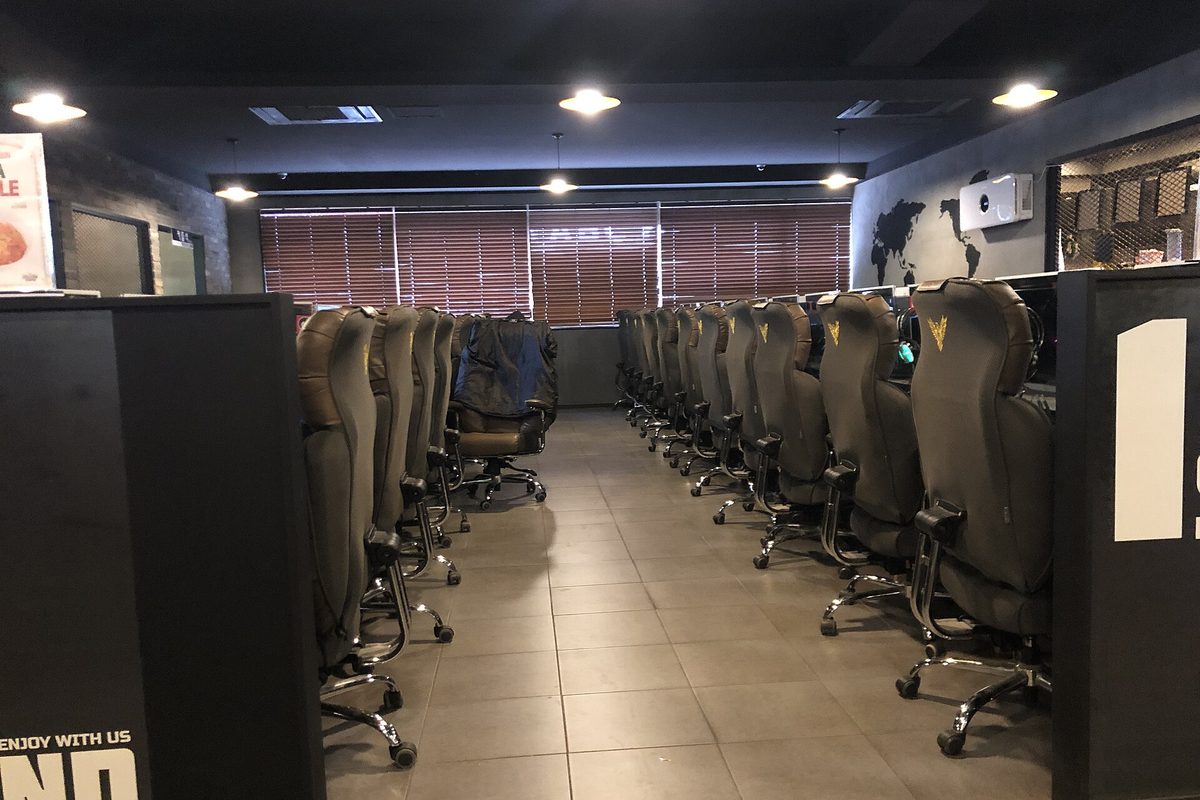
2D sprite graphics meant the game played fine on cheap school PCs and in PC bangs (Korea’s hourly-rate gaming cafes). A whole generation of Korean kids could play it after class without a powerful machine, and many of them still play as adults.
It reinvented itself instead of launching a sequel
Rather than abandoning the original for a new game, Nexon kept rebuilding it. The Big Bang update in 2010 overhauled leveling and skills, and later updates added huge story regions such as Arcane River and Grandis. Old players came back to see their childhood world rebuilt, which kept the community connected across years.
New classes keep pulling people back
MapleStory started with five Explorer branches: Warrior, Magician, Bowman, Thief and Pirate. Since then it has added whole families of classes, including Cygnus Knights, Heroes (Aran, Evan, Mercedes, Phantom, Luminous, Shade), the Resistance and others. Every new class release is effectively a relaunch: veterans make a fresh character, newcomers get a moment when everyone starts at level 1 together.
The systems reward long-term play
Many MapleStory systems give account-wide bonuses for having several characters. That design turns one character into a roster and gives players a reason to stay for years instead of finishing the story and leaving.
How MapleStory progression works after the early levels
New players often think MapleStory is about leveling. Leveling is the easy part. Power comes from gear and account systems, and most of the community conversation is about those.
Star Force: upgrading gear with risk
Star Force lets you spend mesos to add stars to equipment, each star adding stats. Higher stars carry a chance to fail, drop a level or destroy the item, depending on the current rules. It is the main meso sink in the game and the source of many famous screenshots, happy and painful.
Potential and cubes
Most equipment can carry Potential, extra random stat lines. To reroll those lines you use cubes, which come from the cash shop, from events or from gameplay, depending on version and world. Getting the lines you want can take many attempts, which is exactly why cubes became the most controversial item in Korean gaming (more on that below).
Legion, Link Skills and the multi-character game
Legion (called Union, 유니온, in KMS) gives bonuses based on the levels of characters across your account. Link Skills let one character share a passive bonus with others. In practice, this means serious players level several classes, not just one main.
Bosses are the real endgame
Classic bosses like Zakum, Horntail and Pink Bean are now stepping stones. The endgame is a ladder of harder bosses tied to the Black Mage storyline and the regions that follow it. Weekly boss clears also produce a large part of a character’s income, so your gear and your earnings grow together.
The cube scandal and the truck protests: what Korean players changed
In 2021, Korean MapleStory players reacted to revelations about how Nexon had handled cube probabilities by organizing some of the most visible protests in Korean gaming. Fans pooled money to send “protest trucks” with digital billboards to drive past Nexon’s offices, a form of fan protest that spread to other Korean games at the time.
The fallout lasted years. In 2024, Korea’s Fair Trade Commission sanctioned Nexon over how cube probabilities had been disclosed, and Korea also brought in rules requiring game companies to publish the odds of probability-based items. For foreign players, the practical effect is that MapleStory now publishes far more detail about rates than it once did, and the Korean community remains a strong, vocal check on monetization.
The takeaway for a newcomer is simple. Treat cubes and similar items as gambling-style randomness with published odds, set your own spending limit before you start, and remember that free-to-play really is playable if you are patient.
Why MapleStory matters in Korean gaming culture
In Korea, MapleStory is less a game than a shared childhood. Ask Koreans in their twenties and thirties about Henesys background music and you will often get a smile. Many first played in PC bangs or on the family computer, and the soundtrack is still played at fan events and covered by musicians online.
The slang Koreans use for MapleStory
Players call themselves 메이플러 (mapler). A newcomer is a 메린이 (merini), a mix of Maple and 어린이 (eorini, child), which Koreans now apply to beginners in many hobbies. That word has spread well beyond the game, so if you like learning Korean through internet culture, our list of Korean slang words with meaning is a natural next stop.
Updates as national events
Large summer and winter updates in KMS are announced at showcase events and analyzed by Korean streamers for days. New class trailers trend, and “burning” leveling events (temporary boosts for new characters) bring back lapsed players. If you follow Korean gaming news, MapleStory showcases are one of the regular moments when the whole community pays attention.
How to start MapleStory today from outside Korea
Starting is free and fast if you go with the global version. Here is the order that saves the most time.
- Pick your version. Choose GMS if you are in North America or Europe and read English; check MapleSEA or your local version if you are in Asia. Skip KMS unless you read Korean and can pass Korean account verification.
- Create a Nexon account on the official MapleStory global site, then install the game through the Nexon launcher or Steam. It runs on Windows PCs.
- Choose a world type. Decide between a regular world (cash shop trading allowed) and a Heroic or Reboot-style world (more drops, no cash item trading). This choice is permanent for that character.
- Choose a class you enjoy moving with. In a side-scroller, movement matters as much as damage. Try a couple of classes to level 30 or so before committing.
- Follow the main quest line. The story quests and the event guide in your UI point you to the right maps for your level. Ignore anyone telling you to grind one map for hours early on.
- Join a guild early. Guilds give useful bonuses and, more importantly, people who will explain systems, carry you through your first bosses and answer questions guides do not.
- Learn one system at a time. Get comfortable with weekly bosses and basic Star Force before worrying about perfect Potential lines.
Which MapleStory class should a beginner pick?
Pick a class with simple mobbing (clearing many monsters at once) and decent mobility, because most early time is spent training on maps. Classes and balance change with every major patch, so check the current class tier discussions on the official forums or your version’s community before you settle. The best main is the one you enjoy playing for hundreds of hours.
Common mistakes new MapleStory players make
- Spending money on day one. You will not understand which items matter until you reach the midgame. Wait.
- Ignoring alt characters. Because of Legion and Link Skills, a few low-effort extra characters make your main stronger.
- Using old guides. MapleStory has been reworked many times. A guide from even a couple of years ago can be wrong on rates, maps and class skills.
- Chasing perfect gear early. Gear gets replaced as you progress. Upgrade sensibly and save resources for endgame pieces.
- Playing solo only. Party play, guilds and bossing with others are where the game gets fun and much more efficient.
MapleStory spin-offs: M, MapleStory 2 and Worlds
The name now covers a small family of games. MapleStory M is the mobile version, launched in Korea in 2016 and later released globally, with auto-battle features built for phones. MapleStory 2 was a 3D sequel released in Korea in 2015; its global service shut down in 2020, which is a useful reminder of how unusual the original’s survival is. MapleStory Worlds is a Nexon platform where users build their own games with MapleStory assets.
If you want the classic experience, the original PC game is still the main event. The spin-offs are worth trying for a different feel, but they have separate accounts, progress and communities.
FAQ
Is MapleStory still popular?
Yes. The game is still updated regularly in Korea and abroad, and new class releases and major patches still draw large crowds back. Player numbers vary by version and season, so check the official site and community for current activity in your region.
Can you play Korean MapleStory (KMS) from outside Korea?
KMS generally requires a Nexon Korea account with Korean identity verification, which most foreigners cannot complete. Rules can change, so check the official Korean MapleStory site. For most foreign players, GMS or a regional version is the practical choice.
Is MapleStory pay-to-win?
Spending can speed up progression through cubes and other enhancement items, and that has been a major issue for players. Many people reach the endgame without spending by bossing weekly, joining guilds and using event rewards. Reboot or Heroic-style worlds in GMS are built for players who want a lower-spending path.
Who made MapleStory?
MapleStory was developed by Wizet, a Korean studio that became part of Nexon, and it is published by Nexon. It launched in Korea in 2003 and arrived in North America in 2005.
Is MapleStory on Steam?
Yes, Global MapleStory is available on Steam as well as through the Nexon launcher. You still use a Nexon account, and progress is tied to your version and world, not the store you download from.
Is MapleStory good for beginners in 2D MMOs?
It is one of the friendliest places to start, because early levels are fast and quests guide you. The depth arrives later with gear systems and bosses, so expect a learning curve once you reach the midgame.
What to play or explore next if MapleStory hooks you
Start a GMS character this week on a world type that matches how much you want to spend, and give one class a fair run before switching. Watch for the next KMS showcase to see which classes and bosses will reach global servers later, and read patch notes on the official site before big upgrades.
If you want the bigger picture, see where MapleStory sits among Korea’s other classics in our list of the best Korean video games, from Lineage to Stellar Blade. It is the best way to understand why Korean players treat a cute 2003 side-scroller as part of their life story.
Related reading




Sources k-korea.blog · maplestory.nexon.net
Prices, opening hours and availability change. Check the official page before you buy or travel.