
12 min read
The answer to what is kpop starts in 1992: it’s South Korean pop music, rebuilt since then around idol groups that agencies train for years before debut. What sets it apart from American or British pop is the package. A K-pop release bundles a song, a choreography, a music video, a visual concept and a fan campaign, and all of it is timed to land in the same week.
For a listener abroad, that makes K-pop unusually easy to get into. Almost everything goes up on YouTube, Spotify and social media within hours of release, often with English subtitles made by the agency or by fans.
Key takeaways
- Modern K-pop is usually dated to 1992, when Seo Taiji and Boys put rap, rock and dance on Korean prime-time TV.
- Most idols spend years as trainees (연습생, yeonseupsaeng) inside an agency before they debut, drilling vocals, dance and often foreign languages.
- In 2012 PSY’s “Gangnam Style” became the first YouTube video to pass 1 billion views. In 2020 BTS’s “Dynamite” reached No. 1 on the Billboard Hot 100.
- The fastest way in is three videos per song: the music video, the dance practice and one live music-show stage.
What is kpop, beyond “Korean pop music”?
Literally, K-pop (케이팝) just means Korean popular music. Inside Korea the older word for domestic pop is gayo (가요), and it covers ballad singers, trot (트로트, a decades-old genre with a bouncing beat and heavy vibrato that grandparents and TV contests love), indie bands and hip-hop. When people outside Korea say K-pop, though, they nearly always mean one slice of that: idol pop.
That slice is what this guide covers. It’s also the part that sells out stadiums abroad and fills your recommended videos.
What is a K-pop idol?
An idol (아이돌) is a singer and dancer who was scouted or auditioned by an entertainment agency, trained in-house and launched as part of a group or, less often, as a soloist. Groups usually have several members, and each one tends to hold a position: leader, main vocal, main dancer, rapper, visual (the member pushed as the face of the group) and maknae (막내, the youngest member).
Idols are expected to do much more than record songs. Variety shows, livestreams, fan meetings, brand deals and acting all come with the job, and that wide exposure is a big part of why fans feel they know them.
How K-pop started: Seo Taiji to BTS in 4 generations
Fans divide K-pop history into “generations” of idols. The boundaries get argued over endlessly, so read the eras below as rough guides.
| Generation | Rough era | Acts often named | What changed |
|---|---|---|---|
| Before idols | Early 1990s | Seo Taiji and Boys | Rap, rock and dance arrive on mainstream Korean TV |
| 1st generation | Late 1990s to early 2000s | H.O.T., Sechs Kies, S.E.S., Fin.K.L, g.o.d | Agencies start casting and training groups for teenage fans |
| 2nd generation | Mid-2000s to early 2010s | TVXQ, Super Junior, BIGBANG, Girls’ Generation, Wonder Girls, 2NE1 | Japan and Southeast Asia open up; YouTube spreads music videos |
| 3rd generation | Early to late 2010s | EXO, BTS, TWICE, BLACKPINK | Social media and global streaming take K-pop to the US and Europe |
| 4th generation | Late 2010s onward | Stray Kids, ITZY, aespa and many more | Groups are planned for a global audience from day one |
1992: the Seo Taiji moment
Seo Taiji and Boys performed “Nan Arayo” (난 알아요, “I Know”) on a TV talent show in 1992 and got a weak score from the judges. The public reacted very differently. Their mix of hip-hop beats, rock attitude and street dance showed that Korean pop could follow Western trends and make them sound local. Many histories start the clock there.
1996: agencies build the first idol groups
SM Entertainment, founded by producer Lee Soo-man, debuted H.O.T. in 1996. The group is widely called the first true idol group: cast young, trained by the company, styled as a unit and aimed at teenage fans. JYP Entertainment and YG Entertainment followed with their own groups, and for years those three were known as the “Big Three” agencies.
2000s: the Korean Wave reaches Asia
Around this time Chinese-language media started using the term Hallyu (한류, the “Korean Wave”) for the rush of Korean dramas and music across Asia. After the 1997 Asian financial crisis, the Korean government began treating culture as an export industry and backing it. Agencies chased Japan hardest: BoA and TVXQ released Japanese-language music and found big audiences there.
2012 and 2020: YouTube, PSY and BTS
PSY’s “Gangnam Style” (2012) was a novelty smash and became the first YouTube video to pass 1 billion views. It showed the industry that a Korean song could reach the whole world without radio. BTS, a seven-member group from a mid-sized agency then called Big Hit Entertainment (today’s HYBE), went further. They built their audience through social media and fan translations, and in 2020 “Dynamite” became the first song by a Korean act to top the Billboard Hot 100.
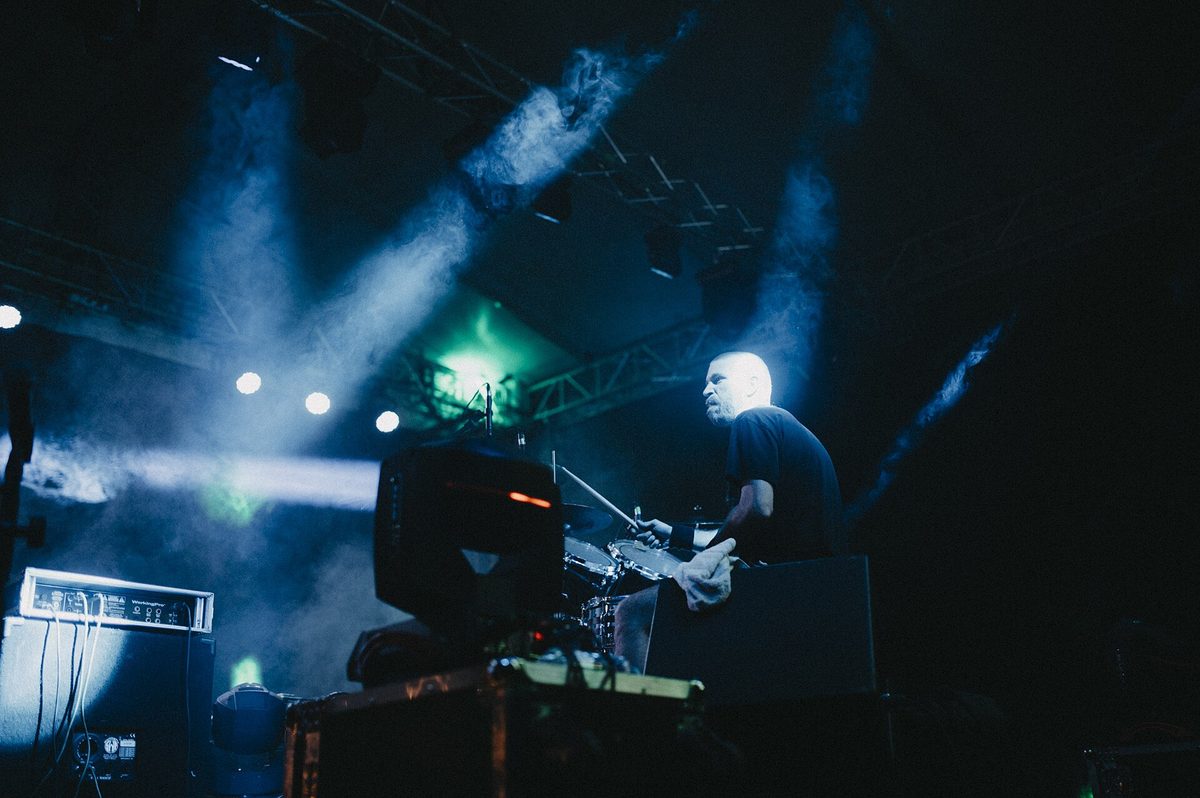
How the K-pop idol system works, from trainee to comeback
Agencies run the system. They find talent, pay for training and housing, write or buy the songs, plan every release and handle promotion. In exchange they control the schedule and take a large share of the income, at least in the early years.
- Casting. Agencies hold open auditions in Korea and abroad and also scout teenagers directly.
- Training. Trainees take lessons in singing, dance, acting and languages, and face regular internal evaluations. Many never debut.
- Pre-debut buzz. The agency builds hype before launch with teaser photos, practice clips and sometimes a survival show (경연 프로그램, a reality competition that picks the final lineup).
- Debut. The first single, music video and run of TV music-show stages.
- Comebacks. New releases come out on a regular cycle, each with a fresh concept.
- Tours and overseas activity. Concerts, fan meetings and releases in other languages.
- Contract renewal. Fans talk about a “seven-year curse” because standard idol contracts tend to run about that long. Plenty of groups split, change agency or carry on with fewer members at that point.
What is a comeback in K-pop?
A comeback (컴백) just means a new release and its promotion, even if the group never went away. Each comeback usually brings a new “concept”, meaning a visual and musical theme such as cute, dark, retro or “girl crush” (a confident, bold style). Expect teaser photos and videos for days beforehand, a release at a set hour Korea time, then one or more weeks of TV stages.
What critics say about the system
The model has well-known downsides. Critics point to long contracts, tight control over trainees’ lives, heavy schedules and intense public scrutiny, and contract disputes between idols and agencies have gone to court more than once. Male idols also have to complete mandatory military service, which pauses group activity (our guide to Korean military service explains how that works). You’ll enjoy the music more if you know these tensions exist.
What makes K-pop music sound different
Play a K-pop title track next to a typical US chart single and you’ll notice it changes a lot more. One song can open on a trap beat, switch to a pop-rock chorus, drop into a rap verse and end with a bridge in a completely different tempo. That’s on purpose: with several members, every section is a chance for someone to stand out.
- Genre switching. Sudden switches between EDM, hip-hop, R&B and ballad sections inside a single song.
- The “killing part”. A short hook, line or dance move built to be clipped and shared.
- Line distribution. How the lines are split between members. Fans keep count and argue about it.
- Big, layered production. Agencies often commission songs through international writing camps, so plenty of K-pop hits have European or American co-writers alongside Korean producers.
Why do K-pop songs mix English and Korean?
English hooks are easy for anyone to sing along to, and they’ve been part of Korean pop since the 1990s. Most verses stay in Korean, though. Many groups also record full Japanese or English versions for those markets. You don’t need to understand the lyrics to enjoy the songs, but official lyric videos and fan translations make a big difference to what you get out of them.
Why K-pop performances look so different
In K-pop the choreography matters as much as the vocals. Groups of five, seven or nine members dance in tight sync, and formations change constantly so that whoever is singing ends up in front. Each song usually has a “point choreography” (포인트 안무), a signature move simple enough for fans to copy.
The main showcase is the weekly TV music show. The best known are KBS’s Music Bank, MBC’s Show! Music Core, SBS’s Inkigayo and Mnet’s M Countdown. Groups perform there for a few weeks after each comeback, in new outfits each time, and the shows hand out weekly trophies that fans fight hard to win.
Fancams and dance practice videos
Two video formats are special to K-pop. A fancam (직캠, jikcam) follows one member for a whole stage, so fans can watch their favorite. A dance practice video shows the group in a studio in casual clothes, filmed straight on, which shows off the choreography and makes it much easier to learn. If you want to try dancing yourself, our step-by-step guide on how to learn K-pop dance starts from exactly these mirrored practice videos.
How K-pop fandom works: lightsticks, fan chants and streaming
Fandom is part of how K-pop works, not something extra. Most groups give their fans an official name, such as BTS’s ARMY or BLACKPINK’s BLINK, and an official color. Fans run translation accounts, organize streaming sessions and buy birthday ads in subway stations for members.
- Lightsticks (응원봉). Each group sells its own design. At concerts they are often synced wirelessly so the whole arena changes color together.
- Fan chants (응원법). Agencies publish official chants, usually the members’ names shouted in a set order during the intro or instrumental breaks.
- Streaming and voting. Fans coordinate plays and music-show votes to push a song up the charts and win trophies.
- Fan platforms. HYBE’s Weverse and paid messaging apps like Bubble let idols post updates and messages straight to fans.
Why do K-pop fans buy the same album many times?
Physical K-pop albums usually come in several versions and include random photocards (small collectible cards of single members). Fans buy several copies to complete a set or to land their bias (최애, choeae, their favorite member). First-week album sales are watched closely in Korea, which gives fans another reason to buy.
Why K-pop went global: agencies, YouTube and social media
Several things came together at once. No single one explains it.
- Free distribution. Agencies put full music videos on YouTube at a time when many Western labels still kept them behind regional blocks. Fans anywhere could watch the day a song came out.
- Export planning. Agencies recruited members from Japan, China, Thailand and elsewhere (TWICE and BLACKPINK both have non-Korean members) and released music in other languages.
- A constant stream of content. Behind-the-scenes clips, livestreams and variety shows keep fans busy between releases.
- Fans doing the translating. Volunteer subtitles and translation accounts took down the language barrier long before agencies did it themselves.
- A wider Korean culture boom. K-dramas, films and food drew viewers who then found the music, and the other way round. Our list of the best Korean dramas of all time is a good companion if K-pop gets you curious about the rest.
K-pop has also spilled outside the real industry. Netflix’s animated film KPop Demon Hunters built its story around fictional idol groups, and according to Variety it has an arena tour based on its music planned. For many new fans it was the first way in, and the original groups were often the next stop.

K-pop words to know before you start
Fan spaces use a lot of shorthand. These are the terms you’ll run into in your first week. For more everyday vocabulary, see our list of Korean words in K-dramas, which shares a lot with K-pop slang.
| English | Korean | Romanization | When to use it |
|---|---|---|---|
| Idol | 아이돌 | aidol | An agency-trained singer and performer |
| Trainee | 연습생 | yeonseupsaeng | Someone training at an agency before debut |
| Youngest member | 막내 | maknae | The youngest person in a group |
| Comeback | 컴백 | keombaek | Any new release and its promotion period |
| Favorite member | 최애 | choeae | Your bias, the member you like most |
| Senior / junior | 선배 / 후배 | seonbae / hubae | Idols who debuted earlier or later than someone else |
| Fan-filmed focus video | 직캠 | jikcam | A fancam that follows one member for a whole stage |
| Lightstick | 응원봉 | eungwonbong | A group’s official concert light |
| Fan chant | 응원법 | eungwonbeop | Official cheers fans shout during a song |
| Grand prize | 대상 | daesang | The top award at year-end music ceremonies |
| You can do it! (polite cheer) | 화이팅 | hwaiting | Encouragement before a stage or exam |
How to start listening to K-pop from abroad
Skip the giant “top 100 K-pop” playlist. It throws twenty years and a dozen styles at you at once. Pick one group, go deep, then branch out.
- Pick one song you’ve already heard. A track from social media, a film soundtrack or a friend’s playlist is a good start.
- Watch the official music video on the agency’s YouTube channel or the group’s own channel.
- Watch the dance practice video to see the choreography clearly.
- Find one live music-show stage to hear how the group sounds live.
- Read a lyric translation. Official subtitles or a reputable fan translation.
- Work backward through the discography. Older title tracks show how the group’s concept has changed.
A worked example
Say “Dynamite” was your way in. It’s sung in English, so it’s easy to start with. Next, listen to an earlier BTS title track sung in Korean and watch its music-show stage.
Then compare the dance practice with the music video. In an hour you’ll have heard the group switch between languages, seen how the choreography is staged for cameras and noticed how differently a song sounds live and in the studio. You can repeat that loop with any group.
Where to listen and what to check
Spotify, Apple Music and YouTube Music all carry most K-pop catalogs worldwide. For a sense of what’s popular in Korea itself, look at the charts on Melon (a major Korean streaming service) or the Circle Chart, Korea’s official music chart. Release times, tour stops and fan club rules are set by each agency, so check the group’s official site or verified accounts rather than repost pages.
Common beginner mistakes
- Judging a group by one song. Concepts change a lot from one comeback to the next.
- Treating fan rumors as news. Stick to agency announcements and established media.
- Overspending early. Streaming is free or cheap, and albums and merch can wait until you know who you love.
FAQ
What does K-pop stand for?
K-pop stands for Korean pop. Abroad, the term mostly means idol pop made by South Korean entertainment agencies. Koreans also use the word gayo for Korean popular music in general.
Who was the first K-pop group?
Seo Taiji and Boys, who debuted in 1992, are usually credited with starting modern K-pop. H.O.T., launched by SM Entertainment in 1996, is generally called the first idol group made through the agency training system.
Why do K-pop groups have so many members?
Bigger lineups let agencies cover more skills (vocals, rap, dance) and more personalities for fans to connect with. Some groups also split into smaller “units” or sub-groups so members can promote in different styles or markets at the same time.
Is K-pop only sung in Korean?
No. Most title tracks mix Korean with English hooks, and many groups release songs fully in English or Japanese. Lyric translations are easy to find, so not speaking Korean won’t stop you from following along.
Do K-pop idols have to do military service?
South Korean men have to serve in the military, and male idols are no exception. Groups usually pause or carry on with fewer members while members serve, then come back together afterward.
Is KPop Demon Hunters real K-pop?
The idol groups in the film are fictional, but its songs are written and produced in the K-pop style and sound like real K-pop tracks. A lot of viewers use the soundtrack as a way into actual K-pop groups.
Where to go next once K-pop clicks
Once you have a favorite group, follow its official YouTube channel and verified social accounts. Comeback teasers, tour announcements and fan club openings show up there first. Watch one year-end awards show to see a whole generation of groups in a single night, and try learning one point choreography from a mirrored practice video. If the words start to stick, small phrases like hwaiting are an easy first step into Korean.
Related reading





Sources k-korea.blog · news.google.com
Prices, opening hours and availability change. Check the official page before you buy or travel.