13 min read
The best things to do in South Korea fit into 25 ideas across 4 cities: Seoul, Busan, Gyeongju and Jeju. Give Seoul at least 3 days for palaces, markets and nightlife. Then take the KTX (Korea’s high-speed train) south to Gyeongju and Busan, and fly to Jeju if you have more than a week.
This is the list a Seoul local would actually hand a friend. It mixes the big sights with what Koreans do on an ordinary Saturday, and it’s grouped so you can turn it straight into a route.
Key takeaways
- Seoul needs 3 days minimum. Gyeongju and Busan sit on the same KTX line, so they fit into one trip south.
- Palaces have long let you in free if you wear hanbok (한복, traditional Korean dress). Check the current rules on each palace’s official site before you rent one.
- Download Naver Map or KakaoMap before you land, because Google Maps gives only limited walking and driving directions in Korea.
- A jjimjilbang (bathhouse-sauna), a noraebang (karaoke room) and a convenience-store picnic by the Han River are how Koreans really spend a free evening.
25 things to do in South Korea at a glance
Use this table to pick. If you only have a week, choose about 12 ideas from two or three regions and leave the rest for a second trip.
| # | Idea | Where | Best for |
|---|---|---|---|
| 1 | Gyeongbokgung in hanbok | Seoul | History, photos |
| 2 | Changdeokgung Secret Garden tour | Seoul | Quiet palace gardens |
| 3 | Bukchon and Ikseon-dong hanok lanes | Seoul | Traditional houses, cafes |
| 4 | Gwangjang Market food stalls | Seoul | Street food |
| 5 | Han River picnic with chimaek | Seoul | Local evenings |
| 6 | Namsan and N Seoul Tower at sunset | Seoul | City views |
| 7 | Hongdae or Seongsu-dong afternoon | Seoul | Youth culture, pop-up stores |
| 8 | Haeundae and Gwangalli beaches | Busan | Sea, night views |
| 9 | Gamcheon Culture Village | Busan | Hillside murals |
| 10 | Jagalchi Fish Market | Busan | Seafood |
| 11 | Haedong Yonggungsa seaside temple | Busan | Temples on the coast |
| 12 | Bulguksa and Seokguram | Gyeongju | UNESCO Buddhist sites |
| 13 | Royal tombs and Wolji Pond at night | Gyeongju | Silla history |
| 14 | Hallasan or Seongsan Ilchulbong | Jeju | Volcanic hiking |
| 15 | Olle trail, haenyeo and black pork | Jeju | Coast walks, food |
| 16 | K-pop music show or dance class | Seoul | K-pop fans |
| 17 | K-drama filming locations | Gangneung, Gapyeong, Seoul | Drama fans |
| 18 | Olive Young beauty run | Nationwide | Skincare shopping |
| 19 | Bukhansan hike | Seoul’s edge | Easy-access mountains |
| 20 | Seoraksan and the east coast | Gangwon Province | Autumn colors |
| 21 | DMZ tour | North of Seoul | Modern history |
| 22 | Jjimjilbang night | Nationwide | Relaxing, cheap downtime |
| 23 | Temple stay | Temples nationwide | Calm, Buddhist culture |
| 24 | BBQ, soju, noraebang, PC bang | Every city | A real Korean night out |
| 25 | A seasonal festival | Varies by season | Timing your trip |
Things to do in Seoul: palaces, hanok lanes and markets
Seoul is where most first trips start, and it rewards slow days more than packed ones. Pick one area per morning and one per evening, and let the subway do the rest.
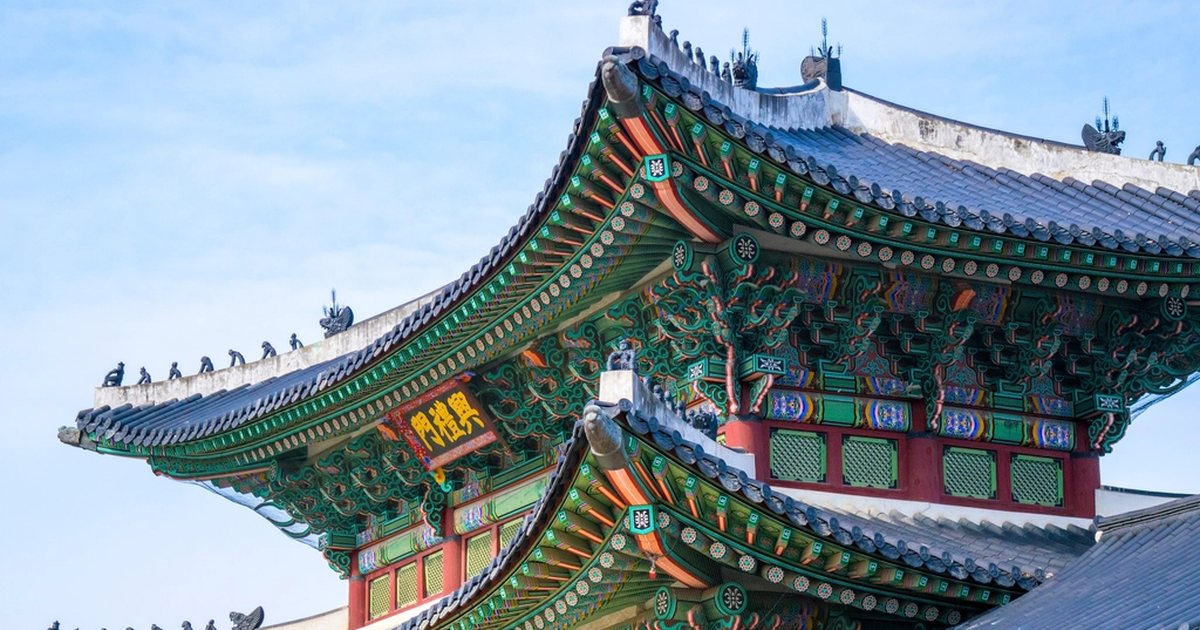
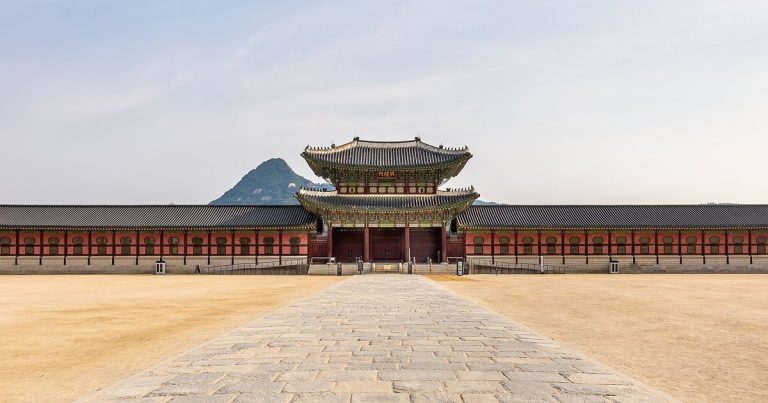
1. Walk Gyeongbokgung (경복궁) in hanbok
Gyeongbokgung was built in 1395 as the main palace of the Joseon dynasty (1392 to 1910), and it’s still the one to see if you only see one. Hanbok rental shops line the streets around the gates, and you’ll see Korean teenagers and couples in rented hanbok taking photos as much as tourists do. Don’t miss the guard-changing ceremony at Gwanghwamun gate; check the schedule on the official palace site.
- Area
- Jongno-gu, central Seoul
- Nearest station
- Gyeongbokgung Station, Line 3
- Time needed
- 2 to 3 hours
- Before you go
- check opening days and fees on the official page
2. Book the Secret Garden at Changdeokgung (창덕궁)
Changdeokgung, a UNESCO World Heritage Site since 1997, is the palace many Seoul residents prefer because it feels less like a parade ground. Its rear garden, Huwon (the Secret Garden), can only be entered on a guided tour with limited places, so book through the official site as soon as your dates are fixed.
3. Wander Bukchon (북촌) and Ikseon-dong (익선동)
Bukchon Hanok Village is a hillside of hanok (traditional tiled-roof houses with underfloor heating) where people still live. The district has restricted visiting hours in parts of the area, so check before you go and keep your voice down. For coffee and lunch inside hanok, Ikseon-dong’s narrow alleys are where Seoul office workers actually go.
4. Eat your way through Gwangjang Market (광장시장)
Sit on a bench at a stall counter and order bindaetteok (crispy mung bean pancake), mayak gimbap (small rice rolls with a mustard dip) and, if you’re adventurous, yukhoe (seasoned raw beef). Carry some cash for small stalls; our guide on how to pay in Korea as a foreigner covers cards, cash and T-money. Want something less touristy? Mangwon Market in western Seoul is where locals shop for dinner.
5. Picnic by the Han River (한강) like a local
On warm evenings, Seoul spreads out a mat at Yeouido or Banpo Hangang Park and orders chimaek (fried chicken with maekju, beer) delivered straight to the riverbank. Convenience stores by the parks have instant ramyeon machines that cook your noodles for you. It’s cheap and it’s the most Seoul thing you can do after dark.
6. Watch sunset from Namsan and N Seoul Tower
Walk up Namsan through the park or take the cable car, then watch the city lights come on across both banks of the river. Couples hang padlocks on the railings, a scene you’ll recognize from plenty of dramas.
7. Spend an afternoon in Hongdae (홍대) or Seongsu-dong (성수동)
Hongdae, around Hongik University, means street buskers, indie music bars and late-night crowds. Seongsu-dong turned old factories and warehouses into cafes and brand pop-up stores; young Koreans check Instagram each week for which pop-ups are open. For after-dark ideas, see our list of things to do in Seoul at night.
What to do in Busan, Gyeongju and Jeju
Leaving Seoul is what turns a city break into a Korea trip. The KTX reaches Busan in roughly two and a half hours, Gyeongju’s Singyeongju Station sits on the same line, and Jeju is a short domestic flight.
Busan (부산): beaches, fish markets and a seaside temple
8. Haeundae and Gwangalli beaches. Haeundae is the famous one; Gwangalli is where Busan people go at night to look at the lit-up Gwangan Bridge over drinks and grilled clams.
9. Gamcheon Culture Village (감천문화마을). Pastel houses stacked up a hillside, with murals and small galleries along the stairways. Go early; afternoons get crowded.
- Area
- Saha-gu, Busan
- Nearest station
- Toseong Station, Busan Line 1, then a local bus up the hill
- Time needed
- About 2 hours
- Before you go
- check opening days and fees on the official page
10. Jagalchi Fish Market (자갈치시장). Pick seafood downstairs and have it prepared at a restaurant upstairs, the way Busan families do. Then try two local dishes: dwaeji gukbap (pork and rice soup) and milmyeon (chewy wheat-noodle cold noodles that Busan is known for).
11. Haedong Yonggungsa (해동용궁사). Most Korean temples sit in the mountains. This one sits on rocks above the sea, which is exactly why it’s worth the trip to Busan’s eastern edge.
Gyeongju (경주): the open-air museum of the Silla kingdom
12. Bulguksa (불국사) and Seokguram (석굴암). Gyeongju was the capital of the Silla kingdom for about a thousand years, and these two Buddhist sites have been on the UNESCO list since 1995. Seokguram, a granite grotto with a seated Buddha, is a short ride up the mountain from Bulguksa.
- Area
- Eastern Gyeongju, North Gyeongsang Province
- Nearest station
- Singyeongju KTX Station, then a bus or taxi
- Time needed
- Half a day for both sites
- Before you go
- check opening days and fees on the official page
13. Royal tombs, Cheomseongdae and Wolji Pond at night. Daereungwon’s grassy burial mounds sit right in town, next to Cheomseongdae, an ancient stone observatory. After dark, Donggung Palace and Wolji Pond are lit up and reflect in the water, and that’s the photo Koreans come for. Pick up a box of Gyeongju bread (red bean pastry) on Hwangnidan-gil, the cafe street nearby.
Jeju (제주): volcano island off the south coast
14. Hallasan (한라산) or Seongsan Ilchulbong (성산일출봉). Hallasan is the highest mountain in South Korea. The summit trails have required advance online reservation, so check the national park’s official site.
For a shorter climb, Seongsan Ilchulbong is a crater-topped tuff cone by the sea that Koreans hike before dawn to watch the sunrise. Both are part of Jeju’s UNESCO natural heritage, listed in 2007.
15. An Olle trail, the haenyeo and black pork. The Jeju Olle trails are marked walking routes around the coast; walk one section rather than chasing the whole loop. You may see haenyeo, Jeju’s women free divers, whose culture is on UNESCO’s intangible heritage list. Dinner is heuk dwaeji (Jeju black pork) grilled at the table.
Most visitors rent a car here; bring an International Driving Permit and check that Korea accepts yours.
K-pop and K-drama spots worth your time
Fans often over-plan this part. Agency buildings are offices, not attractions, so put your time into things you can actually join.
16. See a music show or take a K-pop dance class
Korea’s weekly music shows, such as Music Bank (KBS), Show! Music Core (MBC), Inkigayo (SBS) and M Countdown (Mnet), film with live audiences. Most seats go through official fan clubs, so check the broadcaster’s and agency’s notices well before your trip.
Easier wins: a tourist-friendly dance class in Hongdae or Gangnam, an album shop run in Myeongdong, and a strip from an insaeng nekeot (인생네컷) photo booth, the self-photo booths on every Korean shopping street. New to the genre? Start with what K-pop is and where it came from.
17. Visit K-drama filming locations
Three that Korean viewers still visit years later: the Jumunjin breakwater in Gangneung from Goblin, Nami Island from Winter Sonata, and the Bukchon lanes that appear in countless period and romance dramas. Nami Island pairs well with a day out from Seoul; Gangneung pairs with the east coast.
18. Do an Olive Young beauty run
Olive Young is Korea’s health-and-beauty chain, and it’s where Koreans actually buy sunscreen, sheet masks and toners. The larger Myeongdong and Gangnam stores stock the widest range. Ask about the tourist tax refund at the counter and bring your passport.
Korean nature: mountains, beaches and islands
About 70 percent of Korea is mountainous, and hiking is a national weekend habit. You’ll notice it the first Saturday morning you ride the subway, when the carriages fill with hikers in full outdoor gear.
19. Hike Bukhansan (북한산) without leaving Seoul
Bukhansan National Park starts on the city’s northern edge, reachable by subway and bus. The top section to Baegundae peak is steep granite with handrails. If that sounds like too much, Inwangsan is a shorter hike with a view over Gyeongbokgung. Do what Koreans do afterward: pajeon (green onion pancake) and makgeolli (milky rice wine) at the restaurants by the trailhead.
20. Seoraksan (설악산) and the east coast
Seoraksan near Sokcho is the classic autumn-foliage trip, with a cable car for non-hikers. Weekends at peak color are packed, so go on a weekday if you can. Add Gangneung for its beaches and coffee street, and the Jumunjin breakwater from idea 17.
21. Take a DMZ tour
The DMZ (Demilitarized Zone) is the 4-kilometer-wide buffer that has divided North and South Korea since the 1953 armistice. You visit on a licensed tour from Seoul with your passport, and typical stops have included observatories and infiltration tunnels. Tours can be suspended at short notice, so check with the operator the day before.
Unique Korean experiences: jjimjilbang, temple stay and noraebang
These are the ideas foreign visitors talk about most afterward, because they show how people actually live here.
22. Spend an evening at a jjimjilbang (찜질방)
A jjimjilbang is a large bathhouse and sauna complex, many of them open around the clock. The bathing areas are separated by gender and you go in nude, after showering first. The shared hot rooms are mixed, and you wear the T-shirt and shorts they hand you. Order sikhye (sweet rice drink) and baked eggs, and fold your towel into the yangmeori (sheep’s-head) shape Koreans know from TV.
23. Try a temple stay (템플스테이)
Buddhist temples around the country host visitors overnight through the Templestay program, with schedules that include a pre-dawn ceremony, a silent monastic meal called barugongyang, and often 108 bows. Book through the official Templestay site, which lists English-friendly temples. If an overnight feels like too much, many temples run shorter day programs.
24. Have a real Korean night out
Koreans move through a night in rounds: 1-cha (first round) at a samgyeopsal (grilled pork belly) restaurant with soju, 2-cha at a bar, then a noraebang (private karaoke room rented by the hour; coin noraebang charge per song). Gamers can add a PC bang, Korea’s 24-hour gaming cafe; our guide to the most popular games in Korea’s PC bangs explains what everyone’s playing. No tipping, anywhere.
Korean festivals by season: what each one brings
25. Time your trip around a seasonal festival
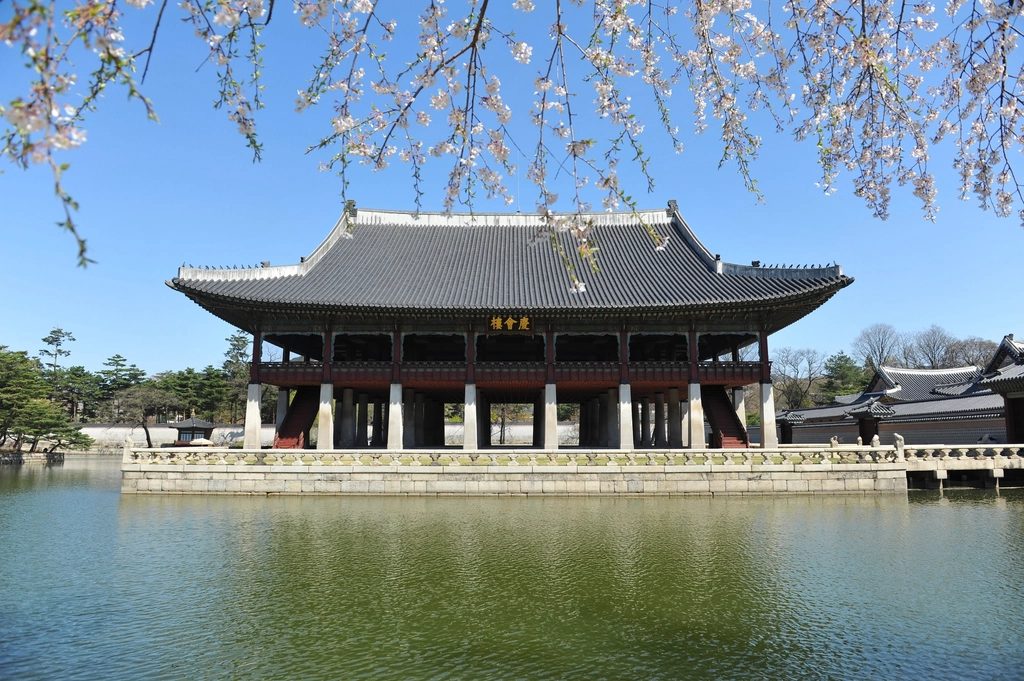
Korea has four sharp seasons, and Koreans plan their weekends around them. Festival dates move every year, so check each festival’s official site or the Korea Tourism Organization’s VisitKorea site for this year’s schedule.
| Season | What Koreans go for | Where |
|---|---|---|
| Spring | Cherry blossoms, flower festivals | Jinhae’s naval-port cherry festival, Yeouido in Seoul, Gyeongju’s Bomun Lake |
| Summer | Beaches, mud and water festivals (expect the jangma rainy season around early summer) | Busan, Gangneung, Boryeong Mud Festival on the west coast |
| Autumn | Foliage hikes, film festival | Seoraksan, Naejangsan, Busan International Film Festival |
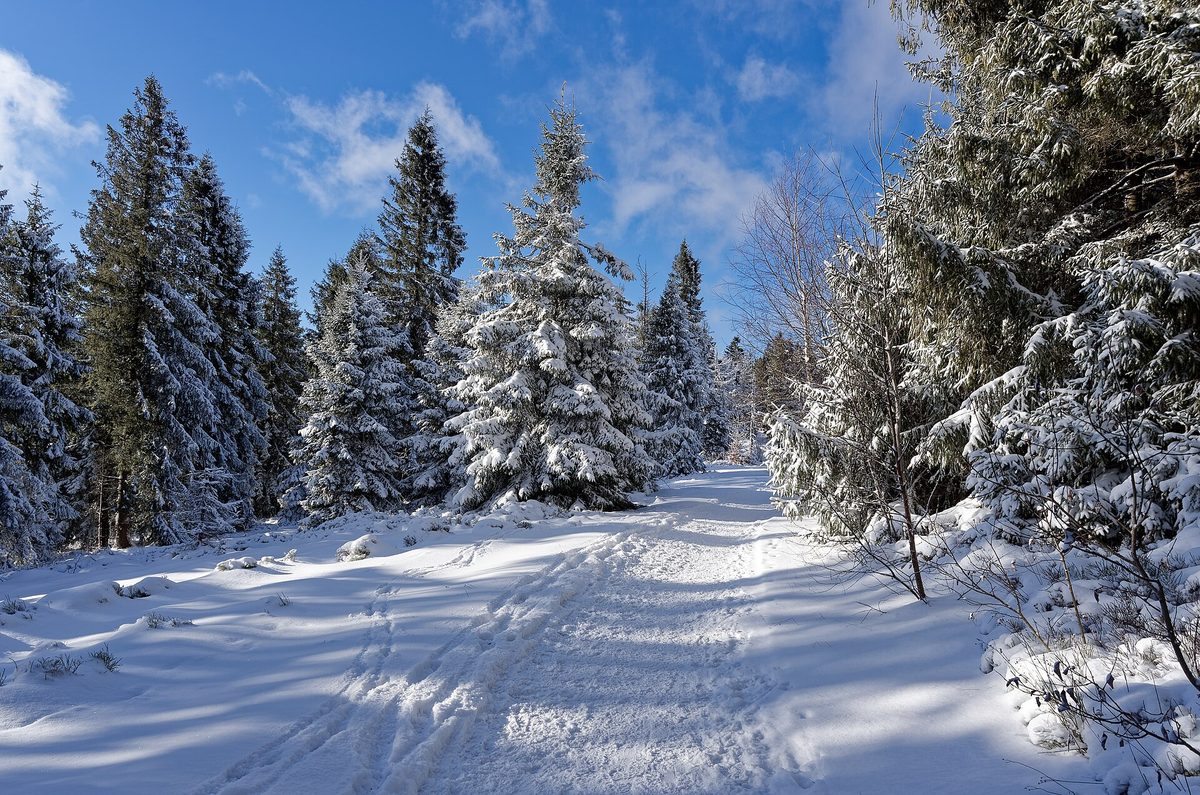
| Winter | Skiing, ice-fishing festivals | Pyeongchang (host of the 2018 Winter Olympics), Hwacheon in Gangwon Province |
Two dates matter more than any festival: Seollal (Lunar New Year) and Chuseok (the autumn harvest holiday). During both, trains sell out, many small shops close and highways jam. Palaces and big malls usually stay open, but book transport early.
How to group these into a 7- or 10-day Korea trip
The simple rule: one region at a time, and never more than one long train ride in a day. Here’s a 7-day route that covers 15 to 18 of the ideas above without rushing.
Day 1: Jongno, Seoul
Gyeongbokgung in hanbok, Bukchon, dinner in Ikseon-dong.
Day 2: Central and western Seoul
Changdeokgung Secret Garden in the morning, Gwangjang Market for lunch, Hongdae at night.
Day 3: Seoul’s mountains and river
Morning hike on Bukhansan or Inwangsan, Seongsu-dong in the afternoon, Han River picnic at sunset, jjimjilbang to finish.
Day 4: Gyeongju
Morning KTX to Singyeongju, then the royal tombs, Cheomseongdae and Wolji Pond after dark.
Day 5: Gyeongju to Busan
Bulguksa and Seokguram in the morning, then a short train or bus to Busan; evening at Gwangalli.
Day 6: Busan
Gamcheon Culture Village, Jagalchi Fish Market, Haedong Yonggungsa, Haeundae at night.
Day 7: Back to Seoul
KTX north, Olive Young shopping in Myeongdong, Namsan at sunset.
With 10 days, fly Busan to Jeju and give the island three days: one for Seongsan Ilchulbong and the east coast, one for Hallasan, one for an Olle trail and black pork. Then fly back to Seoul. With only 5 days, stay in Seoul and add a DMZ tour or a day out to Nami Island.
Common mistakes first-time visitors make in Korea
- Trying to see the whole country in a week. Seoul, Gyeongju and Busan is a full week. Jeju and the east coast need their own days.
- Turning up on a closed day. Each Seoul palace closes on one weekday, and it isn’t the same day for all of them. Check before you plan the morning.
- Relying on Google Maps. It handles subway routes, but walking and driving directions are limited. Use a Korean map app.
- Going to Jeju without a car plan. Buses exist, but the island is big and the best coast is spread out.
- Skipping the ordinary stuff. A convenience-store dinner by the river or a neighborhood market tells you more about Korea than a third palace.
FAQ
How many days do you need in South Korea?
Seven days covers Seoul, Gyeongju and Busan comfortably. Ten days lets you add Jeju or the east coast. Five days or fewer works best if you stay in Seoul and take one day trip.
What is the best time of year to visit South Korea?
Spring and autumn are the favorites, for cherry blossoms and foliage and mild weather. Summer is hot and humid with a rainy spell, which is good for beaches but not for hiking. Winter is cold and dry, ideal for skiing and cheaper hotels.
Is Seoul or Busan better for a first trip?
Start with Seoul. It has the palaces, the biggest food and shopping scenes and the easiest transport for newcomers. Add Busan for the sea and a slower pace once you’ve seen the capital.
Can you get around South Korea without speaking Korean?
Yes. Subway signs and announcements in Seoul and Busan are in English, and translation apps cover menus and taxis. Learning a polite hello and thank you goes a long way with shopkeepers.
Can you use Google Maps in South Korea?
Partly. It shows transit routes but gives limited walking and driving directions, so most visitors switch to Naver Map or KakaoMap, both of which have English menus.
What do Koreans do on weekends?
Hiking, cafe-hopping in areas like Seongsu-dong, picnics by the Han River, and dinner followed by a second round and karaoke. Copying a Korean weekend is one of the best things to do in South Korea, and it costs less than most tours.
What to book first for your Korea trip
Lock in the things with limited places before anything else: the Changdeokgung Secret Garden tour, a Hallasan summit reservation if you’re going to Jeju, a Templestay night and any music-show audience application. Next, reserve KTX seats on the official Korail site and check entry rules such as K-ETA (Korea’s electronic travel authorization) for your passport. Then pick your season, check festival dates on the official sites, and leave one free evening in every city for a market, a jjimjilbang or the riverbank.
Related reading
Sources k-korea.blog
Prices, opening hours and availability change. Check the official page before you buy or travel.