14 min read
The best day trips from Seoul come down to 8 places, and only 1 of them, the DMZ, truly needs a tour. Suwon, Incheon Chinatown, Nami Island, Chuncheon, Paju, Jeonju and Everland are all reachable on your own by subway, train or bus, most in roughly an hour from central Seoul.
Which one you pick depends on what you came to Korea for: Cold War history, a royal fortress, drama scenery, food, or roller coasters. Below is how each trip works, what Koreans actually do there, and what to sort out before you leave your hotel.
Key takeaways
- The DMZ is the one day trip where an organized tour is effectively required, and you must carry your passport on the day.
- Suwon Hwaseong (수원 화성) and Incheon Chinatown both sit on Seoul subway Line 1, so a T-money transit card is all the planning you need.
- Nami Island and Chuncheon are on the same rail line out of Seoul, which makes them the easiest pair to combine in one long day.
- Jeonju is the farthest pick, but KTX high-speed trains turn it into a realistic day trip if you book seats ahead for weekends.
Which day trips from Seoul are worth it?
Start with the question of effort. Some of these trips are a single subway ride; others mean a train booking or a tour pickup at 7 or 8 in the morning. The table sorts them so you can see the trade-off at a glance. Travel times are rough and depend on where in Seoul you start, so confirm your route in Naver Map or KakaoMap, the two map apps Koreans use instead of Google Maps.
| Day trip | Best for | How to get there | Tour needed? | Rough travel time |
|---|---|---|---|---|
| DMZ (비무장지대) | Korean War and North Korea history | Tour bus from central Seoul | Yes, for the tunnel, observatory and JSA | About 1 to 1.5 hours |
| Suwon Hwaseong (수원 화성) | UNESCO fortress walk, royal palace, galbi | Subway Line 1 or Suin-Bundang Line, or Korail train, to Suwon Station | No | About 1 hour |
| Nami Island and Gapyeong (남이섬, 가평) | Tree-lined paths, drama scenery, gardens | ITX-Cheongchun train or Gyeongchun Line to Gapyeong, then ferry | No, but shuttle tours are popular | About 1 to 1.5 hours |
| Chuncheon (춘천) | Dakgalbi, lakes, rail bikes, Legoland Korea | ITX-Cheongchun or Gyeongchun Line to Chuncheon or Namchuncheon | No | About 1 to 1.5 hours |
| Incheon Chinatown (인천 차이나타운) | Jajangmyeon, port history, murals | Subway Line 1 to Incheon Station | No | About 1 to 1.5 hours |
| Paju (파주) | Art villages, book city, border viewpoints | Intercity bus or Gyeongui-Jungang Line | No, except DMZ sites | About 1 hour |
| Jeonju (전주) | Hanok village, bibimbap, street food | KTX from Yongsan or Seoul area stations to Jeonju Station | No | About 2 hours by KTX |
| Everland (에버랜드) | Theme park rides, pandas, seasonal festivals | Shuttle bus, or Everland Line to Jeondae-Everland Station | No | About 1 to 1.5 hours |
If you only have one free day, a Korean friend would usually point you to Suwon for culture with zero stress, or the DMZ if you want the thing you can’t see anywhere else on earth. Food-first travelers should go to Jeonju.
DMZ tour from Seoul: the one day trip you should book
The DMZ, or Demilitarized Zone, is the roughly 4-kilometer-wide buffer strip that has separated North and South Korea since the 1953 armistice ended the fighting in the Korean War. Most of the zone and the land just south of it sits inside a civilian control area, which means you can’t simply drive or walk in. That is why almost every foreign visitor goes with a licensed tour operator. If you want the backstory first, read our explainer on why Korea is divided and how the 1945 line became the DMZ.
What a standard DMZ tour covers
The classic half-day or full-day route runs north from Seoul into Paju and usually includes Imjingak Park (임진각), a memorial park whose fences are covered in ribbons left by families divided by the war; the Third Infiltration Tunnel, a tunnel dug from the North that was discovered in 1978; Dora Observatory, where you can look across into North Korea; and Dorasan Station, the last stop on the line toward Pyongyang, built for trains that don’t yet run.
Can you visit the JSA and Panmunjom?
The Joint Security Area at Panmunjom (판문점), with its blue conference huts straddling the border, is the stop most people picture. It is also the one that is most often closed. Access has been suspended several times over the years with little warning, and tours that include it have stricter rules on dress, age and nationality. Treat it as a bonus, not the reason you book, and check the tour operator’s current notice before paying.
- Area
- Paju, Gyeonggi Province, along the border
- Nearest station
- Imjingang Station (Gyeongui-Jungang Line) for Imjingak only; the other sites need a tour
- Time needed
- Half day to full day
- Before you go
- check opening days and fees on the official page or with your tour operator, and carry your passport
Two things catch people out. You need your physical passport, not a photo of it, because soldiers check IDs at the checkpoints. Sites also close on certain weekdays and during military situations, so a tour can be rerouted on the morning itself. Pick an operator that tells you plainly what happens to your booking if a site shuts.
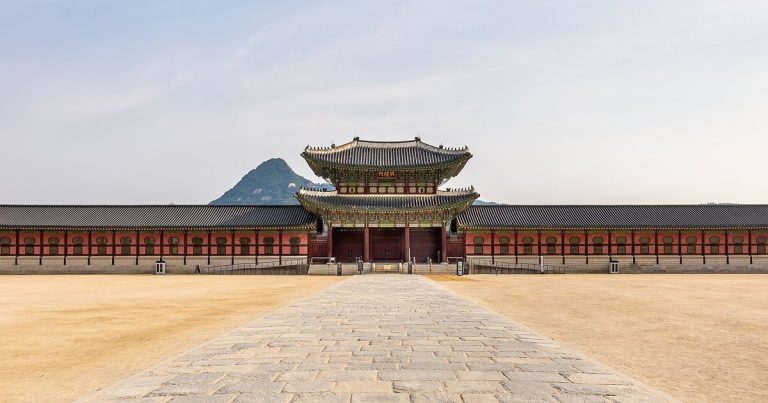
Suwon Hwaseong (수원 화성): the easiest culture day trip
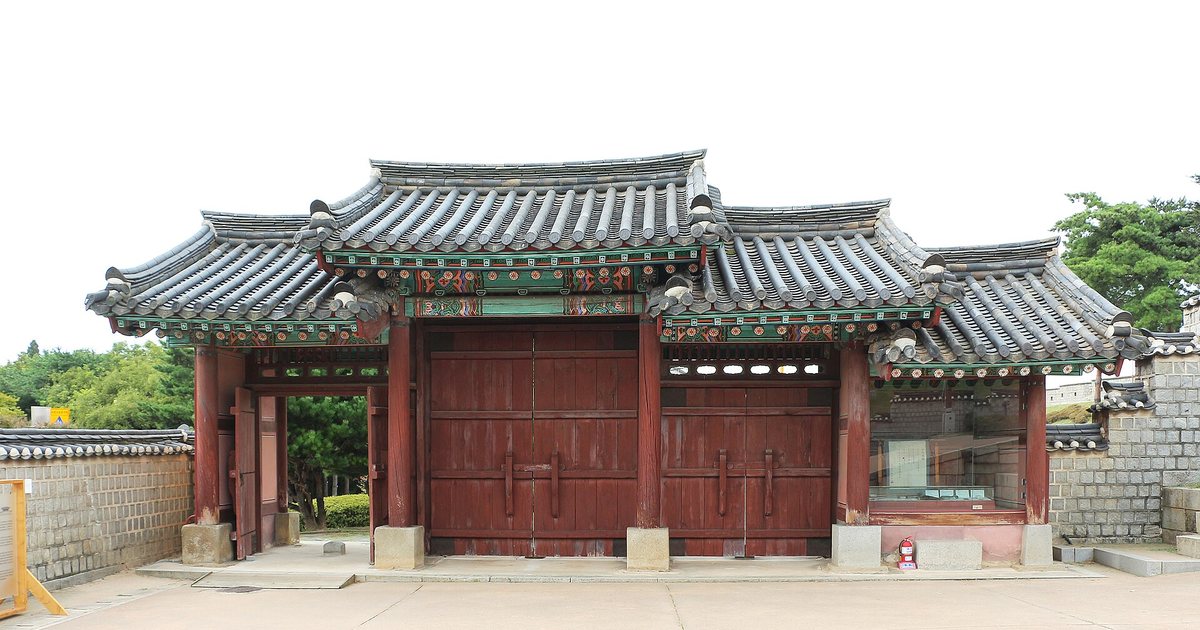
Hwaseong Fortress was built between 1794 and 1796 under King Jeongjo of the Joseon dynasty, partly to honor his father, Crown Prince Sado, whose tomb he moved to the area. UNESCO listed it as a World Heritage Site in 1997. The wall loops around the old city center of Suwon, with gates, watchtowers, firing posts and a stream gate called Hwahongmun (화홍문) that photographers love.
A common point of confusion: Hwaseong Fortress is in Suwon City, not in the separate city of Hwaseong next door. Type “Suwon Hwaseong” or 수원 화성 into your map app.
How Koreans do Suwon in a day
Most locals walk a section of the wall rather than the full loop. A popular route climbs from Paldalmun (팔달문), the south gate, up to the hilltop command post on Paldalsan for the view, then follows the wall north toward Janganmun (장안문) and Hwahongmun. Afterward, they visit Hwaseong Haenggung (화성행궁), the temporary palace the king used on his trips, and save the evening for food.
Food is half the reason Seoul people come here. Suwon galbi, thick marinated beef short ribs grilled at the table, is the city’s signature, and Suwon Tongdak Street near Paldalmun is an alley of fried chicken restaurants that fills up after dark. On clear evenings the walls are lit, which makes staying for dinner the right call.
- Area
- Paldal-gu, Suwon, Gyeonggi Province
- Nearest station
- Suwon Station, then a local bus or taxi toward Paldalmun or Haenggung
- Time needed
- 4 to 6 hours, more if you stay for dinner
- Before you go
- check opening days and fees on the official page
Nami Island, Gapyeong and Chuncheon: one rail line, three trips
East of Seoul, the Gyeongchun rail corridor runs out to Gangwon Province through Gapyeong and on to Chuncheon. Two services share it: the ITX-Cheongchun express, which needs a reserved seat, and the slower Gyeongchun Line commuter train, which you ride with a T-money card. That one line gives you three day-trip options.
Nami Island (남이섬): what it is and how to get there
Nami Island is a small, half-moon-shaped island in the Bukhan River, known for rows of metasequoia and ginkgo trees. It became famous across Asia as a filming location for the 2002 KBS drama Winter Sonata. You reach it by ferry from Gapyeong Wharf, a short taxi or bus ride from Gapyeong Station, or by the zipline that runs across the water. Our full Nami Island day trip guide covers trains, the ferry and what to add on.
What else to do in Gapyeong
The Gapyeong area is where Seoul families go for a weekend. The Garden of Morning Calm (아침고요수목원) is a large private garden famous for its seasonal flowers and winter light festival. Petite France is a small French-themed village that also appears in Korean dramas. Rail bikes, pedal carts that ride along old train tracks at Gangchon Rail Park, are a favorite with couples and friend groups. Gapyeong taxis and the hop-on tourist bus link the spots, but distances are bigger than they look on the map, so choose two at most.
Chuncheon (춘천): the dakgalbi trip
Chuncheon is the capital of Gangwon Province and, for most Koreans, a synonym for dakgalbi (닭갈비): chunks of chicken stir-fried in a gochujang (red chili paste) sauce with cabbage, sweet potato and rice cakes on a huge iron pan at your table. Finish by asking the staff to fry rice in the leftover sauce. The city’s other dish is makguksu (막국수), chilled buckwheat noodles that work well in any season.
Beyond eating, Chuncheon has the Soyang River Skywalk with its glass floor, the Samaksan Lake Cable Car over the Uiam Lake area, and Legoland Korea, which opened in 2022 on Jungdo Island. Families from Seoul often pair Legoland with a dakgalbi dinner before the train home.
- Area
- Gapyeong County (Gyeonggi) and Chuncheon City (Gangwon)
- Nearest station
- Gapyeong Station for Nami Island; Chuncheon or Namchuncheon Station for the city
- Time needed
- Full day; Nami plus one Gapyeong sight, or Chuncheon on its own
- Before you go
- check opening days and fees on the official page; Nami Island has its own entry ticket
Incheon Chinatown (인천 차이나타운): jajangmyeon at the source
Korea’s oldest Chinatown grew up after Incheon’s port opened to foreign trade in 1883, when Chinese merchants and workers settled on the hill above the harbor. It is also where jajangmyeon (짜장면), the black bean noodle dish Koreans order on moving day and at almost every Chinese-Korean restaurant, is widely said to have started. The old Gonghwachun (공화춘) restaurant building now houses the Jajangmyeon Museum.
The day is compact and walkable. Exit Incheon Station, walk under the large ornamental gate, and you’re there.
Koreans come for jajangmyeon, jjamppong (spicy seafood noodle soup) and tangsuyuk (sweet and sour pork), plus street snacks like giant baked buns. Next door is Songwol-dong Fairy Tale Village, a residential neighborhood painted with storybook murals. Up the hill is Jayu Park (Freedom Park), often described as Korea’s first Western-style park, with views over the port. If you still have energy, Wolmido, a waterfront area with a small amusement park and seafood restaurants, is a short ride away.
- Area
- Jung-gu, Incheon
- Nearest station
- Incheon Station (Line 1 and Suin-Bundang Line)
- Time needed
- 3 to 5 hours
- Before you go
- check opening days and fees on the official page for the museum
Avoid the mistake of going to Incheon Airport’s area or Songdo by accident. Incheon is a big city, and Chinatown is at the old port end, at the final stop of Line 1.
Paju (파주): art villages and border views without a tour
Paju is the city between Seoul and the DMZ, and it gives you two very different days. One is the border day, built around Imjingak and the tour sites above. The other is a slow, creative day that Seoul couples and design students love.
Heyri Art Valley and Paju Book City
Heyri Art Valley (헤이리 예술마을) is a planned village of artists’ studios, small galleries, cafes and quirky museums set in low-rise contemporary buildings. Paju Book City (파주출판도시) is a district built for Korea’s publishing industry, and its best-known spot is the Forest of Wisdom (지혜의숲), a library space with floor-to-ceiling bookshelves that is a favorite for photos. Both reward wandering more than a checklist.
Paju also has Odusan Unification Observatory, where the Han and Imjin rivers meet and you can look toward North Korea without joining a tour, and large outlet malls that draw Seoul shoppers on weekends. Direct intercity buses run from the Hapjeong area in western Seoul; check the current route in Naver Map before you go.
Jeonju by KTX (전주): the food day trip
Jeonju, in North Jeolla Province, is the farthest trip here and the one Korean food lovers rave about. It is the home of Jeonju bibimbap (비빔밥), rice topped with seasoned vegetables, beef, an egg yolk and gochujang, and in 2012 it was named a UNESCO Creative City of Gastronomy. KTX, Korea’s high-speed train, gets you from the Seoul area to Jeonju Station in around two hours, which is what makes a day trip practical.
What to do in Jeonju Hanok Village
The heart of the trip is Jeonju Hanok Village (전주 한옥마을), a neighborhood of hundreds of traditional tiled-roof houses, many now cafes, guesthouses and craft shops. Inside it, Gyeonggijeon (경기전) is a shrine holding a portrait of King Taejo, founder of the Joseon dynasty. Across the street, Jeondong Cathedral is a red-brick church that stands out against the hanok rooftops. Walk up to Omokdae, a small hill pavilion, for the view over the roofs.
Many young Koreans rent a hanbok, the traditional Korean outfit, from shops in the village for photos. Food is the real plan, though: bibimbap at lunch, kongnamul gukbap (bean sprout soup with rice, a famous Jeonju hangover breakfast), and street snacks along the main lane. Jeonju is also known for its makgeolli (rice wine) houses, where a kettle of makgeolli arrives with a growing spread of side dishes.
- Area
- Wansan-gu, Jeonju, North Jeolla Province
- Nearest station
- Jeonju Station (KTX), then a bus or taxi to the Hanok Village
- Time needed
- Full day including train time
- Before you go
- check opening days and fees on the official page, and book KTX seats on the Korail website or app
The trap with Jeonju is the train home. Weekend and holiday evening KTX seats sell out, so buy your return when you buy your outbound ticket, and leave a buffer for the taxi from the Hanok Village to the station.
Everland (에버랜드): Korea’s biggest theme park day
Everland, in Yongin south of Seoul, is the country’s largest theme park and the one Koreans mean when they say they’re going to a theme park for the day. The headline ride is T Express, a towering wooden roller coaster. The park also has a safari zone, a panda habitat, and big seasonal events such as spring flower festivals and Halloween in autumn.
Getting there is simple. Shuttle buses run from several points in Seoul, or you can take the subway to Giheung and switch to the Everland Line (also called the Yongin EverLine), a light rail that ends near the park at Jeondae-Everland Station, where a free park shuttle usually connects. Koreans go on weekdays if they can, because weekend queues for the top rides are long. If you’re torn between Everland and Seoul’s indoor park, our Everland vs Lotte World comparison lays out which suits you.
- Area
- Cheoin-gu, Yongin, Gyeonggi Province
- Nearest station
- Jeondae-Everland Station (Everland Line)
- Time needed
- Full day
- Before you go
- check opening days, ride closures and ticket fees on the official page
How to get to day trips from Seoul without a tour
Seven of these eight trips work fine on public transport, and Korea’s network is one of the easiest in the world for visitors. Here is the toolkit Koreans use.
Cards, trains and buses
- T-money card: a rechargeable transit card sold at convenience stores and stations. It covers the subway, city buses and commuter lines out to Suwon, Incheon, Gapyeong and Chuncheon.
- Korail: the national railway runs KTX (high speed), ITX (express) and slower Mugunghwa trains. Book on the Let’s Korail website or the Korail Talk app. Foreign visitors can also buy the Korail Pass, a multi-day rail pass sold only to non-residents; check current terms on Korail’s official site.
- Intercity and express buses: depart from terminals such as Seoul Express Bus Terminal and Dong Seoul Terminal, and are a good backup when trains are full.
- Map apps: Naver Map and KakaoMap give accurate transit and walking directions in Korea, while Google Maps is limited here. Both have English modes.
When a tour is worth the money
Beyond the DMZ, tours make sense in two cases. The first is Gapyeong, where a shuttle tour that strings together Nami Island, the Garden of Morning Calm and Petite France saves you a lot of taxi math. The second is short winter days, when daylight runs out before you’d finish a multi-stop route on public transport. For Suwon, Incheon, Jeonju, Chuncheon and Everland, going independently is easy and lets you eat where locals eat.
Common mistakes on Seoul day trips
- Trying to stack two far-apart trips in one day, such as the DMZ in the morning and Suwon in the afternoon. They sit on opposite sides of Seoul.
- Forgetting your passport on DMZ day.
- Arriving in Jeonju without a return KTX ticket on a weekend.
- Searching place names only in English. Paste the Hangul names in this guide into your map app for accurate results.
FAQ
What is the best day trip from Seoul for first-time visitors?
For most first-timers, it’s the DMZ or Suwon Hwaseong. The DMZ shows you something you can’t see anywhere else, while Suwon gives you a UNESCO fortress, a royal palace and great food with no booking needed. If food is your priority, choose Jeonju.
Can you visit the DMZ without a tour?
You can visit Imjingak Park on your own by train, and Odusan Unification Observatory in Paju is also open to independent visitors. The Third Infiltration Tunnel, Dora Observatory and the JSA lie inside restricted military areas, so you need an organized tour or an official program. Carry your passport either way.
Is Jeonju too far for a day trip from Seoul?
No, as long as you take the KTX, which brings it to around two hours each way. Leave Seoul in the morning, spend the day in the Hanok Village, and book your return seat in advance. A slow bus or regular train makes the day much tighter.
Can you do Nami Island and Chuncheon on the same day?
Yes. Both sit on the same rail line east of Seoul, so Koreans often do Nami Island in the morning and ride on to Chuncheon for a dakgalbi dinner. Start early, because the ferry and the island itself take a few hours.
Do I need to book trains for day trips from Seoul in advance?
For subway trips to Suwon, Incheon and Gapyeong, no; you just tap your T-money card. For KTX and ITX trains to Jeonju, Gapyeong or Chuncheon, book ahead on weekends and holidays through Korail’s website or app.
Which day trip from Seoul is best with kids?
Everland is the obvious pick for a full day of rides and animals. Chuncheon works well too, with Legoland Korea, rail bikes nearby and dakgalbi that most kids enjoy if you ask for a milder sauce.
What to plan next for your Seoul day trips
Pick one anchor trip per free day and build around it: the DMZ if you’re curious about North Korea, Suwon or Jeonju if you want history and food, Gapyeong and Chuncheon if you want nature and drama scenery. Then check three things the day before: the official site for closures, Korail for seats, and Naver Map for your exact route from your hotel.
If you have more than a day to spare, Busan, Gyeongju and Jeju deserve overnight stays rather than rushed day trips. Our guide to the best places to visit in South Korea beyond Seoul is the next page to open.
Related reading
Sources k-korea.blog
Prices, opening hours and availability change. Check the official page before you buy or travel.