10 min read
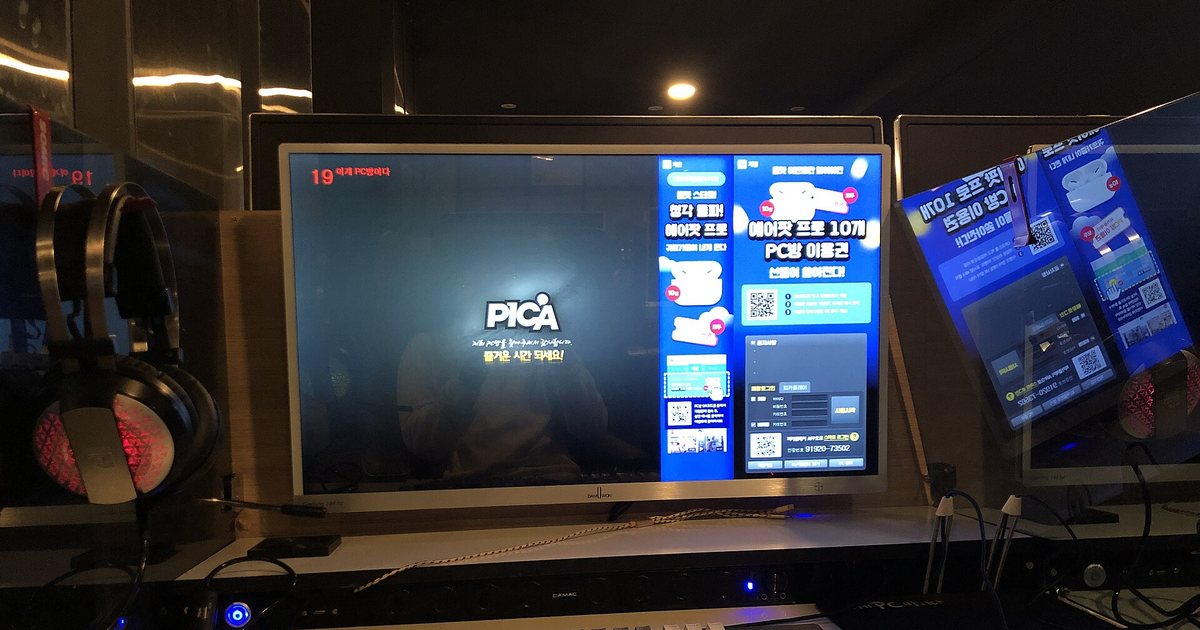
What is a PC bang in Korea: a gaming café, often open 24 hours, where you rent a fast PC by the hour. Bang (방) just means room, so a PC bang is a PC room, and Korea has them on almost every busy street, usually one floor up, marked by a glowing sign. You walk in, buy time at a kiosk or counter, sit at a high-spec machine with every big game already installed, and order noodles to your seat without getting up.
For a visitor, that makes it the cheapest way to see Korean gaming culture up close, check email on a real keyboard, or kill a rainy evening. It also explains a lot about why Korea became the country that turned video games into a spectator sport.
Key takeaways
- You pay for time, not per game: buy hours up front at a kiosk or the counter, and the games come free with the seat.
- No Korean phone number? Ask for a non-member card (bihoewon, 비회원) at the counter instead of fighting the kiosk sign-up.
- Food is ordered from your PC screen and carried to your desk, with ramyeon, fried rice and tteokbokki as the classics.
- Under-19s must leave by 10 p.m. under Korea’s youth protection rules, and smoking inside is banned.
What is a PC bang in Korea, exactly?
Think of a LAN café, then turn everything up. A typical PC bang is a large, dim room with dozens of identical stations: gaming chair, big monitor, mechanical-style keyboard, gaming mouse, headset. The machines are built for current online games, and the owner pays for game licences so you don’t have to own anything.
Most open around the clock. Some are small neighbourhood rooms with a single person at the counter; newer ones look like a gaming lounge, with couple seats, separate smoking-free zones by law, and a full snack kitchen. You’ll find them near universities, subway exits and nightlife districts, where demand runs late.
Who actually goes to a PC bang?
Mostly students and men in their twenties and thirties, but not only. Groups of friends book seats in a row to play as a team, office workers drop in after dinner, and travellers use them to print boarding passes or call home on a stable connection. Many Koreans own good PCs at home and still go, because playing next to your friends is the point.
How a PC bang works, from the door to your seat
The routine is the same almost everywhere, and it takes a couple of minutes once you know it.
- Find the entrance. Look for signs reading PC방 or PC CAFE. Many are on the second floor or in a basement.
- Go to the kiosk or counter. Newer rooms are mostly self-service kiosks; older ones have staff.
- Get an account or a card. Members log in with an ID tied to a Korean phone number. Visitors usually take a non-member card with a seat login code.
- Buy time. Choose how many hours you want and pay by cash or card. Rates are posted on the kiosk or the wall and vary by neighbourhood, time of day and seat type.
- Pick a seat. Some kiosks assign one; others show a seat map. Type your code on the PC’s login screen and the timer starts.
- Log off and check out. When you’re done, end your session on screen. Leftover time on a member account usually stays saved; on a non-member card it may not, so ask.
What if the kiosk is only in Korean?
Many kiosks have an English toggle, but not all. If you get stuck, say bihoewon (non-member) at the counter and hold up your fingers for hours. Our list of basic Korean phrases for travelers covers the polite basics that make this smoother.
How to pay at a PC bang as a foreigner
Payment is where most visitors hit friction, because the cleanest option (a member account) usually needs Korean phone verification. Here’s how the main routes compare.
| Option | What you need | Best for | Watch out for |
|---|---|---|---|
| Non-member card at the counter | Cash or card, sometimes ID | Most tourists, one-off visits | Unused time may not carry over |
| Self-service kiosk, non-member mode | Cash or a card the kiosk accepts | Late-night visits when staff are busy | Some kiosks reject foreign cards; carry cash |
| Member account | Korean phone number for verification | Long stays, students, residents | Sign-up is mostly in Korean |
| Food or extras added to your seat | Same login session | Ordering without leaving the desk | Food is often paid separately from time |
Rates differ a lot between a basic neighbourhood room and a premium lounge near Gangnam or Hongdae, so read the price board before you tap. If you’re paying with a transit card in other parts of town, note that PC bang kiosks don’t always take it the way convenience stores do; our guide to using a T-money card in Seoul explains where it works best.
How to order food at a PC bang
This is the part people remember. Food in a PC bang is not a vending machine afterthought. Most rooms run a small kitchen, and the menu sits inside the PC’s management software, usually a button or icon on the desktop or the login bar.
You browse the menu on screen, add items, pay (from your time balance, at the kiosk, or to staff on delivery, depending on the shop), and someone brings it to your desk. Drinks often come in cups with lids made for keyboards nearby.
What do Koreans actually order?
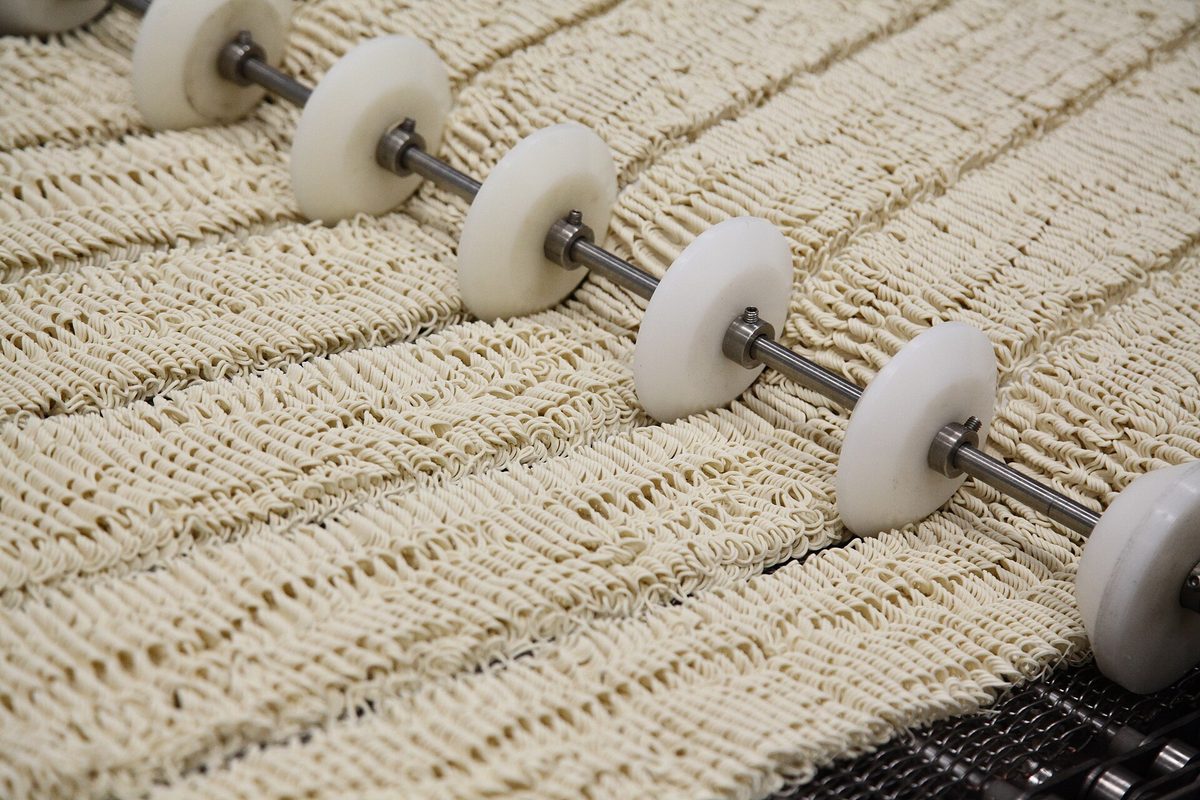
- Ramyeon: instant noodles cooked to order, often with egg or cheese added. It’s the default PC bang meal. If you want to know the brands behind it, see our rundown of the best Korean instant ramen.
- Fried rice: kimchi or other bokkeumbap, served in a bowl you can eat one-handed.
- Tteokbokki: chewy rice cakes in spicy gochujang (Korean chili paste) sauce.
- Snacks and drinks: fries, hot dogs, sweet iced drinks, energy drinks, coffee.
Order before a match starts, not during. Food arrives when it’s ready, and nobody wants to juggle a hot bowl mid-teamfight.
PC bang etiquette: the unwritten rules
PC bangs are relaxed, but shared rooms have a code. Break it and you’ll get looks, or a word from staff.
- Keep sound in your headset. Never play audio through speakers. Talking with your team is normal; shouting across the room isn’t.
- Don’t smoke inside. Korea banned smoking in PC bangs years ago. Larger rooms may have a sealed smoking booth; otherwise go outside.
- Clean up after yourself. Stack bowls and cups, or use the return shelf if there is one. Wiping crumbs off the keyboard is basic courtesy.
- Don’t hover behind strangers. Watching someone’s screen over their shoulder is rude, even if they’re playing well.
- Sit together by asking first. If you want seats in a row for your group, ask at the counter before you log in.
What games are installed in a Korean PC bang?
Almost everything that’s big online. You’ll typically see League of Legends, popular shooters, battle royale games, MMORPGs from Korean publishers like Nexon and NCSoft, plus the older classics, StarCraft among them. Launchers for Steam, Battle.net and others are preinstalled, so you log in with your own account and play your own library.
Some games give extra perks when played from a registered PC bang, such as more characters unlocked or bonus rewards. That arrangement between publishers and PC rooms is part of why Korean players stay loyal to them even with good PCs at home. What’s on offer changes by game and by season, so check the game’s own Korean notices if a specific perk matters to you.
Can I play with my account from home?
Usually yes, but region matters. Many online games split servers by region, and logging in from Korea onto your home server can mean higher ping. Some players create a Korean-server account for the trip, which may require verification steps that differ by game. Check the publisher’s official support page before you count on it.
Why PC bangs matter to Korean gaming and esports
The PC bang boom came in the late 1990s, when two things landed at once: fast broadband rolling out across Korean cities, and StarCraft, released in 1998, a game built for head-to-head online play. Rooms full of networked PCs became where young people met, competed and learned from each other.
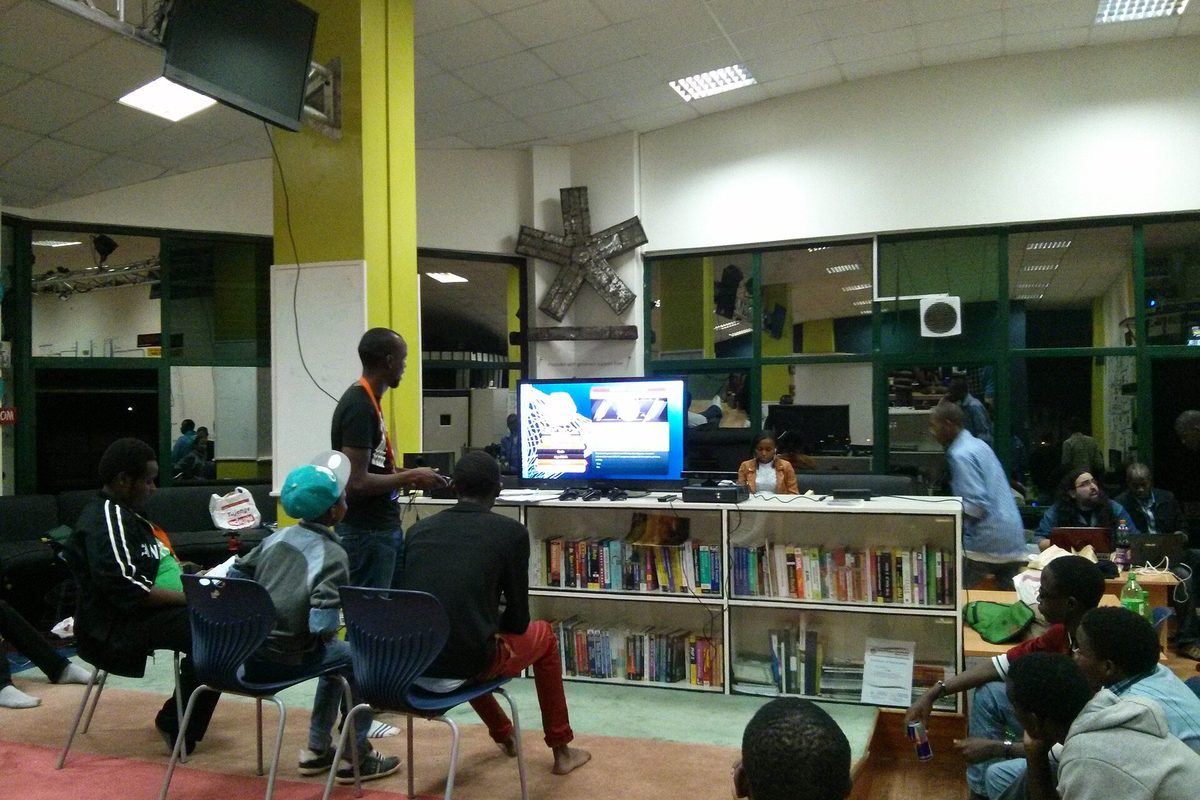
That density did something no single home PC could. Top players were visible, local rivalries formed, and television channels began broadcasting StarCraft matches as sport. Korea built some of the first professional gaming leagues and pro teams with salaries, and the model of esports as a broadcast event grew from there. League of Legends later inherited that culture, and Korean teams became fixtures at the top of international competition.
PC bangs also work as a social space in a country where many young people live in small rooms or with family. A PC bang is cheap, warm, open late and full of friends. For Koreans, it’s closer to what a pub or a basketball court is in other countries than to a cybercafé.
Common mistakes first-timers make at a PC bang
Buying too much time up front
If you’re on a non-member card, unused time can vanish when you leave. Buy one or two hours, then top up at the kiosk if you’re staying. It’s a little more effort and avoids paying for hours you never use.
Assuming a foreign card will work
Some kiosks take only Korean cards or cash. Carry some won notes, and if the kiosk refuses your card, go straight to the counter instead of retrying.
Forgetting the 10 p.m. rule for teens
Under Korea’s youth protection law, people under 19 (in Korean age-counting terms for this law, check the current definition with staff) can’t stay in a PC bang after 10 p.m. Staff can ask for ID. Families travelling with teenagers should plan PC bang time for the afternoon.
Leaving things on your seat
Korea is generally safe for belongings, but a PC bang at 3 a.m. is a big shared room. Take your phone, wallet and bag with you to the bathroom.
Treating it as a quiet workspace
You can work in a PC bang, and plenty of people do. Just expect keyboard clatter, voice chat and bright light. For focused work, a study café (a quiet, paid study room, another Korean institution) is the better fit.
FAQ
Are PC bangs open 24 hours in Korea?
Many are, especially near universities, subway stations and nightlife areas. Smaller neighbourhood rooms may close overnight. Check the sign at the door or the shop’s map listing on Naver Map or Kakao Map, which usually shows hours.
Can foreigners use a PC bang without a Korean phone number?
Yes. Ask for a non-member card at the counter, or choose non-member mode at the kiosk if it offers one. You pay for time up front and get a login code for your seat. Member accounts usually need Korean phone verification.
How much does a PC bang cost?
It depends on the shop, the seat type and the time of day, and rates change, so we won’t quote a figure. The hourly price is posted on the kiosk or the wall. Premium lounges in busy districts generally charge more than small local rooms.
Can I bring my own food into a PC bang?
Most shops don’t allow outside food, since their kitchen is a big part of their income. Drinks in a sealed bottle are sometimes tolerated, but ask first. Ordering from the seat menu is the norm.
Is smoking allowed in Korean PC bangs?
No. Smoking inside PC bangs is banned in Korea. Some larger rooms have an enclosed smoking booth; otherwise smokers step outside.
Can I use a PC bang just to print or check email?
Yes, and travellers do it often. Many PC bangs have a printer, sometimes for a small fee paid at the counter. Log out of every account and close the browser when you’re done.
How to plan your first PC bang session
Start simple. Pick a PC bang near your hotel or a subway exit, go in the late afternoon when it’s less crowded, and buy one hour on a non-member card with cash in your pocket. Order a bowl of ramyeon from the screen, play something you already know, and watch how the room works around you.
If you’re hooked, plan a second visit with friends and ask for seats in a row, or time it with a big League of Legends match night, when the room’s energy shows you exactly why Korea takes esports seriously. Before you fly, set up two-factor authentication on your gaming accounts and check whether your favourite game has a Korean server you’d rather play on.
Related reading
Sources k-korea.blog
Prices, opening hours and availability change. Check the official page before you buy or travel.