9 min read
The best Korean instant ramen for most first-timers is Shin Ramyun, Nongshim’s 1986 classic. It has real heat without punishing you, it’s sold almost everywhere outside Korea, and it’s the bowl most Koreans measure every other pack against. Once you know where it sits on the spice scale, picking your next pack (milder Jin Ramen or the far hotter Buldak) gets easy.
Key takeaways
- Shin Ramyun (1986) is the benchmark: medium-hot beef broth, easy to find at Asian grocers and big supermarkets abroad.
- Buldak Bokkeummyeon (Samyang, 2012) is a soupless stir-fried noodle and far hotter than Shin, so start with half the sauce packet.
- Koreans upgrade almost every bowl with 1 egg, chopped green onion and a side of kimchi; a slice of processed cheese is the classic add-on for spicy packs.
- Formulas can differ by country, so read the ingredient and allergen label on the pack you actually buy.
The best Korean instant ramen, compared by spice level
First, a word Koreans use: ramyeon (라면) means instant noodles, usually fried and dried, sold in a pack with a powder or sauce sachet. It’s a different thing from fresh Japanese ramen in a restaurant. Korea’s first instant noodle, Samyang Ramen, appeared in 1963, and the country now eats instant noodles at one of the highest per-person rates in the world, according to World Instant Noodles Association data.
Here are 8 packs that cover nearly every style you’ll meet abroad, ordered roughly from mildest to hottest. Spice is relative and our ranking is editorial, not a lab measurement.
| Ramyeon | Maker | Style | Heat | Best for |
|---|---|---|---|---|
| Chapagetti | Nongshim | Soupless, black bean (jjajang) sauce | None | Kids, spice-averse eaters |
| Jin Ramen Mild | Ottogi | Beef-style soup | Low | A gentle first bowl |
| Samyang Ramen | Samyang | Ham-and-pork-style soup | Low to medium | A taste of the 1963 original |
| Ansungtangmyun | Nongshim | Soybean paste (doenjang) soup | Medium | Savory, less beefy broth |
| Neoguri (spicy) | Nongshim | Thick udon-style noodles, seafood soup | Medium | Chewy noodle fans |
| Paldo Bibim Men | Paldo | Cold noodles, sweet-sour gochujang sauce | Medium | Summer, or a side dish |
| Shin Ramyun | Nongshim | Spicy beef-and-mushroom soup | Medium-hot | The benchmark bowl |
| Buldak Bokkeummyeon | Samyang | Soupless stir-fried, chicken-flavored hot sauce | Very hot | Experienced chili eaters |
How to use the table: if you’ve never eaten Korean chili (gochugaru, the red pepper flakes behind most of these soups), start in the top half. If jalapeños feel tame to you, go straight to Shin.
Why Shin Ramyun is the bowl Koreans compare everything to
Shin Ramyun’s red-and-black pack carries the Hanja character for “spicy” (辛, read shin), and that’s the whole pitch. The broth is beef-based with dried mushroom and chili, the noodles are springy and medium-thick, and the heat builds slowly rather than hitting all at once. It’s the pack you’ll see in almost every Korean home and convenience store.
The reason it works for foreigners: it’s hot enough to feel Korean but balanced enough to eat every last drop. If the broth tastes thin, you probably used too much water, the single most common mistake.
Shin Ramyun vs Shin Ramyun Black
Shin Ramyun Black is Nongshim’s premium version, with an extra seasoning sachet that gives a richer, more bone-broth-style soup and a slightly softer edge to the heat. Pick the original for the classic punch, Black if you want something rounder. Prices vary a lot by store and country, so compare at your local grocer.
Is Jin Ramen better than Shin Ramyun?
Many Koreans actually prefer Ottogi’s Jin Ramen, and the argument never ends. Jin is a little sweeter and comes in Mild and Spicy. Jin Spicy sits close to Shin on heat; Jin Mild is the easiest red-soup ramyeon to start with.
How hot is Buldak, and how do you cook it?
Buldak Bokkeummyeon, “fire chicken stir-fried noodles”, launched in 2012 and became a global hit through online spice-challenge videos. It’s far hotter than Shin Ramyun, and because it’s soupless, the sauce coats every strand with nowhere for the heat to dilute.
Samyang now sells many variants abroad, including carbonara, cheese and an extra-hot version. The carbonara and cheese flavors are creamier and easier for most people, though still spicy. Check the pack, because variant line-ups differ by market.
How to cook Buldak noodles properly
- Boil the noodles in plenty of water for the time on the pack.
- Drain, but keep a few spoonfuls of cooking water in the pot.
- Add the sauce (start with half if you’re new) and stir-fry over medium heat for about 30 seconds until glossy.
- Sprinkle the seaweed-and-sesame flakes on top.
Draining everything is the classic error: the sauce turns pasty and harsher. That little splash of starchy water is what makes it cling.
Best mild Korean ramen if you can’t handle spice
You don’t need to suffer to eat well. Several of Korea’s most-loved packs are gentle.
- Chapagetti: noodles tossed in a savory black bean sauce, the instant version of jjajangmyeon (a Korean-Chinese noodle dish). No chili at all.
- Jin Ramen Mild: a red soup with very little burn.
- Samyang Ramen: the original, with a milder, meaty broth.
- Ansungtangmyun: the soybean paste base tastes earthy and comforting, with moderate heat.
What is Chapaguri from Parasite?
Chapaguri (jjapaguri) is Chapagetti and Neoguri cooked together, and it went global after Bong Joon-ho’s 2019 film Parasite, where English subtitles called it “ram-don”. Cook both noodle blocks together, drain most of the water, then mix both seasonings (many cooks use only part of the Neoguri powder so it doesn’t get too salty). The film version tops it with seared steak; at home, Koreans usually just eat it plain. If you’re new to Korean film, our guide to the best Korean movies for beginners starts there too.
How Koreans actually cook ramyeon, step by step
The pack instructions are good, and Koreans mostly follow them. The difference is in the small habits. Here’s a worked example with one pack of Shin Ramyun.
- Measure the water. Use what the pack says (roughly half a liter for one soup pack). Too much water is why foreign kitchens end up with weak broth.
- Boil, then add powder first. Many Koreans add the soup powder and vegetable flakes before the noodles, so the broth seasons evenly and boils hotter.
- Add the noodle block. Don’t break it unless your pot is small.
- Lift the noodles. Pull them up into the air with chopsticks a few times while they cook. Koreans swear the contact with air keeps them chewier (jjolgit, the word for that springy bite).
- Pull it early. Turn off the heat about 30 seconds before the pack time; the noodles keep cooking in the hot soup.
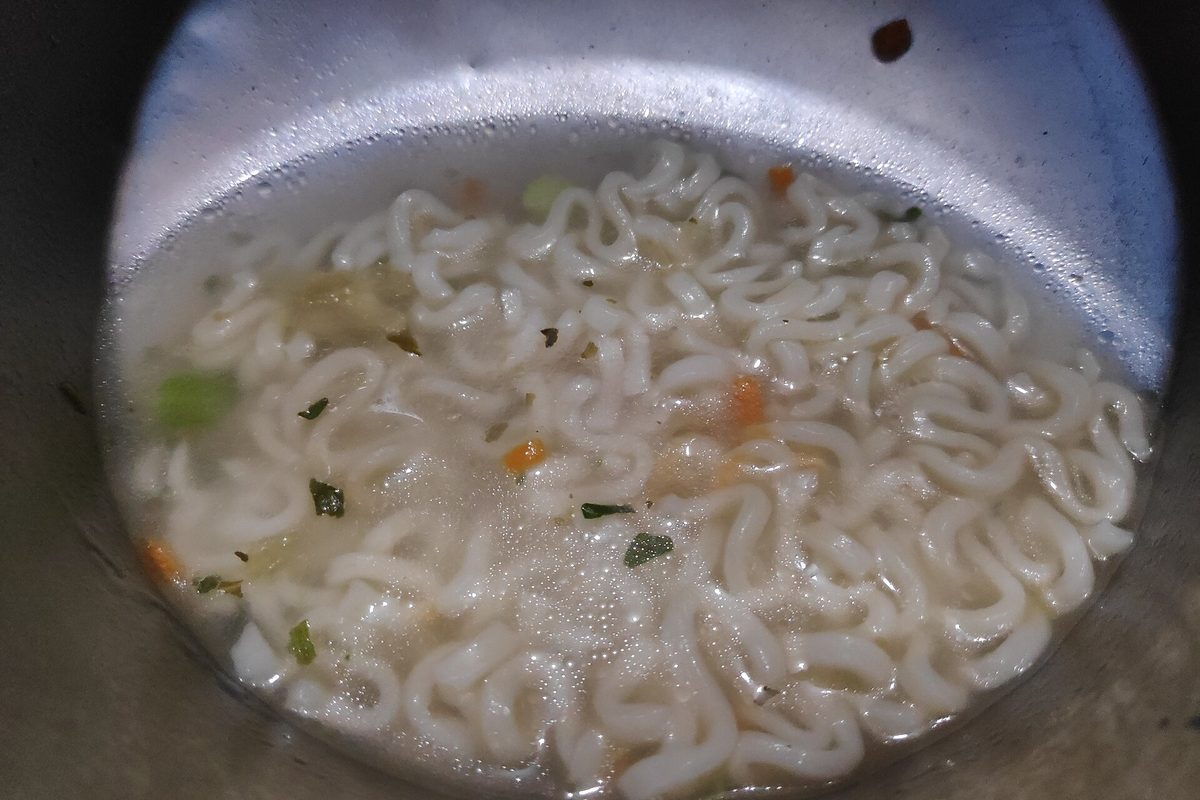
- Eat from the pot. The thin yellow aluminum pot is a Korean icon, and people often use the pot lid as a plate.
Then comes the part nobody skips: a scoop of leftover rice dropped into the remaining broth. It soaks up the soup and turns the last third of the bowl into a second meal.
How to upgrade Korean instant ramen like Koreans do
A bare pack is fine on a busy night. A few cheap additions make it a proper meal.
- Egg: crack it in for the last minute. Stir it for a cloudy, silky broth, or leave it whole for a soft-poached yolk. Both camps exist.
- Green onion: a handful of sliced scallion adds freshness against the chili.
- Cheese slice: one slice of processed cheese on top of Shin or Buldak melts into a creamy, milder sauce. It sounds odd and it works.
- Kimchi: as a side, or chopped into the pot for sour depth. Well-fermented kimchi is best here, the same reason it wins in kimchi fried rice.
- Rice cakes or dumplings: a few tteok (chewy rice cakes) or frozen mandu turn it into a hearty stew. Tteok plus ramyeon has its own name, rabokki, a cousin of tteokbokki.
- Spam and sausage: the base of budae jjigae, “army base stew”, which mixes ramyeon noodles, processed meats, kimchi and cheese in one shared pot.
Common upgrade mistakes
Piling in raw vegetables lowers the broth temperature and waters it down; add quick-cooking greens only at the end. Adding cheese to a non-spicy soup like Ansungtangmyun usually tastes muddy. Cheese is a heat-tamer, so save it for chili-heavy packs.
Is spicy Korean ramen safe to eat?
For most healthy adults, an occasional spicy bowl is ordinary food. Extreme spice challenges are a different matter. Capsaicin, the compound that makes chili hot, can cause stomach pain, nausea and heartburn in large amounts, and very hot products aren’t a good idea for young children. Denmark’s food agency pulled some extra-spicy Buldak flavors from sale in 2024 over capsaicin levels, a decision it later partly reversed, which tells you regulators do pay attention to the hottest packs.
How to eat Buldak without regret
- Start with half the sauce packet and add more next time.
- Keep milk, yogurt or a cheese slice nearby. Capsaicin dissolves in fat, so dairy calms the burn better than water.
- Eat it with rice or a plain side, never on an empty stomach.
- If you have a stomach condition such as reflux or ulcers, or you’re unsure, ask your doctor before making very spicy food a habit.
Where to buy Korean instant ramen outside Korea
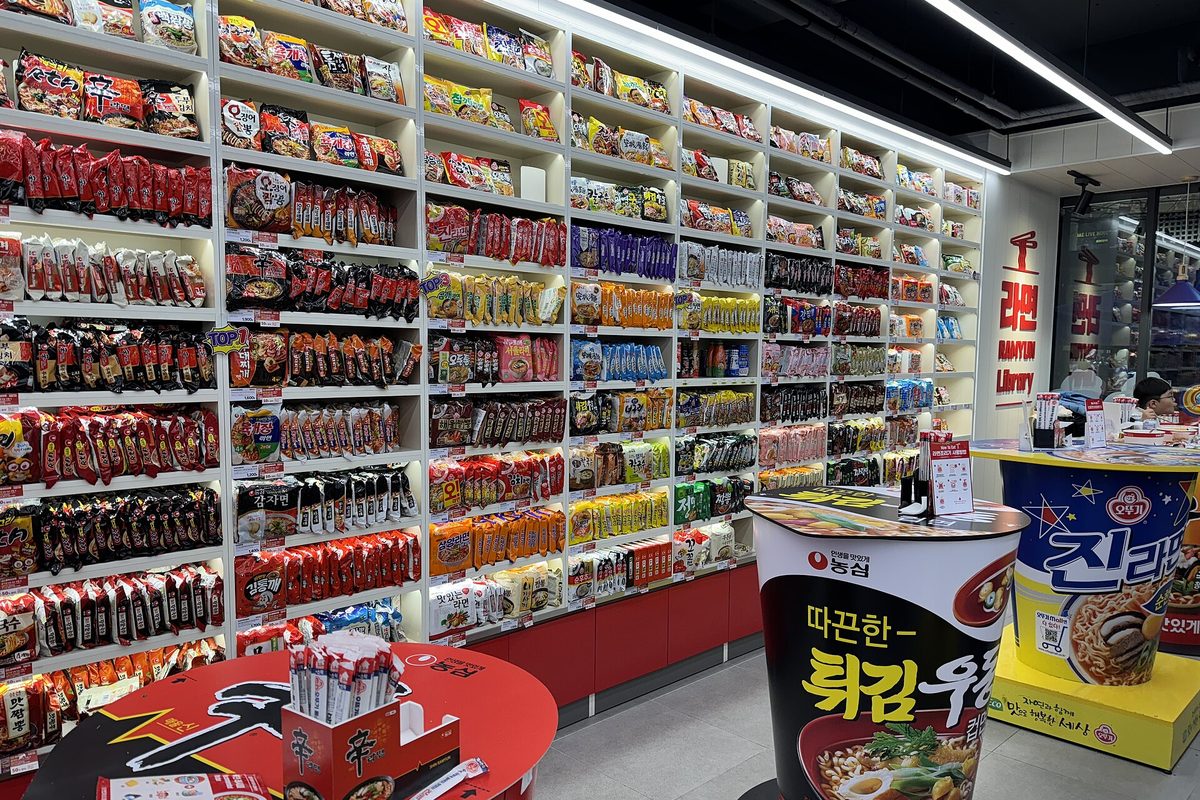
Korean grocery chains such as H Mart (in the US and Canada), plus most Asian supermarkets, carry the widest range, including mild packs and Korean-only flavors. Shin Ramyun and Buldak now show up in many mainstream supermarkets and big-box stores, and online marketplaces sell multipacks.
Two buying tips. First, look at where the pack was made: the same brand can be produced in different countries with slightly different recipes, and the taste can differ. Second, multipacks of 4 or 5 are usually better value than single cups, and cups use less noodle with a different cooking method (just add boiling water to the line). For current prices, check your local store or the retailer’s site, since they vary widely.
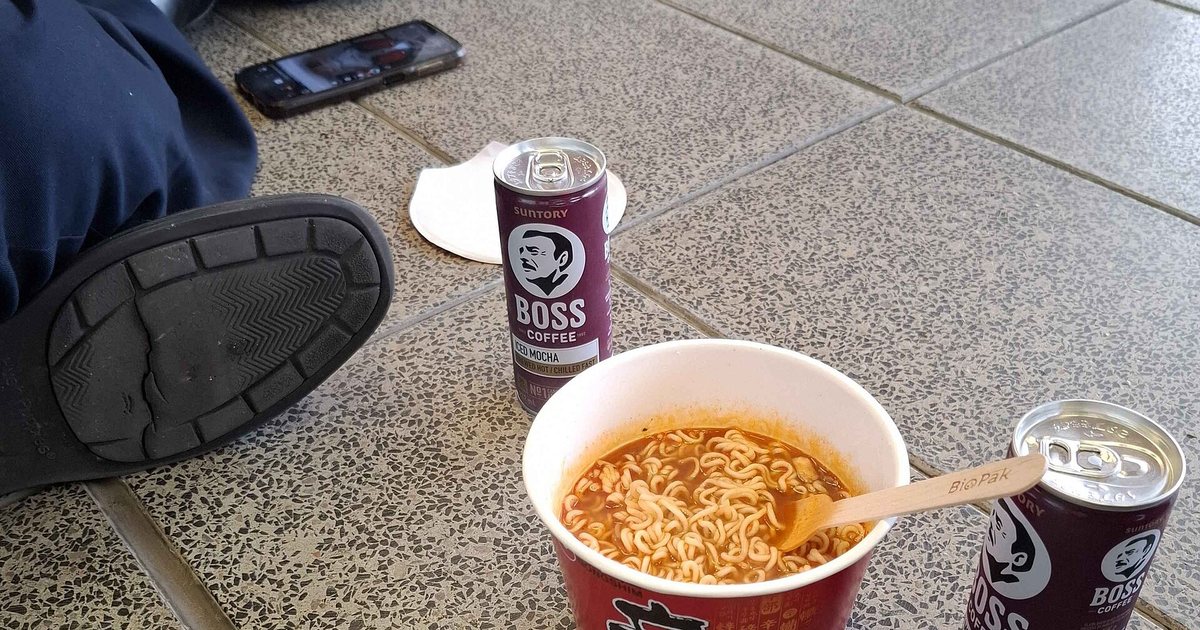
Visiting Seoul? Korean convenience stores have hot-water machines and seating, and some riverside stores near the Han River have ramyeon cooking machines. Our Korean convenience store food guide covers how that works.
FAQ
What is the most popular Korean instant ramen?
Shin Ramyun is the best-known Korean ramyeon worldwide and a staple in Korean homes. Buldak has become the most famous spicy pack internationally. Jin Ramen and Chapagetti are other household names in Korea.
Is Shin Ramyun or Buldak spicier?
Buldak is much spicier. Shin Ramyun sits around medium-hot for most people, while Buldak is a soupless noodle with a concentrated hot sauce. If Shin feels hot to you, try the Buldak carbonara or cheese version, or use half the sauce.
What is the difference between ramyeon and ramen?
Ramyeon is the Korean word for instant noodles, sold in packs or cups with seasoning sachets. Ramen usually refers to Japanese fresh noodle soup served in restaurants. Korean ramyeon tends to be spicier, with chili-based broths.
How long do you cook Korean instant noodles?
Most packs take around 4 to 5 minutes of boiling, but follow the time printed on your pack. Koreans often take the pot off the heat a little early because the noodles keep softening in the hot soup.
Can kids eat Korean ramen?
Mild packs like Chapagetti or Jin Ramen Mild are popular with Korean kids. Very spicy products such as Buldak aren’t suitable for young children. Using only part of the seasoning also cuts both heat and salt.
Is Korean instant ramen vegetarian?
Most standard packs contain meat or seafood flavorings, so they aren’t vegetarian. Some brands sell vegetarian or vegan versions, and labels differ by country, so check the ingredient list on the specific pack.
What to try next after your first pack
Work through it in order: Jin Mild or Chapagetti, then Shin Ramyun with an egg and green onion, then a Chapaguri night, then Buldak with half the sauce and a cheese slice. That path takes you from mild to very hot in four bowls, and you’ll know exactly where your limit sits.
When the packs start to feel routine, try making budae jjigae with friends, or move to a full Korean meal; our guide on how to eat Korean BBQ is a good next step. And keep an eye on your local Asian grocer’s new arrivals shelf, because Korean brands roll out limited flavors abroad often.
Related reading
Sources k-korea.blog
Prices, opening hours and availability change. Check the official page before you buy or travel.