11 min read
What is Chuseok in Korea: a 3-day harvest holiday held on the 15th day of the 8th lunar month, under the year’s fullest moon. Families travel to their hometowns, honor their ancestors, visit graves and eat half-moon rice cakes called songpyeon. If you’re visiting, expect sold-out trains, quieter Seoul streets and some shuttered shops.
The date moves every year because it follows the lunar calendar, so it usually lands somewhere between early September and early October. Plan around it and Chuseok can be one of the easiest times to see Seoul. Ignore it and you could spend a day stuck on an expressway.
Key takeaways
- Chuseok runs 3 days: the eve, the day itself (the 15th of the 8th lunar month) and the day after, all public holidays.
- When one of those days lands on a Sunday or another public holiday, South Korea adds a substitute day off, so the break can stretch longer.
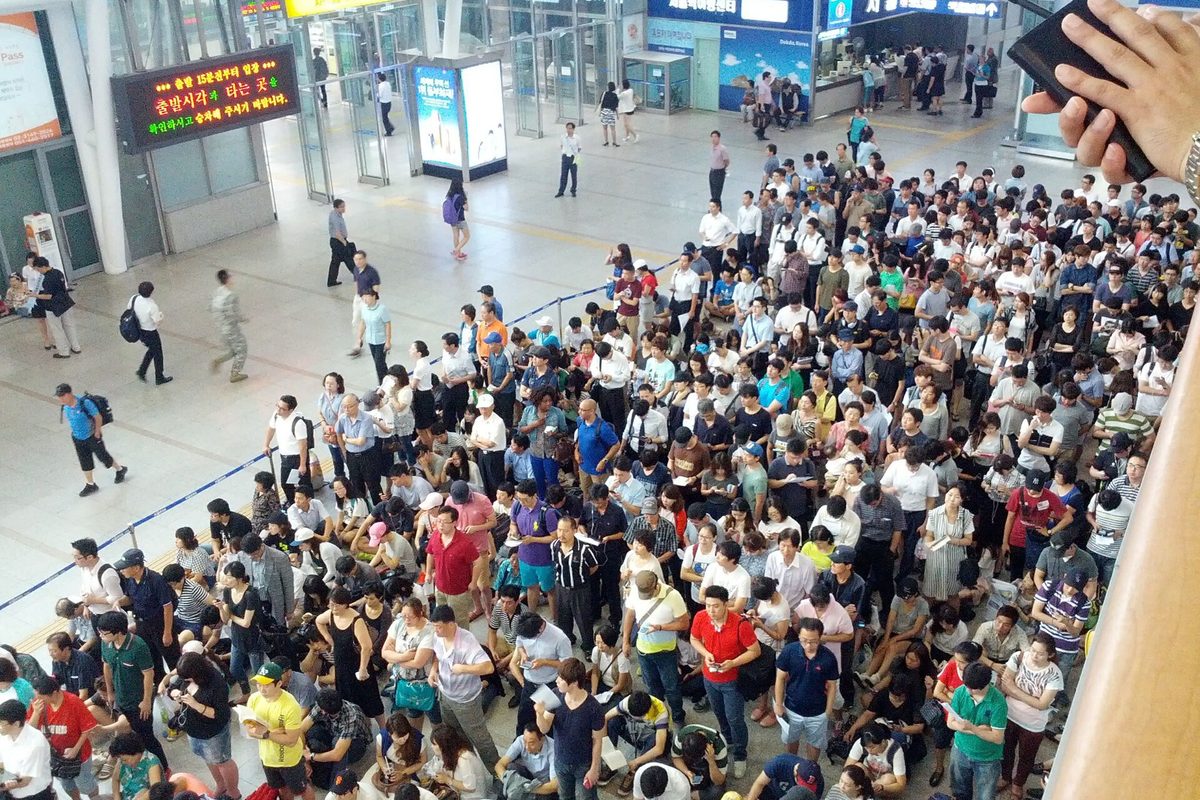
- Intercity train and bus seats go fast, and roads out of Seoul jam on the eve while roads back in jam on the last day.
- Convenience stores, big hotels and most major sights stay open, but many family-run restaurants and traditional market stalls close.
What is Chuseok in Korea, and when does it fall each year?
Chuseok (추석, literally “autumn eve”) is one of South Korea’s two biggest traditional holidays. The other is Seollal, the Lunar New Year. Its older native name is Hangawi, meaning roughly “the great middle” of the eighth month. People often call it Korean Thanksgiving, and that comparison works up to a point: it’s about the harvest, gratitude and a big family meal. The difference is that the ancestors are at the center of it.
It sits at the moment when rice and fruit have been harvested and the weather turns cool and dry. For centuries that meant a farming community had food to share and time to rest. Most Koreans now live in cities, but the holiday still pulls them back to where their families come from.
Why the Chuseok date changes every year
Korea runs on the Gregorian calendar for daily life, but traditional holidays still follow the lunar calendar. A lunar month starts with the new moon, so the 15th day is always the full moon. Lunar years are shorter than solar ones, and that’s why the Gregorian date drifts from year to year. Before you book anything, check the official public holiday calendar for the year you’re travelling. Korean phone calendars and the government’s holiday listings show the exact dates well in advance.
How substitute holidays stretch the break
South Korea has a substitute holiday rule for Chuseok. If one of the three days overlaps with a Sunday or another public holiday (National Foundation Day on October 3 is the usual one), the next working day becomes a day off. Some years, people also take annual leave around the holiday and turn it into a week. That’s when airports get as crowded as the highways.
How Korean families spend the 3 days of Chuseok
No two families do it exactly alike, and plenty of households have simplified things a lot. The classic pattern is still worth knowing, though, because it explains everything else you’ll see in Korea that week.
Day 1: the homecoming and the cooking
On the eve, families travel to the home of the eldest relative, traditionally on the father’s side. Koreans call this mass movement minjok dae-idong, the “great migration of the people.” Once everyone arrives, the kitchen takes over. Relatives fry trays of jeon (pan-fried fritters), prepare namul (seasoned vegetables) and pinch songpyeon together around the table.
Day 2: charye and the grave visit
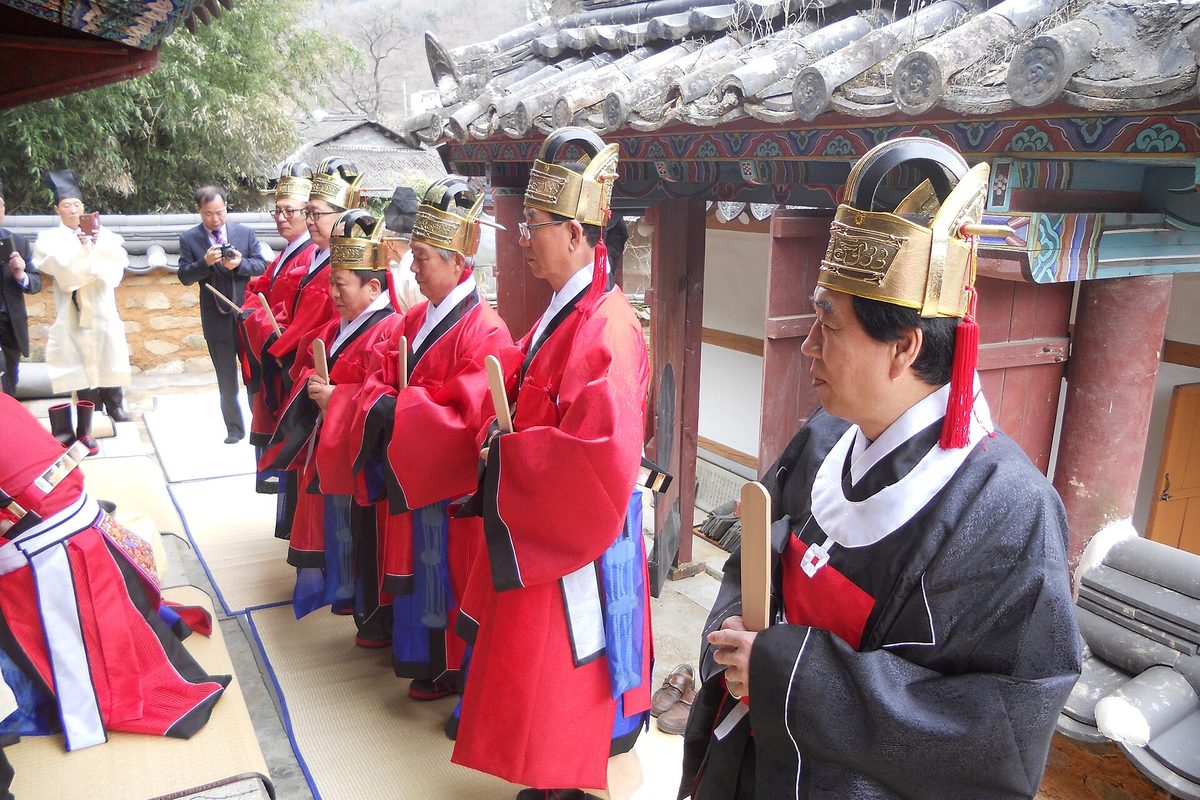
Chuseok morning starts with charye, an ancestral memorial rite. Food is laid out on a table in a set arrangement, and family members bow to honor their ancestors. Afterward the family shares that same food for breakfast. Many then go to seongmyo, a visit to the family graves. In the weeks before Chuseok, relatives often do beolcho, which means cutting the grass and tidying the burial mounds.
Day 3: rest, the in-laws and the drive home
The last day is for resting, visiting the other side of the family, or heading back early to beat traffic. Some families also play traditional games. Ganggangsullae, a moonlit circle dance women once performed at Hangawi, is on UNESCO’s list of intangible cultural heritage. Ssireum (Korean wrestling) tournaments are another Chuseok tradition, and they’re often broadcast on TV.
How Chuseok is changing
A growing number of families skip the full charye table, order prepared dishes or meet somewhere in the middle. Others use the long break for a trip abroad. Holiday stress is a familiar topic in Korean media: the long drives, the cooking load and the nosy questions from relatives. That’s part of the modern Chuseok too.
What Koreans eat at Chuseok: songpyeon and the holiday table
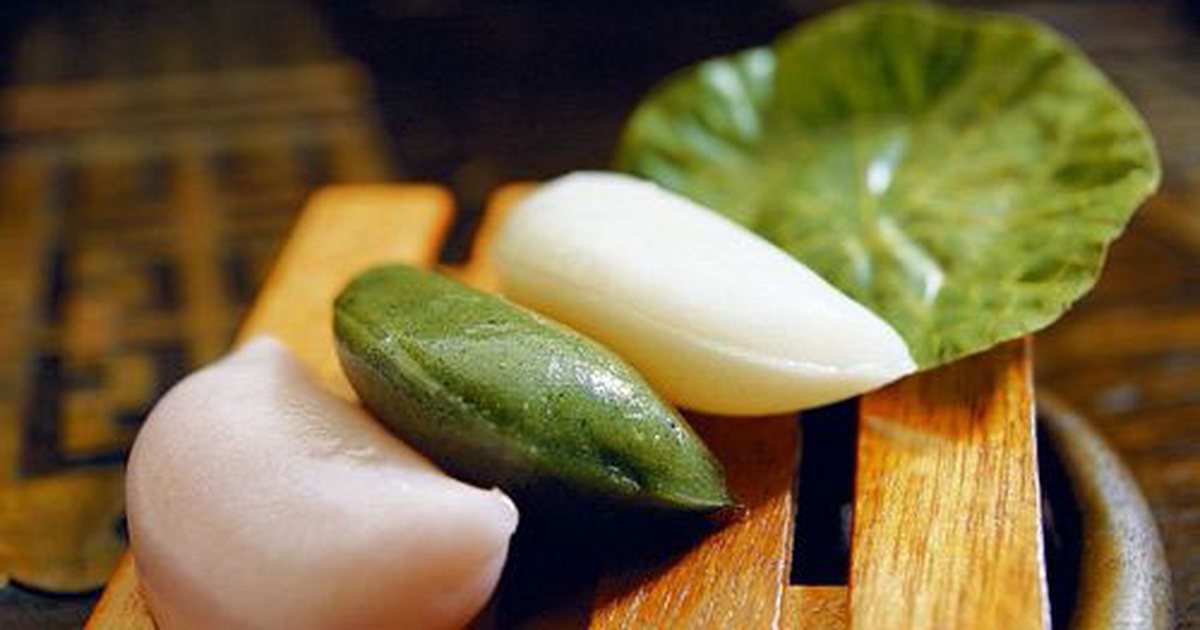
Songpyeon is the dish that says Chuseok. These are small half-moon rice cakes made from rice flour dough. They’re filled, then steamed on a bed of pine needles, which gives them a faint forest smell and leaves a pattern on the surface. Common fillings are sesame seeds mixed with honey or sugar, sweet beans, chestnut and red bean. The dough is often tinted with natural colors like mugwort for green.
One old saying goes that if you shape pretty songpyeon, you’ll have a pretty daughter or a good spouse. Grandmothers like to quote it while they inspect everyone’s work.
| Dish | What it is | Why it’s on the table |
|---|---|---|
| Songpyeon | Steamed half-moon rice cakes with sweet fillings | Made with the new harvest’s rice; the shape echoes the moon |
| Jeon | Pan-fried fritters of fish, zucchini, meat patties or mung beans in egg batter | Charye staple, cooked by the trayful on the eve |
| Japchae | Glass noodles stir-fried with vegetables and beef | Classic celebration dish that’s easy to make for a crowd |
| Galbijjim | Braised short ribs in a soy-based sauce | The centerpiece meat dish for many families |
| Namul | Seasoned blanched vegetables such as spinach and bracken | Usually served as a set of three colors |
| Toranguk | Taro soup in a clear broth | A seasonal autumn soup tied to the harvest |
| Fruit | Korean pears, apples, persimmons, jujubes, chestnuts | Fresh harvest fruit for the rite and for gifts |
Where to eat Chuseok food as a visitor
The easiest route is a rice cake shop (tteokjip) or a supermarket bakery section in the days before Chuseok, when songpyeon is everywhere. Traditional markets sell jeon by weight before the holiday. Department store food halls and big supermarkets carry ready-made holiday dishes too. Go on the eve or earlier, because many small sellers close on the day itself.
How to make or buy songpyeon outside Korea
If you live abroad, Korean grocery chains and Asian supermarkets often stock frozen songpyeon around Chuseok. Look in the frozen rice cake (tteok) section. Fresh songpyeon from a Korean bakery or rice cake shop in your city is better, and Korean community centers and churches sometimes hold songpyeon-making events in September.
A simple songpyeon method, step by step
- Mix short-grain rice flour (labeled for rice cakes, not glutinous flour) with a pinch of salt, and add hot water a little at a time until you have a soft, smooth dough.
- Make the filling: toasted sesame seeds ground coarsely and mixed with honey or sugar is the easiest.
- Pinch off a small ball of dough, press a well into it with your thumb, add a little filling and seal it into a half-moon.
- Steam the cakes on a cloth or on clean pine needles until the dough turns slightly glossy and cooked through.
- Rinse briefly in cold water, then toss lightly in sesame oil so they don’t stick.
The most common mistake is overfilling. The cake splits in the steamer and the honey leaks out. Keep the filling small and seal the edges firmly.
Chuseok vs Thanksgiving vs the Mid-Autumn Festival
Chuseok shares the same full moon as the Mid-Autumn Festival in China and other parts of East Asia, but the customs differ. This table shows where the Thanksgiving comparison holds and where it doesn’t.
| Chuseok (Korea) | Mid-Autumn Festival (China) | Thanksgiving (US) | |
|---|---|---|---|
| Date | 15th day, 8th lunar month | 15th day, 8th lunar month | Fourth Thursday of November |
| Signature food | Songpyeon (rice cakes) | Mooncakes | Roast turkey |
| Main ritual | Ancestral rite (charye) and grave visits | Moon viewing, lanterns, family dinner | Family dinner |
| Length off work | 3 days, plus any substitute day | Varies by country | Usually 1 day, often a long weekend |
| Travel impact | Nationwide hometown migration | Heavy family travel | One of the busiest US travel periods |
What is open and closed in Korea during Chuseok
Seoul doesn’t shut down, but it does change. Office districts empty out, and the subway feels almost calm. Restaurant streets fill up with people who stayed in town. Here’s what to expect.
| Type of place | Typical Chuseok status | What to do |
|---|---|---|
| Convenience stores | Open, most 24 hours | Your backup for meals, snacks and essentials |
| Hotels and their restaurants | Open | Book hotel dining early; locals use it for family meals |
| Chain cafes and fast food | Mostly open, some shorter hours | Safe options in tourist areas |
| Family-run restaurants | Many close for 1 to 3 days | Check the restaurant’s map listing or the sign on the door |
| Traditional markets | Very busy before Chuseok, many stalls shut on the day | Visit on the eve or earlier |
| Department stores and large marts | Often close on the day of Chuseok or nearby days | Check each store’s official holiday notice |
| Palaces and national museums | Usually open, often with holiday programs | Check official sites for hours and any free-entry days |
| Banks and government offices | Closed | Exchange money before, or use airport and ATM services |
| Hospitals and pharmacies | Limited; emergency rooms stay open | Pack any medication you need before the holiday |
How to get around Korea during Chuseok traffic
Traffic is the single biggest effect Chuseok has on a trip. Expressways out of Seoul back up on the eve and the morning of the holiday. The return rush peaks on the last day and into the night. A drive that’s normally a few hours can take far longer.
Booking KTX trains and express buses
Korail, the national rail operator that runs the high-speed KTX, opens a special holiday booking window weeks before Chuseok, and the popular routes sell out almost at once. Foreign visitors can try the English-language Korail site or app. Watch for the announcement of the holiday booking dates, and if you miss it, check back for cancellations. Express and intercity bus tickets also go fast on the main routes out of Seoul.
The smart move: travel against the flow
The trick Koreans use is simple. Go the opposite direction, or stay put. Leaving Seoul on the day of Chuseok itself, or flying into Seoul as everyone else leaves, is often much easier. Inside Seoul, the subway runs as usual, and the roads in the city center can be quieter than on a normal weekday. Domestic flights to Jeju and international flights get busy too, so book those early.
What to do in Seoul during Chuseok as a visitor
Holiday week is a good time to see traditional culture, because the big institutions put on programs for families who stayed in the city.
- Palaces: Gyeongbokgung, Changdeokgung and the other royal palaces often hold Chuseok events. Wearing hanbok gets you in free all year; see our hanbok rental guide for how that works and which palaces count.
- National Folk Museum of Korea: inside the Gyeongbokgung grounds, a natural place for holiday games and seasonal displays.
- Korean Folk Village: in Yongin, south of Seoul, known for its seasonal performances. Check its official site for the holiday program.
- Namsangol Hanok Village: central Seoul, often hosts hands-on traditional activities around the holidays.
- Moon viewing: the Chuseok full moon is the main event of the night. Riverside parks along the Han River and city lookouts like Namsan are easy places to see it.
Here’s how a smart plan might look. You arrive in Seoul on the eve, while trains out of the city are full. On Chuseok day you visit a palace and the folk museum, then eat at a hotel restaurant or a chain spot in a busy area. The day after, you walk a quiet central district. You leave for Busan or Gyeongju only after the return rush, once the roads clear and KTX seats open up.
Chuseok gifts and greetings that Koreans actually use
In the weeks before Chuseok, department stores, supermarkets and convenience stores fill with gift sets. You’ll see boxed premium fruit like Korean pears and apples, hanwoo (Korean beef), dried fish, ginseng products, cooking oil, canned ham and even toiletry sets with shampoo and toothpaste. They’re practical by design. People give them to relatives, teachers, business partners and the staff who look after their building.
If you have Korean friends or colleagues, a small fruit box or a nice snack set is a safe gesture. For a greeting, try “Chuseok jal bonaeseyo” (추석 잘 보내세요), meaning “Have a good Chuseok,” or the warmer “Pungseonghan Hangawi bonaeseyo”, “Have a bountiful Hangawi.” Our list of basic Korean phrases for travelers covers the polite forms you’ll need around shops and restaurants that week. An old saying sums up what the holiday means to people: deodo malgo deoldo malgo Hangawiman gatgeora, “no more, no less, may every day be like Hangawi.”
FAQ
Is Chuseok the same as Korean Thanksgiving?
It’s the closest equivalent, and that’s why the nickname stuck. Both celebrate the harvest with a family feast. Chuseok also centers on honoring ancestors through the charye rite and grave visits, and it follows the lunar calendar instead of a fixed date.
Is it a bad time to visit Korea during Chuseok?
Not if you plan for it. Intercity travel is hard and some small restaurants close, but Seoul is calmer than usual and cultural sites put on holiday programs. Book your trains and hotels early and keep a few backup food options.
Are shops open in Seoul during Chuseok?
Convenience stores, hotels, most chain cafes and many shops in tourist areas stay open. Family-run restaurants, market stalls and some department stores and marts close for part of the holiday. Check each place’s official notice or its map listing before you go.
What do you say to someone on Chuseok?
The standard greeting is “Chuseok jal bonaeseyo,” meaning “Have a good Chuseok.” A warmer option is “Pungseonghan Hangawi bonaeseyo,” wishing someone a bountiful holiday. Either one works for friends, colleagues and shopkeepers.
What does songpyeon taste like?
The outside is chewy and only lightly sweet, close to a soft mochi but denser. The sesame-honey filling is the sweetest and most popular, and the bean or chestnut fillings are milder. Pine needles add a faint resin smell when they’re steamed fresh.
Does North Korea celebrate Chuseok?
Yes, Chuseok is also observed in North Korea, where visiting ancestors’ graves is the main custom. The holiday comes from before the peninsula was divided, which is why both Koreas keep it.
What to plan next for Chuseok
Start with the date. Look up the official holiday calendar for your travel year, and check whether a substitute day off extends the break. Then work backward: watch for Korail’s holiday booking announcement if you need a KTX seat, book hotels early and decide whether you’ll travel with the crowd or against it.
Before the holiday, stock up on cash and any medicine you need, and save 1330 in your phone. Then eat your songpyeon fresh from a rice cake shop, not a day-old box. If you’re stuck in your room on Chuseok night with every restaurant shut, the Korean convenience store food guide will tell you what to grab. Finish the night outside, looking at the full moon.
Related reading
Sources k-korea.blog
Prices, opening hours and availability change. Check the official page before you buy or travel.