11 min read
Samsung history starts on March 1, 1938, when Lee Byung-chul opened a small trading store in Daegu. That shop, Samsung Sanghoe (삼성상회), sold dried fish, local produce and noodles. Over 80-plus years it grew into Korea’s largest business group and the world’s best-known memory chip maker.
The short version: a grocery trader became a sugar and textile maker after the Korean War, moved into TVs in 1969, made a huge bet on chips in 1983 and then became a global phone brand with the Galaxy line. The Lee family has run it for three generations.
Key takeaways
- Samsung (삼성) means “three stars”, and the first store sold dried fish and noodles in Daegu in 1938.
- Samsung Electronics was founded in 1969, and its first big products were black-and-white TVs, not chips.
- The 1983 decision to make memory chips, announced from Tokyo, is the bet that built today’s Samsung.
- Three Lees have led it: founder Lee Byung-chul, his son Lee Kun-hee and grandson Lee Jae-yong (Jay Y. Lee).
How did Samsung start? The 1938 store in Daegu
Lee Byung-chul (이병철) was born in 1910 into a landowning family in South Gyeongsang Province. He studied in Tokyo for a while, tried a rice mill business that failed, and in 1938 set up Samsung Sanghoe in Daegu, a market city in the southeast. Korea was then under Japanese colonial rule, and the store traded what the region had: dried fish from the coast, fruit and vegetables, and noodles it made itself under a star brand.
The name was chosen on purpose. Sam (삼, three) and seong (성, star) together suggest something big, numerous and lasting, and the “three” was meant to signal size and strength. That ambition sounds grand for a shop selling dried anchovies, but it explains a lot about what came next.
Why a trading company first?
Trading was the fastest way to build cash in a poor, colonial economy with no big factories owned by Koreans. Lee learned the habits that later defined Samsung: tight accounting, a habit of entering industries that Korea imported from abroad, and picking managers by test and performance. Daegu still marks the site of the original store, so if you’re in the city, check the local tourism office’s pages for how to visit.
Samsung history after the Korean War: sugar, wool and a group
After liberation in 1945, Lee moved the business to Seoul and set up Samsung Mulsan, a trading firm. The Korean War (1950-53) wiped out much of it. What he did next set the pattern for Samsung for decades: instead of importing goods, make them in Korea.
In 1953 he founded Cheil Jedang (제일제당) to refine sugar, and in 1954 Cheil Industries (제일모직) to make wool fabric. Both replaced imports in a country short of everything. Both made money fast, and that money paid for the next move. “Cheil” means “number one”, which tells you how Lee thought about rankings.
How Samsung became a chaebol
Through the 1950s and 1960s Samsung added insurance, department stores, newspapers and paper. This is how a chaebol (재벌, a family-run conglomerate spread across many industries) takes shape: one family, many companies, money moving between them. Korea’s military-led governments of the 1960s and 1970s pushed exports and handed licences and cheap loans to groups that delivered, which favored big players like Samsung, Hyundai and LG.
Two of the businesses from this era later left the group. Cheil Jedang became the core of today’s CJ Group, and the Shinsegae department store chain became its own group too. Both separated from Samsung in the 1990s and are run by other branches of the founder’s family.
When did Samsung start making electronics and chips?
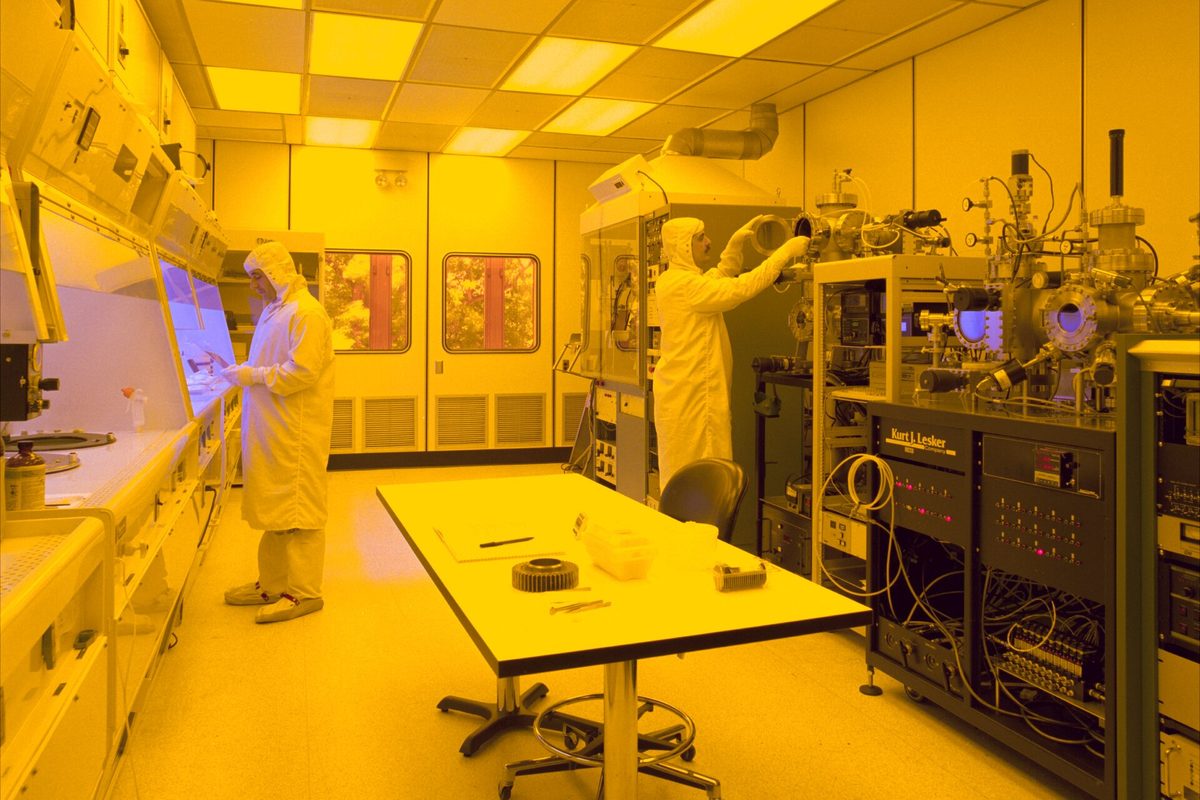
Samsung Electronics was founded in 1969, partly through a joint venture with Japan’s Sanyo. It started at the cheap end: black-and-white TVs in the early 1970s, then fridges, washing machines and microwaves. Japanese brands such as Sony and Panasonic were far ahead, and Samsung was mostly known for low prices.
The 1974 chip purchase
In 1974 Lee Kun-hee, the founder’s third son, bought into a struggling company called Korea Semiconductor. The story is famous in Korea because many inside Samsung thought it was a waste of money, and he went ahead anyway. For years the unit made simple chips and lost money.
The 1983 Tokyo Declaration
In February 1983, Lee Byung-chul announced from Tokyo that Samsung would go into memory chips at scale. This is known in Korea as the Tokyo Declaration (도쿄 선언). It was a huge gamble. The US and Japan led the industry, chip plants cost a fortune, and prices swung wildly.
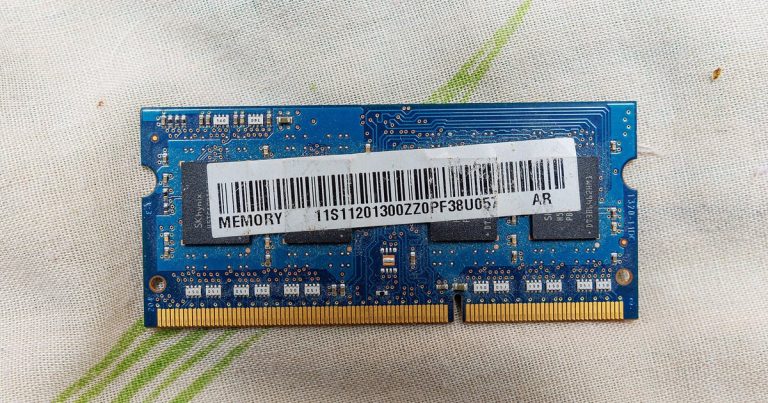
By the end of 1983 Samsung had developed a 64K DRAM (dynamic random-access memory, the working memory in computers), making Korea the third country to do it after the US and Japan. Samsung kept building plants through price crashes that pushed rivals out, and by 1992 it had become the world’s largest DRAM maker. That patient, spend-through-the-slump approach is still how Samsung runs its chip business.
Samsung history timeline: 12 turning points
If you only remember one table, make it this one. Every date below is long-established company history.
| Year | What happened | Why it mattered |
|---|---|---|
| 1938 | Lee Byung-chul opens Samsung Sanghoe in Daegu | The start of the group and the “three stars” name |
| 1953-54 | Cheil Jedang (sugar) and Cheil Industries (wool) founded | Making goods Korea used to import; the cash engine |
| 1969 | Samsung Electronics founded | Entry into TVs and home appliances |
| 1974 | Lee Kun-hee buys into Korea Semiconductor | The seed of the chip business |
| 1983 | Tokyo Declaration; first 64K DRAM | The all-in bet on memory chips |
| 1987 | Founder dies; Lee Kun-hee becomes chairman | Second generation takes over |
| 1992 | Samsung becomes the world’s top DRAM maker | From follower to leader in memory |
| 1993 | Frankfurt Declaration, “New Management” | Quality over volume; the modern Samsung culture |
| 1995 | Defective phones burned at the Gumi factory | The symbol of the quality push |
| 1997-2000 | Asian financial crisis; car unit sold to Renault | Samsung retreats to its strongest businesses |
| 2010 | First Galaxy S smartphone | Samsung becomes a global phone brand |
| 2022 | Lee Jae-yong becomes chairman | Third generation formally in charge |
What was Samsung’s 1993 “New Management” shake-up?
Lee Kun-hee (이건희) took over in late 1987 after his father died. By the early 1990s he was unhappy. Samsung was big but known for cheap goods, and he saw its products gathering dust at the back of US electronics stores.
In June 1993 he gathered executives in Frankfurt, Germany, and told them to “change everything except your wife and children.” This became the Frankfurt Declaration and the start of “New Management” (신경영). The message was blunt: stop chasing volume, chase quality, and think like a global company.
The 1995 phone bonfire
The best-known moment came in 1995. After complaints about faulty Anycall phones, Samsung gathered roughly 150,000 phones and other devices at its factory in Gumi and burned them in front of employees. Korean business books still retell it, because it showed that the chairman would destroy product rather than ship bad quality.
What changed after it
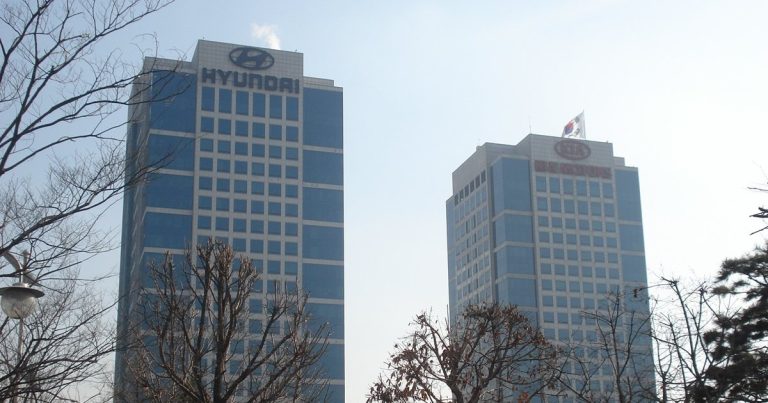
Samsung put more money into design, hired abroad, and began building a premium brand. The blue oval logo still in use today dates from this period, in 1993. The 1997 Asian financial crisis then forced hard choices: Samsung Motors, a car company Lee had backed, was sold to France’s Renault in 2000. If you want to see how Samsung’s crosstown rival Hyundai came out of the same crisis, read our piece on how Hyundai took over Kia in 1998.
How did Samsung become a phone giant?
Samsung made its first mobile phone in 1988, and the Anycall brand did well in Korea in the 1990s, partly because it was built for Korea’s mountainous terrain. Globally, though, Nokia and Motorola ruled. Samsung got big by making a wide range of phones at every price.
The turning point was the 2007 iPhone. Samsung answered with Android phones, and the first Galaxy S arrived in 2010. The Galaxy Note in 2011 made big screens popular at a time when many people called them too large. By 2012 Samsung had passed Nokia as the world’s biggest phone maker by shipments.
The Apple fight and the Note 7
Apple sued Samsung over design patents in 2011, and the two fought in courts around the world until they settled in 2018. At the same time, Apple was buying Samsung parts such as memory and displays. That mix of rival and supplier is very typical of Samsung.
The worst moment came in 2016, when Galaxy Note 7 batteries caught fire. Samsung recalled the phone and then stopped making it. It was a costly embarrassment, and the company introduced new battery safety checks afterwards. Foldable phones followed with the Galaxy Fold in 2019, and they’re now a regular part of the Galaxy line. For current models and prices, check Samsung’s official site for your country.
The Lee family: who has run Samsung
Samsung’s story is also a story of three chairmen. Here’s how they compare.
| Chairman | In charge | Known for |
|---|---|---|
| Lee Byung-chul (이병철) | 1938-1987 | Founding the group, sugar and textiles, the 1983 chip bet |
| Lee Kun-hee (이건희) | 1987-2020 | The 1993 quality push, global brand, chip and TV leadership |
| Lee Jae-yong (이재용, Jay Y. Lee) | Vice chairman from 2012, chairman from 2022 | Running Samsung in the smartphone and AI-chip era |
Lee Kun-hee had a heart attack in 2014 and was in hospital for years until his death in October 2020. His only son, Lee Jae-yong, ran the business in practice during that time. After his father’s death, the family gave a large art collection, now known as the Lee Kun-hee Collection, to Korea’s national museums.
The court cases, briefly
Lee Jae-yong was convicted in a bribery case tied to the political scandal around former President Park Geun-hye, spent time in prison and received a presidential pardon in 2022. In a separate case over the 2015 merger of Samsung C&T and Cheil Industries, the courts acquitted him. Both cases are public record, and both feed a long Korean debate about how much power chaebol families hold.
Other family members run other businesses. His sister Lee Boo-jin leads Hotel Shilla, the group’s hotel and duty-free company. The CJ and Shinsegae groups, both from the founder’s line, are separate companies today. Korean surnames confuse a lot of readers here, so our guide to how Korean names work helps.
What is Samsung today? The companies under one name
When people say “Samsung”, they usually mean Samsung Electronics. But the name covers dozens of affiliates with their own shares, boards and shareholders. The biggest are:
- Samsung Electronics: memory chips, foundry (making chips designed by other companies), Galaxy phones, TVs and home appliances.
- Samsung Display and Samsung SDI: phone and TV screens, and batteries for phones and electric cars.
- Samsung C&T: construction, trading, fashion and the Everland theme park; its builders worked on the Burj Khalifa in Dubai.
- Samsung Heavy Industries: shipbuilding, including tankers for liquefied natural gas.
- Samsung Life Insurance and Samsung Fire & Marine: finance and insurance.
- Samsung Biologics: contract manufacturing of biotech drugs, founded in 2011.
Samsung’s chip business now
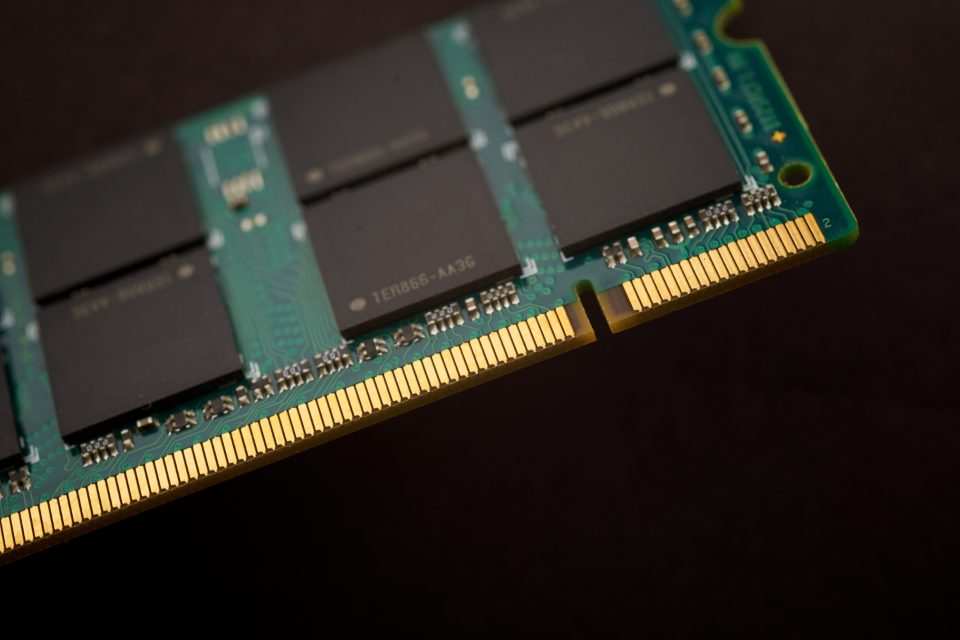
Memory is still the core. The newest fight is over HBM (high-bandwidth memory, stacked DRAM chips used in AI processors), where SK Hynix, Korea’s other big chipmaker, got ahead early. Digitimes has reported that Samsung is expanding its chip packaging capacity as the race goes on. In foundry, Samsung competes with Taiwan’s TSMC. Our SK Hynix stock explainer covers the rival’s side of the story.
Why Samsung matters to Korea, and to you abroad
Samsung Electronics is the largest company on the KOSPI (the Korea Composite Stock Price Index, Seoul’s main stock index), so its share price moves the whole market. Chips are among Korea’s biggest exports, which means a good or bad year for memory shows up in Korea’s trade figures and growth. Koreans often joke that the country is “Samsung Republic” (삼성공화국), and the phrase carries both pride and worry about how much rides on one group.
Daily life shows it too. Samsung runs hospitals, a theme park, insurance, apartments and a pro baseball team, the Samsung Lions. A job offer from Samsung is still one of the most prized in Korea, and its entry exam, the GSAT, draws huge numbers of graduates.
How to invest in Samsung from abroad
Samsung Electronics trades on the Korea Exchange in Seoul, as common shares (005930) and preferred shares (005935), which usually carry no voting rights. It isn’t listed on the New York Stock Exchange; global depositary receipts trade in London. Many foreign investors get exposure through Korea-focused funds or ETFs instead. Ask your broker which route it supports and what fees apply. This is not investment advice.
A worked example: tracing one Galaxy phone
Take a Galaxy phone sold in Europe. The memory chips inside likely come from Samsung’s own plants in Korea, the screen from Samsung Display and the battery possibly from Samsung SDI, while final assembly happens in Samsung factories abroad. One purchase touches three affiliates, and that is the vertical integration (making many of your own parts) that Samsung has built since the 1980s.
FAQ
Who founded Samsung and when?
Lee Byung-chul founded Samsung on March 1, 1938, as Samsung Sanghoe, a trading store in Daegu. It sold dried fish, local produce and noodles. Samsung Electronics came much later, in 1969.
What does the name Samsung mean?
Samsung (삼성, 三星) means “three stars” in Korean. The founder chose it to suggest something big, numerous and long-lasting. The three-star logo of the early decades was replaced by the blue oval in 1993.
What did Samsung sell before electronics?
Dried fish, produce and noodles at first, then sugar (Cheil Jedang, 1953) and wool fabric (Cheil Industries, 1954). It also moved into insurance, retail and paper before founding Samsung Electronics. Electronics started with black-and-white TVs.
Is Samsung a Japanese or Chinese company?
Neither. Samsung is a South Korean company, founded in Daegu and based in Korea. Its early electronics business had a joint venture with Japan’s Sanyo, which may be where the confusion comes from.
Who owns Samsung now?
Each Samsung affiliate is owned by its shareholders, many of them foreign institutional investors. The Lee family controls the group through stakes in key companies like Samsung C&T and Samsung Life Insurance, which in turn hold Samsung Electronics shares. Lee Jae-yong has been chairman since 2022.
When did Samsung start making chips?
Samsung entered chips in 1974 by buying into Korea Semiconductor, but the real start was the 1983 Tokyo Declaration and its first 64K DRAM that year. By 1992 it was the world’s largest DRAM maker. Memory chips remain its biggest business.
What to read, watch and visit next
If you’re in Korea, the Samsung Innovation Museum in Suwon, at Samsung Electronics’ Digital City campus south of Seoul, walks through the history of electronics and Samsung’s products; check its official site for booking rules and opening days. In Seoul, the Leeum Museum of Art in Hannam-dong, run by the Samsung Foundation of Culture, shows how the family’s collecting shaped Korea’s art scene. In Daegu, look up the original store site through the city’s tourism pages.
On the business side, watch three things: how Samsung does in HBM against SK Hynix, whether its foundry wins big outside customers, and its deals beyond chips. Bloomberg has reported that Samsung is in talks to buy data center cooling firm Modine, according to Reuters; nothing is confirmed until Samsung announces it. For quarterly results and official news, Samsung’s investor relations page and newsroom are the places to check.
Related reading

Sources k-korea.blog · news.google.com
Prices, opening hours and availability change. Check the official page before you buy or travel.