13 min read
Korean superstitions run from fan death to the unlucky number 4, and these 15 still shape daily life. Most are now half-joking habits rather than real fear. A few still change how Koreans build elevators, give gifts, sit exams and pick moving days, though, and a visitor who knows them avoids the handful of mistakes that actually make people wince.
The rule of thumb is simple. Beliefs tied to death (the number 4, red ink, chopsticks standing in rice) are treated as etiquette and followed by almost everyone. Beliefs about luck (pig dreams, magpies, shaking your leg) are teasing material. Fan death sits somewhere in between: most Koreans laugh about it, and plenty still set the fan timer anyway.
Key takeaways
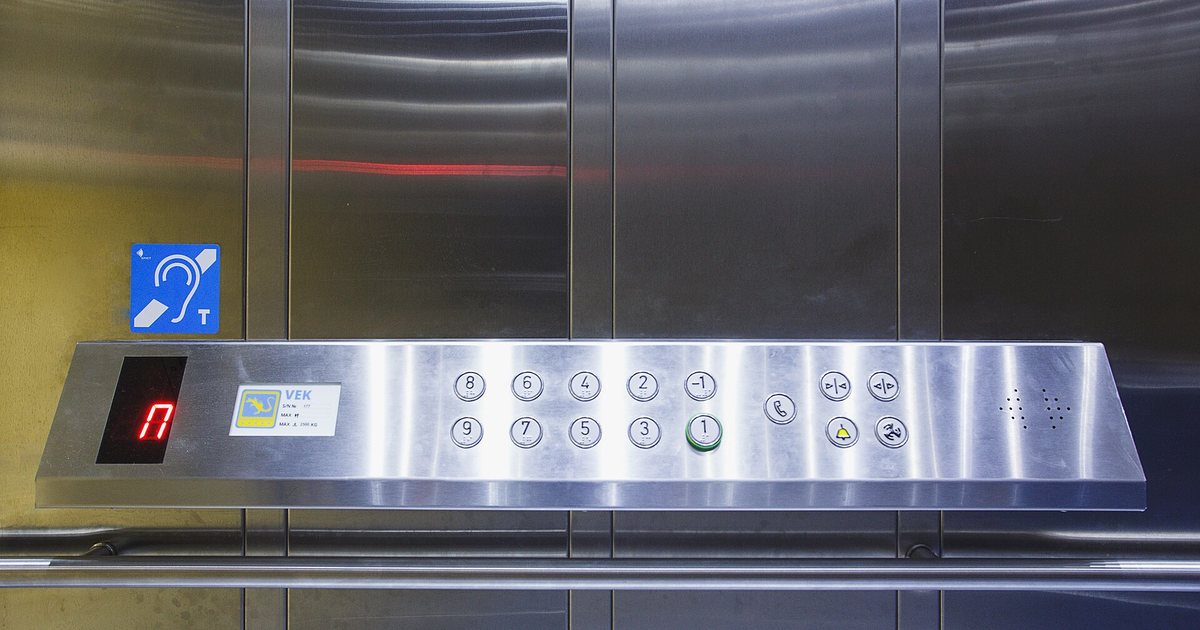
- Many Korean elevators label the 4th floor “F”, because the Sino-Korean word for four, sa (사), sounds like the word for death.
- Never write a living person’s name in red ink. Red is linked to writing the names of the dead, and this one still offends.
- Before a big exam Koreans avoid seaweed soup (it’s “slippery”) and give sticky yeot taffy so the answers “stick”.
- Fan death isn’t backed by medical evidence. The real dangers in a hot, closed room are heat, alcohol and existing illness.
What are the most common Korean superstitions?
Here are the 15 you’re most likely to hear about, with how much weight each one still carries. The last column is a fair summary of everyday attitudes, not survey data. Older relatives tend to sit at the stricter end.
| Superstition (Korean) | The belief | Where it comes from | Taken seriously today? |
|---|---|---|---|
| Fan death (선풍기 사망) | A fan running all night in a closed room can kill you | Modern era, after electric fans spread | Mostly a joke, but timers stay on |
| Number 4 (사) | Four brings death | Sa sounds like 死, death | Widely followed in buildings |
| Red-ink names | Writing a living person’s name in red wishes them dead | Red used for the names of the dead | Widely followed |
| Seaweed soup before exams (미역국) | You’ll “slip” and fail | The slippery texture, plus an idiom for failing | Commonly followed by students and parents |
| Yeot and sticky rice cakes (엿, 찹쌀떡) | Sticky food makes you “stick” to a pass | Word play on “sticking” to a school | A cheerful gift tradition |
| Shoes as a gift | Your partner will walk away in them | Shoes as the thing you leave in | Half-serious; often settled with a coin |
| Deoksugung stone-wall road (덕수궁 돌담길) | Couples who walk it break up | A family court once stood nearby | An urban legend people joke about |
| Pig dream (돼지꿈) | Money is coming | Pigs as a symbol of wealth | Some people buy a lottery ticket |
| Magpie (까치) | Good news or a guest is coming | Folk belief about the bird | Affectionate, not literal |
| Whistling at night | It calls snakes or ghosts | Folk warning to children | Mostly said to kids |
| Shaking your leg | Your luck shakes away | Folk saying about manners | Used to scold fidgeting |
| Stepping on a threshold (문지방) | Luck leaves the house | Traditional house etiquette | Older generations |
| Cutting nails at night | A mouse eats them and turns into you | A well-known folktale | A childhood story |
| Chopsticks upright in rice | It looks like an offering to the dead | Ancestral rites (jesa) | Widely followed as table manners |
| Moving on “son eomneun nal” (손 없는 날) | Days free of a wandering spirit are safest | Lunar calendar folk belief | Many families still choose these days |
Fan death (선풍기 사망): why Koreans were warned about electric fans
Fan death is the belief that sleeping in a sealed room with an electric fan running can kill you. It’s the most famous Korean superstition abroad, mostly because it sounds so strange to people who grew up with a fan humming next to the bed every summer.
The story usually comes in one of two versions. In the first, the fan chills the sleeper until their body temperature falls too far. In the second, it somehow uses up or pushes away the oxygen in a closed room until the sleeper suffocates. Neither stands up. A fan moves air around; it doesn’t destroy oxygen, and a healthy adult won’t freeze to death in a summer bedroom.
Where did the fan death belief come from?
Nobody has pinned down a single origin. The belief grew with the spread of electric fans in the 20th century and got a boost every time news reports linked a death in a hot, closed room to the fan that happened to be running. Consumer-safety warnings once listed it among summer hazards, which helped it last longer than it otherwise might have. One popular theory says the warnings were encouraged to cut household electricity use during energy shortages. It’s widely repeated and has never been proven, so treat it as a story about the story.
What medicine actually points to is the setting. Heatstroke in a room with no ventilation, heavy drinking before sleep and existing heart or lung conditions can be dangerous, and a fan blowing hot air at someone during a severe heatwave doesn’t prevent heatstroke. The fan was never the cause.
Do Koreans still believe in fan death?
Most younger Koreans treat it as a running joke, and it’s a favorite topic in online posts about “things only Koreans believe”. The habits outlived the fear, though. Fans sold in Korea commonly come with a sleep timer (취침 타이머, chwichim taimeo) that switches them off after a set time, and many people still crack a window or door before sleeping with one on. If a Korean host sets your fan timer or leaves the door ajar, that’s care, and you don’t need to argue the science.

Why is the number 4 unlucky in Korea?
Four is unlucky because the Sino-Korean word for it, sa (사), sounds the same as the Sino-Korean word for death (사, written 死 in Chinese characters). Korean has two number systems, a native one and one borrowed from Chinese, and our guide to Korean native and Sino numbers explains when each is used. Floor numbers, room numbers and hospital wards use the Sino set, so that’s where the fear shows up. The same fear of four (tetraphobia) exists in China and Japan for the same sound-alike reason.
Why do Korean elevators say F instead of 4?
Many buildings label the fourth floor “F” (for “four”) so nobody has to press a button that reads “death”. Others skip the number entirely and jump from 3 to 5. You’ll see it most in hospitals and older apartment and office blocks, where nobody wants a patient on the “death floor”. Newer buildings are more mixed, and plenty simply print a 4.
Where else does the number 4 matter?
Room numbers ending in 4 are sometimes avoided in hotels and hospitals, and some people quietly avoid gifts that come in sets of four. On the flip side, 7 is widely treated as lucky (a habit picked up partly from Western culture) and 3 has long been a favored number in Korean tradition. If you’re choosing a gift set or a number of items, go with anything other than four and you won’t need to think about it again.
Why you should never write a name in red ink in Korea
Writing a living person’s name in red ink suggests they’re dead, and this is one superstition almost every Korean still follows. Red has long been tied to writing the names of the deceased, so a name in red reads as an ill wish, or at the very least as a creepy mistake.
Teachers still grade in red and red pens are on sale everywhere. The issue is only names. Don’t sign a birthday card, a guest book or a seating chart in red, and don’t write a Korean friend’s name in red on a gift tag. If you’re learning Hangul and practicing friends’ names, as many readers of our guide to how Korean names work do, use black or blue.
There’s an interesting twist. Red is also the color that drives evil away, which is why bujeok (부적, paper talismans sold by fortune tellers and some temples) are traditionally drawn in red on yellow paper. Same color, opposite job: protection on a charm, death next to a name.
Korean exam superstitions: yeot, sticky rice cakes and no seaweed soup
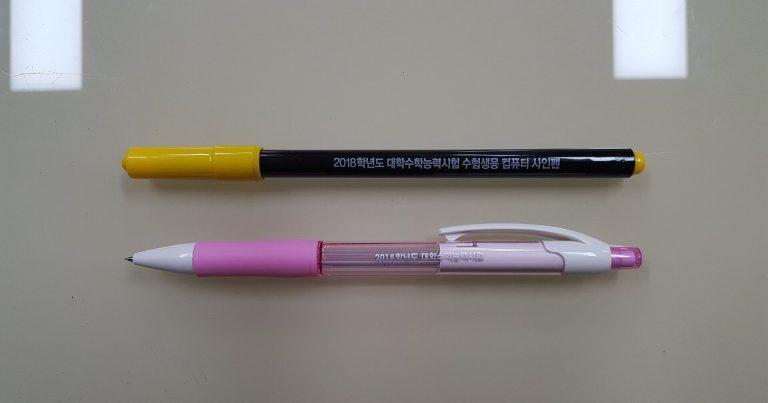
Exam superstitions are the ones you’ll see in action most, because Korea’s college entrance exam, the Suneung (수능, the College Scholastic Ability Test held each November), is a national event. Juniors cheer outside test sites, police have been known to rush late students to their exam halls, and shops fill up with good-luck gifts.
Why Koreans avoid seaweed soup before an exam
Miyeokguk (미역국) is a seaweed soup eaten on birthdays and by mothers after giving birth. Before an exam, it’s off the table. Seaweed is slippery, and “slipping” means falling out of the running. The Korean phrase “to eat seaweed soup” (미역국을 먹다) is even slang for failing an exam or getting rejected. Many students also skip washing their hair on exam day, so they don’t wash out what they’ve studied.
What do Koreans give students before the Suneung?
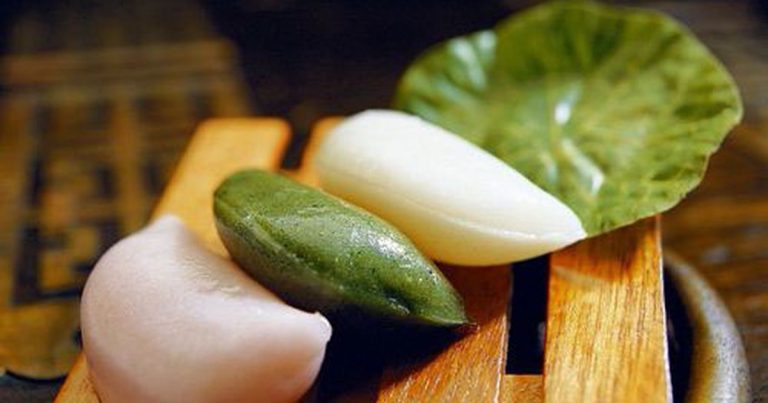
Sticky food is the classic. Yeot (엿) is a chewy traditional taffy and chapssaltteok (찹쌀떡) is a sticky glutinous rice cake; both stand for “sticking” to the school you applied to (the Korean verb for passing an entrance exam, 붙다, also means “to stick”). Modern pun gifts have joined them. A fork stands for “picking” the right answer (찍다 means both to stab with a fork and to guess on a multiple-choice question), and a roll of toilet paper stands for “unrolling” problems, since 풀다 means both to unroll and to solve.
If you have a Korean friend sitting a big exam, a packet of yeot or a box of chapssaltteok is a thoughtful gift that everyone will understand. Just don’t invite them out for seaweed soup the night before.
Korean superstitions about love, gifts and money
This group is lighter. People mention these with a grin, but they do shape gift choices and the occasional lottery ticket.
Is it bad luck to give shoes in Korea?
The old belief says that if you give your boyfriend or girlfriend shoes, they’ll use them to walk away from you. It’s common enough that couples sometimes settle it with a trick: the person receiving the shoes hands over a small coin, so they’ve technically “bought” them. Between friends or family it matters much less. If you’re unsure about a partner, choose another gift or just ask for the coin.
Do couples really break up on Deoksugung’s stone-wall road?
Deoksugung Doldam-gil (덕수궁 돌담길), the leafy walk along the stone wall of Deoksugung Palace in central Seoul, is famous as the road that splits couples. The usual explanation is that Seoul’s family court once stood nearby, so couples heading to divorce proceedings walked this route. Today it’s one of the city’s most romantic walks, and the legend mostly gives couples something to laugh about. Our guide to K-drama filming locations in Seoul covers more spots in the same part of the city.
Pig dreams, magpies and other good-luck signs
A dream about a pig (돼지꿈, dwaeji kkum) is said to mean money is coming, and a few people really do buy a lottery ticket the next morning. Koreans also take taemong (태몽, conception dreams) seriously as a family story: relatives will recall what a mother or grandmother dreamed before a child was born.
The magpie (까치, kkachi) is the good-news bird. A magpie calling near the house traditionally means a welcome guest or good news, and it shows up in a children’s song for the Lunar New Year. Crows, by contrast, are an old omen of bad news.
Superstitions at home: whistling, shaking legs and moving days
These are mostly things Korean parents and grandparents say to children. They work as manners with a ghost story attached.
- Whistling at night is said to call snakes or ghosts. Really, it keeps kids quiet after dark.
- Shaking your leg while sitting (다리 떨기) makes your luck, or your wealth, drain away. Expect an older relative to tap your knee if you fidget at the table.
- Stepping on the threshold (문지방) of a door lets luck slip out of the house. In traditional homes the raised threshold mattered; in modern apartments it barely exists.
- Cutting your nails at night is risky because, in a well-known folktale, a mouse eats the clippings and turns into a copy of you. It’s a children’s story, but the habit of not clipping nails at night lingers.
Why you shouldn’t stand chopsticks in rice
Sticking your chopsticks or spoon upright in a bowl of rice looks like the offering table at jesa (제사), the ancestral memorial rite, where a spoon is placed in rice for the dead. At a meal with living people it reads as bad luck and bad manners. Rest your chopsticks on the table or the holder and you’re fine. This one is treated as etiquette, so it’s worth getting right.
What is son eomneun nal (손 없는 날)?
Son eomneun nal means “a day without son”, and son here is a wandering spirit believed to move around in different directions and cause trouble for anyone moving house or starting something big. By the lunar calendar it’s absent on days ending in 9 and 0 (the 9th, 10th, 19th, 20th, 29th and 30th). Many families still prefer these days for moving and sometimes for weddings, so moving companies are busier then. If you’re renting in Korea and flexible on dates, avoiding these days can make booking a mover easier. Check current rates directly with the company.
How seriously do Koreans take superstitions today?
The honest answer is selectively. Korea is one of the most wired, highly educated societies in the world, and most people wouldn’t say they believe in ghosts that follow moving trucks. Yet the death-related rules hold firm, and the fortune-telling business is busy.
Saju (사주, the “four pillars”) is a reading based on the year, month, day and hour of your birth, and it’s the backbone of Korean fortune telling. People get readings before job changes, at the New Year and before marriage, often in saju cafes or through apps. Gunghap (궁합) reads the compatibility of a couple; some parents still check it before a wedding, a tradition our guide to Korean wedding traditions puts in context. Many people treat a reading the way others treat a horoscope: entertainment, with a small hope it’s right.
Further back sits Korean shamanism. Mudang (무당, shamans) still perform gut (굿, rituals) for healing, luck or the dead, and shamanic imagery turns up often in Korean horror films and dramas. For most people this is culture and heritage, not daily practice.
FAQ
Is fan death real?
No. There’s no medical evidence that an electric fan alone kills a healthy person in a closed room. Real risks in that setting come from extreme heat, poor ventilation, alcohol and existing health conditions. Many Koreans still use the fan’s sleep timer out of habit.
Why is 4 unlucky in Korea?
The Sino-Korean word for four, sa (사), sounds the same as the word for death. That’s why many buildings label the fourth floor “F” or skip it, especially hospitals. China and Japan share the same belief for the same reason.
Why can’t you write someone’s name in red in Korea?
Red ink has long been tied to writing the names of the dead, so a living person’s name in red suggests a death wish. Most Koreans still avoid it, even those who say they aren’t superstitious. Use black or blue for names, cards and guest books.
What do Koreans eat before an exam?
Sticky foods such as yeot (taffy) and chapssaltteok (sticky rice cakes), because they help you “stick” to a pass. Students avoid seaweed soup, which is slippery and linked to the slang for failing. Forks and toilet paper are popular pun gifts too.
Is it bad luck to give shoes in Korea?
Traditionally, shoes given to a romantic partner mean they’ll walk away from you. Many couples get around it by having the receiver pay a small coin. Among friends and family the belief matters much less.
Do Koreans believe in fortune telling?
Many enjoy it, and saju readings, compatibility checks and New Year fortunes are common. Most treat them as fun or reassurance rather than fixed fate. Some families still take a compatibility reading seriously before a wedding.
What to look for on your first trip to Korea
Make a small game of it. Check the elevator panel in your hotel or a hospital for an “F”, look out for yeot and rice-cake gift boxes in shops around exam season, and listen for the magpies that are everywhere in Seoul parks. If you’ll be at a Korean family meal, rest your chopsticks flat and keep your red pen away from the name cards.
Interested in where these beliefs come from? Book a saju reading with a Korean friend to translate, or walk the Deoksugung stone-wall road and decide for yourself whether the legend holds. For the latest on palace access and events, check the official palace website before you go.
Related reading
Sources k-korea.blog
Prices, opening hours and availability change. Check the official page before you buy or travel.