14 min read
A jjimjilbang (찜질방) is a Korean spa with 2 zones: gender-separated nude baths and a shared, clothed sauna floor. You pay once at the counter, wash and soak in the bath area, then put on a cotton uniform and spend as long as you like in heated rooms, eating baked eggs, drinking sikhye and napping on the floor. The rules are simple once you know them, and most of the awkward moments foreigners worry about come down to one thing: shower first, and keep the nude part where it belongs.
Key takeaways
- The bath area is nude and split by gender; swimsuits are not worn there, and you wash fully at a shower station before touching the water.
- The shared floor is co-ed and clothed: you wear the T-shirt-and-shorts uniform handed to you at the counter.
- Your locker key usually doubles as your wallet inside, so snacks, scrubs and drinks get charged to it and settled when you leave.
- Many jjimjilbang let you sleep on the heated floor overnight, but rules and any extra fee vary, so check the venue’s sign or official page before you plan on it.
How a jjimjilbang visit works, step by step
The flow is almost identical everywhere in Korea, from a neighborhood spot above a convenience store to a big multi-floor complex. Learn it once and you can walk into any of them.
- Shoes off at the door. Put your shoes in a small shoe locker by the entrance and take the key.
- Pay at the counter. Many places sell two tickets: bath only (the mogyoktang, 목욕탕, the traditional public bath) or bath plus the jjimjil floor. Prices are posted on a board at the counter; check it or the venue’s official page, since they change.
- Collect your kit. You usually get a clothes-locker key on a wristband, a uniform and one or two small towels. At some places you hand over the shoe key in exchange.
- Go to your gender’s locker room. Undress completely, lock everything away and walk into the bath area with only your small towel.
- Wash, then soak. Scrub down at a shower station, then move between the hot, warm and cold pools and the dry or steam saunas.
- Dry off and dress in the uniform. Back at your locker, put on the shirt and shorts and head to the shared floor.
- Leave the same way. Shower again if you like, change back, return the uniform and towels, and pay any extras charged to your key.
You do not have to do both halves. Plenty of Koreans only use the baths, and some go straight to the shared floor after a quick rinse. The ticket you buy decides what you’re allowed into.
The gender-separated baths: what the nude part is really like
This is the part that stops most first-timers, and it’s far less dramatic than it sounds. The bath area is a quiet, functional space where grandmothers, students and office workers wash and soak without paying the slightest attention to anyone else. Nobody looks at you. Staring is what would be rude.
What you’ll find inside
Expect rows of seated shower stations with low stools, hand-held showerheads and mirrors, plus several pools at different temperatures. There’s usually a hot tub, a warm one, a cold plunge pool, and a dry sauna or steam room. Bigger places add herbal baths or jet pools.
The rules in the bath area
- Wash before you soak. Soap and rinse your whole body, hair included, before entering any pool. This is the rule Koreans care about most.
- No swimsuits. They’re seen as unhygienic in the water, not modest.
- Keep your towel out of the pools. Use it to cover yourself while walking, then fold it on your head or leave it at the edge.
- Tie up long hair so it stays out of the water.
- No phones or cameras. Leave them in your locker. Taking any photo in this area is a serious offense, not a faux pas.
- Return the stool and rinse your station when you’re done.
Seshin: the Korean body scrub
Many bath areas have a scrub corner where an attendant does seshin (세신), a vigorous full-body exfoliation with a rough cloth Koreans call an “Italy towel” (이태리 타올). You lie on a vinyl table, get scrubbed head to toe, and watch an alarming amount of dead skin roll off. It’s a paid add-on with a price list posted nearby. Soak in the hot pool for a while first, because softened skin scrubs off more easily. If you have sensitive skin, eczema or a skin condition, skip it or talk to a dermatologist first, since it’s intense.
The shared jjimjilbang floor: uniforms and heated rooms
Once you’ve changed into the uniform, you’re in the co-ed part of the jjimjilbang. Families, couples and groups of friends sprawl on the warm floor, watch TV, eat and doze. Think of it as a giant, heated living room with sauna rooms off the sides.
The uniform
The uniform is a loose cotton T-shirt and shorts, often in one color for men and another for women. Wearing it is mandatory on the shared floor; you don’t walk around in your own clothes. Whether you wear underwear beneath it is up to you. Bring your own socks if you dislike bare feet on shared floors.
The heated rooms and what each one is for
Each room is a different temperature and material, and Koreans tend to rotate between them, resting on the main floor in between. Venues market some rooms with traditional wellness claims; treat those as tradition, not medicine.
| Room | Korean name | What it’s like | How long people tend to stay |
|---|---|---|---|
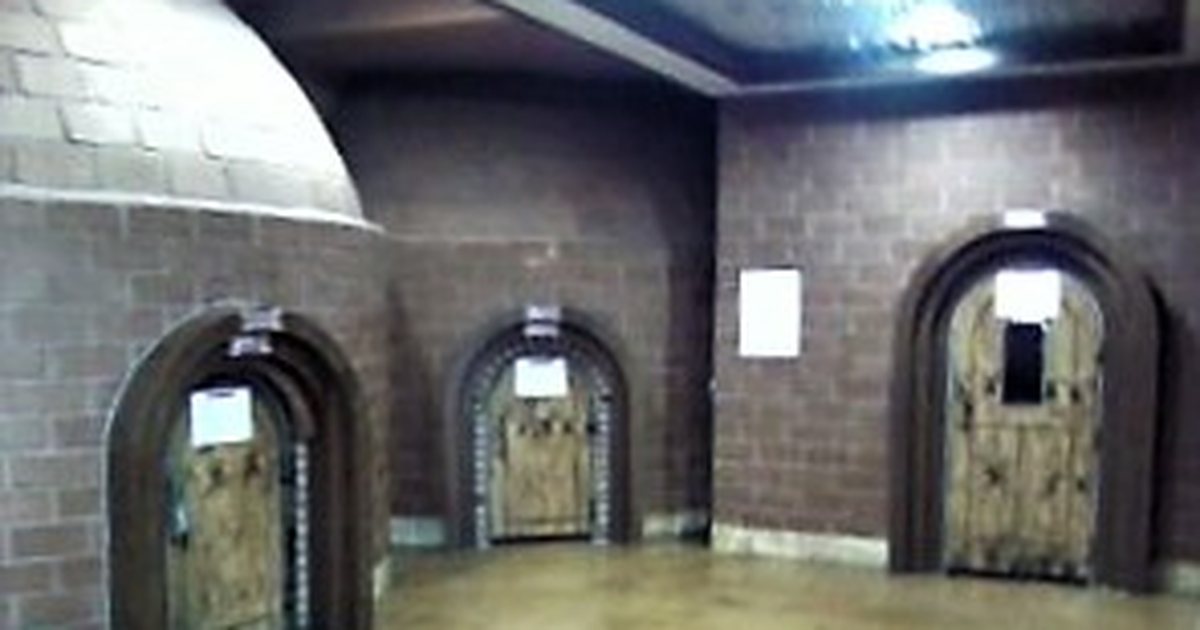
| Kiln room | 불가마 (bulgama) | The hottest room, modeled on a traditional charcoal kiln; often has a dome shape and a thick door | A few minutes at a time |
| Salt room | 소금방 (sogeumbang) | Walls or floor lined with salt, moderate heat | Longer, relaxed sessions |
| Red clay room | 황토방 (hwangtobang) | Loess clay walls and floor, a dry, earthy warmth | Longer, many people nap here |
| Charcoal room | 숯방 (sutbang) | Charcoal-lined walls, moderate heat | Medium sessions |
| Ice room | 얼음방 (eoreumbang) | A chilled room for cooling down between hot rooms | Short breaks |
Not every jjimjilbang has all five. A small neighborhood place might have one hot room and one cool room; a large complex might add jade rooms, oxygen rooms or themed spaces. The pattern is the same: heat, rest, cool down, repeat.
Staying safe in the heat
Drink water, leave any room the moment you feel dizzy, and don’t use the hot rooms after drinking alcohol. If you’re pregnant or have a heart or blood pressure condition, ask your doctor before you go and stick to the milder rooms or the main floor.
Sikhye and eggs: what Koreans eat at a jjimjilbang
The snack bar is half the reason Koreans go. Two items are so tied to jjimjilbang culture that ordering them is basically part of the ritual.
Sikhye (식혜)
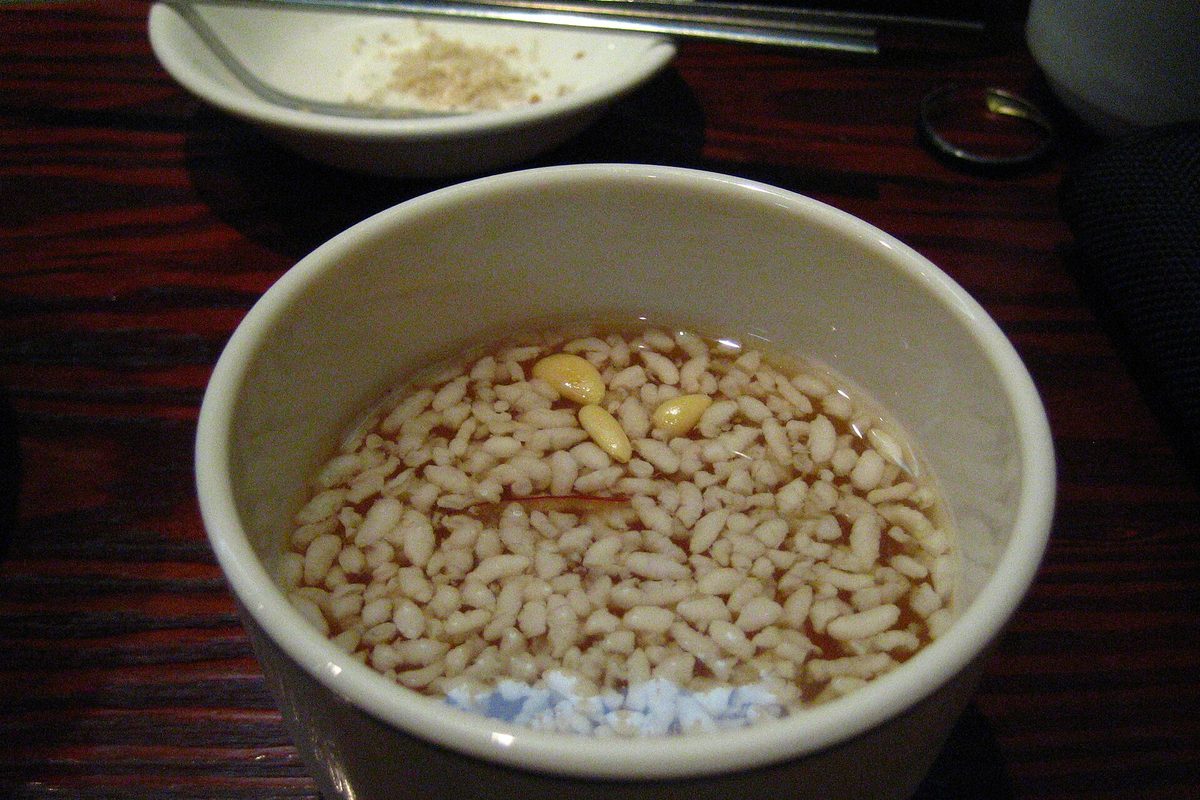
Sikhye is a sweet, lightly fermented rice drink made with malted barley, with soft grains of rice floating in it. Served ice-cold, sometimes half-frozen into slush, it’s the classic drink after a hot room. If you don’t like sweet drinks, most snack bars also sell bottled water, sports drinks and iced tea.
Baked eggs (맥반석 계란)
Maekbanseok gyeran are eggs slow-roasted over hot stones until the shells turn brown and the whites go firm and slightly chewy. They usually come in small bags with a pinch of salt. The well-known gag of cracking an egg on a friend’s forehead (or your own) comes from Korean TV and is still something friends do for laughs.
Other food
Larger jjimjilbang run a small restaurant on the shared floor, usually with simple Korean dishes such as instant ramyeon, cold noodles or stews, plus a fridge of drinks and ice cream. Your locker key typically works as a tab: the staff scans or notes the number, and you pay the total at the exit. Keep track so the final bill isn’t a surprise.
The lamb-head towel
You’ll see people with their small towel rolled into two ear shapes on their head. It’s called yangmeori (양머리), “sheep head,” and Korean TV made it a jjimjilbang icon. To do it, roll the two long sides of a towel inward toward the middle, then pull the rolled ends together around your head so they form two little horns. It keeps sweat out of your eyes, and it photographs well on the shared floor where cameras are allowed (never in the baths).
Can you sleep at a jjimjilbang overnight?
Often, yes. Many jjimjilbang stay open around the clock, and sleeping on the heated floor has long been a cheap fallback for Koreans who missed the last train, travelers between cities and anyone who simply loves the warmth. It is not a hotel, though, and you should go in knowing what you’re getting.
What sleeping there actually looks like
- You sleep on the floor on a thin mat, sometimes in a dimmed sleeping hall, sometimes in a corner of the main floor or inside a warm clay room.
- Pillows vary. Some places hand out soft pillows; old-school spots still use hard wooden or plastic blocks.
- Expect noise. Snoring, TVs, late arrivals and early risers are part of the deal. Earplugs and an eye mask help a lot.
- Some halls are split by gender, and many have a separate women-only rest area.
Before you plan a night
Not every jjimjilbang allows overnight stays, and some charge an extra fee after a certain hour. Check the sign at the counter or the venue’s official page. Korean youth-protection rules also limit teenagers staying late without a guardian, so families traveling with teens should confirm the policy. Keep your passport, cash and phone in your locker while you sleep, not next to your head.
Here’s a worked example of how a traveler might use it. You land at a late hour, your guesthouse check-in is the next afternoon, and you don’t want to pay for a full hotel night. A 24-hour jjimjilbang lets you shower, sleep a few hours on a warm floor, eat breakfast at the snack bar and leave with your bag locked up the whole time. It works best if you sleep lightly and travel with a small bag, since big suitcases may not fit in the lockers; ask at the counter.
Jjimjilbang etiquette: the rules foreigners break most often
Koreans are relaxed about foreigners not knowing every custom. A handful of rules are taken seriously, and getting these right matters more than anything else in this guide.
- Skipping the pre-soak wash. Rinsing for five seconds doesn’t count. Use soap, everywhere.
- Wearing the uniform into the baths, or nothing onto the shared floor. Nude zone and clothed zone never mix.
- Using a phone near the baths or locker room. Even holding one up can look like you’re filming. Keep it locked away until you’re dressed and on the shared floor.
- Dripping across the locker room. Towel off before you leave the wet area.
- Talking loudly in the sleeping hall. The heated floor is social; the dimmed rest areas are for sleeping.
- Taking over too much floor. Spread out a little, but don’t claim a whole corner with bags and mats when it’s busy.
- Dunking your head in the pools. Most people keep their head above the water.
Tattoos, periods, kids and other jjimjilbang questions
Can you go to a jjimjilbang with tattoos?
Generally, yes. Korea doesn’t have the blanket tattoo bans common at Japanese onsen, and you’ll see people with tattoos in bath areas. A venue can still set its own rules, and very large, visible tattoos may draw a few looks from older guests. If you’re worried, check the official page or ask at the counter before you pay.
What if you’re on your period?
Most women skip the pools during their period out of courtesy and hygiene, but the shared floor is fine in uniform. You can also buy a jjimjil-only ticket where that’s offered and rinse in the shower without soaking.
Can you bring kids?
Jjimjilbang are family places, and kids are everywhere on weekends. In the gender-separated baths, Korean rules set an age above which a child can’t enter the opposite-gender side with a parent; the limit is posted at the counter, so check it. Watch small children closely in the hot rooms.
Is a jjimjilbang okay for couples or mixed groups?
Yes, for the shared floor. You split up at the locker rooms, wash and soak separately, then meet again in uniform. Agree on a meeting spot, since you can’t text from the baths.
Is it clean?
Standards vary with age and size. Newer, larger complexes tend to feel more polished; older neighborhood places can be dated but busy with loyal regulars. Recent photos and reviews on a Korean map app are the quickest way to judge.
How to find a good jjimjilbang and choose one
Search “찜질방” (jjimjilbang) or “사우나” (sauna) in Naver Map or Kakao Map, the two map apps Koreans use, which work far better in Korea than Google Maps. Our list of the best apps for Korea travel covers how to set them up before you fly. Some places listed as “sauna” are bath-only, so check the photos for a shared floor.
| Type | Best for | What to expect | What to check first |
|---|---|---|---|
| Neighborhood jjimjilbang | A quick, local experience | One or two hot rooms, a small snack bar, mostly regulars | Whether a jjimjil floor is included or it’s bath-only |
| Large multi-floor spa complex | First-timers, families, a half-day visit | Many themed rooms, a restaurant, rest areas, sometimes extras like a gym or outdoor pool | Ticket types and what each covers, on the official page |
| 24-hour jjimjilbang near a station | Late arrivals, an overnight budget stop | Sleeping halls or floor mats, lockers, simple food | Overnight policy, any extra night fee, locker size |
| Resort or hot-spring spa | A day trip outside Seoul | Natural hot spring water in some places, bigger pools, often water-park areas | Whether swimsuits are required in certain zones |
That last row matters: some resort-style spas have mixed outdoor pools where swimsuits are required, alongside the usual nude bath area. If a venue sells or rents swimsuits, it has such a zone. If you’re heading south, Busan has a strong bathhouse culture tied to its hot springs; our Busan travel guide shows how to fit a spa afternoon into a three-day trip.
What to bring
- A small bag for toiletries if you prefer your own; many places provide basic soap, shampoo and hair dryers, and sell the rest.
- A hair tie, a comb and any skincare you like to use afterward.
- Cash or a card; most places take cards, but small spots may prefer cash.
- Earplugs and an eye mask if you’ll sleep there.
What Koreans actually do on a jjimjilbang day
For a lot of Koreans, a jjimjilbang isn’t a special outing. It’s a weekend habit, a cheap way to warm up in winter and a place families have gone for generations. A typical visit runs something like this: a long soak, maybe a scrub, then hours on the shared floor alternating between a hot room and a nap, with sikhye and eggs somewhere in the middle. Friends catch up there the way people elsewhere meet at a café.
Winter is peak season, when the heated floors feel best and weekends get crowded. Holidays such as Seollal, the Korean Lunar New Year, can bring either a rush or a quiet day, depending on the area and whether the venue opens at all, so check hours on the official page before going on a holiday.
After a scrub and heat, your skin may feel tight or sensitive. Go easy on strong actives like retinoids or exfoliating acids that night, moisturize, and patch test anything new.
What to plan for your first jjimjilbang visit
Pick a large, well-reviewed complex for your first time, because the signs, space and range of rooms make the routine easier to follow. Go on a weekday if you can. Plan on two to four hours so you don’t rush the cycle of soaking, heating and resting. Once you’ve done it, a small neighborhood jjimjilbang is the more local experience, and you’ll walk in knowing exactly where the shoe locker, the shower stool and the sikhye are.
Before you go, check three things on the venue’s official page or at the counter: which ticket includes the shared floor, whether overnight stays are allowed, and whether any zone needs a swimsuit. Everything else you can learn by watching the regulars.
FAQ
Do you have to be naked at a jjimjilbang?
Only in the gender-separated bath area, where everyone is nude and swimsuits aren’t worn. The shared jjimjil floor is fully clothed in the uniform the venue gives you. If you don’t want to bathe nude, some places sell a jjimjil-only ticket, though you’ll still change in a same-gender locker room.
What is the difference between a jjimjilbang and a mogyoktang?
A mogyoktang (목욕탕) is a traditional public bath: showers, pools and saunas, separated by gender, and that’s it. A jjimjilbang adds the co-ed clothed floor with heated rooms, rest areas and food. Many jjimjilbang contain a mogyoktang inside them.
Can foreigners go to a jjimjilbang?
Yes, and many do. You don’t need to speak Korean; prices are posted at the counter and the routine is easy to follow by watching others. The main thing staff expect is that you wash before using the pools and keep phones out of the bath area.
How long do people stay at a jjimjilbang?
Anything from an hour for a quick soak to a whole day or night. Many places have no strict time limit on a standard ticket, but some charge more for overnight stays. Check the rules at the counter.
Can you use your phone at a jjimjilbang?
On the shared floor, yes, and many places have Wi-Fi and charging spots. In the locker rooms and bath area, no. Leave your phone in your locker before you undress.
Is it safe to sleep at a jjimjilbang?
Koreans have slept in jjimjilbang for decades, and staff are on site through the night at 24-hour venues. Still, treat it like any shared space: keep valuables in your locker and the key on your wrist. Women-only rest areas are common if you’d feel more comfortable there.
Related reading
Sources k-korea.blog
Prices, opening hours and availability change. Check the official page before you buy or travel.