12 min read
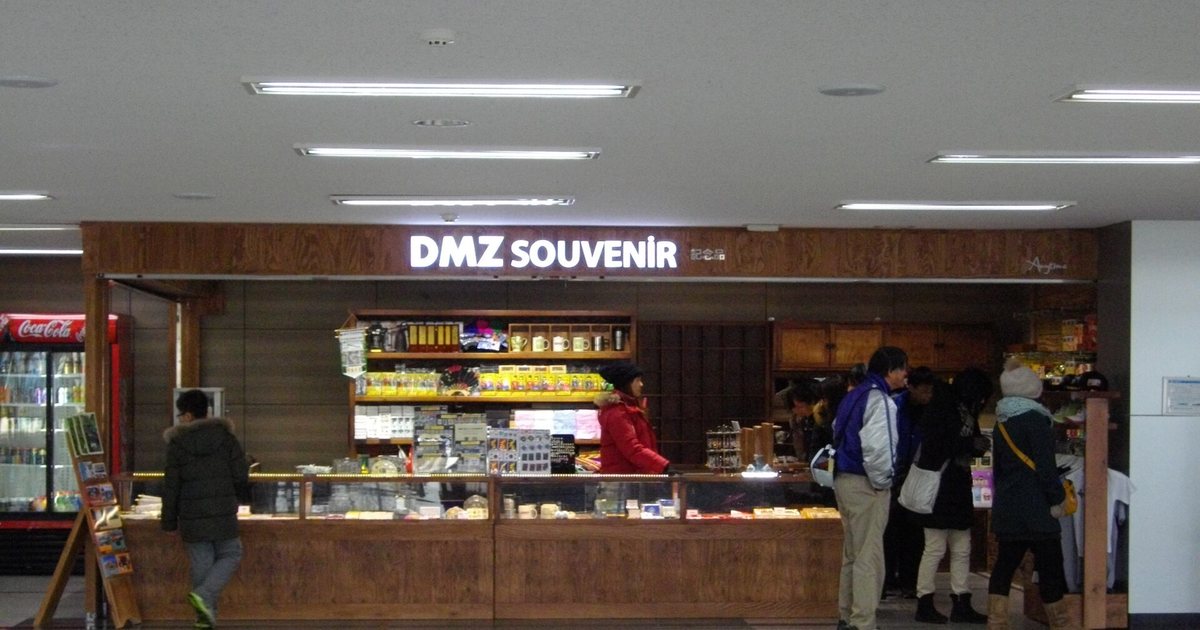
The best souvenirs to buy in Korea are skincare and snacks, followed by seven other groups that pack well. Buy skincare at Olive Young (올리브영, Korea’s biggest health-and-beauty chain), snacks and ramen at any supermarket, crafts in Insadong and cheap small gifts at Daiso.
The rest of this guide tells you what to pick in each group, where Koreans actually shop for it and which food items customs at home will take off you.
Key takeaways
- Skincare is the best value-per-gram souvenir: sunscreen, sheet masks and toner pads are light, flat and sold everywhere.
- Supermarkets like E-Mart and Lotte Mart sell the same ramen and snacks as tourist shops, in multipacks made to share.
- Insadong (인사동) in central Seoul is the one street for traditional crafts: hanji paper, celadon-style ceramics and mother-of-pearl lacquerware.
- Declare all food at home customs. Meat products, including some ramen seasoning, are the item most often refused.
Best Korean souvenirs by category
Start with the table, then read the section for anything you plan to buy in bulk.
| Souvenir | Best for | Where to buy | Packing note |
|---|---|---|---|
| Skincare and sheet masks | Friends, yourself, office gifts | Olive Young, brand flagships, duty free | Liquids over 100 ml go in checked bags |
| Snacks and instant ramen | Coworkers, kids, family | E-Mart, Lotte Mart, convenience stores | Light but bulky; check meat ingredients |
| K-pop albums and goods | Fans | Music stores, official agency shops, pop-ups | Albums are heavy and boxy |
| Traditional crafts | Parents, hosts, home decor | Insadong, Ssamziegil, museum shops | Wrap ceramics in clothes, carry on if fragile |
| Red ginseng products | Older relatives, gift etiquette | Department stores, duty free, brand stores | Declare it; sealed retail packs are easiest |
| Novelty socks | Stocking fillers, teens | Myeongdong stalls, underground arcades | Weightless, sold in bundles |
| Stationery | Students, desk gifts | Artbox, Kyobo Hottracks, Daiso | Flat and light |
| Kitchen items and sauces | Home cooks | Supermarkets, Namdaemun kitchen stalls | Sauces in checked bags, sealed |
| Hanbok accessories and bojagi | Hosts, collectors | Insadong, Gwangjang Market | Fabric folds flat |
If you only have one shopping afternoon, do Olive Young plus a supermarket. That covers the two groups most people go home wishing they had bought more of.
Skincare and Olive Young: what to buy for your skin type
Korean skincare is the souvenir people restock from abroad for years. The reason is simple: Korea sells a huge range of gentle, single-purpose products (a toner, a serum, a sunscreen) in every price band, and you can test textures in store before buying.
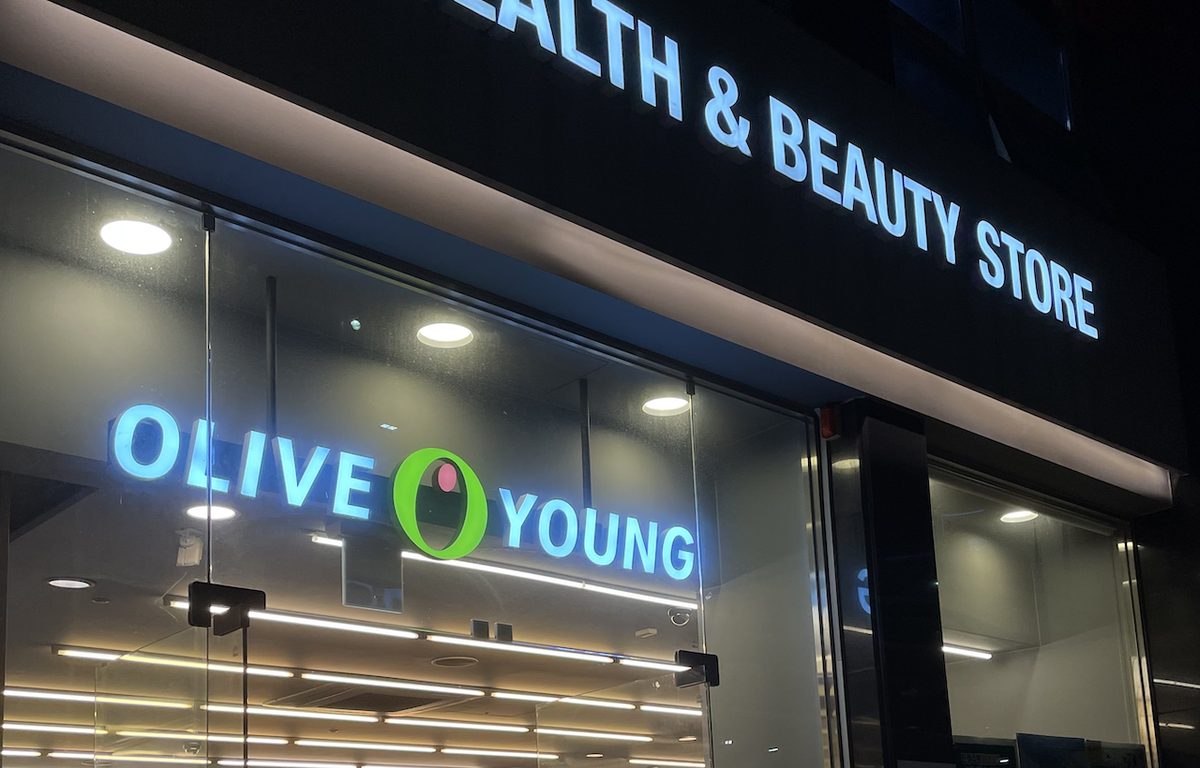
Olive Young is where Koreans themselves shop. Branches sit near almost every subway exit in central Seoul, the big Myeongdong stores carry English signage, and shelves are grouped by category, so you can compare five sunscreens side by side. For current promotions, check the Olive Young global site or the in-store sale tags rather than any blog list.
Which Korean skincare travels best as a gift
Pick products that are light, sealed and hard to get wrong. Sheet masks (single-use fabric masks soaked in serum) are the classic: flat, cheap per piece and easy to split among friends. Korean sunscreens are the other big buy, because many feel like a light moisturizer rather than a chalky cream. Toner pads, cotton pads pre-soaked in toner, are a newer favorite for the same reason: no mess, easy to use.
- Good for
- Sheet masks: gifting in bulk, trying many brands cheaply
- Skip it if
- The recipient has reactive skin and you don’t know their ingredients list
- How to use
- Apply after cleansing and toner, leave on for the time on the pack, pat in what’s left
- Key ingredients
- Hyaluronic acid (a moisture binder), centella asiatica, often called cica (a soothing plant extract), niacinamide (a vitamin B3 form)
- Good for
- Anyone who skips sunscreen because it feels greasy. Korean formulas tend to sit well under makeup, which is why they sell out first.
- Skip it if
- Mineral-only protection is a must. Many Korean sunscreens rely on chemical filters, so read the label before you buy.
- How to use
- It goes on last in the morning, after moisturizer. On long days outdoors, top it up.
- Key ingredients
- Look past the ingredient list to the SPF number and the PA rating (the Asian scale for UVA protection, shown as plus signs)
Oily, dry or sensitive: how to choose
If your skin is oily, look for gel or watery textures and the word “sebum” on the pack, and skip rich creams. Dry skin does better with ceramide creams and hydrating serums. If your skin is sensitive, buy fewer products, pick fragrance-free ones and patch test anything with actives (acids, retinol, vitamin C) on your inner arm for a few days before using it on your face. For eczema, rosacea or acne that won’t settle, see a dermatologist rather than a shop assistant.
Well-known names you’ll see everywhere include COSRX, Round Lab, Beauty of Joseon, Torriden, Anua and Innisfree. For cushion compacts (foundation in a sponge-topped compact, a Korean invention), test the shade in store; Korean shade ranges can run light. Our Korean makeup guide explains how they’re used.
Korean snacks and ramen to bring home
Snacks are the cheapest way to make an office happy. Do your snack run at a big supermarket (E-Mart, Lotte Mart, Homeplus) or a Lotte Mart near Seoul Station, which is set up for tourists. Prices in convenience stores are higher, and tourist gift shops repackage the same items.
The Korean snacks foreigners ask for most
- Honey Butter Chip (Haitai): sweet-salty potato chips that caused shortages when they launched.
- Kkobuk Chip (Orion, “turtle chip”): layered corn chips in flavors like cinnamon churro.
- Choco Pie (Orion): the chocolate marshmallow cake Koreans give as a token of affection.
- Pepero (Lotte): chocolate-dipped biscuit sticks, swapped by the boxful on Pepero Day, November 11.
- Yakgwa (약과): honey-and-sesame-oil traditional cookies, now popular with younger Koreans again.
- Gim (김, seasoned roasted seaweed): snack packs are light and loved by kids.
Instant ramen: what to pick and what to check
Korean ramyeon (라면, instant noodles) is spicier and chewier than Japanese-style instant ramen. Shin Ramyun (Nongshim) is the standard. Buldak (Samyang’s “fire chicken” noodles) is the viral spicy one, sold in milder and hotter versions. Jjapaghetti is the black-bean noodle that featured in Parasite.
Before you fill a suitcase, read the ingredients. Some flavor packets contain beef or chicken extract, and many countries restrict meat products, even dried ones in a seasoning sachet. Seafood and vegetarian flavors are less likely to cause trouble. Either way, declare them.
K-pop goods: albums, lightsticks and where to shop
K-pop albums are souvenirs in their own right: a box with a CD, a photo book and a random photocard of one member. Buy them at large bookstore-music chains like Kyobo Hottracks or at dedicated record shops in Myeongdong and Hongdae, where shelves are sorted by group.
For official merchandise (lightsticks, which are the group-specific glow wands fans wave at concerts, plus clothing and stationery), go to an agency’s official store or a pop-up. Pop-ups open and close constantly, so check the group’s official social accounts or Weverse Shop before you go. If you want to understand the random-card system, our guide to Kpop photocards covers how trading works.
How to avoid fake K-pop merchandise
Street stalls in tourist areas sell unofficial posters, keyrings and lightsticks. They’re cheap for a reason. If authenticity matters, buy from official stores, Weverse Shop or the agency’s online shop, and check the barcode and the agency name on the packaging.
Traditional crafts in Insadong (인사동): what’s worth buying
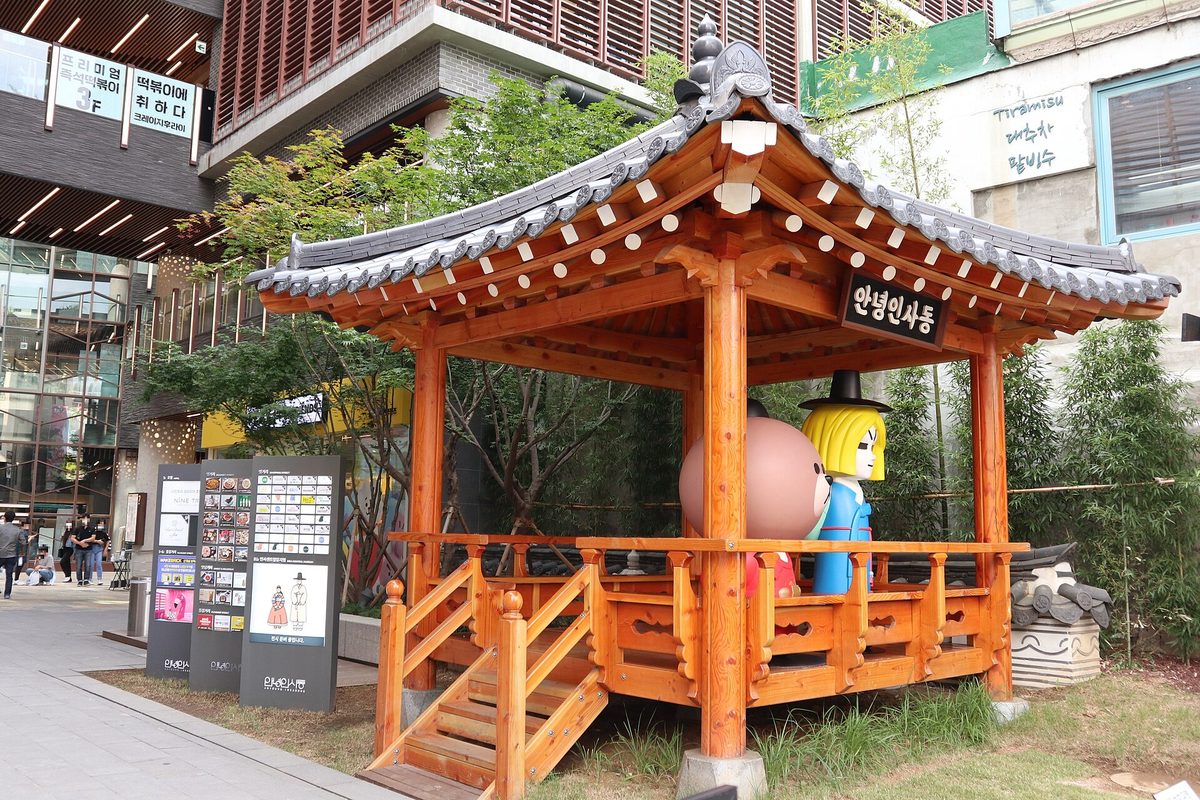
Insadong is the street Seoul built around tea houses, galleries and craft shops. It’s the best single place for gifts that say “Korea” without a cartoon character on them. Ssamziegil, a spiral-ramp complex of small craft shops, is in the middle of it.
- Area
- Insadong, Jongno-gu, central Seoul
- Nearest station
- Anguk Station (Line 3)
- Time needed
- 2 to 3 hours with a tea break
- Before you go
- Free to walk; shop hours vary, so check individual stores
Five crafts to look for
- Hanji (한지): traditional paper made from mulberry bark. Sold as notebooks, lamp shades, fans and cards. Light and very packable.
- Celadon ceramics: the blue-green glaze associated with the Goryeo dynasty. Modern makers sell cups and small bowls in this style.
- Najeon chilgi (나전칠기): lacquerware inlaid with mother-of-pearl. Jewelry boxes and mirrors make striking gifts; look at the inlay edges for quality.
- Bojagi (보자기): patchwork wrapping cloths. Koreans used them to wrap and carry gifts, so they’re doubly fitting.
- Norigae (노리개): the tasseled ornaments worn on hanbok, Korea’s traditional dress. Small versions work as bag charms.
Watch for mass-produced imports sold as “traditional.” Shops that let you see the maker’s name, or that are run by a craft studio, are the safer bet. Museum shops, such as the one at the National Museum of Korea, carry well-made reproductions too.
Korean ginseng: how to buy red ginseng as a gift
Korean ginseng (인삼, insam) is a root Koreans have used for centuries as a tonic, and gifting it to elders is a long-standing gesture of respect. The product you’ll see most is red ginseng (홍삼, hongsam): fresh ginseng that has been steamed and dried, which darkens the root and lets it keep.
For travelers, processed products are far easier than whole roots. Look for concentrated extract in jars, single-serve sticks, slices in honey, candy and tea. Jung Kwan Jang, the brand of Korea Ginseng Corporation, is the best-known name and has stores in department stores and duty free. Geumsan, a county in South Chungcheong Province, is famous for its ginseng market if you’re traveling outside Seoul.
Ginseng and health: what to tell the person you give it to
Ginseng is sold as a traditional wellness product, not a medicine, so skip any shop that promises it will treat a condition. People who take regular medication, are pregnant, or have blood pressure concerns should check with a doctor or pharmacist before using it.
Cheap souvenirs from Korea: socks, stationery and small gifts
Need twenty small gifts? This is your section. Korea does inexpensive, well-designed small goods better than almost anywhere.
Korean novelty socks
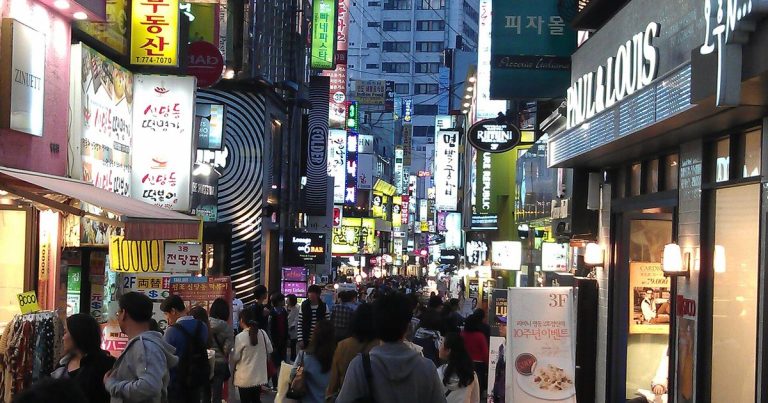
Street vendors in Myeongdong and the underground shopping arcades near major stations (Gangnam, Goto Mall at Express Bus Terminal) sell socks printed with famous paintings, cartoon characters, Korean food and slogans, usually in multi-pair bundles. They weigh nothing, fit every age, and nobody owns too many. Remember that character prints on stall socks are often unlicensed.
Korean stationery
Korean stationery is cute, practical and cheap. Artbox and Kyobo Hottracks have the widest range of pens, planners, stickers and pencil cases. Daiso (다이소, a budget chain selling almost everything) has a surprisingly good stationery floor. Character goods from Kakao Friends and Line Friends are the most recognizable “made in Korea” designs, sold in flagship stores in Gangnam and Hongdae.
What Koreans actually give as gifts
At holidays like Chuseok and Seollal, Koreans give gift sets: boxed fruit, Spam, cooking oil, ginseng and premium seaweed. Supermarkets sell these sets in season, and a box of premium gim makes a very Korean present to bring back. Our Seollal guide explains the gift-giving custom.
Where to shop for souvenirs in Seoul: markets, Daiso and duty free
Each kind of shop does one job best. Match the shop to the item and you save both money and time. For a full neighborhood breakdown, see where to shop in Seoul.
Traditional markets: Namdaemun and Gwangjang
Namdaemun Market is Seoul’s oldest large market and the place for kitchenware, ginseng, gim, socks and souvenirs in bulk. Gwangjang Market is better known for food stalls but has silk and hanbok fabric on its upper floors. Bargaining a little on bulk buys is normal; on single small items, it mostly isn’t.
- Area
- Namdaemun Market, Jung-gu
- Nearest station
- Hoehyeon Station (Line 4)
- Time needed
- 1 to 2 hours
- Before you go
- check opening days and fees on the official page; many stalls close on Sundays
Daiso and supermarkets
Daiso’s big Myeongdong branch spans several floors and sells skincare basics, snacks, stationery and travel gear. Supermarkets beat tourist shops on snacks, ramen, gochujang (고추장, fermented chili paste) and seaweed. Shop there last, so you aren’t carrying heavy bags all day.
Duty free stores
Duty free is for luxury and premium beauty brands, ginseng and alcohol. Seoul has downtown duty free stores (Lotte, Shinsegae, Hyundai) plus airport shops at Incheon. Downtown, you shop days before your flight but collect your goods at the airport after passport control, so bring your passport and flight details.
What not to bring home from Korea: customs and food rules
Korea lets you take almost anything out. The problems happen at your home airport. Every country sets its own limits, and food is where most travelers get stopped.
Meat products and ramen seasoning
Many countries, including the United States, restrict meat products from abroad, and that can include jerky, sausages, canned meat and some dried soup bases. Korean beef jerky gift sets are a common item to have confiscated. Ramen with meat-based seasoning falls in a grey area: declare it and let the officer decide.
Kimchi, sauces and fresh produce
Kimchi, gochujang and other sauces count as liquids, so they go in checked luggage, double-bagged; kimchi keeps fermenting and can leak. Fresh fruit (including the famous Korean pears), vegetables, plants and seeds are banned or restricted in most countries. Australia and New Zealand are especially strict with all food.
Duty-free allowances and declarations
Your home country sets a personal duty-free allowance for goods you bring back, with separate limits for alcohol and tobacco. In the US, check U.S. Customs and Border Protection; in other countries, check your national customs site before you fly. Keep receipts together so you can add up totals quickly.
| Item | Usual status | What to do |
|---|---|---|
| Sealed skincare | Generally fine | Liquids over 100 ml in checked bags |
| Snacks without meat | Generally fine | Declare food |
| Ramen with meat flavoring | Can be refused | Declare; choose seafood or vegetarian flavors |
| Beef jerky, sausage, canned meat | Often prohibited | Don’t pack it |
| Kimchi and sauces | Often allowed, rules vary | Checked bags, sealed, declare |
| Fresh fruit and plants | Usually prohibited | Eat it in Korea |
| Ginseng products | Usually allowed in retail packs | Declare |
For packing those liquids safely, our Korea packing list covers what to bring and what to leave home.
A worked example: one shopping day for a 5-day Seoul trip
Here’s how to cover all nine categories without wasting a day. In the morning, walk Insadong for crafts and stop for tea. Take Line 3 from Anguk to Chungmuro and change to Line 4 for Myeongdong (one stop), or take a 10-minute taxi, then spend the middle of the day on lunch, Olive Young, Daiso and a sock bundle from a stall.
Late afternoon, walk to Namdaemun Market for gim and kitchen items. Finish at a big supermarket for snacks, ramen and sauces, then head straight to your hotel. Do any downtown duty free on a different day, since collection happens at the airport anyway.
Leave half a suitcase empty when you fly in. Most people underestimate how much snack boxes take up.
FAQ
Is skincare cheaper in Korea than abroad?
Often, yes, especially for Korean brands, which skip import markups when you buy them at home. Olive Young also runs frequent in-store promotions. Compare with your local retailer on any product you already use before buying in bulk.
Can I bring Korean ramen into the US?
Instant noodles are commonly brought in, but flavor packets containing meat can be refused. Declare all food on arrival and let the CBP officer decide. Seafood or vegetable flavors are the safer choice.
Can I bring kimchi on a plane?
In the cabin, kimchi counts as a liquid or gel, so containers over 100 ml aren’t allowed. Pack sealed, double-bagged kimchi in checked luggage. Check your home country’s food import rules before you go.
What is a good cheap souvenir from Korea for coworkers?
Sheet masks, snack multipacks, seasoned gim snack packs and novelty socks. They’re light, inexpensive and easy to hand out one each. Buy them at a supermarket, Daiso or Olive Young rather than a tourist gift shop.
Where is the best place to buy souvenirs in Seoul?
It depends on the item. Insadong for crafts, Myeongdong for skincare and socks, Namdaemun Market for bulk goods and ginseng, and supermarkets for food. Duty free is best for premium beauty and ginseng brands.
Do Korean shops speak English?
In Myeongdong, Insadong and duty free, staff often speak some English, and price tags are clear. In markets, a calculator or a translation app does the job. Papago from Naver handles Korean well.
What to plan before your Korea shopping trip
Write your gift list by person before you fly, so you buy with purpose instead of panic-buying at the airport. Look up your home country’s food and allowance rules on its official customs site, and check the official pages of any K-pop store or pop-up you want to visit, since those change fast.
Then book one free afternoon for shopping, carry your passport, and save the supermarket for last. Planning the rest of the trip? Start with the apps to download before you fly.
Related reading

Sources k-korea.blog
Prices, opening hours and availability change. Check the official page before you buy or travel.