13 min read
For korea vs japan travel, pick Korea first if you have 7 days or less, and Japan if you have 2 weeks. Korea is compact. Seoul, Busan and the fast train between them fit into one easy week, while Japan’s best trip (Tokyo, Kyoto, Osaka and beyond) needs more time to cover properly.
Both countries are safe, clean and cheap to get around compared with most of the US and Western Europe. You won’t pick wrong. Below are 8 tests that should settle which one goes first, and how to visit both on a single trip.
Key takeaways
- Korea suits short trips: the KTX high-speed train (Korea’s bullet train) links Seoul and Busan in roughly 2.5 hours, so 2 cities fit easily into 5 to 7 days.
- Japan rewards longer trips: Tokyo, Kyoto and Osaka are 3 very different first stops, and adding the countryside takes another week.
- Download Naver Map or KakaoMap before landing in Korea, because Google Maps won’t give full walking or driving directions there. In Japan, Google Maps works well.
- You can do both in one trip: Busan and Fukuoka are joined by a ferry and short flights, and Seoul to Tokyo is a short flight.
Korea vs Japan travel at a glance: who wins each test
The quick version is in the table. Each row is one of the 8 tests, scored for a first-time visitor flying in from the US. A row with no clear winner means your own taste decides it.
| Test | Korea | Japan | Edge for a first trip |
|---|---|---|---|
| Food | Bold, spicy, shared dishes; Korean BBQ, stews, street food | Refined, regional; sushi, ramen, kaiseki, depachika food halls | Tie (Korea for groups, Japan for solo diners) |
| Cities | Seoul does most of the work, with Busan as a seaside second city | Tokyo, Kyoto and Osaka, each with its own character | Japan for variety |
| Nature | Mountain hikes inside Seoul, Jeju Island, the east coast | Mount Fuji, Hokkaido, the Japanese Alps, Okinawa, hot springs | Japan for range, Korea for easy access |
| Shopping | Skincare and makeup, fast fashion, late-opening shops | Drugstores, anime and electronics, vintage, craft goods | Korea for beauty, Japan for hobbies |
| Nightlife | Late, loud, food-driven; karaoke rooms and street tents | Tiny bars, izakaya pubs, neon districts | Korea if you want to stay out late |
| Language | Hangul is a 24-letter alphabet you can learn in a few hours | 3 scripts (hiragana, katakana, kanji) | Korea |
| Transport | Cheap metro, KTX trains, one card for buses and subways | Huge rail network, shinkansen bullet trains, IC cards | Korea for simplicity, Japan for reach |
| Cost | Similar day-to-day; trains between cities tend to cost less | Similar day-to-day; long-distance rail adds up | Slight edge to Korea |
Which has better food, Korea or Japan?
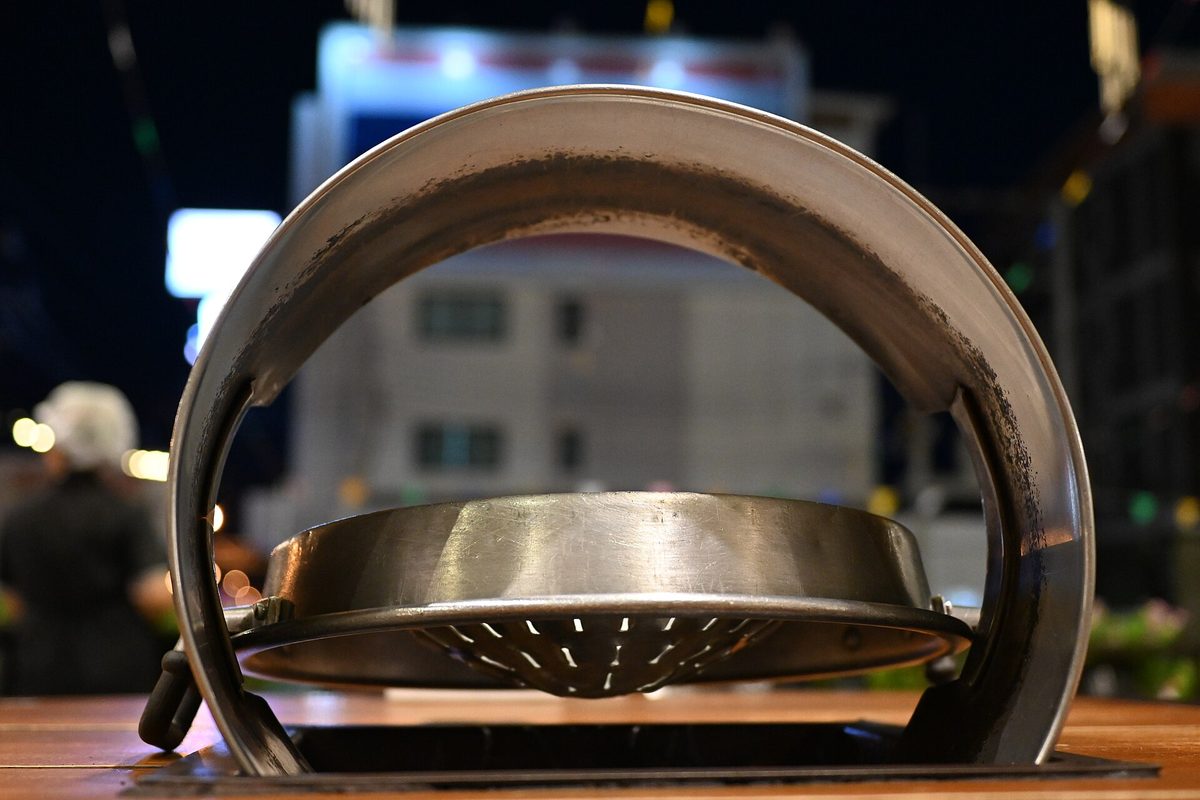
Neither one is better overall. They just eat in different ways. Korean food is made for sharing. You sit around a grill or a bubbling pot, and the table fills with banchan (반찬, the small free side dishes such as kimchi, seasoned greens and pickled radish), usually refilled free. Japanese food is more often plated for one person and built around a single thing done very well, whether that’s a bowl of ramen, a counter of sushi or a tempura set.
What to eat first in Korea
Start with samgyeopsal (삼겹살, grilled pork belly), wrapped in lettuce with garlic and ssamjang (쌈장, a thick dipping paste). After that, have kimchi jjigae (김치찌개, kimchi stew), a bowl of naengmyeon (냉면, chilled buckwheat noodles) and fried chicken with beer, known as chimaek (치맥). Busan adds dwaeji gukbap (돼지국밥, pork and rice soup) and seafood straight off the boats at Jagalchi Market.
Street food is where Korea is strongest. Tteokbokki (떡볶이, chewy rice cakes in a sweet chili sauce), hotteok (호떡, syrup-filled pancakes) and fish cake skewers cost little and are sold everywhere. Our Korean street food guide covers which to try first.
What to eat first in Japan
Japan beats Korea on variety for solo travelers. Ticket-machine ramen shops, conveyor-belt sushi and standing soba bars all welcome one person. Korea is more awkward here: many BBQ restaurants ask for a minimum of two portions.
Japanese convenience stores (konbini) are a meal in themselves, and the food halls in department store basements (depachika) are worth an afternoon. Korean convenience stores such as GS25 and CU are also good. They’re snackier, with instant ramyeon you cook on the spot.
Spice and dietary needs
If you can’t handle chili, Japan is the easier start. Many Korean dishes are spicy by default, though grilled meats, galbitang (갈비탕, beef short rib soup) and bibimbap with the gochujang (고추장, red chili paste) on the side are all mild. Vegetarians struggle a little in both countries, because fish stock (Japan’s dashi, Korea’s anchovy broth) turns up in dishes that look meat-free. Learn the phrase for “no meat or fish” and look up vegetarian restaurants ahead of time.
Seoul vs Tokyo and beyond: which cities suit a first trip?
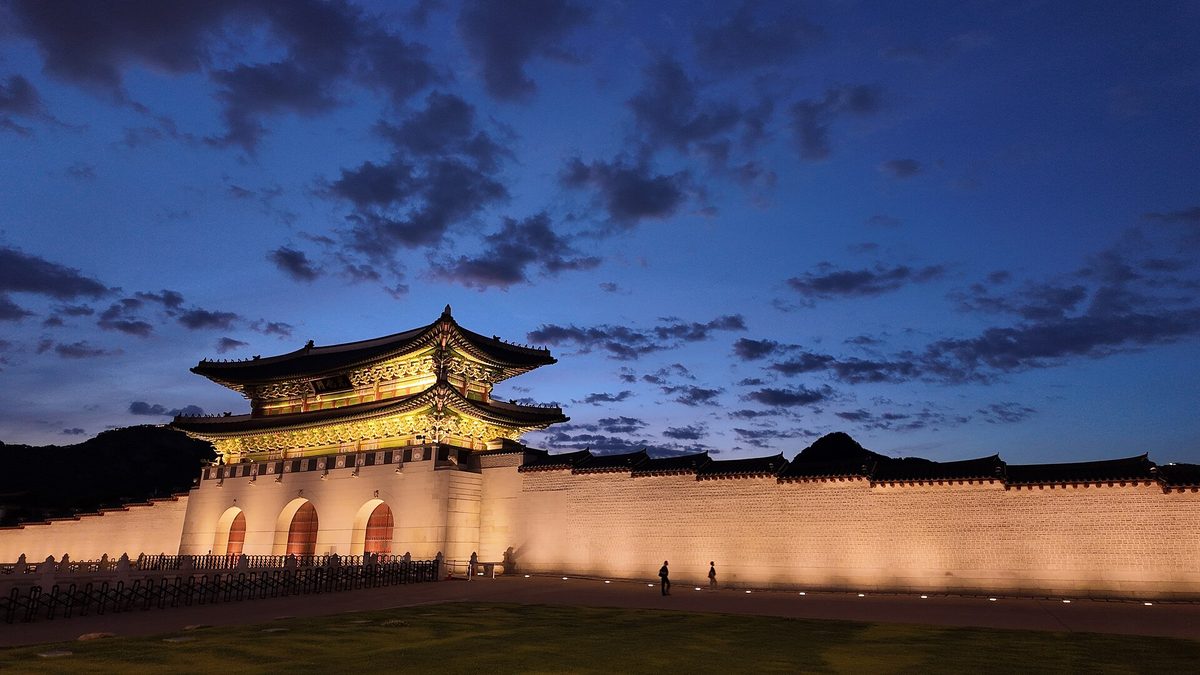
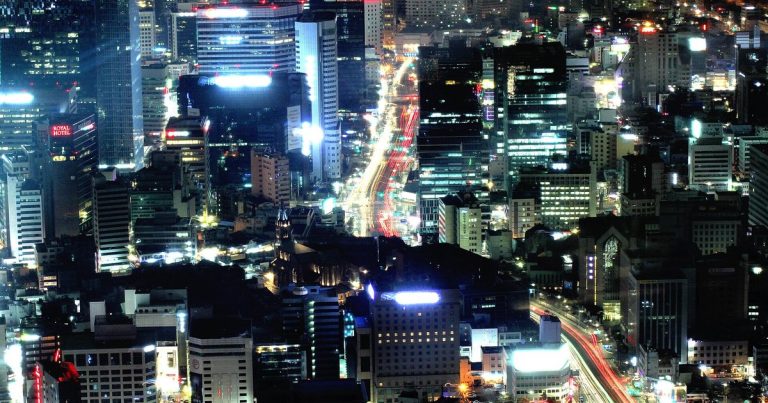
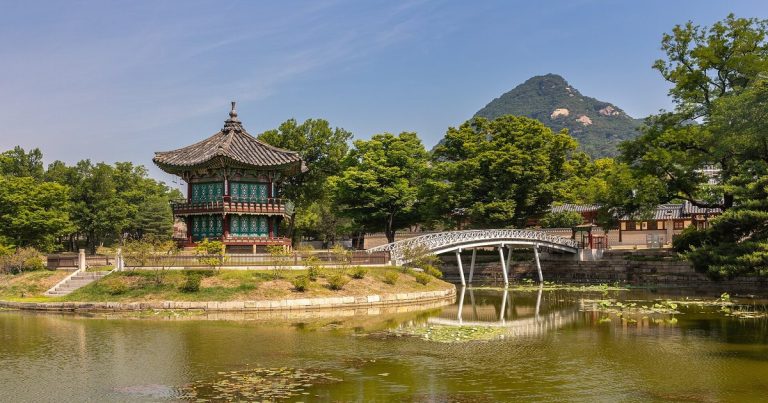
Seoul (서울) is one huge city that mixes neighborhoods with very different moods. Gyeongbokgung (경복궁), the main royal palace, sits a short walk from Bukchon’s traditional hanok (한옥, Korean-style tiled) houses. Hongdae is the student and indie-music area, Gangnam is the polished business-and-beauty district, and Seongsu is full of cafés in old factory buildings. Most first-timers spend 4 or 5 days in Seoul and still leave things out.
Busan (부산), on the southeast coast, is the obvious second stop. It has beaches inside the city, hillside villages and a seafood market. See our Busan travel guide for a 3-day plan. Gyeongju (경주), the old capital of the Silla kingdom, is close by and good for temples and royal tombs.
Japan’s first trip usually covers three cities, and each feels different. Tokyo is vast and orderly. Kyoto has the temples, shrines and old wooden streets most people picture when they think of Japan. Osaka is the loud, casual food city. Korea has no clear match for Kyoto’s concentration of historic sites, and that’s the main reason history lovers tend to choose Japan first.
Nightlife: where the evening goes
Seoul stays up late. Dinner leads to a second round (2차, icha) at another bar, then maybe a noraebang (노래방, a private karaoke room you rent by the hour) and late-night food. Plenty of restaurants, cafés and convenience stores stay open very late, and some never close. Look out for the pojangmacha (포장마차), orange-tented street bars that serve soju (소주, Korea’s clear distilled spirit) and snacks. Itaewon draws an international crowd, and Hongdae has live music and clubs.
Japanese nightlife is smaller and more intimate. Picture an izakaya (a pub that serves small plates), a six-seat bar in Shinjuku’s Golden Gai, or the neon along Osaka’s Dotonbori canal. Japan’s last trains run around midnight, and the night often ends when they do. In Seoul, plenty of people just take a taxi home later.
Nature and day trips: mountains, islands and hot springs
About 70% of Korea is mountains, and you notice it in Seoul. Bukhansan National Park is on the city’s northern edge, and you can reach the trailheads by subway and bus. Seoraksan, on the east coast, is Korea’s best-known autumn-foliage mountain. Jeju Island (제주도), a short domestic flight south, is a volcanic island with Hallasan (Korea’s highest peak), lava tubes and coastal walking trails.
Japan has more kinds of scenery. There’s Mount Fuji, the snow country of Hokkaido, the Japanese Alps, the subtropical beaches of Okinawa, and onsen (hot spring) towns all over the country. Korea’s closest equivalent to an onsen night is the jjimjilbang (찜질방), a 24-hour bathhouse and sauna inside the city. It’s cheaper and more social, but it isn’t a rural hot spring inn.
Best seasons for both
The seasons line up closely. Both countries have cherry blossoms in spring, hot and humid summers with a rainy spell (jangma, 장마, in Korea and tsuyu in Japan), and fall foliage in autumn. Korean winters on the mainland are cold and dry. Japan has stronger ski regions.
Spring and autumn are the safest choices for a first visit to either. Blossom and foliage timing changes every year, so check the forecasts on the Korea Tourism Organization and Japan National Tourism Organization websites closer to your trip.
Shopping in Korea vs Japan: skincare, fashion and tax refunds
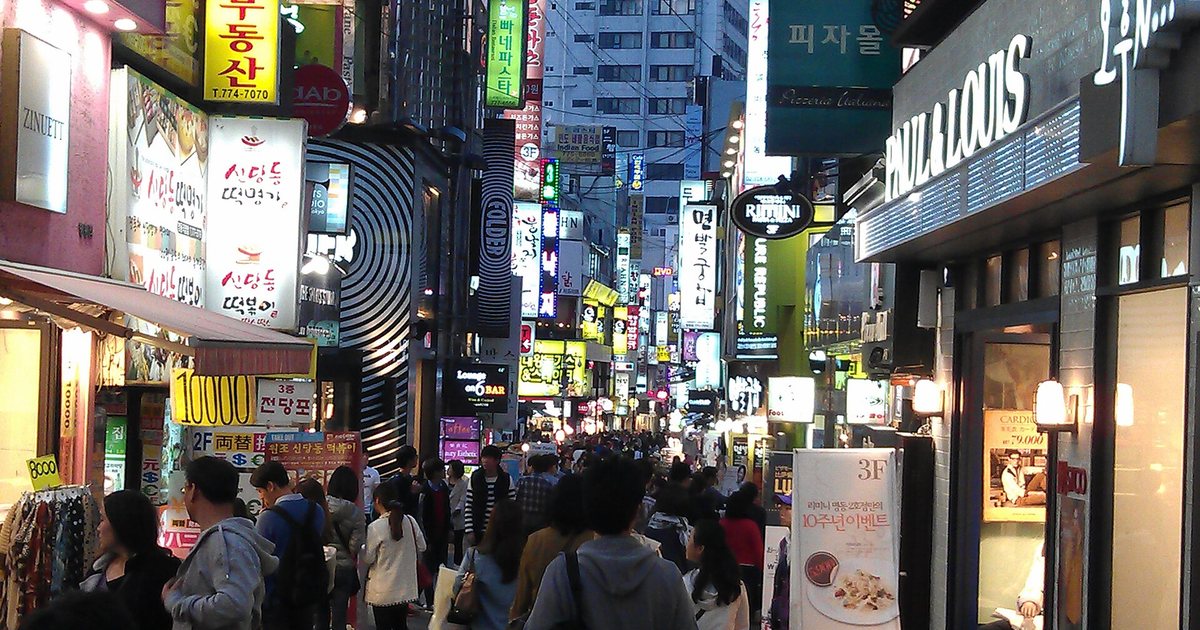
For skincare and makeup, go to Korea. Olive Young (올리브영), Korea’s biggest health-and-beauty chain, has stores in every busy area, with sunscreens, serums, sheet masks and toner pads lined up on open shelves you can test. Myeongdong is the classic tourist shopping street. Seongsu and Hannam have the newer concept stores, and Dongdaemun’s wholesale fashion malls stay open late. Our guide to where to shop in Seoul breaks down 6 areas.
Japan is better for drugstore medicine-cabinet items, anime and game goods in Akihabara and Osaka’s Den Den Town, used luxury and vintage clothing, stationery, knives and ceramics. Don Quijote, the discount chain stacked to the ceiling, is a tourist sight in its own right.
Tax refunds for tourists
Both countries offer tax-free shopping to foreign visitors at participating stores, usually with a passport and a minimum spend per store. The rules (instant discount at the till, refund at the airport, which items count) differ between the two and change over time. Check Korea’s National Tax Service and Japan’s official tax-free information before you plan a big haul.
Is Korea or Japan easier for first-time visitors?
Getting around is easy in both, but they’re easy in different ways. Japan feels more set up for tourists because English signs, apps and staff who expect foreigners are everywhere. Korea is simpler, because the country is smaller, the alphabet takes an afternoon to learn, and one transit card works in nearly every city.
Language: Hangul vs Japanese scripts
Hangul (한글), the Korean alphabet, has 24 basic letters that combine into syllable blocks. Spend a few hours with it on the flight and you can sound out menus and station names, and many of those words turn out to be English (커피 is “keopi,” coffee). Japanese uses 3 scripts at once, and you can’t learn kanji quickly. On the other hand, Japan’s tourist areas have a lot of English signage and picture menus, and the main transit signs in Seoul are in English too.
Maps and apps
This is Korea’s one real trap. Google Maps won’t give full walking or driving directions in South Korea, so travelers use Naver Map or KakaoMap instead. Both have English menus. Kakao T is the main taxi app, and Papago is the translator locals rely on.
In Japan, Google Maps handles almost everything. Our list of the best apps for Korea travel covers the setup.
Transport cards and trains
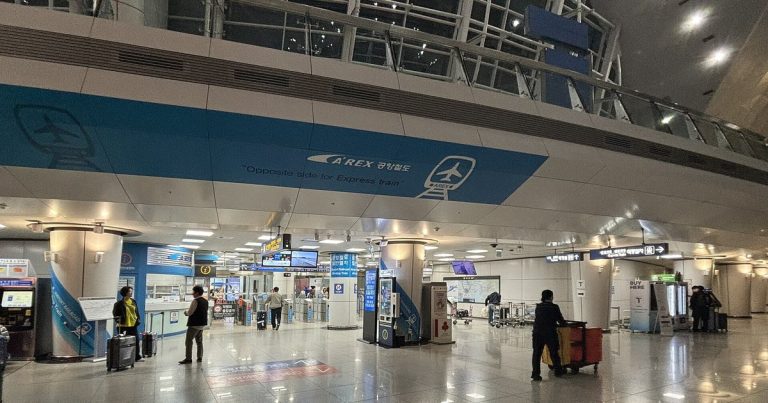
In Korea, a T-money (티머니) card, a rechargeable card sold at convenience stores, pays for subways, buses and many taxis in most cities. The KTX connects Seoul with Busan, Gyeongju (via Singyeongju station) and other cities. Japan’s IC cards, such as Suica and Pasmo, work the same way in cities, and the shinkansen goes almost everywhere. Japan’s long-distance rail is more extensive, but it also has more operators and ticket types to work out. Check current pass options on the official Japan Rail Pass and Korail websites, because pass prices and rules get revised.
Is Korea cheaper than Japan?
Day to day, they cost about the same, and exchange rates matter more than anything else. A strong won makes Korea feel pricier, and a weak yen makes Japan feel cheaper. Before you book, compare live rates for the won and the yen against your currency.
A few patterns hold up regardless:
- City transit is cheap in both, and Seoul’s flat-fare metro with free transfers is very good value.
- Long-distance trains tend to cost less in Korea, partly because the distances are shorter. A Japan trip with several cities makes rail one of the biggest line items in your budget.
- Eating out can be cheap in both. Korean BBQ gets expensive in groups that order lots of meat. Sushi and kaiseki in Japan can cost almost anything.
- Hotels in central Seoul and Tokyo are the biggest expense, especially in peak seasons. KED Global has reported that luxury hotels in Seoul are charging more as tourist numbers rise, so book early if you have specific dates.
- Tipping isn’t expected in either country, which saves US visitors a surprising amount on a long trip.
How to combine Korea and Japan in one trip
Seoul to Tokyo or Osaka is a short flight, and there are frequent routes between both countries’ major airports, including budget carriers. If you want to arrive by sea, the classic route is the ferry between Busan and Fukuoka (Hakata port) on Japan’s Kyushu island. Fast boats and slower overnight ferries have both operated on this crossing, and it’s one of the few international sea routes most travelers can book easily. Check schedules, seasonal suspensions and baggage rules directly with the ferry operators, because they change.
On a combined trip, open-jaw tickets help: fly into Seoul and out of Tokyo (or the other way round) so you don’t have to double back. Have your entry paperwork ready for both countries before you leave home.
A worked example: 12 days, both countries
Days 1-4: Seoul
Palaces and Bukchon on day 1, Hongdae and a noraebang night on day 2, a Bukhansan hike or the DMZ (the demilitarized zone between the two Koreas, visited on guided tours) on day 3, and Seongsu or Myeongdong shopping on day 4.
Days 5-6: Busan
KTX south in the morning. Jagalchi Market, Gamcheon Culture Village and an evening on Gwangalli Beach facing the lit-up bridge.
Day 7: Busan to Fukuoka
Ferry or short flight to Fukuoka. Spend the evening at the yatai (open-air food stalls) for Hakata tonkotsu ramen.
Days 8-9: Osaka and Kyoto
Shinkansen east. One day eating your way through Osaka, one day at Kyoto’s temples, starting early to beat the crowds.
Days 10-12: Tokyo
Shinkansen to Tokyo. Shibuya, Asakusa, a depachika lunch and a final night in Shinjuku before flying home from Tokyo.
This route is tight but realistic. If you only have 7 days, don’t try to squeeze both in. Pick one country and come back for the other.
Who should pick Korea first, and who should pick Japan first
Go to Korea first if you have a week or less, you love bold food and eating in groups, you want skincare shopping, you’re drawn by K-dramas or K-pop, or you like nightlife that runs well past midnight. It’s also the easier starter country if the idea of three writing systems puts you off.
Go to Japan first if you have 10 days or more, temples and traditional architecture are high on your list, you travel solo and want restaurants built for one, you want hot springs or skiing, or you’re a big anime and gaming fan.
If you’re still torn, let your flights decide. Many US travelers find better fares into one of the two hubs, and once you’re there the other country is a short hop away.
FAQ
Is Korea or Japan better for a first trip to Asia?
Both are excellent starter countries: safe, clean and easy to get around by public transport. Korea is easier on a short trip because Seoul and Busan cover most of the highlights. Japan is better for a longer first trip with more varied cities.
Do I need a visa for Korea or Japan as a US citizen?
US citizens can visit both countries visa-free for tourism stays of up to 90 days. Korea has a separate online authorization system called K-ETA, and its requirements for Americans have changed over time. Check the official K-ETA and Visit Japan Web sites before you book.
Can I take a ferry from Korea to Japan?
Yes. The best-known route connects Busan with Fukuoka on Japan’s Kyushu island. Operators, sailing times and fares change, so book directly through the ferry company’s official site.
Is it easy to get around Korea without speaking Korean?
Yes. Seoul’s subway signs and announcements are in English, and Hangul is quick to learn for reading names. Use Naver Map or KakaoMap instead of Google Maps, and Papago for translation.
How many days do I need in Korea vs Japan?
5 to 7 days covers Seoul plus Busan well. For Japan, 10 to 14 days is a comfortable first trip covering Tokyo, Kyoto and Osaka. To do both, plan at least 12 days.
Is Korea safe for tourists compared with Japan?
Both have low street crime and are considered very safe for visitors, including solo travelers. The usual city precautions still apply. Our Korea safety guide covers the real risks and the emergency numbers to save.
What to plan next for your Korea or Japan trip
Settle your dates first, and decide on spring or autumn if you can. Then compare flights into both Seoul and Tokyo and see which gives you better fares and times. If Korea wins, download Naver Map and Papago, sort out data with an eSIM or SIM card, and check the K-ETA rules for your passport. If Japan wins, set up Visit Japan Web and find out whether a rail pass actually saves money on your route. Whichever you choose, leave space to add the other country on your next trip, or on this one by ferry from Busan.
Related reading
Sources k-korea.blog · news.google.com
Prices, opening hours and availability change. Check the official page before you buy or travel.