11 min read
This Korean street fashion style guide breaks Seoul style into 4 looks and 3 districts you can shop by subway. The formula is simple: wide, relaxed shapes, quiet colors and one statement piece, bought from local labels that run from Musinsa Standard basics to designer names like Ader Error. Get the look and the sizing right, and one day on Seoul Subway Line 2 gets you to Seongsu, Hongdae and Dongdaemun.
Key takeaways
- Seongsu is for designer flagships and pop-ups, Hongdae is for cheap trend pieces and vintage, and Dongdaemun is for late-night malls and wholesale markets.
- Women’s Korean sizes use 44, 55, 66 and 77, and 55 is roughly an international small; men’s tops use chest sizes like 95, 100 and 105.
- Shoes are sized in millimeters, so 250 means a 25 cm foot.
- Korean size charts usually measure clothes laid flat, so double the chest figure to get the full circumference.
Korean street fashion style guide: the 4 looks you see in Seoul
Spend a weekend afternoon in Seongsu or Hongdae and you’ll see the same few formulas again and again. Once you can spot them, each one points you to a set of brands and a neighborhood.
The clean “kku-an-kku” minimal look
Koreans have a word for the most common style: kku-an-kku, slang for “dressed up, but looks like you didn’t try.” Think wide-leg slacks or straight jeans, a boxy knit or crisp shirt, a long wool coat, and loafers or clean white sneakers. The colors stay in beige, gray, navy, black and cream. If you copy only one Seoul look, make it this one, because it works at the office, in a café and at a gallery without any changes.
The oversized streetwear look
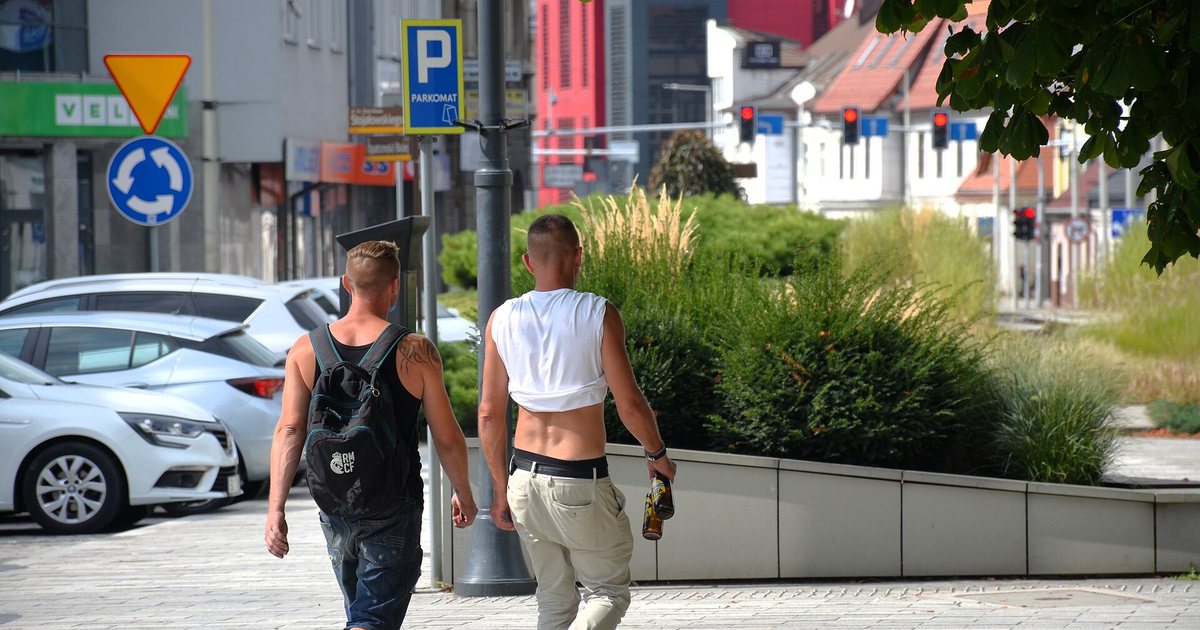
Graphic hoodies, wide denim or cargo pants, a ball cap or beanie, chunky sneakers and a small crossbody bag. This is what Hongdae wears, and what labels like Thisisneverthat, Covernat and Ader Error sell. Size up on purpose: the shoulder seam should fall below your actual shoulder.
The Y2K and “girl crush” look
Cropped cardigans, baby tees, baggy low-slung jeans, mini skirts with chunky boots, hair clips and phone charms. K-pop drives most of it, since idols’ stage and off-duty outfits end up on the street fast. “Girl crush” is the Korean term for a confident, cool style instead of a sweet one, usually in black, leather and denim.
The outdoor and gorpcore look
Hiking is a mainstream hobby in Korea, so technical gear counts as everyday clothing: fleece jackets, windbreakers, trail shoes. Gorpcore (wearing outdoor gear in the city) suits Seoul for that reason. The South China Morning Post reported that a K-hiking trend is peaking as tourists flock to Seoul’s urban mountain trails, so outdoor brands now sit right next to fashion labels. In winter, add the Korean staple that Koreans call “long padding”: a padded coat that reaches the knee or lower.
Why Seoul street style looks so put-together
Fit and proportion count for more than logos. A wide trouser with a shorter top, or a long coat over a slim layer, is the basic rule, and most Seoul outfits follow it. Koreans also dress with the camera in mind. Cafés, pop-up stores and whole streets are designed to be photographed, and outfits are planned to match.
Online shopping makes trends move faster. Musinsa, Korea’s biggest online fashion platform, publishes rankings and street-snap content that can make one jacket the uniform of a whole season. K-drama and K-pop styling do the rest. Couple outfits are a local habit too: coordinated or matching looks for couples are common, and you’ll see them on any weekend date street.
Seoul’s seasons are extreme, so layering is a real skill. Summers are hot and humid and winters are freezing, which is why linen and wide shorts show up in July and knee-length padding by December. Pack for the month you’re traveling, not for a photo you saw from a different season.
Seongsu-dong: where to shop Korean designer brands
Seongsu-dong in eastern Seoul used to be a district of small factories and shoe workshops. Many of those brick buildings now hold brand flagships, concept stores, cafés and short-run pop-ups, which is why people call it Seoul’s Brooklyn. Get off at Seongsu Station on Line 2 and walk the streets on both sides of the elevated tracks.
What to buy in Seongsu
Seongsu is where you find Korean designer and contemporary labels such as Ader Error, Matin Kim, Mardi Mercredi and Andersson Bell, along with Musinsa’s growing set of physical stores. Pop-ups change all the time, from fashion to beauty to K-pop collaborations, so a street you saw online may look different by the time you get there. Check the brand’s Instagram or official site the week you visit.
Seongsu isn’t cheap, and it isn’t trying to be. You pay for designer pieces and the store experience, not for bargains. On a tight budget, use Seongsu to see and try things on, then compare prices on the brand’s own site or on Musinsa.
Hongdae: cheap trend pieces, streetwear and vintage
Hongdae is the area around Hongik University, an art school, and it’s Seoul’s youth district: buskers, indie music venues, clubs and block after block of affordable clothes. Hongik University Station is served by Line 2, the Gyeongui-Jungang Line and AREX (the Airport Railroad), which makes it an easy first stop from Incheon Airport.
What to buy in Hongdae
Hongdae is the place for cheap trend pieces: graphic tees, wide jeans, cropped knits, caps, socks, bags and accessories. Small road-shop boutiques share streets with streetwear stores and big chains. Quality varies a lot, so check the seams and fabric label before you pay.
The neighboring areas of Yeonnam-dong and Hapjeong have a strong vintage scene, good for one-off jackets and worn-in denim. Go in the afternoon and stay into the evening, when the streets fill up. Hours vary by shop, so check each store on Naver Map or Kakao Map (the two Korean map apps, both more accurate in Korea than Google Maps).
Dongdaemun: night markets and wholesale fashion
Dongdaemun is Korea’s fashion wholesale hub, and it’s a big reason Korean online shops can pick up a trend so quickly. Multi-floor buildings are packed with small stalls, and the wholesale side runs through the night, when buyers for shops in Korea and abroad do their sourcing. Dongdaemun Design Plaza (DDP), the curved building designed by Zaha Hadid, stands in the middle and hosts Seoul Fashion Week.
Retail malls versus wholesale buildings
Know which side of the market you’re in. Retail malls such as Doota welcome tourists, sell single pieces and show prices. Wholesale buildings are set up for trade buyers: many stalls sell in bulk, some won’t sell a single item, and cash and bargaining are normal. If a seller waves you away, they’re usually set up for trade orders only.
Tourists matter to this business. According to The Business Times, tourist spending lifted South Korean retail while domestic consumption slowed.
Seongsu vs Hongdae vs Dongdaemun: which area to pick
| Area | Best for | Price level | Nearest station | When to go |
|---|---|---|---|---|
| Seongsu | Designer flagships, concept stores, pop-ups | Mid to high | Seongsu (Line 2) | Weekday afternoons; weekends get crowded |
| Hongdae | Trend pieces, streetwear, vintage, accessories | Low to mid | Hongik University (Line 2, AREX, Gyeongui-Jungang) | Afternoon into evening |
| Dongdaemun | Retail fashion malls, wholesale markets, DDP | Low at retail, bulk at wholesale | Dongdaemun History & Culture Park (Lines 2, 4, 5) | Evening and night; check each building’s hours |
Korean fashion brands foreigners search for
These are the labels that come up most when people abroad ask what to buy in Seoul. For prices and store locations, check each brand’s official site, because both change often.
| Brand | Known for | Look it fits | Tier |
|---|---|---|---|
| Musinsa Standard | Musinsa’s in-house basics: slacks, tees, knits, outerwear | Clean minimal | Budget |
| Ader Error | Oversized, art-influenced streetwear | Oversized streetwear | Designer |
| Thisisneverthat | Graphic sweats, outerwear and caps | Oversized streetwear | Mid |
| Covernat | Logo sweatshirts and casual outerwear | Streetwear, casual | Mid |
| Mardi Mercredi | Sweatshirts and tees with a daisy logo | Y2K, casual | Mid |
| Matin Kim | Women’s contemporary pieces and logo accessories | Y2K, girl crush | Mid |
| Andersson Bell | Contemporary menswear and womenswear with an experimental edge | Minimal to street | Designer |
| Wooyoungmi | Seoul menswear label shown in Paris, known for tailoring | Clean minimal | Luxury |
| Gentle Monster | Eyewear and sunglasses, with art-installation stores | Any | Designer |
| Stand Oil | Minimal handbags | Clean minimal | Mid |
If you’re building a Seoul wardrobe from scratch, buy basics first and one statement piece second. Musinsa Standard slacks and a knit plus one Ader Error or Mardi Mercredi top gets you most of the way to the look.
Korean clothing sizes explained for foreigners
Sizing is where most visitors get burned. Korean labels use several systems, sometimes on the same rack.
Women’s sizes: 44, 55, 66, 77
Women’s clothing often uses 44, 55, 66 and 77. As a rough guide, 55 sits near an international small and 66 near a medium. Many younger brands now print S, M, L or simply 1, 2, 3 instead, so check each brand’s own chart.
Men’s sizes: 90 to 110
Men’s tops are often labeled 90, 95, 100, 105 and 110, a number based on chest circumference in centimeters. Roughly, 95 lines up with a medium, 100 with a large and 105 with an extra large. If you’re broad-shouldered or tall, Korean sleeves and body lengths can run short, so try before you buy.
Shoes in millimeters and the “free size” trap
Shoes are sized by foot length in millimeters: 230 means a 23 cm foot, 270 means 27 cm. Measure your foot in centimeters at home and you’ll never need a conversion chart. “Free size” means one size, usually cut for a smaller frame, and often fits someone from XS to M. Treat it as a size, not a promise.
How to buy Korean street fashion from abroad
You don’t need a flight to shop Seoul. Musinsa runs an English-language global store, and many Korean brands sell through their own international sites or global platforms such as W Concept. Check which items ship to your country before you fall for them, since not every product is available abroad.
For stores that ship only inside Korea, a package-forwarding service will give you a Korean address and send the parcel on. Factor in shipping and your own country’s import duties, which depend on where you live. For quick price conversions, check the current dollar-to-won rate with your bank or a currency converter on the day you buy, since it moves daily.
In Seoul, carry your passport: shops with a Tax Free sign can process tax refunds for foreign visitors. The same rules come up in our guide on what to buy at Olive Young and how tax refunds work, useful since Olive Young branches sit in every shopping district on this list.
Common mistakes when shopping fashion in Seoul
- Buying your usual size in free size. Check the measurements first, especially shoulders and sleeve length.
- Reading flat measurements as circumference. A 50 cm chest on a Korean chart is a 100 cm garment.
- Expecting easy returns at stalls. Exchanges and refunds at market stalls and small shops are limited, so ask before paying and keep the receipt.
- Going to wholesale buildings at midday for retail. Head to the retail malls by day and save the wholesale floors for night, when they’re actually trading.
- Leaving no suitcase space. Bulky padding and knits fill a bag fast; pack light or bring a foldable duffel.
- Dressing for the wrong season. Seoul winters are cold enough that a fashion coat alone won’t cut it. Locals layer a thin down vest or heat-tech underneath.
FAQ
What is Korean street fashion style called?
There’s no single name, but the most common everyday style is “kku-an-kku,” slang for looking effortlessly dressed. Other looks you’ll hear about are oversized streetwear, Y2K, “girl crush” and gorpcore. Most outfits mix a relaxed silhouette with neutral colors.
Where is the best place to shop for clothes in Seoul?
Seongsu for Korean designer brands and pop-ups, Hongdae for affordable trend pieces and vintage, and Dongdaemun for retail malls and late-night wholesale markets. All three are on Seoul Subway Line 2. Pick by budget: Hongdae and Dongdaemun retail are cheapest, Seongsu is the priciest.
Is clothing cheap in Seoul?
Trend pieces in Hongdae and Dongdaemun retail malls are usually affordable, and basics from labels like Musinsa Standard are budget-friendly. Designer labels in Seongsu cost about what you’d expect for designer clothing. Check current prices on brand sites, and claim your tax refund with a passport where stores offer it.
What size am I in Korean clothing?
For women, 55 is roughly a small and 66 roughly a medium. For men, 95 is roughly a medium, 100 a large and 105 an extra large, based on chest size in centimeters. Shoes are your foot length in millimeters. Always check the brand’s own chart, since fits differ.
Can you try on clothes in Korean shops?
In brand stores, department stores and chain shops, yes, and you’ll often be handed a face cover so makeup doesn’t mark the clothes. Many market stalls and small road shops don’t allow trying on tops. Ask first, or bring a measured garment for comparison.
What should I wear in Seoul to fit in?
Wide trousers or straight jeans, a neutral knit or shirt, clean sneakers or loafers, and a long coat in cooler months. Keep logos small and colors muted. In winter, a knee-length padded coat is what most locals wear.
How to plan a one-day Seoul fashion route
Here’s a worked example that uses only Line 2. Start in Hongdae around midday for cheap trend pieces and vintage in Yeonnam-dong. Ride Line 2 east to Seongsu in the afternoon to try designer labels and catch whatever pop-ups are open that week. Finish with a short hop to Dongdaemun History & Culture Park in the evening for DDP and the fashion malls.
Build in breaks. A convenience store stop is the fastest refuel between districts, and our list of Korean convenience store food to try tells you what to grab. If you’d rather sit down, Dongdaemun and Seongsu both have plenty of grill restaurants, and our guide on how to eat Korean BBQ covers the table rules.
Next, look up Seoul Fashion Week, held twice a year at DDP, on its official site if you want your trip to coincide with it, since the area’s street style is at its most photographed that week. Before you go, follow your favorite brands’ official Instagram accounts for pop-up announcements, and measure two garments you love so Korean size charts make sense on the spot.
Related reading
Sources news.google.com · k-korea.blog
Prices, opening hours and availability change. Check the official page before you buy or travel.