12 min read
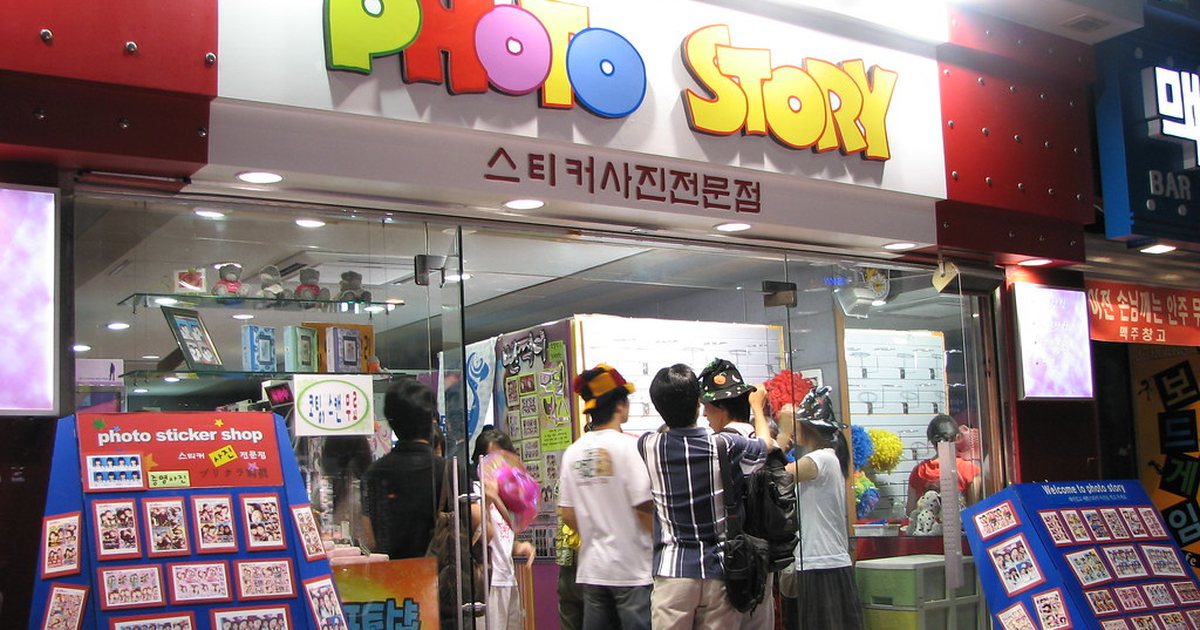
A Korean photo booth prints a strip of 4 shots on the spot, and you run the whole thing yourself. Pick a frame, pay at the kiosk, grab free props, pose for a countdown, then scan a QR code to save the digital files before you leave.
Koreans call these strips insaeng-necut (인생네컷), “life four cuts”, after the brand that made them mainstream, and they’re on almost every busy street in Seoul. For anything more polished, such as a job profile, a couple shoot or a portrait in hanbok, Korea has a second tier of booked photo studios, covered below.
Key takeaways
- Every Korean photo booth brand runs the same 6-step kiosk flow: frame, print count, pay, shoot, select and edit, print.
- Scan the QR code before you walk out, because the download page for your files and clip is usually kept only for a limited time.
- Life4Cuts, Photoism, Harufilm and Photo Signature differ in look and frames, but a clean branch with good light matters more than the name.
- Booths are walk-in; self photo studios, profile studios and hanbok studios need booking, usually through Naver booking, Instagram or KakaoTalk.
What is a Korean photo booth, and why do Koreans love them?
A Korean photo booth is a small curtained room with a ring light, a camera, a touchscreen and a printer. Most shops are unstaffed: you walk in, use the kiosk and leave, so it feels more like a convenience store than a photo studio. The generic name is ne-cut sajin (네컷사진), “four-cut photo”, and the big chains include Life4Cuts (인생네컷), Photoism (포토이즘), Harufilm (하루필름) and Photo Signature (포토시그니처).
Japan had purikura booths and the West had strip booths long before, so why did the format take over Korea? The light is flattering by design, with bright, even lighting and filters that soften skin without the cartoon eyes of old sticker booths. The print is physical, which matters in a country where nearly everything else lives in a phone. And it fits how Koreans socialize: you go to dinner, then a café, then a photo booth, the same way an older generation went to a noraebang (노래방, karaoke room) after drinks.
What Koreans actually do with the strips
Walk through any Seoul subway car and you’ll see them tucked behind clear phone cases. Students stick them in diaries, couples mark anniversaries with them, and friends take one every time they meet so the strips become a running record. K-pop fans chase limited-edition frames printed with their favorite idols, and those collaborations come and go, so check the brand’s official Instagram for current ones.
How to use a Korean photo booth in 6 steps
The kiosks look busy, but every brand follows the same flow. Some screens offer an English option (look for a language button on the first screen), and if yours doesn’t, the button table below the steps translates what you’ll see.
- Choose a frame. Pick the layout (the classic 4-cut vertical strip, or a larger single or 2×2 sheet) and the frame design, from plain white or black to seasonal and character frames.
- Choose how many prints. Prints usually come in pairs because a sheet is cut into two strips. Groups of four often order extra so everyone leaves with one.
- Pay. The price per session is shown on the screen and varies by brand, frame and print count. Most kiosks take cards, and many also take cash or Korean mobile payments.
- Shoot. Step into the booth and a timer starts. You’ll get a countdown for each shot and usually more shots than frames, so you can pick the best ones later.
- Select and edit. Choose which shots fill your 4 frames, then pick a filter (color, black and white, warm film tones). Some brands let you add stickers or text here.
- Print and save. The prints drop out of a slot outside. Look for the QR code printed on the strip or shown on screen, and scan it right away to download the files.
Korean photo booth kiosk buttons in English
| English | Korean | Romanization | When to use it |
|---|---|---|---|
| Pay | 결제 | gyeolje | Step 3, after you pick the frame and print count |
| Shoot | 촬영 | chwaryeong | Step 4, starts the countdown in the booth |
| Select photos | 사진 선택 | sajin seontaek | Step 5, choose which shots fill your 4 frames |
| Filter | 필터 | pilteo | Step 5, pick color, black and white or film tones |
| 출력 | chullyeok | Step 6, sends your strip to the printer | |
| QR download | QR 다운로드 | QR daunlodeu | Step 6, shows the code for your digital files |
How long does a session take?
The shooting part runs on a timer and goes fast, so plan your poses before you pay. With frame choice, props and printing, a relaxed session for two people fits comfortably inside a coffee break. On weekend evenings in busy areas, the wait in line is usually longer than the shoot itself.
Life4Cuts, Photoism or Harufilm: which Korean photo booth brand to pick
Honestly, the brand matters less than the branch. A clean booth with good light and a working printer beats a famous name with a broken ring light. Still, each chain has a look Koreans associate with it, and locals do have favorites.
| Brand | Korean name | Commonly known for | Pick it if |
|---|---|---|---|
| Life4Cuts | 인생네컷 | The original “four cuts” look and the name everyone uses | You want the classic strip you’ve seen on social media |
| Photoism | 포토이즘 | Clean, bright tones and frequent celebrity and character frames | You’re a K-pop fan hunting a collaboration frame |
| Harufilm | 하루필름 | Softer, warmer tones that read like film | You prefer a moody, less glossy look |
| Photo Signature | 포토시그니처 | Studio-style lighting and sharp portraits | You want a strip that looks closer to a real portrait |
Frames, filters and collaborations change constantly, so the brand’s official site or Instagram is the place to check what’s running now. If you see a long line outside one shop and none outside the next, Koreans are probably queuing for a limited frame.
Black-and-white and high-angle booths
Some shops add specialty booths: monochrome-only rooms that give a vintage portrait feel, and high-angle booths where the camera shoots down from above, which suits groups and full-body shots. If a shop has both, take your classic strip first, then try the odd one.
Props, frames and poses Koreans use in photo booths
The prop wall is part of the experience. Most shops keep free props on hooks near the entrance: animal-ear headbands, ribbon clips, oversized sunglasses, hats, wigs and seasonal pieces at Christmas or graduation time. Many also have a mirror corner with a hair straightener or curling iron, combs and sometimes hairspray, so people fix their bangs before the camera rolls.
Use the props for one or two frames, not all four. The strip that ages best is usually one clean shot, one silly one, one close-up and one with props.
Poses that look natural on a 4-cut strip
- Finger heart: thumb and index finger crossed into a tiny heart, the most Korean pose there is.
- Cheek heart and V sign: classic, and easy for people who freeze on camera.
- Heads together: lean in close; the frame is narrower than you think.
- Back-to-back or looking away: a candid shot breaks up four smiling faces.
- One prop shot: matching headbands for friends, or one hat passed between two people.
Plan the four poses before the countdown starts. Groups that decide in advance get far better strips than groups that negotiate mid-session.
Where to find a Korean photo booth in Seoul
You don’t need to hunt. Photo booths cluster wherever young Koreans eat, shop and go out, often several brands on the same block. Search the brand name in Naver Map or Kakao Map (Korea’s main map apps, which work better than Google Maps here) to see the nearest branches.
| Area | Best for | Why go |
|---|---|---|
| Hongdae (홍대) | Variety | A university and nightlife district packed with booths, so it’s easy to compare brands in one evening |
| Seongsu (성수) | Pop-ups and trendy frames | Café and pop-up store district where limited frames and themed booths show up often |
| Myeongdong (명동) | Tourists on a tight schedule | Central shopping area, easy to fit between skincare stops |
| Gangnam (강남) | After-work visits | Busy office and shopping area with booths near the station exits |
| Ikseon-dong (익선동) | Pairing with hanok streets | Narrow hanok (traditional house) alleys with cafés and booths close together |
All of these are easy by subway. Our Seoul subway guide covers T-money cards and the apps that tell you which exit to use.
Korean photo studios for profile photos and ID photos
A photo booth is fun. A profile photo is a booking. Korea has a strong culture of the profile photo (프로필 사진), a polished portrait used on resumes, social media, business cards and dating apps, and of the jeungmyeong sajin (증명사진), the ID-style photo for documents and job applications.
Korean studios are known for careful lighting and retouching (bojeong, 보정): skin evened out, stray hairs removed, posture straightened. Some studios built a reputation on colored-background portraits, where you choose a backdrop shade that suits your skin tone. That fits neatly with personal color analysis, which many visitors book on the same trip.
How booking a profile studio works
- Find the studio on Naver Map or Instagram and look at its portfolio for the style you want.
- Book a time slot through Naver booking (네이버 예약), the studio’s Instagram or its KakaoTalk channel. Popular studios fill up, so book before you fly.
- Check what the package includes: number of outfits, edited photos, prints and whether hair and makeup are offered.
- On the day, you’ll shoot, then usually pick your favorite frames on a monitor for editing.
- Edited files arrive by email or messenger, often after a few days, so ask about timing if you’re leaving Korea soon.
Can I use a Korean ID photo for my passport?
Be careful here. Heavy retouching can make a photo fail your own country’s passport or visa rules, which usually require an unedited, true likeness. Tell the studio which country the photo is for and ask for minimal or no retouching, then check the photo requirements on your government’s official passport page.
Self photo studios for couple and friend shoots
Between the 4-cut booth and the full studio sits the self photo studio (셀프사진관). You book a private room for a set time, a camera is fixed on a tripod, and you trigger it yourself with a remote or a button while watching a monitor. No photographer, no stranger watching you pose.
This is what Koreans book for anniversaries, friendship photos (우정사진, ujeong sajin) and family shots. Couples bring matching outfits; friend groups bring props. Many studios offer a few backdrops, from plain gray to colored paper, and some have full-length mirrors and a makeup corner.
Photo booth, self studio or full studio?
| Option | Best for | Booking | What you leave with |
|---|---|---|---|
| Photo booth (네컷사진) | Quick, fun memory with friends | Walk in | Printed strips plus QR download |
| Self photo studio (셀프사진관) | Couples, friends, family, more control | Usually booked online | Your chosen shots as files, often with prints |
| Profile studio (프로필 사진) | Resume, social media, a polished portrait | Book ahead | Professionally edited files |
| Hanbok photo studio (한복 사진) | A portrait in traditional dress | Book ahead | Edited files, sometimes prints |
If you’re two people with one free afternoon, a self studio is the sweet spot. It costs you more planning than a booth, but you get full-length, higher-resolution photos without paying for a photographer’s time.
Hanbok photo shoots: rental, palace walk or studio
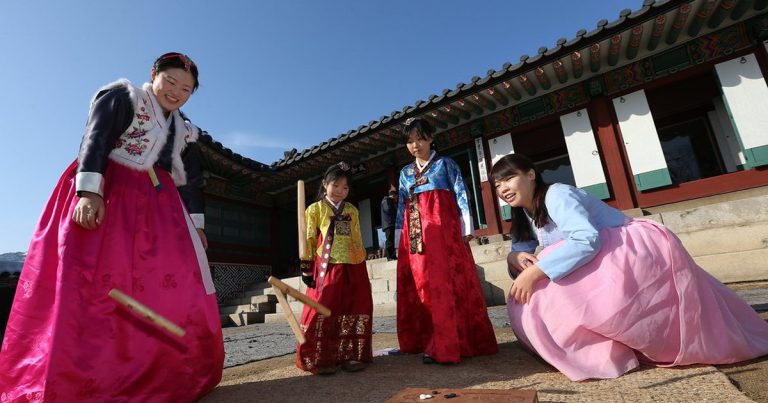
Hanbok (한복) is Korea’s traditional dress: a short jacket called jeogori and, for women, a full wrap skirt called chima. Visitors photograph it in three ways, and each gives a different result.
Rent a hanbok and walk around a palace
Rental shops cluster around Gyeongbokgung Palace (경복궁) and the hanok alleys of Bukchon (북촌), and you’ll also find them in Jeonju Hanok Village. You pick a hanbok and accessories, wear it for the rental period and take your own photos at the palace gates and courtyards. Seoul’s royal palaces have long let visitors in hanbok enter free; check the current rules and closing days on the official palace website before you go.
Book a hanbok snap photographer
A “snap” (스냅) is an outdoor shoot with a hired photographer who walks you around the palace or hanok streets. Koreans book snaps for proposals, anniversaries and pre-wedding photos. Many rental shops partner with photographers, or you can find them on Instagram.
Shoot in a hanbok studio
Studios offer controlled light, styled hair and traditional backdrops, which is the better choice in rain, summer heat or deep winter. See our Korea weather by month guide before picking an outdoor date: spring and autumn are the easy seasons for palace photos.
Common photo booth mistakes foreigners make
Most problems are small and easy to avoid. These are the ones that cost people the photos they wanted.
- Skipping the QR code. The download is the only way to get the clean digital file and, at many brands, the time-lapse clip.
- Too many people in one strip. A 4-cut frame is narrow. Past four or five people, faces get cut; use a group or high-angle booth.
- Taking props home. They’re shared. Hang them back where you found them.
- Leaving prints behind. Strips drop outside the booth, and in a busy shop they can end up in someone else’s hand.
- Wearing white against a white backdrop. Pick a contrasting top or switch to a colored frame.
FAQ
How do I see the price of a Korean photo booth before paying?
Each session has a set price shown on the kiosk screen before you pay, and it changes with the brand, the frame size and how many prints you order. Look for it after you pick your frame and print count, on the screen with the 결제 (gyeolje, pay) button. The brand’s official site is the other place to check current prices.
Can foreigners pay with a foreign card?
Most kiosks accept card payments, and many also take cash. Foreign cards work at many booths but not every machine, so carry some Korean won in small notes as a backup. Payment options are shown on the kiosk’s first screens.
Do I need to book a Korean photo booth?
No. Photo booths are walk-in, and many shops are unstaffed. You only need to book self photo studios, profile studios and hanbok studios, usually through Naver booking, Instagram or KakaoTalk.
Is Life4Cuts the same as a Korean photo booth?
Life4Cuts (인생네컷) is one brand, but Koreans often use its name for any four-cut strip, the way people say “Xerox” for a photocopy. Photoism, Harufilm, Photo Signature and others work the same way with different looks and frames.
Are there Korean photo booths outside Korea?
Several Korean brands have opened branches abroad as the trend spread. Locations change, so check each brand’s official site or Instagram for stores near you before you plan around one.
How many people can fit in one booth?
A standard booth suits one to four people comfortably. Larger groups should look for a shop with a wide or high-angle booth, or order the larger frame layout so nobody gets cropped.
What to plan next: your Korean photo booth checklist
If you have one evening, do what Koreans do: dinner, café, then a photo booth in Hongdae or Seongsu, with two strips so everyone keeps one. If you have a free afternoon with a partner or friends, book a self photo studio for full-length shots. And if you want one portrait that lasts, reserve a profile or hanbok studio before your flight, tell them how the photo will be used, and leave a few days for the edited files.
For K-pop fans, watch the brands’ Instagram accounts for idol collaboration frames before your trip; our K-pop guide for beginners explains comebacks and fan culture if you’re new to it. Then plan four poses, put the strip behind your phone case, and you’ll fit right in on the Seoul subway.
Related reading

Sources k-korea.blog
Prices, opening hours and availability change. Check the official page before you buy or travel.