13 min read
Can you visit North Korea? Yes, but only on a guided tour, usually with 2 state guides at your side. You can’t travel independently, you can’t pick where you sleep or who you talk to, and some passports, most notably American ones, are barred unless their government grants a special exception.
That makes a trip to North Korea (북한, officially the Democratic People’s Republic of Korea, or DPRK) unlike travel almost anywhere else. Before you look at a single itinerary, read your own government’s travel advice. It decides whether you should go, and whether anyone can help you if something goes wrong.
Key takeaways
- Every tourist visit runs through a state-controlled North Korean travel agency, booked via a specialist foreign tour operator. There is no backpacker option.
- Since 2017 the United States has barred travel on US passports to North Korea unless the State Department issues a special validation, and South Korean citizens need their own government’s approval.
- Photographing soldiers, military sites or construction, wandering off alone and damaging images of the leaders are the fastest ways to get into serious trouble.
- North Korea shut its borders in early 2020 during the COVID-19 pandemic, and tourist access since then has been partial and has changed with little notice, so check current status with operators and official advice.
Can you visit North Korea as a tourist?
You can, but the state controls every part of the trip. Foreign tourists go through one of North Korea’s government travel agencies, which assign the guides, the hotel, the vehicle and the daily programme. Abroad, most people book through a small number of specialist operators, many historically based in Beijing or elsewhere in China, which act as the go-between and handle the visa application.
Think of it as a supervised visit, not a holiday in the usual sense. Your group typically has two Korean guides, often a lead guide and a second who also keeps an eye on the first, plus a driver. You go where the programme says, eat where the guides take you, and return to the hotel at night. Leaving the hotel alone, even for a walk around the block, is generally not allowed.
Is it legal to go to North Korea?
For most nationalities, North Korea’s side of the law allows tourism if you have a visa issued through an approved agency. Whether your own country allows it is a separate question. A few governments restrict or forbid it, and most strongly discourage it. Legal in your home country does not mean safe, and the two questions deserve separate answers.
Why does North Korea allow tourists at all?
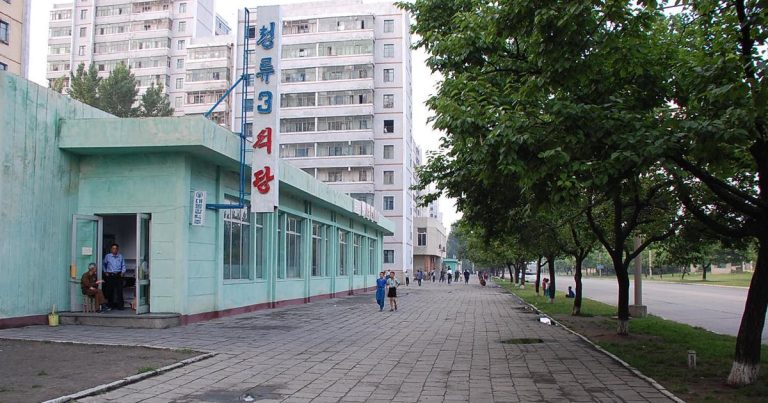
Tourism brings in foreign currency, which a heavily sanctioned country needs, and it lets the state show visitors a carefully presented picture of the country. Both reasons shape what you see. Expect monuments, model schools, museums and showpiece facilities, not ordinary neighbourhoods. If you want the other side of the picture, our explainer on North Korea daily life covers markets, work units and the class system that tours don’t show.
Who can visit North Korea? Nationality rules explained
Your passport matters more here than almost anywhere. The rules below are general and long-established, but they can change, so confirm them with your foreign ministry before you plan anything.
Can Americans visit North Korea?
Not on a normal tourist trip. Since September 2017 the US State Department has declared US passports invalid for travel to, in or through North Korea unless the department grants a special validation, which is given only in limited cases such as certain journalism or humanitarian work. The restriction followed the death of American student Otto Warmbier after his detention there. It has been renewed over the years; check the current status on the State Department’s travel site.
Can South Koreans visit North Korea?
South Korean citizens can’t simply join a tour. Under South Korean law, contact with and travel to the North require government approval, generally processed through the Ministry of Unification. Inter-Korean tourism projects, such as the Mount Kumgang (금강산) tours run in the past, have been suspended for years. For most South Koreans, the closest they get is the border, which is why the DMZ tour from Seoul exists.
What about Europeans, Australians, Canadians and others?
Before the 2020 border closure, citizens of most European countries, Australia, Canada, New Zealand and many Asian countries could join tours, and Chinese visitors made up the large majority of tourists. Holding a permitted passport doesn’t oblige North Korea to issue you a visa, though. Journalists, people in certain professions and anyone the authorities view as a risk can be refused, often without explanation. If you work in media, say so to your operator up front; turning up as a tourist while working as a reporter is the kind of misstep that causes problems.
How a North Korea tour works, step by step
The process has looked broadly the same for years, though details depend on the operator and on which borders are open at the time.
- Choose a specialist operator. Only a handful of foreign companies run trips. Look for a long track record, clear written rules and a named emergency contact.
- Submit your details. The operator sends your passport scan, job and personal information to the North Korean agency for approval.
- Receive the tourist card. North Korean visas for tourists are usually issued as a separate paper card rather than a stamp in your passport, so many visitors come home with no North Korean stamp.
- Fly or ride in from China. Tours historically started in Beijing or the border city of Dandong, by Air Koryo flight (the national carrier) or by train into Pyongyang.
- Hand over to your guides. From arrival, the Korean guides run the programme until you leave the country.
- Exit the same way. Bags can be checked on entry and exit, including photos on cameras and phones.
Costs, departure dates and available routes change, and none of them are worth guessing at. Get current details in writing from the operator and compare them with your government’s advice.
Which ways in show you what?
Not every way of “seeing” North Korea means crossing into it. Here is how the main options compare.
| Option | Where you are | What you actually see | What to check first |
|---|---|---|---|
| Guided tour to Pyongyang and beyond | Inside North Korea | Monuments, museums, the metro, set-piece sites, sometimes the northern side of Panmunjom | Your passport rules, your government’s advice, whether tourism is currently open |
| Rason special economic zone trips | Inside, in the far northeast near China and Russia | A port and trade zone with a slightly different entry regime | Whether the zone is accepting tourists at all; access has opened and stopped |
| DMZ tour from Seoul | South Korea | The border, observatories looking north, and the Joint Security Area when it is open | Passport needed on the day, the JSA status on official channels |
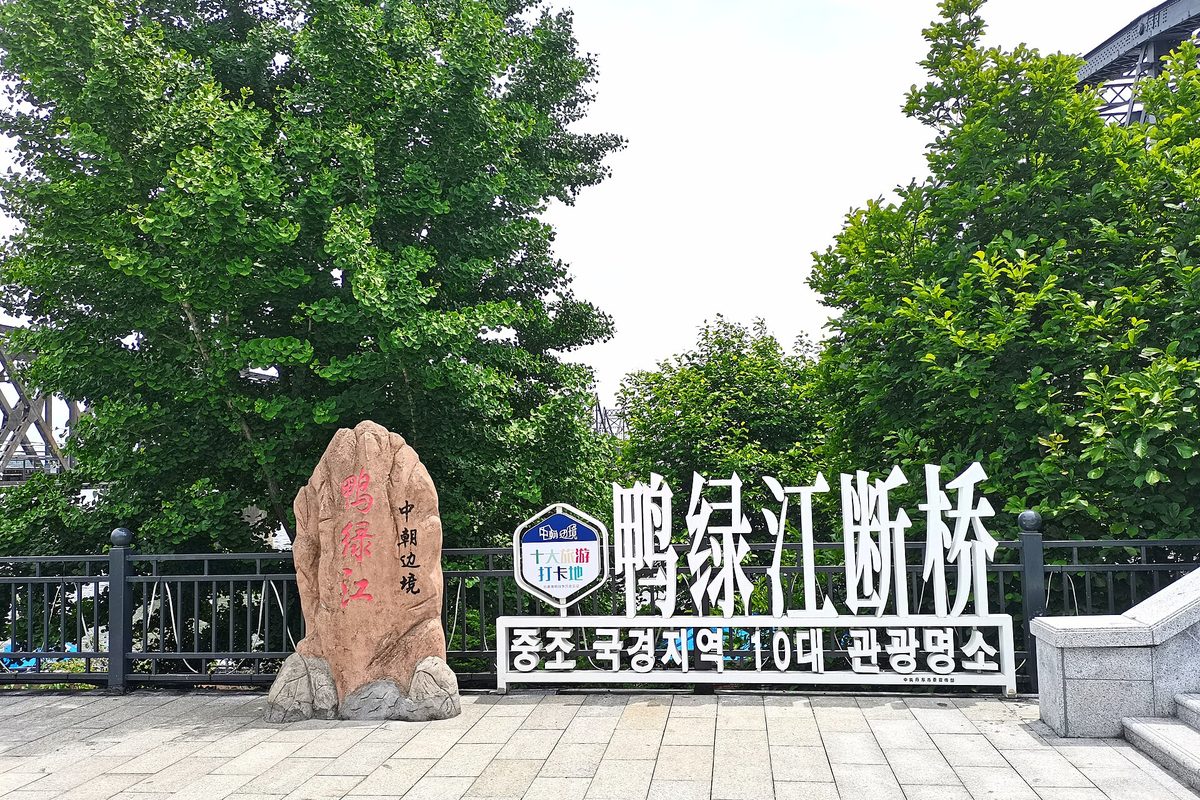
| Dandong riverfront, China | China | The Yalu River, the bridges to Sinuiju and North Korean territory across the water | Chinese visa rules for your nationality |
What do tourists see in North Korea?
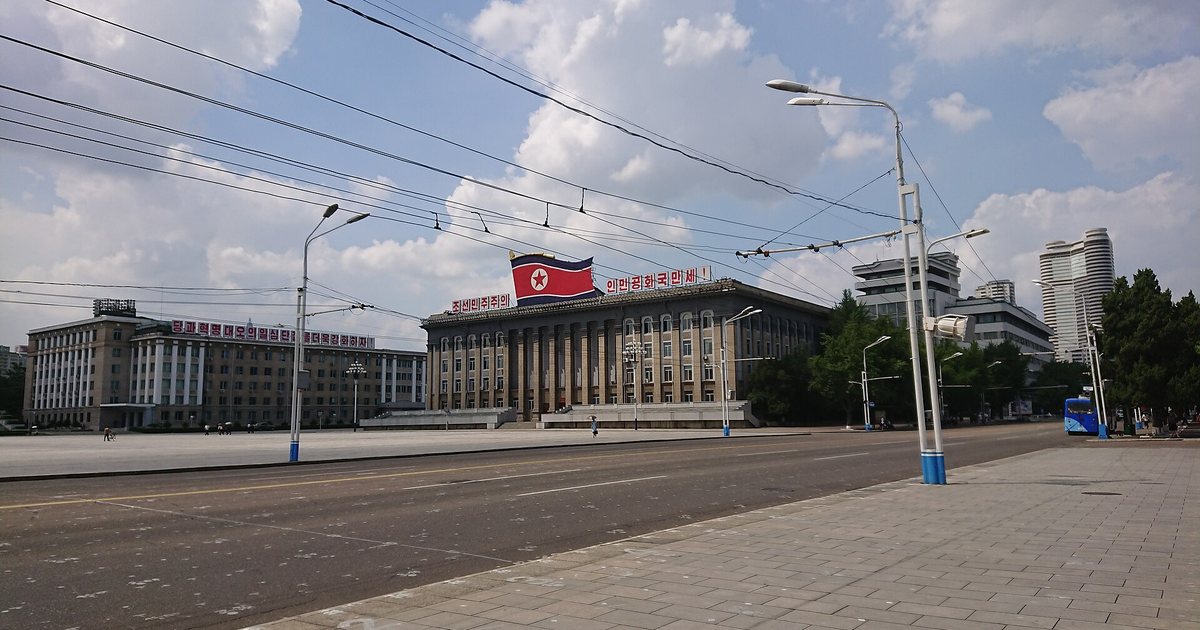
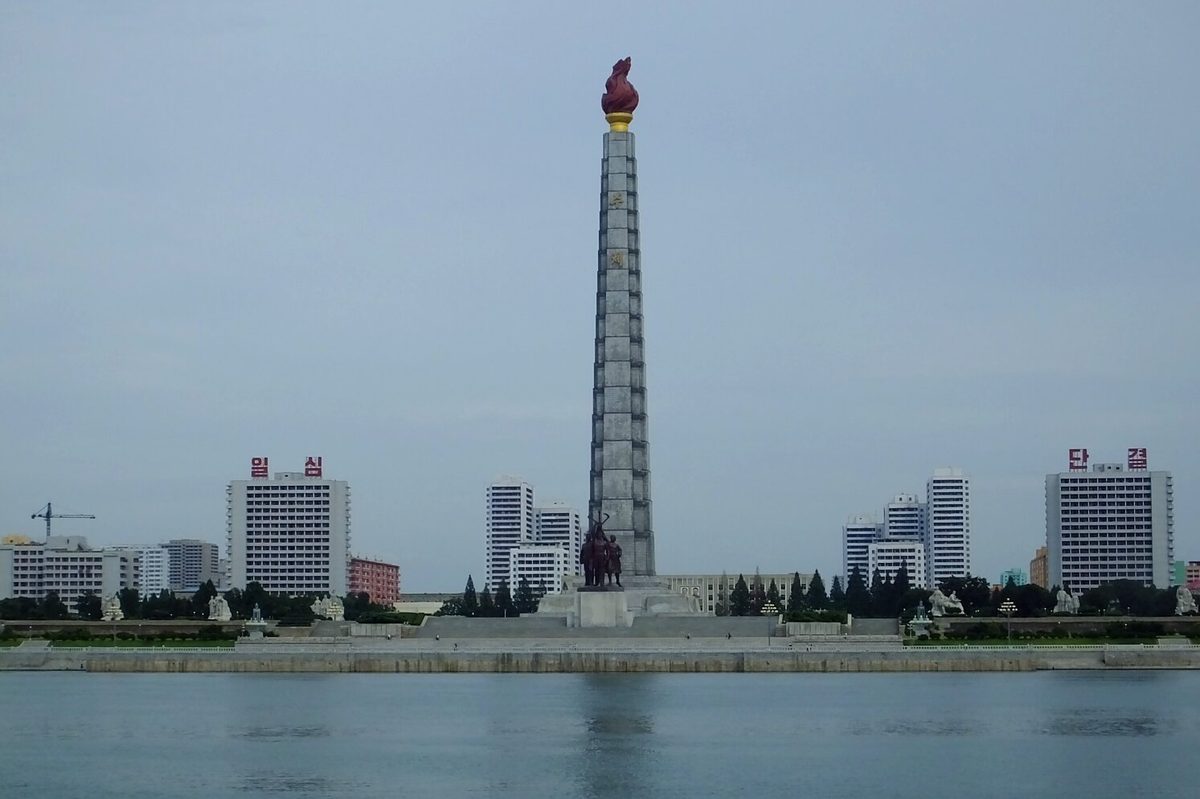
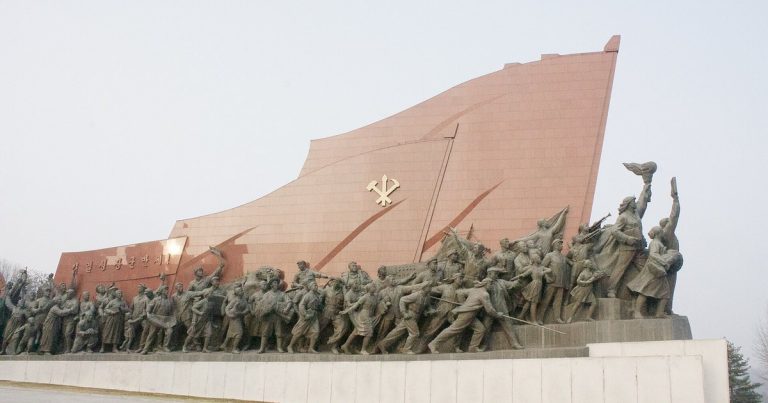
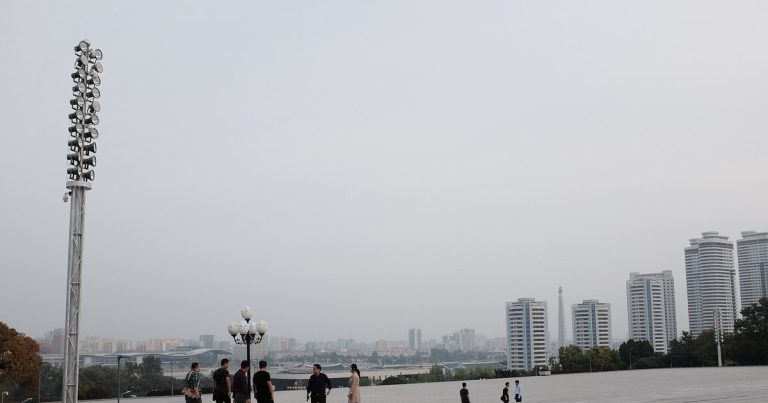
Pyongyang, the capital, is the centre of almost every itinerary. The standard stops are long-established: Kim Il Sung Square, the main plaza used for parades; the Mansudae Grand Monument, with large bronze statues of the late leaders Kim Il Sung and Kim Jong Il; the Juche Tower, a monument to the state ideology of juche (self-reliance); and a ride on the Pyongyang Metro, whose deep stations are decorated with mosaics and chandeliers.
Outside the capital, tours have often included Kaesong and the northern side of Panmunjom in the Demilitarized Zone (DMZ, the buffer strip that has divided the peninsula since the 1953 armistice), and Mount Myohyang, home of the International Friendship Exhibition, a vast hall of gifts given to the leaders. Big set events such as the mass games (huge synchronised gymnastics shows) and the Pyongyang Marathon have drawn visitors in some years, but they are not held on a fixed, guaranteed schedule.
Can you meet ordinary North Koreans?
Only in passing. You might exchange a greeting with a waiter, a museum guide or a student at a showpiece school. Real conversations about politics or daily hardship don’t happen, and pushing for one can put the North Korean you’re speaking to at risk, not only yourself.
9 rules visitors must follow in North Korea
Operators brief every group, and their rules tend to be stricter than the minimum because they want to keep their licence. These nine come up again and again.
- Never leave the group or the hotel alone. Every outing is with your guides.
- Ask before you photograph. Soldiers, military sites, checkpoints, construction and scenes of poverty are off limits.
- Treat images of the leaders with care. Don’t fold, crumple, crop or deface a picture of them. That includes the state newspaper, whose front page often carries their photos.
- Photograph statues in full. At the leaders’ statues, guides expect whole-figure shots, not cropped ones, and visitors are usually asked to bow and may be asked to leave flowers.
- Don’t bring religious material to share. Proselytising is treated as a serious crime. Leaving a Bible behind has led to detention.
- Leave South Korean media at home. South Korean books, films, music and news on your devices can be treated as banned material.
- Don’t take souvenirs that aren’t sold to you. Posters, signs or banners in hotels and public spaces are state property.
- Don’t hand out money or gifts to locals. Pass anything you want to give through your guides.
- Keep political opinions to yourself. Mocking the system or the leaders, even as a joke, can be reported.
What you can’t do in North Korea: photos, phones and money
Can you take photos in North Korea?
Yes, more than many people expect, as long as it’s within the rules above. Guides will tell you when to lower the camera. On exit, officials may scroll through your photos and delete any they object to. Telephoto lenses and drones can draw extra scrutiny; ask your operator what is allowed before packing.
Can you use your phone or the internet?
Foreigners have been allowed to bring phones for some years, but don’t expect normal service. Ordinary North Koreans have no access to the global internet, and any connection open to foreigners is limited, monitored and not guaranteed. Assume you’re offline for the trip and that anything on your devices could be looked at.
What currency do tourists use?
Tourists have generally paid in foreign currency, such as Chinese yuan, euros or US dollars, rather than the North Korean won, at hotels and shops set up for visitors. Foreign bank cards don’t work there. Your operator will tell you what to carry; most of the trip is usually paid in advance.
What are the risks of visiting North Korea?
The biggest risk isn’t crime or getting lost. It’s arbitrary detention. North Korea’s legal system is not independent, confessions are often made under pressure, and a foreign detainee can be used as leverage in diplomacy. Small acts that would mean a fine or a warning elsewhere have led to long sentences.
The best-known cases are long-established public record.
| Year | What happened |
|---|---|
| 2009 | Two American journalists were detained after crossing the border from China and sentenced to hard labour; they were released after former US president Bill Clinton visited Pyongyang. |
| 2014 | An American tourist was detained after leaving a Bible at a venue and was later released. |
| 2016 | US student Otto Warmbier was detained on a tour, accused of trying to take a propaganda poster, and sentenced to 15 years of hard labour. |
| 2017 | Warmbier was returned to the US in a coma and died days later; the US then barred travel on US passports without a special validation. |
| 2020 | North Korea closed its borders during the COVID-19 pandemic, halting tourism. |
Will your embassy be able to help?
Possibly not. Many countries have no embassy in Pyongyang. Some rely on another country to act for them; Sweden, for example, has long acted as the protecting power for the United States. Even where an embassy exists, staff may not be told quickly that you’ve been detained or be allowed to see you. Check who represents your country on your foreign ministry’s page.
Why many governments advise against travel to North Korea
The warnings rest on the same few points: the risk of detention, the lack of consular access, tight military tension on the peninsula, and the chance that borders close or rules change while you’re inside. The United States places North Korea at its highest warning level. Other governments word their advice differently, so read the page that applies to your passport:
- US State Department travel advisories
- UK Foreign Office travel advice
- Australia’s Smartraveller
- Government of Canada travel advice
Is tourism to North Korea ethical?
This debate is genuinely open, and fair people land on both sides. Critics say tourist money flows to a state under international sanctions over its weapons programmes and its human rights record, and that tours only show what the state wants seen. Supporters argue that limited contact with outsiders has some value for both sides and that tourists see more than official propaganda shows. You don’t have to settle the argument, but think it through before you book.
The money question isn’t abstract. US authorities have repeatedly linked North Korea to large crypto thefts; the FBI recently said North Korean hackers stole more than $400 million using a fake video-call scheme, according to Reuters. Our explainer on the Binance hack and North Korea covers why foreign currency matters so much to Pyongyang.
How to see North Korea without going in
If your passport is barred, or the risks don’t add up for you, you can still get close.
From South Korea: the DMZ
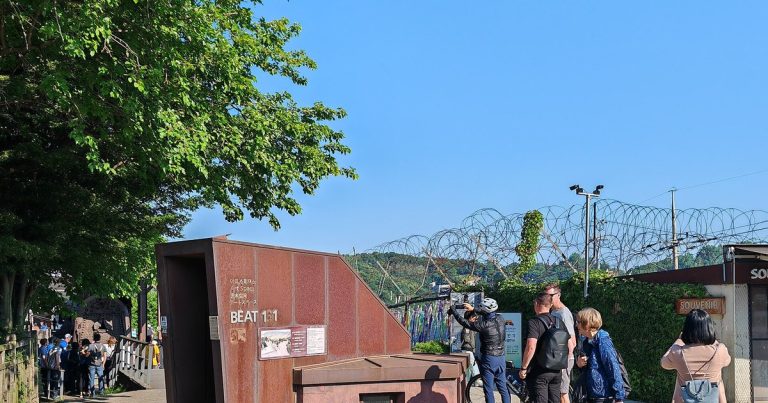
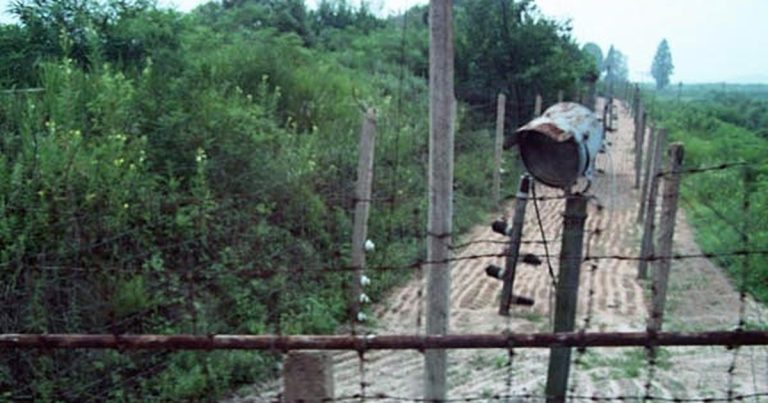
Tours from Seoul visit observatories where you can look across the border, infiltration tunnels dug from the North, and on some days the Joint Security Area at Panmunjom, where the two sides face each other across a line of blue huts. Access to the JSA has opened and closed over the years, so check before you book.
From China: Dandong
The Chinese city of Dandong sits on the Yalu River, directly across from the North Korean city of Sinuiju. From the riverfront you can see North Korean territory and the bridges that carry most of the trade between the two countries. Boat rides on the river have been offered locally; check current conditions and your Chinese visa rules.
From home: read and watch
Defector memoirs, documentaries and long-form reporting will tell you more about life inside than a five-day tour will. Accounts from people who left the country cover what tours deliberately leave out.
FAQ
Can you visit North Korea right now?
It depends on the moment and on your passport. North Korea closed its borders in early 2020, and tourist access since then has been partial and has changed with little notice. Ask a specialist operator what’s open today and read your government’s current travel advice before you plan.
Can you travel to North Korea without a tour?
No. Tourists must travel with an approved agency and stay with their guides. People who enter on business, aid or diplomatic visas also travel under close supervision.
Do you get a North Korean stamp in your passport?
Usually not. Tourist visas have typically been issued on a separate card that is collected or kept apart from the passport. If a stamp matters to you for future travel, ask your operator before you apply.
Is it safe to visit North Korea?
Most tourists have come back without incident, but “most” is the problem. When something does go wrong, the consequences can be severe, sentences can be long, and outside help may be slow or impossible. That is why several governments advise against all travel.
Can you visit North Korea from South Korea?
Not as a tourist. There is no open tourist crossing, and South Korean citizens need government approval for any contact or travel. From the South, the DMZ tours are the closest you can get.
What should you never do in North Korea?
Never wander off alone, photograph soldiers or military sites, damage images of the leaders, take posters or signs, or bring religious or South Korean material to share. Each of these has caused visitors serious trouble.
What to check before you plan a North Korea trip
Start with your passport: read your foreign ministry’s North Korea page and confirm whether your country restricts travel and who would represent you if you were detained. Then ask an established operator, in writing, whether tourism is open, which route it uses and what its rules and emergency plan are. Finally, get your insurer to confirm cover in writing. If any of those three answers is no, the DMZ from Seoul or the Dandong riverfront will still give you a real look at the border without putting you inside it.
Related reading
Sources k-korea.blog · travel.state.gov · gov.uk · smartraveller.gov.au · travel.gc.ca · news.google.com
Prices, opening hours and availability change. Check the official page before you buy or travel.