12 min read
What is gochujang (고추장)? It’s Korea’s fermented red chili paste, made from 4 core ingredients. Chili powder, sticky rice, fermented soybean powder and salt sit together for months and turn into a thick, glossy paste that tastes sweet, savory and hot all at once. If you cook Korean food at home, this jar gets you from “Korean-ish” to the real flavor, and it keeps in the fridge for a long time.
Key takeaways
- Gochujang is a paste. Gochugaru (고춧가루) is dried chili flakes, so you can’t swap one for the other 1:1 in a recipe.
- Its gentle sweetness comes from fermentation turning rice starch into sugar. Most supermarket tubs also add rice or corn syrup.
- Heat varies a lot from tub to tub. Many Korean labels rate it on a 5-step scale from mild to extremely hot.
- Once it’s open, keep it in the fridge, use a clean dry spoon and press plastic wrap onto the surface.
What is gochujang made of?
Traditional gochujang has four building blocks, and each one does a separate job.
- Gochugaru: sun-dried Korean red chili powder. It brings the color and a fruity, moderate heat.
- Glutinous rice: the sticky rice that Koreans call chapssal. Cooked into a porridge, it supplies the starch that fermentation turns into sugar. Some versions use barley or wheat instead.
- Meju powder (메줏가루): ground meju, the blocks of fermented soybean that are also the base of doenjang and soy sauce. Meju carries the microbes and enzymes that drive fermentation and give the paste its deep, savory taste.
- Salt: it seasons the paste and keeps unwanted microbes out during the long ferment.
Many home recipes also use yeotgireum (엿기름), barley malt powder, to break the rice starch down into sugars faster. The mix then goes into onggi (옹기), breathable brown earthenware jars. Families kept them on a jangdokdae, an outdoor platform of crocks, where the paste ripened for months.
How factory gochujang differs from homemade
The tubs you find abroad are made on an industrial scale. They usually ferment with koji (the Aspergillus oryzae mold also used for miso and sake), add rice syrup or corn syrup, and often contain wheat flour. The result is sweeter and more uniform than a farmhouse paste, and it’s what most Korean households actually cook with today. Sunchang County in North Jeolla Province is the region Koreans link most closely with traditional gochujang, so you’ll see “Sunchang” on many labels.
Where gochujang came from
Chili peppers reached Korea around the late 1500s or 1600s. Gochujang shows up in cookbooks and records from the Joseon dynasty (1392-1897) by the 1700s, and over time the fermented paste became one of the three core jang (장, fermented seasonings) in a Korean kitchen. The other two are doenjang (soybean paste) and ganjang (soy sauce).
What does gochujang taste like, and how spicy is it?
Expect sweetness first, then a rounded savory depth, then heat that builds slowly. The texture is thick and sticky, close to tomato paste. It doesn’t hit like Tabasco or a vinegary hot sauce. The burn is warm and lingering, because sugar and fermented soybean soften it.
If you know Japanese miso, think of gochujang as miso’s spicy, sweeter cousin. If you know sriracha, gochujang is much thicker, much less sour and far more savory. That’s why it works as a base for a sauce rather than a finishing drizzle.
Reading the heat level on the tub
Heat ranges from barely spicy to properly hot. Many Korean tubs show a heat scale on the front, often 5 steps from mild (순한맛, sunhanmat) to extremely hot (매우매운맛, maeu maeunmat). The middle level, usually labeled 보통매운맛 (“medium hot”), is what most recipes assume. If you’re cooking for kids or people who don’t eat spicy food, pick the mild tub. Using less of a hot paste won’t work as well, because you’d lose sweetness and body along with the heat.
Gochujang vs gochugaru vs doenjang: which one do you need?
These three get mixed up all the time abroad, and a recipe goes wrong when you grab the wrong one. Here’s how they compare, along with two mixed sauces built from them.
| Ingredient | What it is | Taste | Typical use | Swap for gochujang? |
|---|---|---|---|---|
| Gochujang (고추장) | Fermented chili, rice and soybean paste | Sweet, savory, medium to hot | Bibimbap, tteokbokki, marinades, stews | N/A |
| Gochugaru (고춧가루) | Dried red chili flakes or powder | Fruity, smoky heat, no sweetness | Kimchi, soups, seasoning blends | Only with added sugar and miso or doenjang |
| Doenjang (된장) | Fermented soybean paste, no chili | Salty, earthy, funky | Doenjang jjigae, soups, dips | No, it has no heat or sweetness |
| Ssamjang (쌈장) | Doenjang mixed with gochujang and seasonings | Savory, mildly spicy | Dip for Korean BBQ lettuce wraps | Partly, for dips |
| Chogochujang (초고추장) | Gochujang with vinegar and sugar | Tangy, sweet, spicy | Raw fish, blanched squid, cold vegetables | It already contains gochujang |
One quick rule: if a recipe calls for a paste, it means gochujang or doenjang. If it calls for flakes or powder, it means gochugaru. Kimchi, for example, is seasoned mainly with gochugaru, not gochujang.
How Koreans use gochujang: 6 everyday dishes
In Korea, gochujang is a working ingredient, not a condiment you shake on at the table. These are the dishes that use it most, and the ones worth learning first.
Bibimbap (비빔밥)
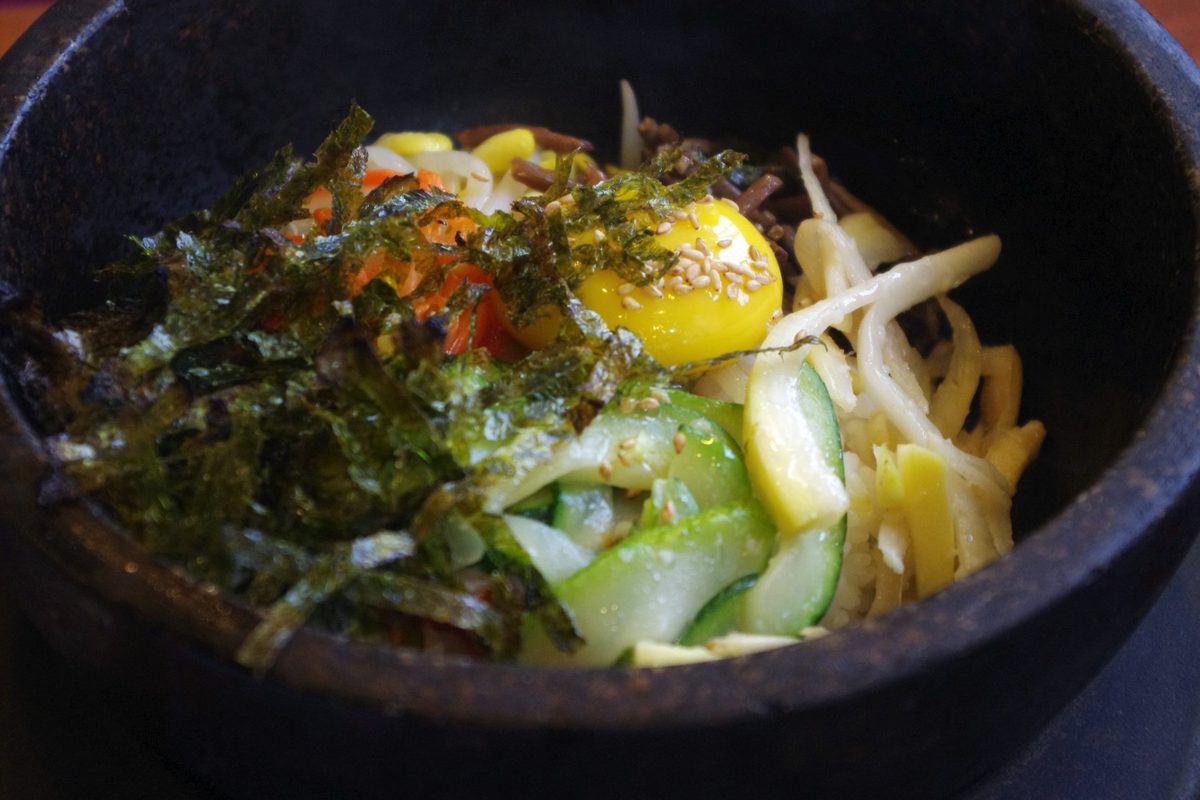
A bowl of rice topped with seasoned vegetables, often meat and a fried egg. You stir in a spoonful of gochujang, usually loosened with sesame oil, sugar and a splash of water (the recipe below). Bibimbap is the easiest way to taste gochujang for the first time.
Tteokbokki (떡볶이)
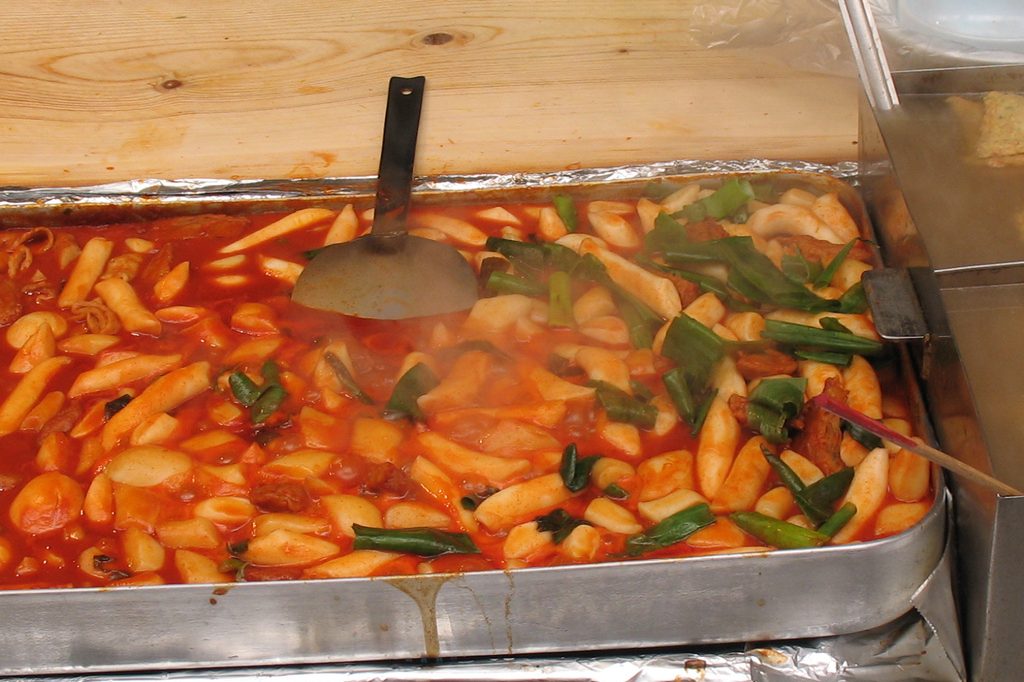
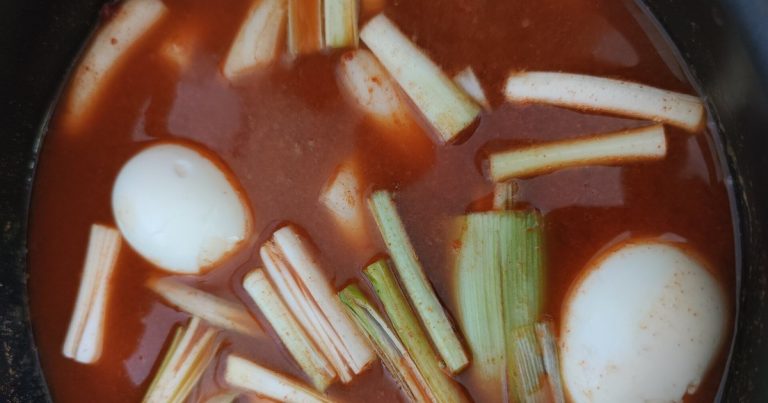
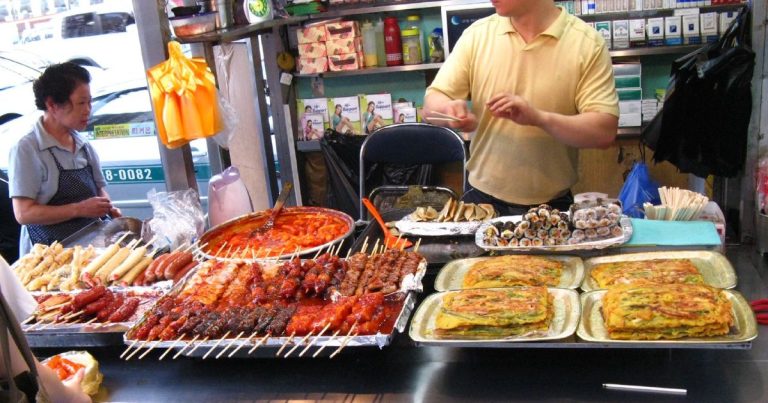
Chewy rice cakes simmered in a sweet-spicy red sauce, the classic Korean street snack. The sauce is mostly gochujang, gochugaru, sugar and stock, often with fish cakes and boiled eggs.
Jeyuk bokkeum (제육볶음)
Thin slices of pork stir-fried in a gochujang marinade with onion and green onion. It’s a lunch-counter staple in Korea and the dish that teaches you how gochujang caramelizes in a hot pan.
Dakgalbi (닭갈비)
Chicken marinated in gochujang, then stir-fried on a big iron pan with cabbage, sweet potato and rice cakes. The city of Chuncheon is famous for it.
Gochujang jjigae (고추장찌개)
Jjigae means stew. This one is a red, hearty pot of potato, zucchini, onion and usually pork or tuna in a gochujang-based broth. It’s the gochujang counterpart of doenjang jjigae.
Ssamjang (쌈장) for Korean BBQ
At a Korean barbecue table, you wrap grilled meat in lettuce with a dab of ssamjang, a dip that’s part doenjang and part gochujang. Mix 2 parts doenjang to 1 part gochujang with sesame oil, garlic and a little sugar and you have a home version.
Non-Korean ways to use it
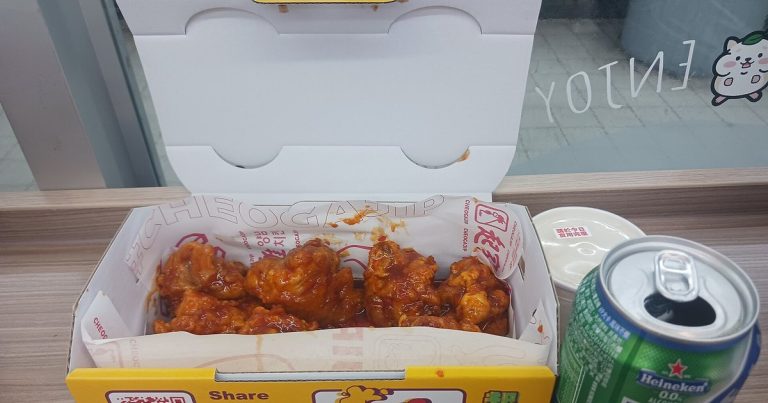
Gochujang is now standard in plenty of kitchens outside Korea. Stir a teaspoon into mayonnaise for a spicy sandwich spread, melt it into butter for noodles or roast corn, brush it on chicken wings near the end of cooking, or add it to a tomato sauce for depth. It works anywhere you’d want sweet heat plus savory depth.
How to cook with gochujang: 5 common mistakes
Gochujang is forgiving, but a few habits trip people up again and again.
- Burning it on the grill. All that sugar scorches fast over high heat. For grilling or broiling, marinate lightly and brush on a gochujang glaze only in the last few minutes.
- Using it straight from the tub. It’s too thick to coat food evenly. Thin it with water, stock, sesame oil, soy sauce or rice vinegar before it goes on anything.
- Forgetting the salt it already brings. Gochujang is salty. When you add it to a recipe, taste before adding soy sauce or salt.
- Treating it like hot sauce. Sriracha-style sauces are thin and sour. Gochujang needs to be cooked or mixed into something to show its best side.
- Expecting the same heat from every brand. A “hot” tub from one brand can be much hotter than another brand’s. Start with less and add more once you know your jar.
A handy ratio for a stir-fry or marinade for about 500 grams of meat: 2 to 3 tablespoons gochujang, 1 tablespoon soy sauce, 1 tablespoon sugar or honey, 1 tablespoon minced garlic, 1 tablespoon sesame oil, plus grated onion or pear if you have them. Korean cooks use grated pear to tenderize the meat and add sweetness.
How to make gochujang sauce (양념고추장)
This is yangnyeom gochujang, “seasoned gochujang”: the all-purpose sauce for bibimbap, rice bowls, dipping vegetables and drizzling over eggs. It takes 5 minutes and no cooking.
- 3 tablespoons gochujang
- 1 tablespoon toasted sesame oil
- 1 tablespoon sugar, honey or rice syrup
- 1 tablespoon water
- 1 teaspoon soy sauce
- 1 teaspoon rice vinegar
- 1 small garlic clove, finely grated
- 1 teaspoon toasted sesame seeds
- Grate the garlic as finely as you can so no raw chunks end up in the sauce.
- In a small bowl, whisk the gochujang, sugar and water together until smooth and loose.
- Stir in the sesame oil, soy sauce, rice vinegar and garlic. Taste: add more sugar for a milder, sweeter sauce, or more vinegar to brighten it.
- Finish with the sesame seeds, crushing them between your fingers as you add them to release more aroma.
- Use right away, or cover and refrigerate. Because it contains fresh garlic, use it within a few days.
Two easy variations
Chogochujang (dipping sauce): double the rice vinegar, add a little more sugar and leave out the sesame oil. Koreans serve it with raw fish, blanched squid or broccoli. Quick marinade: double the batch, add 1 tablespoon soy sauce and 2 tablespoons grated onion or pear, and use it on pork shoulder or chicken thighs for a home take on jeyuk bokkeum or dakgalbi.
Gochujang substitutes when you can’t find it
Nothing tastes exactly like gochujang, because the fermented soybean and rice sweetness is hard to fake. These options get you close enough for most home cooking.
- Gochugaru + miso + sugar (best match): mix 1 tablespoon gochugaru, 1 tablespoon white or red miso, 1 to 2 teaspoons sugar or honey, and a little water into a paste. Miso brings the fermented depth that plain chili sauces lack. Korean doenjang works too, but it’s saltier and funkier.
- Sriracha + miso: 2 parts sriracha to 1 part miso, plus a pinch of sugar. Thinner and tangier, but fine for marinades and stir-fries.
- Red pepper flakes + tomato paste + soy sauce + honey: a pantry fix. Use less flake than gochugaru calls for, since Western crushed red pepper is usually hotter.
- Other chili pastes: Chinese doubanjiang (fermented broad bean chili paste) or harissa can stand in for a stew or marinade. Both taste noticeably different, so treat the result as a cousin of the dish.
For dishes where gochujang is the whole point, like tteokbokki or bibimbap, it’s worth tracking down a real tub. It’s easy to find abroad now (see below), and one tub lasts a long time.
How to buy gochujang abroad and read the label
In the US, you’ll find gochujang at Korean supermarkets such as H Mart, at most Asian grocers, in the international aisle of many large supermarkets and from online retailers. Brands commonly sold outside Korea include Chung Jung One (from Daesang), CJ Haechandle and Sempio. Brand ranges and availability change, so check the brand’s official site or your local store.
What to check on the tub
- Heat level: look for the heat scale or the Korean words for mild (순한맛), medium (보통매운맛) and hot (매운맛).
- Starch base: the ingredient list shows whether it’s made with rice, wheat or barley. Rice-based pastes tend to taste cleaner. Wheat-based ones are common and cheaper.
- Sweetener: rice syrup or corn syrup near the top of the list means a sweeter paste.
- Packaging: the classic red plastic tub is the norm. Squeeze bottles exist too, and they’re handy for bibimbap and dipping but usually thinner and pre-seasoned.
Bringing gochujang home from Korea
Korean supermarkets and department store food halls carry far more styles than you’ll see abroad, including small-batch and regional pastes. It’s a popular edible souvenir; our guide to what to buy in Korea covers how it fits with other food gifts, and where to shop in Seoul covers the neighborhoods. Gochujang counts as a paste under airport carry-on liquid rules in most countries, so pack it sealed in checked luggage. Check your airline’s rules and your home country’s customs rules on bringing in food.
How to store gochujang and how long it lasts
Unopened, a tub keeps at room temperature until the date printed on it. Once opened, it goes in the fridge. Salt and fermentation make gochujang very stable, so an opened tub usually lasts for months, but follow the storage advice and dates on your label.
- Refrigerate after opening. Cold slows further fermentation, which can otherwise make the tub bubble or swell.
- Use a clean, dry spoon. Water and crumbs from other foods are the usual reason a paste spoils.
- Press plastic wrap onto the surface before closing the lid. It stops the top layer from drying out and darkening.
- Expect some color change. Gochujang slowly darkens over time, especially on top. That alone isn’t a problem.
- Throw it out if you see fuzzy mold, or if it smells sour or wrong. When in doubt, don’t eat it.
Homemade gochujang sauce (like the recipe above) is a different story. With fresh garlic and water in it, treat it like any fresh sauce and use it within a few days.
FAQ
Is gochujang very spicy?
It depends on the tub. Mild versions are gentle enough for most people, while hot ones have real burn. The sweetness and savory depth make the heat feel rounder than a vinegar-based hot sauce, and the heat scale on the label is the best guide.
Is gochujang the same as sriracha?
No. Sriracha is a thin, tangy chili-garlic sauce you drizzle on finished food. Gochujang is a thick fermented paste with soybean and rice in it, used mainly as a cooking base for sauces, stews and marinades.
Is gochujang gluten-free?
Often not. Many commercial tubs contain wheat flour or barley. Gluten-free versions are sold, so read the ingredient list and allergen statement on the exact product.
Does gochujang need to be refrigerated?
After opening, yes. The fridge keeps its flavor and color stable and stops it from fermenting further. An unopened tub can stay in the pantry until its printed date.
What can I use instead of gochujang?
The closest homemade swap is gochugaru mixed with miso and a little sugar or honey. Sriracha with miso works in a pinch for marinades. For bibimbap and tteokbokki, real gochujang makes a clear difference.
What’s the difference between gochujang and doenjang?
Both are fermented Korean pastes built on meju, the fermented soybean base. Doenjang has no chili and tastes salty and earthy, while gochujang adds chili and rice for heat and sweetness. Mix the two and you get ssamjang, the Korean BBQ dip.
What to cook first with your gochujang tub
Start with the 5-minute sauce and a bibimbap bowl, using whatever cooked vegetables and leftover rice you have. Next, try a pork or chicken stir-fry with the marinade ratio above to see how gochujang caramelizes. Once that feels easy, move on to tteokbokki or a pot of gochujang jjigae, two dishes where the paste does most of the work.
Then buy a tub of doenjang too. With gochujang, doenjang and soy sauce in your fridge, you have the three jang that season much of Korean home cooking, and you can make ssamjang the next time you grill.
Related reading

Sources k-korea.blog
Prices, opening hours and availability change. Check the official page before you buy or travel.