12 min read
The StarCraft Korea national sport story began in 1998, and within about three years the game ruled the country. That happened because three things lined up at once: thousands of new PC bangs (internet cafés), cable TV channels that put matches on air every week, and corporate teams that paid players salaries. The same machinery later produced the LCK, the League of Legends league that Faker and T1 made famous around the world.
If you want to know why Korean esports looks the way it does today, with its broadcast studios, team houses and fan cheers, the answer starts with one Blizzard strategy game and a country climbing out of a financial crisis.
Key takeaways
- StarCraft (스타크래프트) launched in 1998, the same year Korea’s PC bang boom took off after the 1997 Asian financial crisis.
- OnGameNet (OGN) launched in 2000 as a cable channel built around games, and the KeSPA governing body was founded the same year.
- Big companies such as SK Telecom and KT ran StarCraft teams first, then carried that model straight into League of Legends.
- The Brood War pro scene faded around 2012, but fans revived it online with the ASL, and StarCraft: Remastered followed in 2017.
Why StarCraft became Korea’s national sport
Koreans called StarCraft the gungmin geim (국민게임, “the nation’s game”), and for a stretch of the early 2000s the label fit. Office workers played it after work, students played it after cram school, and the best players had fan clubs, sponsors and prime-time slots on cable TV. When foreigners joke that StarCraft is Korea’s national sport, they’re exaggerating a real thing.
The game itself was a good match for competition. StarCraft has three very different factions (Terran, Zerg and Protoss), no luck element, and a skill ceiling so high that nobody ever reached it. Matches last long enough to tell a story and short enough to fit into a TV schedule. The Brood War expansion, released late in 1998, balanced the three races well enough that the competitive version barely changed for over a decade.
A good game alone doesn’t create a sport, though. Plenty of countries played StarCraft. Korea was the one that built an industry on it, and the reasons were economic before they were cultural.
How the 1997 crisis and broadband built the PC bang boom
The 1997 Asian financial crisis, which Koreans still call the IMF crisis because the country needed an International Monetary Fund bailout, cost huge numbers of people their jobs. A small business that needed little training and could open fast looked attractive to laid-off workers. The PC bang (PC방), a room full of rented computers charged by the hour, was exactly that.
At the same time, the government and telecom companies pushed high-speed internet across the country. Korea’s dense apartment blocks made broadband cheap to wire, and the late 1990s brought fast connections well before most of the world had them. PC bangs got those connections first, so they became the place where people met to play online together.
Why StarCraft and PC bangs fed each other
StarCraft needed a group to be fun, and it played well over a local network or Blizzard’s Battle.net service. PC bangs needed a reason for customers to stay for hours. The two grew together: a new PC bang meant more StarCraft players, and more players meant more demand for PC bangs. Playing at home was also harder back then, since many families had one shared computer and slower connections.
That created a huge base of skilled amateurs, which is what every pro sport needs underneath it. For a closer look at how the cafés work today, see our guide to what a PC bang in Korea is.
How TV channels turned StarCraft into a broadcast sport
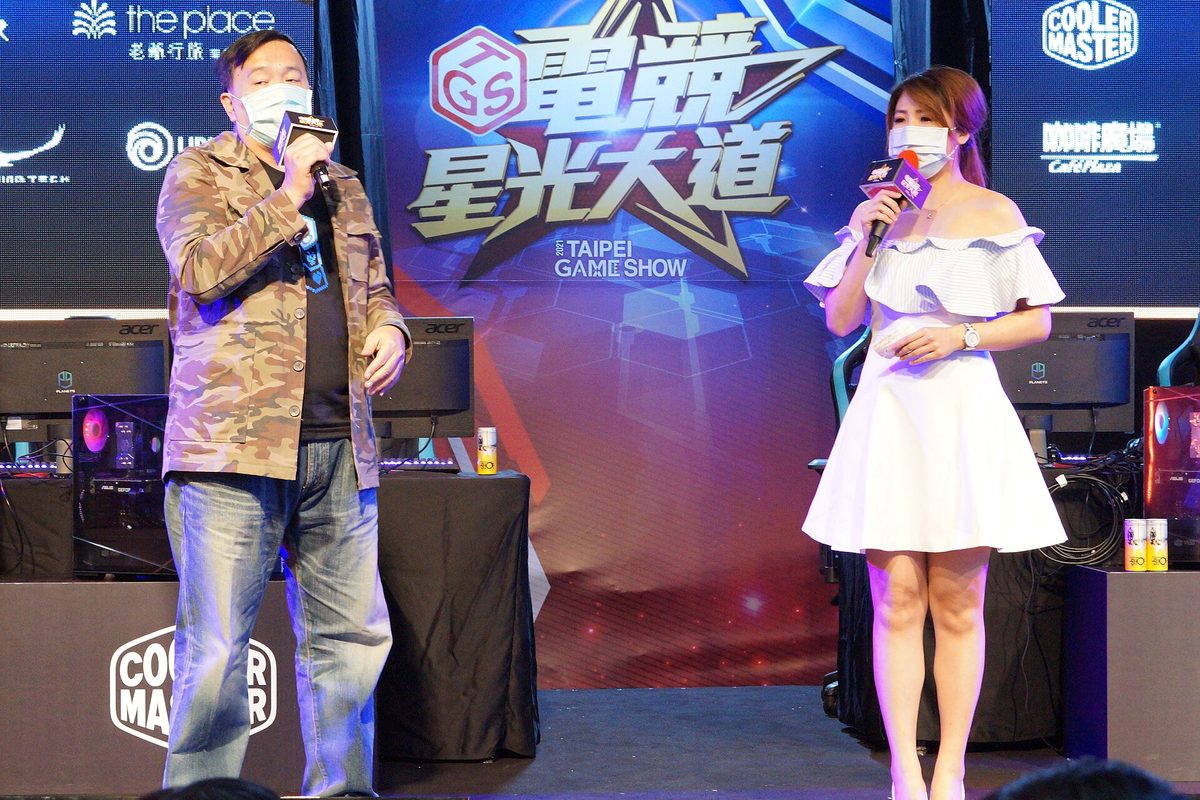
The step that made Korea different was television. In 1999, televised StarCraft tournaments began appearing on cable, and in 2000 OnGameNet (OGN) launched as a channel dedicated to games. A rival, MBCGame, followed soon after. Both put matches on in the evenings with professional casters, studio audiences, lighting and stage booths for the players.
Also in 2000, the Korea e-Sports Association (KeSPA) was founded, a body that registered pro gamers, set rules and later managed team leagues. Having an official association with government backing made pro gaming look like a real job to parents, which counts for a lot in Korea.
OSL vs MSL: the two individual leagues
Each channel ran its own individual tournament. OGN’s was the OSL (OnGameNet Starleague), and MBCGame’s was the MSL (MBCGame StarLeague). Winning either was a major title, and winning both in the same period made a player the undisputed best. Fans argued for years over which one carried more prestige.
Proleague: the team competition
The Proleague, a team league that began in 2003, changed the economics. Teams played a series of individual matches against each other across a long season, which gave corporate sponsors steady weekly exposure. That is why big names such as SK Telecom, KT and Samsung put money in, and why players started getting salaries, team houses and coaches.
| League | Run by | Format | Why it mattered |
|---|---|---|---|
| OSL (OnGameNet Starleague) | OGN cable channel | Individual tournament | The most famous title, with big stage finals |
| MSL (MBCGame StarLeague) | MBCGame cable channel | Individual tournament | Rival major title, known for its losers’ bracket |
| Proleague | KeSPA with the broadcasters | Team league over a season | Brought corporate teams, salaries and a pro career path |
| ASL (AfreecaTV StarLeague) | AfreecaTV, now SOOP | Individual tournament, streamed online | Revived Brood War after the TV leagues ended |
Who were the biggest Korean StarCraft players?
Korean fans use the word bonjwa (본좌, roughly “the one on the throne”) for a player who dominated a whole era. Who counts as a bonjwa is still a favorite argument, but a handful of names show up in every version of the list, along with stars who never needed the title to be loved.
| Player (ID) | Race | Nickname | Known for |
|---|---|---|---|
| Lim Yo-hwan (BoxeR) | Terran | The Emperor of Terran | Flashy unit control and the first true celebrity gamer |
| Hong Jin-ho (YellOw) | Zerg | Storm Zerg | Relentless attacks and the beloved “number 2” runner-up meme |
| Lee Yun-yeol (NaDa) | Terran | Genius Terran | Early dominance and remarkable longevity |
| Choi Yeon-sung (iloveoov) | Terran | Cheater Terran | An economy so strong it looked unfair |
| Kim Taek-yong (Bisu) | Protoss | The Revolutionist | Rewrote how Protoss plays against Zerg in 2007 |
| Lee Jae-dong (Jaedong) | Zerg | The Tyrant | Lightning-fast Mutalisk control |
| Lee Young-ho (Flash) | Terran | God, the Ultimate Weapon | Near-flawless play that many call the peak of Brood War |
Why BoxeR mattered more than his trophies
Lim Yo-hwan wasn’t always the strongest player, but he made StarCraft look like a spectator sport. His drop attacks and micro-management (precise control of individual units) were easy to follow on TV even if you didn’t play. His fame helped convince sponsors that a gamer could sell a brand. He later played for Air Force ACE, a team set up so pro gamers doing Korea’s mandatory military service could keep competing, which tells you how seriously the scene was taken.
Why Hong Jin-ho became a meme
Hong Jin-ho reached final after final and kept finishing second. Fans turned the number 2 into his symbol, and it became affectionate rather than cruel. Korean fans have always rooted for effort as much as for winning, and “YellOw” became the patron saint of trying again.
How StarCraft finals filled stadiums and beaches
By the mid-2000s, the big finals had outgrown TV studios. Organizers moved them to arenas, university gyms and outdoor venues, with stage booths, giant screens, cheer squads and fans holding hand-made signs for their favorite players. The template will look familiar to anyone who has been to an LCK final or a K-pop concert.
The most famous example was the 2004 Proleague final on Gwangalli Beach (광안리) in Busan. The crowd that turned up on the sand became the standard story Korean esports fans tell to prove the sport was real. Gwangalli became a recurring venue for Proleague finals in the years after, and the image of a beach packed for a video game still circulates in esports retrospectives.
What a StarCraft final actually looked like
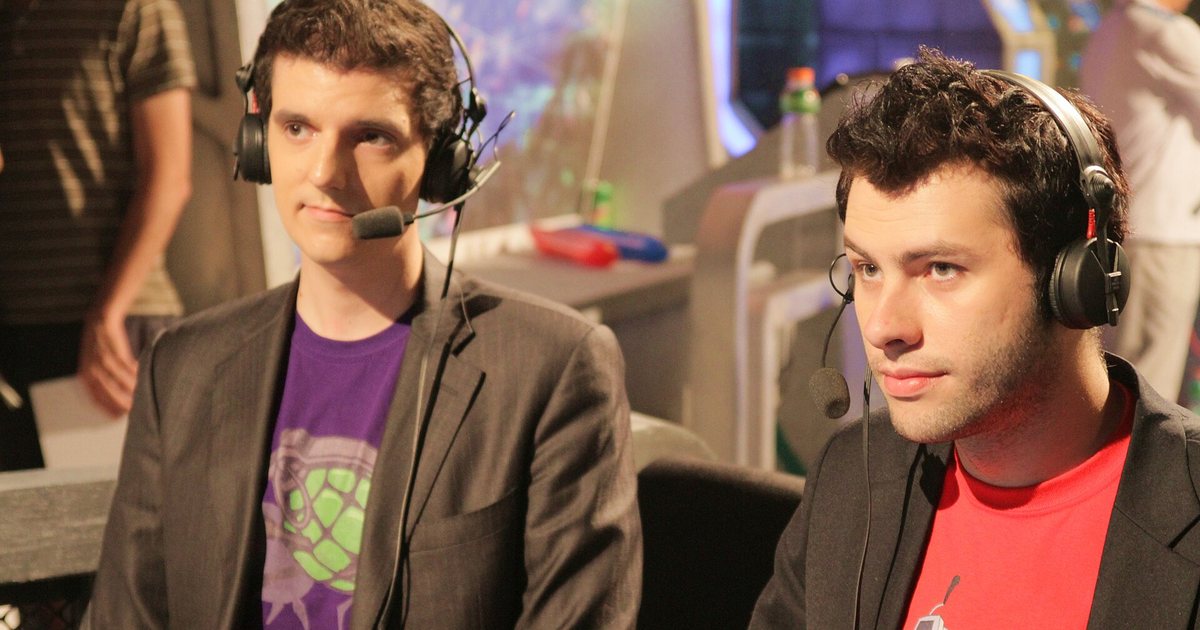
Two players sat in soundproof booths on stage, often wearing team jackets. Casters called the action from a desk, an analyst explained builds between games, and the series was usually a best-of-five or best-of-seven. Fans read the game through the casters, so the commentators became stars too. Korean casting styles from this era, loud and full of catchphrases, shaped how esports is called worldwide.
Where the Korean-server memes come from
Overseas gaming forums spent the 2000s watching Korean StarCraft with a mix of awe and disbelief, and a whole set of jokes came out of it. Most of them started as exaggerations of something true.
- “Korean server” difficulty. The idea that Korean players are a separate, harder tier. It carried over to StarCraft II and League of Legends, where foreign pros still talk about practicing on the Korean ladder.
- APM jokes. APM means actions per minute, how many commands a player gives. Korean pros routinely hit several hundred, which led to jokes about Korean babies being born holding a mouse.
- “StarCraft is on TV 24/7.” Not literally, but two cable channels ran games every week for years, which no other country had.
- “The army has a StarCraft team.” This one is true: the Air Force ran a pro team for players doing military service.
- GG etiquette. Typing “gg” (good game) before leaving a lost match was standard in Korean pro play and became a global habit.
English-language fan sites translated Korean broadcasts, subtitled VODs and wrote up results, which is how much of the world first learned Korean player names and nicknames. That fan translation culture came before K-drama and K-pop fandoms did the same thing on a bigger scale.
Why the Brood War TV era ended
The golden age didn’t last forever, and three problems hit at roughly the same time.
The broadcast rights fight
For years, Korean broadcasters and KeSPA built a business on StarCraft without a clear licensing deal with Blizzard, which owns the game. As StarCraft II approached, Blizzard pushed to control broadcast rights, and a long dispute followed with KeSPA and the TV channels. It was eventually settled, but it showed how fragile a sport is when one company owns the field.
The 2010 match-fixing scandal
In 2010, a match-fixing scandal involving illegal betting led to bans for a number of players and badly damaged trust in the leagues. Sponsors grew cautious, and fans who had followed the scene for a decade felt betrayed.
StarCraft II and a new game
StarCraft II launched in 2010, and the scene split between the old game and the new one. A new league, GSL, built around StarCraft II, while the Brood War leagues kept going for a while. MBCGame closed in 2012, and Proleague moved fully to StarCraft II before ending in 2016. By then, League of Legends had become the game everyone played in PC bangs.
How StarCraft shaped the LCK and League of Legends
When League of Legends arrived in Korea, the whole StarCraft machine was sitting there ready to be reused. OGN started its League of Legends league, Champions, in 2012, and it was later renamed the LCK (League of Legends Champions Korea). The same studios, casters, production crews and in many cases the same corporate owners moved over.
- Teams: SK Telecom T1, BoxeR’s old StarCraft team, became the League of Legends powerhouse now known as T1. KT Rolster and Samsung’s teams also came from StarCraft roots.
- Training model: team houses, long daily practice schedules and full-time coaches were all StarCraft inventions.
- Broadcast style: studio stages, analyst desks and big-venue finals carried straight over.
- Governance: KeSPA stayed in place as the national body and still handles national esports teams.
That head start is a big part of why Korean teams dominated early international League of Legends events. We break down the rest in why Korea is good at League of Legends. The short version: Korea had already spent a decade building the system other countries were only starting.
StarCraft in Korea timeline: 1998 to 2017
| Year | Event | Why it matters |
|---|---|---|
| 1997 | Asian financial crisis hits Korea | Laid-off workers open small businesses, including PC bangs |
| 1998 | StarCraft and the Brood War expansion release | The game arrives as broadband and PC bangs spread |
| 1999 | First televised StarCraft tournaments on cable | Gaming becomes something you watch, not only play |
| 2000 | OnGameNet launches; KeSPA founded | A dedicated channel and an official governing body |
| 2003 | Proleague team league begins | Corporate teams, salaries and a pro career path |
| 2004 | Proleague final on Gwangalli Beach, Busan | The image of an esports crowd that rivals real sports |
| 2010 | StarCraft II launches; match-fixing scandal | The scene splits and trust takes a hit |
| 2012 | MBCGame closes; OGN starts League of Legends Champions | The infrastructure shifts to a new game |
| 2016 | Proleague ends; ASL starts online | TV era over, fan-backed Brood War revival begins |
| 2017 | StarCraft: Remastered released | Brood War gets new graphics and a second life |
Is StarCraft still played in Korea today?
Yes, though as a nostalgia sport rather than a national obsession. Brood War never fully died in Korea. Many former pros became streamers on AfreecaTV (rebranded as SOOP), where they play ranked games and show matches for audiences who grew up watching them on cable. The ASL kept a top-level individual league going, and Remastered gave the game modern resolution without changing how it plays.
You’ll still see StarCraft on PC bang screens, usually played by men in their thirties and forties who learned it as teenagers. It sits next to League of Legends, Valorant and other games rather than above them. Its cultural weight shows up elsewhere too: Korean variety shows and comedians still use StarCraft jokes, and terms like “GG” and “bonjwa” moved into everyday Korean slang.
FAQ
Why is StarCraft so popular in Korea?
StarCraft arrived in 1998 just as PC bangs and broadband spread across Korea after the 1997 financial crisis. TV channels then broadcast matches every week, and big companies sponsored pro teams. That combination of access, visibility and money made it far bigger in Korea than anywhere else.
Is StarCraft really Korea’s national sport?
Not officially. Korea has no law naming a national sport, and taekwondo is the traditional answer. The phrase is a widely used nickname that reflects how StarCraft dominated youth culture, TV and PC bangs in the 2000s, and Koreans themselves called it the “nation’s game” (국민게임).
Did Korea invent esports?
Competitive gaming existed in other countries before StarCraft, including arcade contests and early PC tournaments. What Korea built first was a full professional industry: dedicated TV channels, a governing body, salaried players and corporate team leagues. Most modern esports leagues copy parts of that model.
Who is the best StarCraft player of all time?
Fans still argue about it. Lee Young-ho (Flash) is the name most often given for Brood War because of how long he dominated, while Lim Yo-hwan (BoxeR) is usually called the most important for making the sport popular. Lee Jae-dong (Jaedong) and Kim Taek-yong (Bisu) are also common picks.
What happened to OnGameNet and MBCGame?
MBCGame closed in 2012. OnGameNet kept broadcasting esports for years, moving its focus to League of Legends, and later stepped back from running the major leagues as the LCK came under Riot Games’ control. For today’s broadcasts, check the official LCK site or SOOP.
How did StarCraft lead to Faker and T1?
T1 began as SK Telecom’s StarCraft team, the one BoxeR played for. When League of Legends took over in Korea, SK Telecom used the same team structure, coaching and practice culture to build a League of Legends roster. Faker became the star of that system.
What to watch, play or read next
Start with old OSL and MSL finals, many of which are on YouTube with English fan commentary. BoxeR’s early matches show why people fell in love with the game, and any of Flash’s peak-era series shows how high the skill ceiling went. For live Brood War, check SOOP and the ASL’s official channels for the current season, since schedules change. Then watch an LCK final and look for the StarCraft fingerprints: the booths, the casters, the team jackets and the fan banners. If you visit Seoul, spend an hour in a PC bang and see who’s still playing Brood War in the corner.
Related reading
Sources k-korea.blog
Prices, opening hours and availability change. Check the official page before you buy or travel.