13 min read
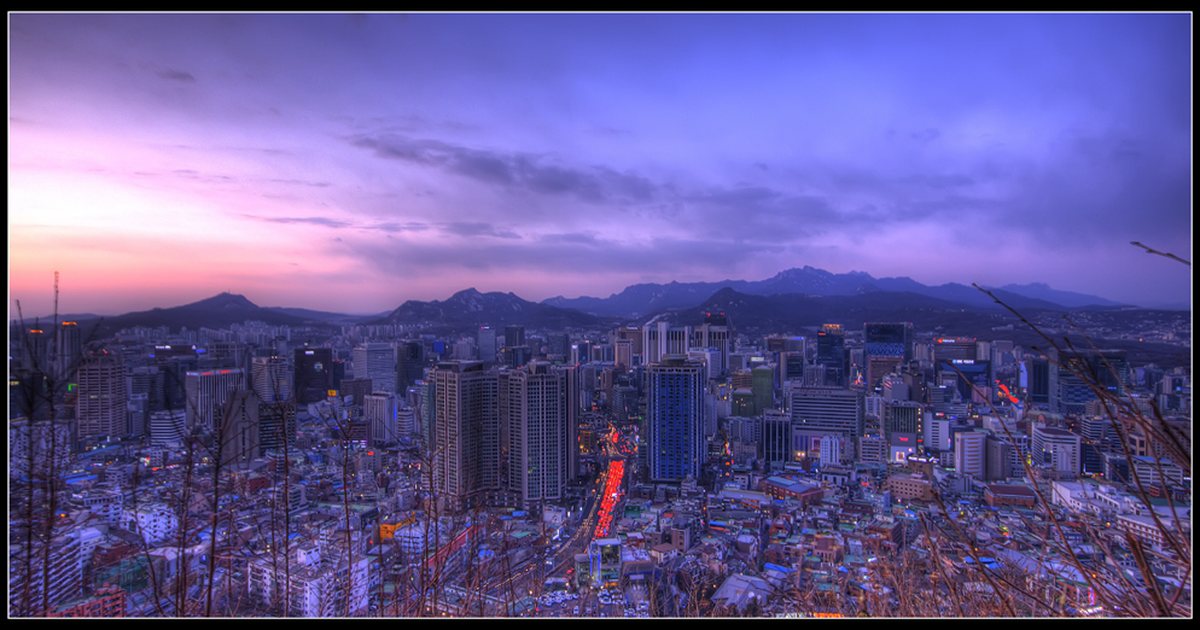
Gangnam Seoul things to do fill 2 easy days: COEX, Bongeunsa temple, Garosu-gil and Cheongdam. Gangnam (강남) means “south of the river”, and it’s the side of the Han River where Seoul shops, works late, gets its skin treated and goes out on Friday night.
Come here for modern Seoul. Office towers line Teheran-ro, a Buddhist temple with roots in the ancient Silla kingdom faces a convention center across the road, and K-pop stylists shop the boutique streets. The palaces and old markets are north of the river. Most visitors need both sides, and this guide shows you how to spend the Gangnam half well.
Key takeaways
- Gangnam-gu is one of Seoul’s 25 districts (gu), but Koreans use “Gangnam” loosely for the whole wealthy south bank, Seocho and Songpa included.
- COEX, Starfield Library and Bongeunsa face each other across one road near Samseong and Bongeunsa stations, so one morning covers all three.
- Garosu-gil, Dosan Park, Apgujeong Rodeo and Cheongdam form one walkable strip from Sinsa Station (Line 3) to Cheongdam Station (Line 7).
- For skin clinics, book with the clinic directly, get a written quote and check who the treating doctor is before you pay.
What does Gangnam mean, and how is it different from north Seoul?
The Han River cuts Seoul in two. Everything north is Gangbuk (강북, “north of the river”), the old royal capital with Gyeongbokgung Palace, Jongno and Myeongdong. Everything south is Gangnam. The official Gangnam-gu district covers neighborhoods (dong) such as Sinsa, Apgujeong, Cheongdam, Samseong, Yeoksam and Daechi.
Fifty-odd years ago most of this land was farmland and orchards. From the 1970s the government built it out as a planned city: wide boulevards, a grid of high-rise apartment complexes and Teheran-ro, the office avenue named after Seoul’s sister city Tehran. Top schools and Daechi-dong’s famous hagwon (private cram schools) followed, and in Korean, “Gangnam” turned into shorthand for money, status and ambition. PSY’s 2012 hit “Gangnam Style” was a joke about exactly that lifestyle.
Koreans often talk about “Gangnam 3-gu”: Gangnam, Seocho and Songpa districts together. That’s why Gangnam Station sits on the Gangnam and Seocho border, and why people casually call Lotte World Tower in Songpa a Gangnam sight.
Gangnam vs Gangbuk for visitors
- Gangnam: newer, wider streets, department stores, luxury flagships, clinics, business hotels and big nightlife around the stations.
- Gangbuk: palaces, hanok (traditional house) villages, traditional markets, Insadong crafts and the student energy of Hongdae.
Should you stay in Gangnam or north of the river?
On a first trip, stay north (Myeongdong, Jongno or the City Hall area), because most of the heritage sights are close by. Pick Gangnam if you’re in Seoul for business, booking clinic appointments, shopping in Sinsa and Cheongdam, or visiting Lotte World in Jamsil. The subway between the two sides is quick. From Myeongdong, Line 4 to Chungmuro and then Line 3 takes you straight to Sinsa and Apgujeong.
Gangnam Seoul things to do: 10 stops worth your time
Gangnam’s sights fall into two groups. The east group sits around Samseong (COEX, Bongeunsa, Seonjeongneung). The west group runs along a fashion strip from Sinsa to Cheongdam. Gangnam Station, with its nightlife, is between the two. Plan one half-day for each group and the evening for the station area.
| Stop | Area | Nearest station | Best for | Time needed |
|---|---|---|---|---|
| COEX Mall | Samseong-dong | Samseong (Line 2), Bongeunsa (Line 9) | Indoor shopping, aquarium, cinema, rainy days | 2-3 hours |
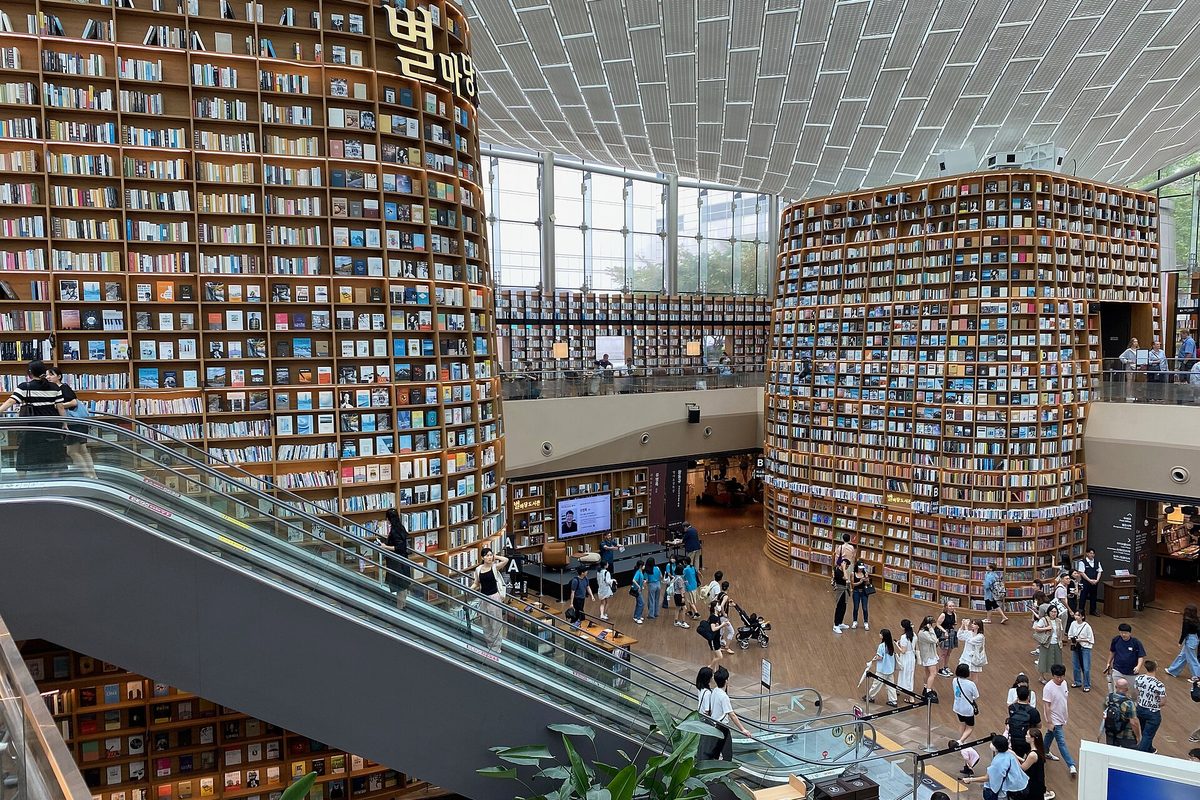
| Starfield Library (별마당 도서관) | Inside COEX Mall | Samseong, Bongeunsa | The giant bookshelf photo, browsing | 30-45 minutes |
| Bongeunsa (봉은사) | Samseong-dong | Bongeunsa (Line 9) | A working Buddhist temple among towers | 1 hour |
| Seonjeongneung (선정릉) | Samseong-dong | Seonjeongneung (Line 9, Suin-Bundang), Seolleung (Line 2) | Joseon royal tombs, a quiet wooded walk | 1 hour |
| Gangnam Station area | Gangnam and Seocho border | Gangnam (Line 2, Sinbundang) | Cheap eats, bars, noraebang (karaoke rooms) | An evening |
| Garosu-gil (가로수길) | Sinsa-dong | Sinsa (Line 3) | Boutiques, cafes, beauty stores | 2 hours |
| Dosan Park area | Sinsa-dong | Apgujeong Rodeo (Suin-Bundang) | Designer stores and the cafes Seoul talks about | 1-2 hours |
| Apgujeong Rodeo Street | Apgujeong and Sinsa-dong | Apgujeong Rodeo | Fashion, the Galleria department store | 1-2 hours |
| Cheongdam and K-Star Road | Cheongdam-dong | Cheongdam (Line 7), Apgujeong Rodeo | Luxury flagships, K-pop bear statues | 1-2 hours |
| Banpo Hangang Park | Seocho-gu, next door | Express Bus Terminal (Lines 3, 7, 9), then a walk | Sunset by the river, Banpo Bridge fountain | 1-2 hours |
COEX and Starfield Library: Samseong in half a day
COEX is the convention and trade center complex at Samseong-dong, and the attraction for visitors is the huge underground COEX Mall under it. It’s where Seoul families go to see a movie at the Megabox multiplex, visit COEX Aquarium, eat at food courts and shop the Hyundai Department Store next door. In rain, heat or the freezing January wind, you can spend hours here without going outside, which is why it shows up in our rainy-day Seoul guide.
Is Starfield Library worth it?
Yes, if you plan around the crowds. Starfield Library (Byeolmadang Doseogwan, roughly “starry courtyard library”) is an open atrium in the middle of the mall, with bookshelves running up two storeys. Anyone can walk in, sit down and leaf through magazines and books. Weekday mornings are calmest. Weekend afternoons get so packed that a clean photo is almost impossible, and the library also hosts talks and seasonal installations that change its look.
How Koreans use COEX
For locals, COEX is somewhere you end up for a reason: a trade fair, a date at the cinema, a meeting with a friend in the mall. They rarely make it the whole day. Do what they do: go for the library and one more thing, then walk out the north side and cross the road to Bongeunsa.
- Area
- Samseong-dong, Gangnam-gu
- Nearest station
- Samseong (Line 2) or Bongeunsa (Line 9), both connected to the mall
- Time needed
- 2-3 hours with the library
- Before you go
- check opening days and fees on the official page (COEX Mall, COEX Aquarium)
Bongeunsa and Seonjeongneung: the quiet side of Gangnam
Bongeunsa (봉은사) is a Buddhist temple of the Jogye Order, Korea’s largest Buddhist order, and it traces its origins to the Silla kingdom in the year 794. Its painted halls and a towering standing statue of the Maitreya Buddha sit directly opposite COEX’s glass towers. You won’t find that contrast north of the river.
This is a working temple, not a museum. Office workers come at lunch to pray, monks hold services, and the temple runs a Templestay program (short stays that let visitors follow temple routines). Keep your voice down, don’t walk through the central doorway of the main hall (that one is traditionally for senior monks), and don’t photograph people praying up close. Around Buddha’s Birthday, which falls in spring on the lunar calendar, the courtyards fill with rows of paper lanterns. It’s the best time of year to come.
Seonjeongneung: royal tombs between office blocks
A short walk or one subway stop away, Seonjeongneung (선정릉) holds the tombs of King Seongjong, his Queen Jeonghyeon and King Jungjong of the Joseon dynasty (1392-1910). It’s part of the Royal Tombs of the Joseon Dynasty, a UNESCO World Heritage listing. You get grassy burial mounds, stone guardians and pine paths, with skyscrapers just visible over the treetops. Locals jog and stroll here, and it’s one of the most peaceful hours you can spend in Gangnam.
- Area
- Samseong-dong, Gangnam-gu
- Nearest station
- Bongeunsa (Line 9) for the temple; Seonjeongneung (Line 9, Suin-Bundang) for the tombs
- Time needed
- About 1 hour each
- Before you go
- check opening days and fees on the official page; Templestay must be booked ahead
Garosu-gil and Sinsa: where Koreans shop and cafe-hop
Garosu-gil (가로수길) means “tree-lined street”, named for the ginkgo trees along it, which turn bright yellow in autumn. The main road has the big flagships: global fashion chains, Korean labels and beauty stores. The side alleys (locals sometimes call them Serosu-gil, a pun on “vertical” streets) are where you’ll find small boutiques, nail salons and the cafes Koreans line up for.
The local habit is the cafe tour (카페 투어): you pick two or three cafes known for their interiors or desserts, order one drink at each and take photos. Weekday afternoons are relaxed. Saturdays draw young Seoulites and tour groups. Shops on this street open and close fast, so check a store’s official Instagram or website before you make a special trip.
Dosan Park: the trend-setters’ block
East of Garosu-gil, Dosan Park honors Ahn Chang-ho (pen name Dosan), an independence activist from the Japanese colonial era. The streets around it are packed with designer boutiques, concept stores and Seoul’s most talked-about cafes and bakeries. When a Korean says a place “feels very Dosan”, they mean sleek, expensive and just ahead of the curve.
Shopping tips for Sinsa
Bring your passport. Many shops here offer tax-free shopping for tourists, and our Korea tax refund guide explains instant refunds versus the airport kiosk. Olive Young, Korea’s health-and-beauty chain, has several branches nearby if all you need is sunscreen and sheet masks.
- Area
- Sinsa-dong, Gangnam-gu
- Nearest station
- Sinsa (Line 3 and Sinbundang Line) for Garosu-gil; Apgujeong Rodeo (Suin-Bundang) for Dosan Park
- Time needed
- 2-3 hours for both
- Before you go
- check opening days on each store’s official page
Apgujeong and Cheongdam: luxury, K-pop and Seoul’s style factory
Apgujeong (압구정) is named after a riverside pavilion built by Han Myeong-hoe, a 15th-century Joseon minister. Today the name means old Gangnam money. Apgujeong Rodeo Street has been a fashion street for decades. The two buildings of the Galleria department store, plus the Hyundai Department Store’s main branch near Apgujeong Station, are where many wealthy Seoul families shop and eat.
Cheongdam-dong (청담동) is the luxury end. Along Apgujeong-ro, the big European fashion houses run architect-designed flagships. Behind them are the “Cheongdam shops”: hair-and-makeup studios where brides, actors and idols get ready for weddings, shoots and award shows. Seoul celebrity styling is largely designed in this neighborhood.
Is Gangnam the K-pop agency district?
For years it was. Several major entertainment agencies started in Apgujeong and Cheongdam, and the area still has many smaller agencies, training academies and recording studios. Some of the biggest companies have since moved (HYBE, for example, is in Yongsan, north of the river), so check a company’s official address before you make the trip. These buildings are offices, not attractions. Fans who wait outside or follow artists are a real problem in Seoul, so look, take a photo and move on.
What you can visit freely is K-Star Road, a stretch from Apgujeong Rodeo toward Cheongdam lined with “GangnamDol” bear statues, each painted for a K-pop act. For the bigger story of the industry, read what K-pop is and where it came from.
- Area
- Apgujeong-dong and Cheongdam-dong, Gangnam-gu
- Nearest station
- Apgujeong Rodeo (Suin-Bundang), Apgujeong (Line 3), Cheongdam (Line 7)
- Time needed
- 2 hours walking the strip
- Before you go
- check opening days on the official page of each department store or flagship
Gangnam skin clinics and beauty: what foreigners should know
Gangnam is where much of Seoul’s cosmetic medicine is concentrated. Around Sinsa, Apgujeong and Gangnam Station you’ll see whole towers of clinics, with floor directories listing seonghyeong-oegwa (성형외과, plastic surgery) and pibugwa (피부과, dermatology) practices. Many Koreans go to a pibugwa for regular skin care the way people abroad go to a facialist. Lasers, peels and skin-quality treatments are ordinary topics at the office.
How to choose a Gangnam dermatology clinic
- Read the clinic name. A clinic whose name itself ends in 피부과의원 is generally run by a certified dermatology specialist. One that lists 피부과 only as a treatment field (진료과목) may be run by a doctor from another specialty.
- Book directly. Use the clinic’s official website or messenger channel, not a street tout or an unregistered broker.
- Get it in writing. Ask for an itemized quote and the name of the doctor who will treat you before you pay.
- Plan the downtime. Ask how long redness or swelling lasts, and don’t book a procedure the day before your flight home.
- Tell the doctor everything. Mention medications, allergies and skin conditions. If you have an ongoing skin condition, see a dermatologist at home first and for any follow-up.
If you’re more interested in products than procedures, the beauty stores on Garosu-gil and near Gangnam Station carry the same toners, serums and sunscreens Koreans actually buy. Patch-test any new active ingredient before putting it on your whole face.
Gangnam nightlife and food: where Koreans actually go
Gangnam Station is where Seoul office workers go after work. The side streets off Gangnam-daero are packed with samgyeopsal (grilled pork belly) restaurants, chimaek spots (fried chicken with beer), pocha (casual pub-style bars that serve big shared dishes) and noraebang, private karaoke rooms rented by the hour. It’s busy, loud, mostly young, and cheaper than the luxury zone up north.
Where to drink, by mood
- Gangnam Station: big groups, after-work dinners (hoesik, the Korean company outing), karaoke until late.
- Sinsa and Garosu-gil side streets: wine bars and cocktail bars for dates and small groups.
- Apgujeong and Cheongdam: pricier lounges, hotel bars and clubs with dress codes.
The legal drinking age in Korea is 19, and clubs check passports at the door. Soju is the default drink everywhere. If you’re new to it, pace yourself, because it’s easy to underestimate. The subway stops running around midnight, so check the last train on the Seoul Metro or Korail app, or use the Kakao T app for a taxi. Our Seoul at night guide covers getting home safely.
What to eat in Gangnam
Gangnam is office-worker country, so lunch is a serious business. Look for set menus (baekban, a meal served with rice, soup and banchan, the small side dishes) at noon, and Korean barbecue, naengmyeon (cold noodles) and gamjatang (pork-bone stew) at night. For an easy, very Korean meal, go to a department store food hall: the basement levels of Hyundai Department Store in Apgujeong and Shinsegae Gangnam at the Express Bus Terminal are where locals grab takeaway, side dishes and desserts.
A 2-day Gangnam itinerary
This plan follows the two groups of sights and leaves evenings free for the station area or the river. Swap the days around if the weather calls for indoor COEX first.
Day 1: Samseong and Gangnam Station
Start at Starfield Library as COEX opens, then do one more COEX stop (the aquarium or a coffee). Cross to Bongeunsa before noon, then take Line 9 one stop, or walk, to Seonjeongneung for the royal tombs. Have a late lunch near Seolleung Station among the office workers. After dark, ride Line 2 to Gangnam Station for barbecue, a pocha and a noraebang room.
Day 2: Sinsa, Apgujeong and Cheongdam
Come out at Sinsa Station and walk Garosu-gil, including the side alleys. Have brunch or do a cafe tour, then head east to the Dosan Park area. In the afternoon, walk Apgujeong Rodeo Street and K-Star Road to the Cheongdam flagships, and stop at a department store food hall. Finish with sunset at Banpo Hangang Park, where the Moonlight Rainbow Fountain on Banpo Bridge runs in the warmer months (check the schedule on the official Seoul Hangang Parks page).
Pay with a T-money card on the subway and a card almost everywhere else. Our guide to paying in Korea as a foreigner covers which foreign cards work.
FAQ
Is Gangnam worth visiting for tourists?
Yes, for one or two days. Gangnam shows you modern, wealthy Seoul: the shopping streets, the clinics, the nightlife and a few surprising heritage sites like Bongeunsa and Seonjeongneung. For palaces and old markets, you’ll still need the north side of the river.
How do I get from Myeongdong to Gangnam?
For Sinsa, Garosu-gil and Apgujeong, take Line 4 from Myeongdong one stop to Chungmuro, then Line 3 south across the river. For Gangnam Station or COEX, transfer to Line 2 at Dongdaemun History and Culture Park and ride it east. Check exact times in a transit app such as Naver Map or KakaoMap, which work better in Korea than Google Maps.
Is Starfield Library free?
Yes. Starfield Library is an open area inside COEX Mall, and you can walk in, browse and sit without a ticket. Events and exhibitions there sometimes have their own rules, so check the COEX or Starfield official page if you’re going for something specific.
Is Gangnam expensive?
It depends on the neighborhood. Cheongdam and Apgujeong are Seoul’s luxury zone, while the streets around Gangnam Station are full of mid-range restaurants and bars aimed at office workers and students. Department store food halls and convenience stores keep a day here affordable.
Can I visit K-pop agencies in Gangnam?
You can see the outside of some agency buildings, but they’re private offices with no public entry, and several big companies have moved to other districts. K-Star Road and its decorated bear statues in Apgujeong and Cheongdam are the fan-friendly stop. Don’t wait outside entrances or follow artists.
Is Gangnam safe at night?
Gangnam is generally safe and busy late into the night, like most of Seoul. The usual big-city care applies: watch your drinks in crowded bars, keep your phone and wallet close, and use a licensed taxi or the Kakao T app after the subway stops.
Plan your Gangnam day next
Decide which group of sights you want first. Choose Samseong if the forecast says rain, and the Sinsa-to-Cheongdam walk if it’s a dry, clear day, especially in autumn when the Garosu-gil ginkgos turn yellow. Before you go, check the official pages for Bongeunsa’s Templestay dates, COEX opening hours and the Banpo fountain schedule. If you plan to see a clinic, book the consultation for the first days of your trip so you have time for any downtime.
Related reading
Sources k-korea.blog
Prices, opening hours and availability change. Check the official page before you buy or travel.