14 min read
Fall foliage in Korea travels south for about 6 weeks, starting on the high peaks of Seoraksan. The northern mountains turn first, then Seoul’s palaces and ginkgo-lined streets, and the southern parks such as Naejangsan come last. Based on the long-term average observation dates of the Korea Meteorological Administration (KMA, the national weather agency), Seoraksan peaks around mid to late October, Seoul and Bukhansan in late October to early November, and Naejangsan in early November. So where you should go depends on the week you land.
Koreans call autumn leaves danpung (단풍), and the yearly leaf-viewing trip is such a habit that weather services publish a foliage map every autumn. This guide covers the 7 spots Koreans actually crowd into, how the timing works, what to wear and how to read the forecast from abroad.
Key takeaways
- Color moves from north to south and from summit to valley. High peaks turn first, cities later, and the far south last.
- Korean forecasts track 2 moments: “first foliage”, when about 20% of a mountain has turned, and “peak”, when about 80% has.
- The yellow ginkgo streets in Seoul, such as Deoksugung Stonewall Road, usually turn after the red maples in the mountains.
- Go on a weekday. Weekend danpung traffic to Seoraksan and Naejangsan can add hours to a day trip.
When does fall foliage in Korea arrive, from north to south?
Temperature drives everything. Leaves start to change once nights turn properly cold, so the color begins where it gets cold first: the high ridges of Gangwon Province in the northeast, home to Seoraksan and Odaesan. The color then works its way down the slopes and south across the peninsula.
In a typical year, Seoraksan’s high peaks show first color around late September to early October and peak around mid to late October, according to KMA long-term averages. The central region, including Seoul, usually peaks from late October into early November, and the southern provinces of Jeolla and Gyeongsang stay colorful well into November. A warm autumn can push all of this back by a week or more, which is why Koreans plan around the forecast and not the calendar.
How the Korean foliage forecast works
Korean weather services use 2 fixed terms. First foliage (첫 단풍) means roughly 20% of a mountain, counted from the summit down, has changed color. Peak (절정) means about 80% has. The Korea Meteorological Administration has long used these definitions, and private forecasters such as Weather i (웨더아이) and K-weather (케이웨더) publish danpung maps each September that estimate both dates for major mountains. To find that year’s map, search Naver (Korea’s main search engine) for 단풍지도 (danpung jido, “foliage map”).
For planning, the peak date is the one that matters. The first-foliage date only tells you the top of the mountain has started, and the trailhead may still be green.
Maples and ginkgo trees turn at different times
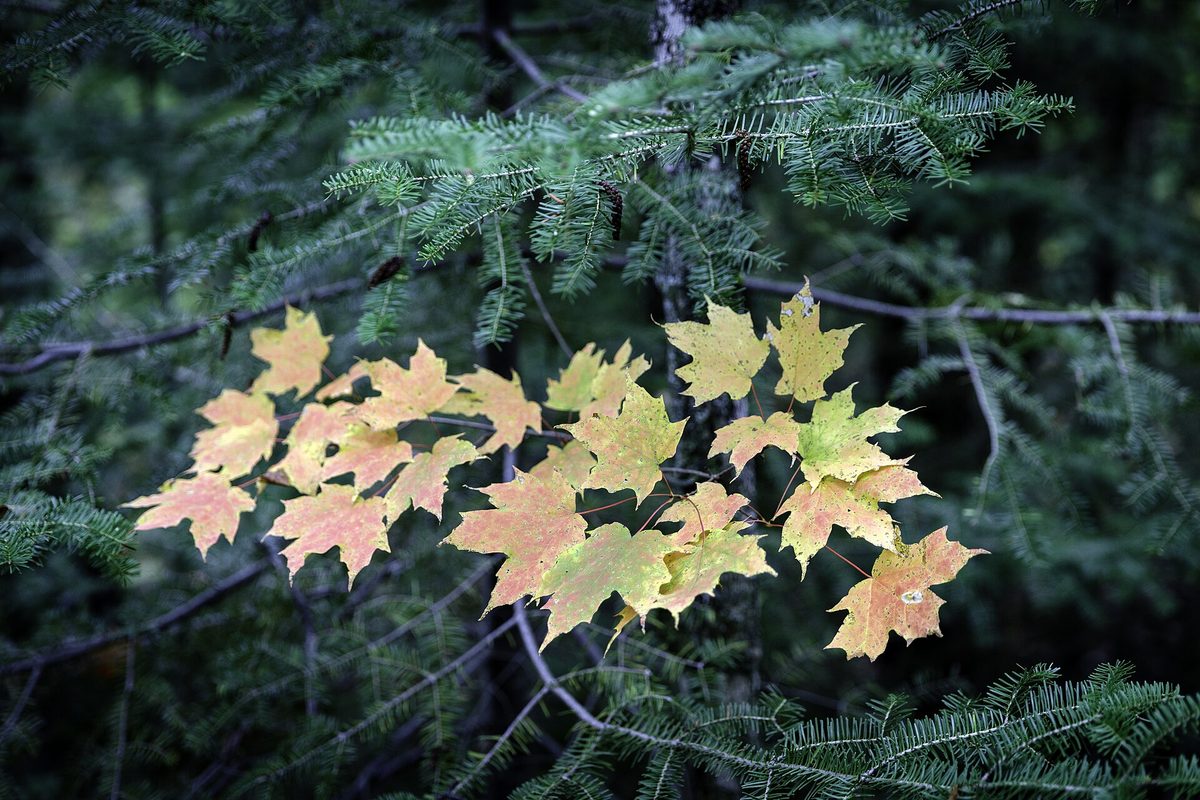
There are really 2 color seasons. The red one comes from maples (단풍나무) in the mountain valleys and temple grounds. The yellow one comes from ginkgo trees (은행나무, eunhaeng namu), which line thousands of city streets across Korea. Cities are warmer than mountains, so the ginkgo usually goes gold later, often after the mountain maples have peaked.
You’ll also see the rusty orange of metasequoia avenues and the brown-gold of zelkova, Korea’s traditional village tree. A trip in late autumn can mix all of them in one day.
Best places for fall foliage in Korea at a glance
Use this table to match a spot to your dates and energy level. The typical peak column uses KMA long-term average observation dates where KMA tracks the mountain or city nearby, and actual dates shift every year.
| Place | Region | Usual timing in the season | Typical peak (KMA average) | Best for | How Koreans do it |
|---|---|---|---|---|---|
| Seoraksan (설악산) | Gangwon, near Sokcho | Earliest, high peaks first | First color late Sep to early Oct; peak mid to late Oct | Granite peaks, red valleys, serious hikes | Dawn bus from Seoul, hike, seafood in Sokcho |
| Naejangsan (내장산) | North Jeolla, Jeongeup | Late, among the last big parks | Early November | Maple tunnel, temple, pond reflections | Early train or tour bus, weekday visit |
| Deoksugung Stonewall Road (덕수궁 돌담길) | Central Seoul | Late, with the city ginkgo | Late Oct to early Nov (Seoul and Bukhansan average); ginkgo often a little later | Easy ginkgo walk, palace walls | Lunch-hour or evening stroll |
| Changdeokgung Secret Garden (창덕궁 후원) | Central Seoul | Mid to late | Late Oct to early Nov (Seoul and Bukhansan average) | Royal garden, pavilions, maples | Book the guided tour well ahead |
| Nami Island (남이섬) | Chuncheon, Gangwon | Mid to late | No KMA average for the island; check that year’s forecast | Ginkgo and metasequoia lanes | Day trip by train and ferry |
| Gyeongju (경주) | North Gyeongsang | Late | No KMA average used here; check that year’s forecast | Temple maples, ginkgo road, royal tombs | KTX weekend, bike between sites |
| Damyang (담양) | South Jeolla, near Gwangju | Late | No KMA average used here; check that year’s forecast | Metasequoia road, bamboo forest | Combine with Gwangju or Naejangsan |
Seoraksan (설악산): where Korea’s color season starts
Seoraksan National Park sits on the east coast near the city of Sokcho, and its summit, Daecheongbong, is the third-highest peak in South Korea after Hallasan and Jirisan. Jagged granite, deep valleys and dense maples make it the place Koreans picture when they say danpung. It also turns first, so it opens the season on the news every year.
Which Seoraksan trail is best for autumn leaves?
- Biseondae (비선대): a mostly flat walk up the Cheonbuldong valley from the main Seorak-dong entrance. It’s the easiest way to see red maples over a clear stream.
- Ulsanbawi (울산바위): a huge granite ridge reached by long, steep metal stairs. The views are big and the climb is hard on the legs.
- Gwongeumseong cable car (권금성 케이블카): the no-hike option for a view of the peaks. In peak weeks the queue is the real test, so arrive early or skip it.
- Jujeongol valley (주전골): on the southern Osaek side, a valley walk known for its color and rock formations.
- Daecheongbong (대청봉): the summit is a full, demanding day (or an overnight with a shelter booking). Only go if you already hike long distances.
How to avoid the Seoraksan crowds
Peak weekends bring tour buses, packed parking lots and a slow crawl on the roads into Seorak-dong. Koreans who can choose go midweek and start early in the morning. The Osaek and Jujeongol side is a sensible alternative when the main entrance is jammed. Stay a night in Sokcho and you can be on the trail before the day-trippers from Seoul arrive.
- Area
- Seoraksan National Park, Sokcho and Yangyang, Gangwon Province
- Nearest station
- No train stop at the park; take an express bus to Sokcho, then a local bus to Seorak-dong
- Time needed
- A long day trip from Seoul, ideally 1 night in Sokcho
- Before you go
- check trail status, opening days and fees on the official Korea National Park Service page
Naejangsan (내장산): Korea’s classic maple tunnel
If Seoraksan opens the season, Naejangsan in Jeongeup, North Jeolla, is where many Koreans close it. The park is famous for its small, intensely red maple leaves and for the road to Naejangsa temple, where the branches meet overhead in a red tunnel. Calendars and foliage photo contests have used this view for years.
Two scenes draw most of the cameras. The first is Uhwajeong (우화정), a small pavilion that reflects in a pond at the foot of the park. The second is on the southern side of the same national park: Baegyangsa (백양사) temple in Jangseong, where the Ssanggyeru pavilion and a row of maples reflect in the stream.
Naejangsan is one of the busiest parks in Korea at peak, and the traffic is well known. Koreans who don’t want to sit in a car for hours take an early KTX to Jeongeup and a local bus, or join a tour bus that leaves Seoul before dawn. Weekdays are far calmer.
- Area
- Naejangsan National Park, Jeongeup, North Jeolla Province (Baegyangsa side in Jangseong, South Jeolla)
- Nearest station
- Jeongeup Station (KTX), then a local bus to the park entrance
- Time needed
- Half a day to a full day
- Before you go
- check opening days, shuttle and cable car operation and fees on the official page
Seoul palaces and ginkgo streets: Deoksugung-gil and more
You don’t need a mountain to see good autumn color. Seoul’s royal palaces have old maples and ginkgo, and the city’s streets turn gold in late autumn. Most Seoul office workers see their foliage this way: a walk at lunch, a palace visit on the weekend.
Deoksugung Stonewall Road (덕수궁 돌담길)
This road runs along the stone wall of Deoksugung palace next to Seoul City Hall and curves into the Jeongdong neighborhood, past old churches and early 20th-century buildings. In ginkgo season the wall, the yellow leaves and the fallen-leaf carpet make it one of the most photographed autumn walks in Seoul. It’s short, flat and free to walk, and you can add the palace itself for a small entrance fee (check the current one on the official page).
- Area
- Jung-gu, central Seoul, beside Seoul City Hall
- Nearest station
- City Hall Station (Lines 1 and 2)
- Time needed
- 30 to 60 minutes for the walk, plus 1 hour for the palace
- Before you go
- check palace opening days and fees on the official page
Changdeokgung Secret Garden (창덕궁 후원)
Huwon, the rear garden of Changdeokgung palace, is the best palace foliage in Seoul: ponds, wooden pavilions and old trees on a hillside that kings once kept for themselves. You can only enter on a guided tour with limited places, and autumn tours fill fast. Book on the official palace site as soon as you have dates.
Gyeongbokgung and Samcheong-dong
Gyeongbokgung’s Hyangwonjeong pavilion, on a small island in a pond near the back of the palace, is a classic autumn frame. Walk out the east side afterward and up Samcheong-dong-gil, a road lined with ginkgo trees, galleries and cafes. You can easily spend half a day here.
Other Seoul spots Koreans pick
- Seoul Forest (서울숲): a large park in Seongdong-gu with ginkgo groves and space for a picnic.
- Haneul Park (하늘공원): in World Cup Park, known for fields of silver grass (억새, eoksae) that glow in the late afternoon.
- Namsan (남산): walking roads around the mountain below N Seoul Tower, with maples and views over the city.
Nami Island (남이섬) in autumn: ginkgo and metasequoia lanes
Nami Island, a small river island near Chuncheon, is the most popular foliage day trip from Seoul for international visitors. It’s known for straight avenues of ginkgo and metasequoia trees, and many visitors first heard of it through the 2002 drama Winter Sonata. In autumn the ginkgo lane turns yellow and the fallen leaves cover the paths.
Getting there is simple: a train to Gapyeong Station, a short taxi or bus to the wharf, and a ferry across. Our Nami Island day trip guide covers the trains, the ferry and 3 add-ons in the area. Weekends at peak are very busy, so aim for an early ferry.
- Area
- Near Chuncheon, Gangwon Province, reached from Gapyeong, Gyeonggi Province
- Nearest station
- Gapyeong Station (ITX-Cheongchun and Gyeongchun Line), then the ferry wharf
- Time needed
- Half a day on the island, a full day from Seoul
- Before you go
- check ferry operation and admission fees on the official page
Gyeongju and Damyang: temple maples and tree-lined roads
These 2 are late-season picks in the south. They work well when Seoul’s leaves have already dropped, or when you’re adding culture and food to your foliage trip.
Gyeongju (경주): Silla temples in red and gold
Gyeongju was the capital of the Silla kingdom, and in autumn its heritage sites take on a second layer of color. At Bulguksa (불국사) temple, maples frame the stone stairways and bridges. The road to Tongiljeon (통일전) near Namsan is a long, straight ginkgo avenue that Koreans drive or cycle down for photos. The grassy royal tombs of Daereungwon (대릉원) and the paths around Bomun Lake round out a weekend.
Koreans often rent a bicycle and ride between sites, since many of them are close together. For a 2-day route, see our Gyeongju travel guide with 8 Silla sites.
- Area
- Gyeongju, North Gyeongsang Province
- Nearest station
- Gyeongju Station (KTX, formerly Singyeongju), then a city bus or taxi
- Time needed
- 1 to 2 days
- Before you go
- check opening days and fees for each site on its official page
Damyang (담양): metasequoia road and bamboo
Damyang, a county just north of Gwangju, is known for the Metasequoia Road (메타세쿼이아 가로수길), an avenue of tall trees that turns rust-orange late in the season. Nearby, Juknokwon (죽녹원) is a bamboo forest that stays green all year, and the contrast is part of the appeal. Gwanbangjerim (관방제림), a line of very old trees along a riverbank, is free and less crowded.
Damyang is also known for tteokgalbi (grilled patties of minced short rib) and bamboo-tube rice, so plan to eat there. With a car or a tour, you can link it with Naejangsan and Baegyangsa for a Jeolla foliage loop.
- Area
- Damyang County, South Jeolla Province
- Nearest station
- Gwangju Songjeong Station (KTX), then a bus from Gwangju to Damyang
- Time needed
- Half a day to a full day
- Before you go
- check admission fees and opening days on the official page
How Koreans go danpung hiking
Hiking (등산, deungsan) is one of Korea’s biggest weekend pastimes, and autumn is its high season. The leaf-viewing outing even has its own name, danpung-nori (단풍놀이). Visitors usually notice the gear first: hikers of every age in bright outdoor jackets from Korean brands such as Kolon Sport, K2 and Black Yak, often with trekking poles and a full daypack for a 2-hour walk.
The typical Korean foliage day looks like this. Hiking clubs (산악회, sanakhoe) charter buses that leave Seoul before dawn. Hikers pick up gimbap at a convenience store on the way and reach the trail by mid-morning. At the trailhead on the way down, the restaurants serve pajeon (savory scallion pancake), dotorimuk (acorn jelly salad) and makgeolli (milky rice wine). If you only copy one Korean habit, make it the early start.
Trail etiquette that keeps you out of trouble
- Stay on marked trails. Off-trail areas in national parks are often closed for conservation and can be fined.
- Carry your trash out. Bins on the trails are rare.
- No cooking, campfires or smoking in national parks, especially in dry autumn weather.
- Leave the makgeolli until you’re back down. Steep granite descents and alcohol don’t mix.
Tour bus or do it yourself?
Foreigner-friendly day tours from Seoul to Seoraksan, Nami Island and Naejangsan solve the hardest part, which is transport on busy weekends. Compare them by start time and time on the trail, not just by stops. Going on your own is easy with KTX trains (book through Korail) and express buses, but weekend seats in peak weeks sell out, so book as soon as your dates are firm.
What to wear for autumn leaves in Korea
Koreans talk a lot about ilgyocha (일교차), the gap between daytime and night temperatures, and autumn is when it’s widest. A sunny afternoon in Seoul can feel like light-jacket weather, while a Seoraksan ridge at sunrise can be close to freezing. Dress for the coldest part of your day.
- Layers: a base layer, a fleece or light down, and a windproof shell you can take off as you climb.
- Shoes with grip: wet leaves on granite and on metal stairs are slippery. Trail shoes beat fashion sneakers.
- Hat and gloves for any mountain visit, especially at the high peaks.
- Trekking poles help on the long stair sections Korean trails are known for. Koreans use them on almost every hike.
- For the cities, a light coat and comfortable walking shoes. Palace grounds involve gravel and a lot of walking.
FAQ
When is the best time to see fall foliage in Korea?
It depends on where you go. The high northern mountains like Seoraksan turn first, with first color around late September to early October and a peak around mid to late October, according to KMA long-term averages. Seoul usually peaks from late October into early November, and the south stays colorful into November, with Naejangsan typically peaking in early November and Gyeongju and Damyang turning late too. Check that year’s foliage forecast in September (search 단풍지도 on Naver) for peak estimates.
Where can I see fall foliage near Seoul?
Inside the city, try Deoksugung Stonewall Road, the Changdeokgung Secret Garden, Gyeongbokgung with Samcheong-dong, Seoul Forest and Namsan. For an easy day trip, Nami Island is the most popular choice. All of these can be reached by subway or train.
Is Nami Island good for autumn leaves?
Yes. Its ginkgo and metasequoia lanes are among the best-known autumn scenes near Seoul, and the trip by train and ferry is simple. It gets very crowded on peak weekends, so take an early ferry or go on a weekday.
What does danpung mean in Korean?
Danpung (단풍) means autumn leaves, or the leaves changing color. A leaf-viewing trip is called danpung-nori (단풍놀이), and the maple tree is danpung namu (단풍나무). You’ll see the word on forecast maps, tour ads and festival signs every autumn.
Do I need hiking experience to see Seoraksan in autumn?
No. The Biseondae valley walk is mostly flat, and the Gwongeumseong cable car takes you to a viewpoint without hiking. Ulsanbawi and the summit, Daecheongbong, are steep and long, so leave them for experienced hikers. Whatever route you take, start early and check trail status first.
Why do the ginkgo trees in Seoul smell bad?
Female ginkgo trees drop fruit in autumn, and the fleshy coating smells strongly when it’s crushed on the pavement. Koreans roast the nut inside, called eunhaeng (은행), as a snack but eat only a few at a time. Don’t collect them from street trees, which is discouraged and restricted in some areas.
Plan your Korea foliage trip: what to check next
- September: search Naver for 단풍지도 (danpung jido, “foliage map”) or check the Weather i (웨더아이) and K-weather (케이웨더) foliage maps, and note the peak estimates for the places on your list.
- Once you have dates: book the Changdeokgung Secret Garden tour and any KTX or express bus seats for weekends.
- The week before: check the Korea National Park Service site for trail closures, and the forecast for cold mornings.
- Build the rest of the trip: our list of 25 things to do in South Korea fills the days between hikes.
If autumn doesn’t fit your calendar, Korea’s other big seasonal trip runs the opposite way. Our cherry blossom guide explains how the spring flowers move from the south to the north.
Related reading
Sources k-korea.blog
Prices, opening hours and availability change. Check the official page before you buy or travel.